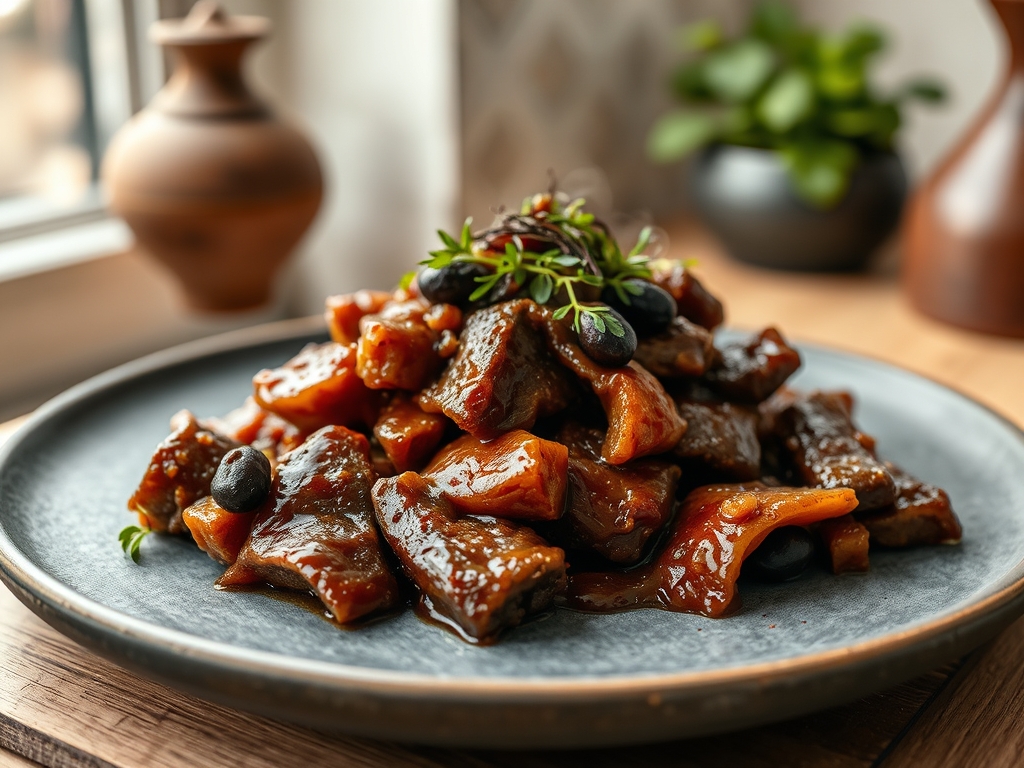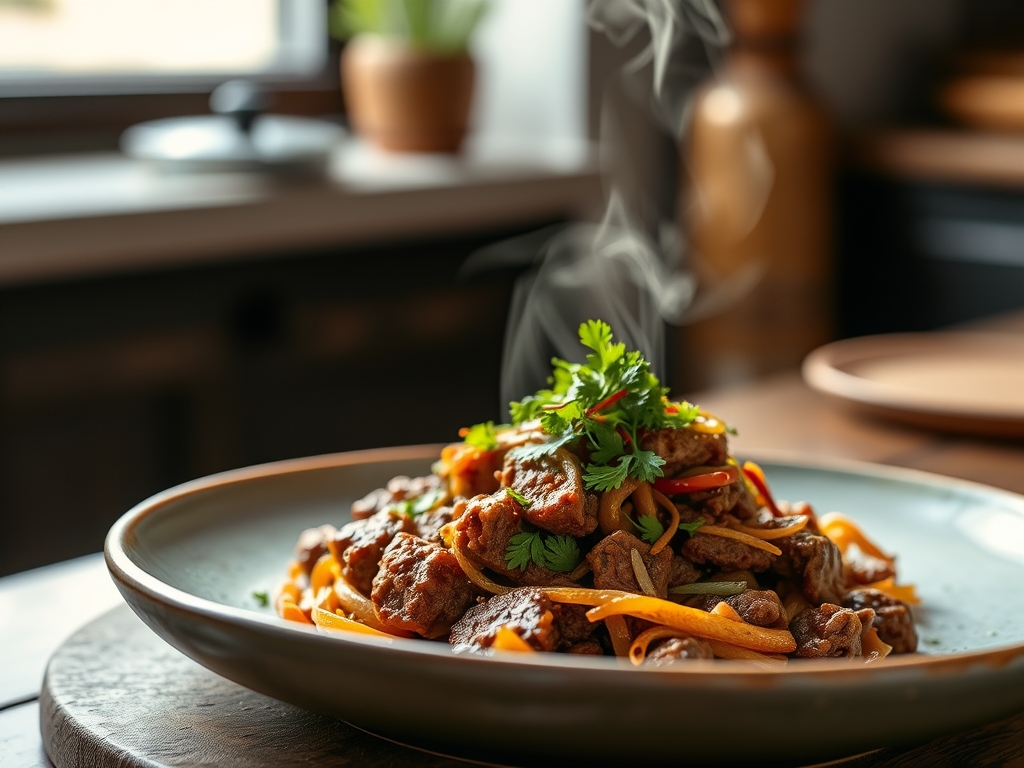
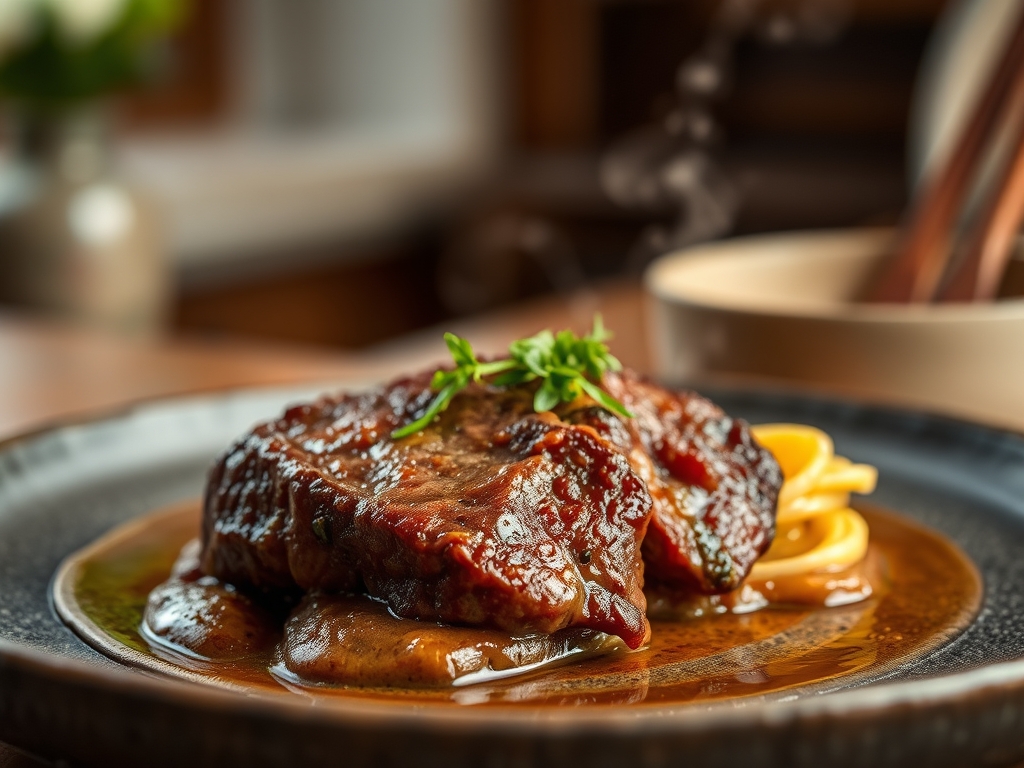
Imagine a damp, mist-shrouded glen where the air smells of peat and cold rain. This is the ancestral home of the Highland cow, a creature built for the elements with a double coat and a stoic disposition. When you handle this meat, you are working with something fundamentally different from factory-farmed steer. Because these animals mature slowly and forage on wild grasses, the fat is distributed with surgical precision, creating a lean yet intensely marbled texture. Mastering highland beef recipes requires a shift in your culinary intuition; you are no longer just cooking dinner, you are conducting a symphony of deep, iron-rich flavors and complex fatty acid profiles that demand respect and a very hot heavy-bottomed skillet.
The secret to these highland beef recipes lies in the slow-twitch muscle fibers. These cows move. They climb. This activity creates a high concentration of myoglobin, the protein responsible for that deep, ruby-red hue and the distinctively "beefy" mineral finish. We are going to harness that biology to create dishes that feel like a warm hug from a Scottish grandmother who also happens to have a PhD in molecular gastronomy. From traditional stews to modern seared cuts, the goal is always the same: maximize the Maillard reaction while preserving the structural integrity of the delicate intramuscular fat.
The Gathers:
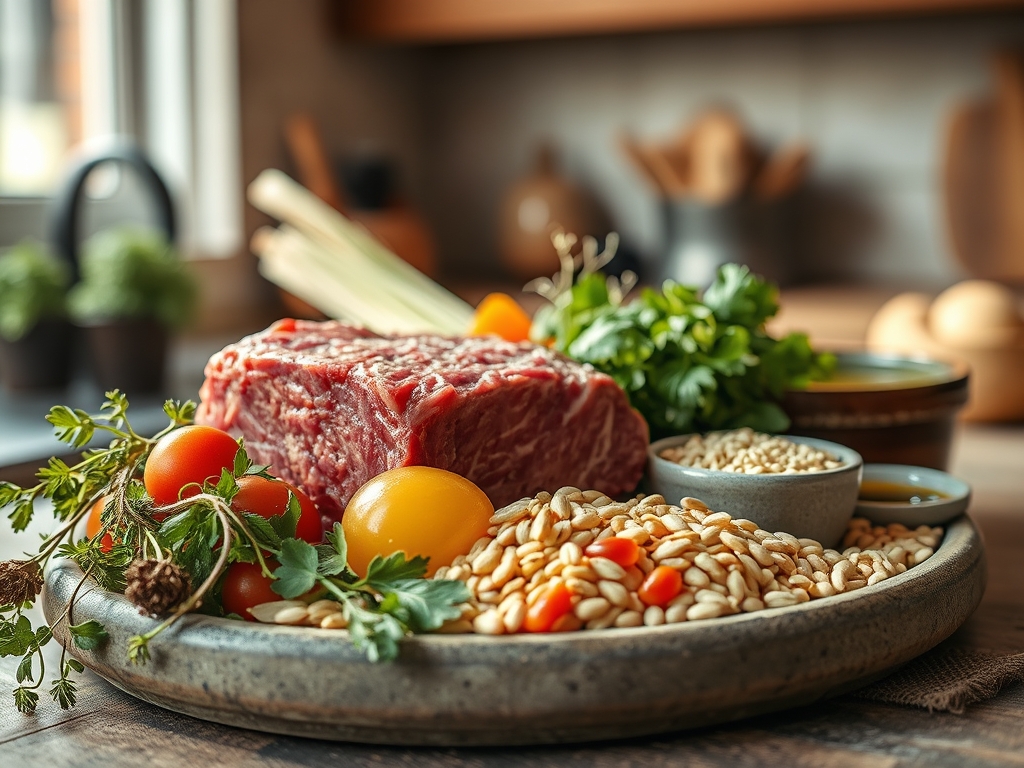
To begin your journey into highland beef recipes, your mise-en-place must be impeccable. You will need your digital scale to ensure precision, as the lower fat content in Highland beef means moisture ratios are sensitive. Gather three pounds of Highland chuck or brisket for braising, or thick-cut ribeyes for searing. You will also need high-smoke-point fats like clarified butter or beef tallow; avoid extra virgin olive oil for the initial sear as it will smoke and acridize before the meat reaches the optimal temperature for enzymatic browning.
The aromatics are equally vital. Prepare a mirepoix of carrots, celery, and onions, but dice them with a sharp chef's knife to exactly five millimeters to ensure they melt into a viscous sauce rather than remaining as distinct chunks. You will also need fresh thyme, rosemary, and bay leaves to infuse the lipids with earthy volatile oils. For the liquid base, a bone-dry red wine like a Cabernet Sauvignon or a heavy Scottish stout will provide the necessary acidity to break down connective tissues.
Smart Substitutions: If you cannot source Highland beef, look for "Belted Galloway" or any heritage breed that is 100 percent grass-fed. For a dairy-free richness, substitute the butter with duck fat or schmaltz. If you are avoiding alcohol, a high-quality beef bone broth spiked with two tablespoons of balsamic vinegar will mimic the piquant acidity and depth of a traditional red wine reduction.
The Clock:
Efficiency in the kitchen is about understanding the "Chef's Flow." For these highland beef recipes, expect a total commitment of about four hours, though only forty-five minutes of that is active labor. The prep phase takes twenty minutes: this includes the precision dicing of aromatics and the crucial step of tempering your meat. Never pull beef directly from the fridge and drop it into a pan; the thermal shock will cause the muscle fibers to contract violently, squeezing out the precious juices.
The "Passive Phase" is where the magic happens. Braising requires three hours of low, slow heat to allow the collagen to undergo a phase transition into gelatin. If you are searing steaks, the active time is only ten minutes, followed by a mandatory ten-minute rest. This resting period allows the internal pressure to stabilize, ensuring that when you finally slice into the meat, the juices stay within the fibers rather than flooding your cutting board.
The Masterclass:
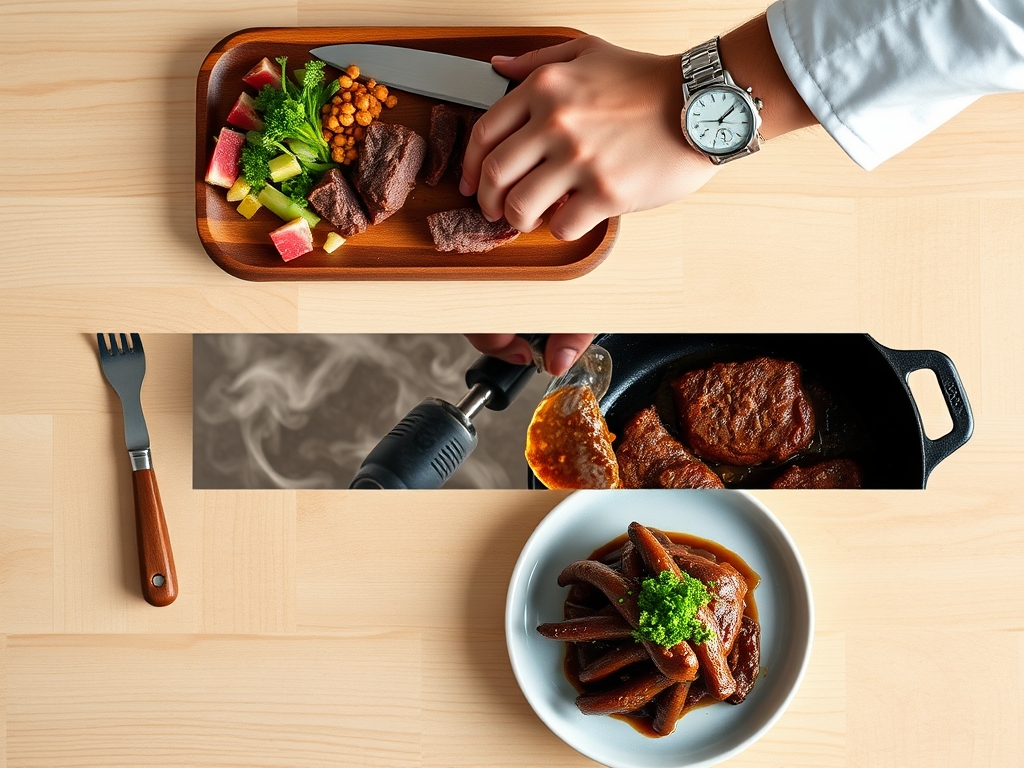
1. Tempering and Surface Desiccation
Remove your Highland beef from its packaging and pat it bone-dry with paper towels. Sprinkle generously with kosher salt and let it sit on a wire rack for at least forty minutes. This allows the salt to penetrate the surface via osmosis, eventually reabsorbing and seasoning the interior.
Pro Tip: Surface moisture is the enemy of the Maillard reaction. By drying the exterior, you ensure that the thermal energy of the pan goes directly into browning the meat rather than evaporating water.
2. The High-Heat Sear
Heat your heavy-bottomed skillet until the tallow begins to shimmer and reach its smoke point. Use stainless steel tongs to place the beef in the pan. Do not crowd the vessel; overcrowding drops the surface temperature and leads to steaming rather than searing. Sear until a deep, mahogany crust forms.
Pro Tip: This crust is the result of the Maillard reaction, a chemical reaction between amino acids and reducing sugars. It creates hundreds of different flavor compounds that provide the "savory" profile essential to highland beef recipes.
3. Deglazing the Fond
Once the meat is seared and removed, you will see brown bits stuck to the bottom of the pan. This is "fond." Pour in your wine or stout and use a wooden spoon or bench scraper to agitate these bits. The liquid will bubble and lift the concentrated proteins back into the sauce.
Pro Tip: Deglazing is a solvent-based extraction. The alcohol and water in your liquid dissolve the caramelized proteins, creating a complex, layered base for your gravy or braise.
4. The Low and Slow Braise
Return the meat to a saucier or Dutch oven along with your aromatics and liquid. Cover tightly and place in a 300-degree Fahrenheit oven. The goal is to keep the liquid at a gentle simmer, never a rolling boil.
Pro Tip: Maintaining a temperature below the boiling point prevents the muscle fibers from becoming tough and stringy. This is the science of "collagen conversion," where connective tissue turns into silky, mouth-coating gelatin.
5. The Emulsified Finish
Once the meat is fork-tender, remove it and strain the liquid. Whisk in a knob of cold butter or use a microplane to zest in a bit of fresh horseradish. This creates a glossy, emulsified sauce that clings to the meat.
Pro Tip: Cold butter contains water and milk solids that help stabilize the sauce. By whisking it in at the end, you create a fat-in-water emulsion that provides a luxurious mouthfeel without being greasy.
The Deep Dive:
Highland beef is a nutritional powerhouse. It is significantly lower in cholesterol and fat than standard commercial beef, while being higher in protein and iron. It also boasts a superior ratio of Omega-3 to Omega-6 fatty acids, making it a "heart-healthy" red meat option. For those on a Keto or Paleo diet, these highland beef recipes are a gold mine of clean energy. If you are Gluten-Free, simply ensure your thickening agent is arrowroot powder or a cornstarch slurry instead of a traditional flour roux.
The Fix-It:
- Tough Meat: If the beef is "chewy," you likely didn't cook it long enough. Connective tissue needs time to melt. Put it back in the pot for another thirty minutes.
- Bland Sauce: This usually means a lack of acidity. Add a splash of apple cider vinegar or a squeeze of lemon to brighten the flavors.
- Greasy Surface: If the fat has separated, use a wide spoon to skim the surface, or toss in an ice cube; the fat will cling to the cold surface, allowing for easy removal.
Meal Prep: To reheat, avoid the microwave at all costs. The radiation vibrates water molecules so violently it toughens the protein. Instead, reheat gently in a lidded pan over low heat with a splash of broth to maintain the "day-one" moisture and texture.
The Wrap-Up:
You are now equipped to handle one of the most prestigious proteins in the culinary world. Highland beef recipes aren't just about sustenance; they are about honoring a slow, natural process that results in unparalleled flavor. Remember to trust your senses: listen for the sizzle, smell the deepening sugars, and feel the "give" of the meat as the collagen dissolves. Whether you are serving a formal dinner or a cozy Sunday roast, the science of the sear and the patience of the braise will never let you down. Now, grab your tongs and get to work!
The Kitchen Table:
How do I make Highland beef tender?
The key is low and slow heat. Because Highland beef is lean, high heat for long periods will dry it out. Use a moist braising technique at 300 degrees Fahrenheit to convert tough collagen into silky gelatin over several hours.
Is Highland beef healthier than regular beef?
Yes. Studies show Highland beef is lower in fat and cholesterol while being higher in iron and Omega-3 fatty acids. This is due to their natural grass-fed diet and slower growth rate compared to industrial grain-fed cattle.
Can I cook Highland steak on a grill?
Absolutely, but be cautious. Use a high-heat sear to develop a crust, then move it to a cooler part of the grill. Use a digital thermometer to pull the meat at 130 degrees Fahrenheit for a perfect medium-rare.
Why is my Highland beef so dark?
The deep red color is caused by high levels of myoglobin. Since Highland cattle are active and grass-fed, their muscles are well-oxygenated. This indicates a higher mineral content and a more robust, complex flavor profile than paler beef.