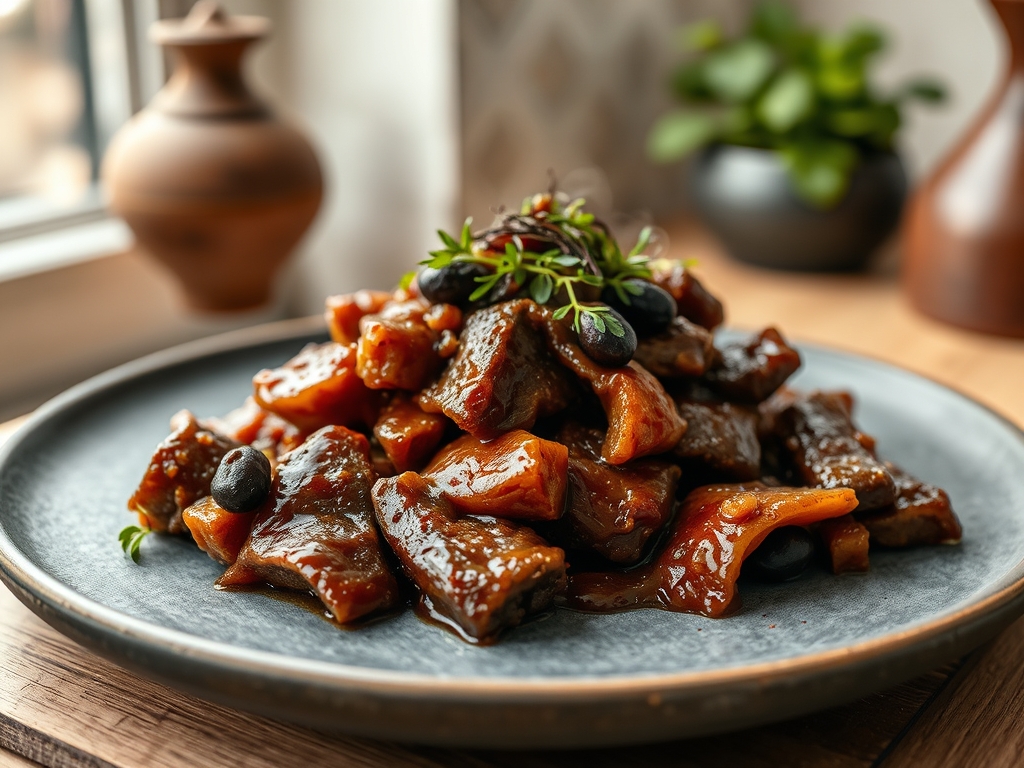
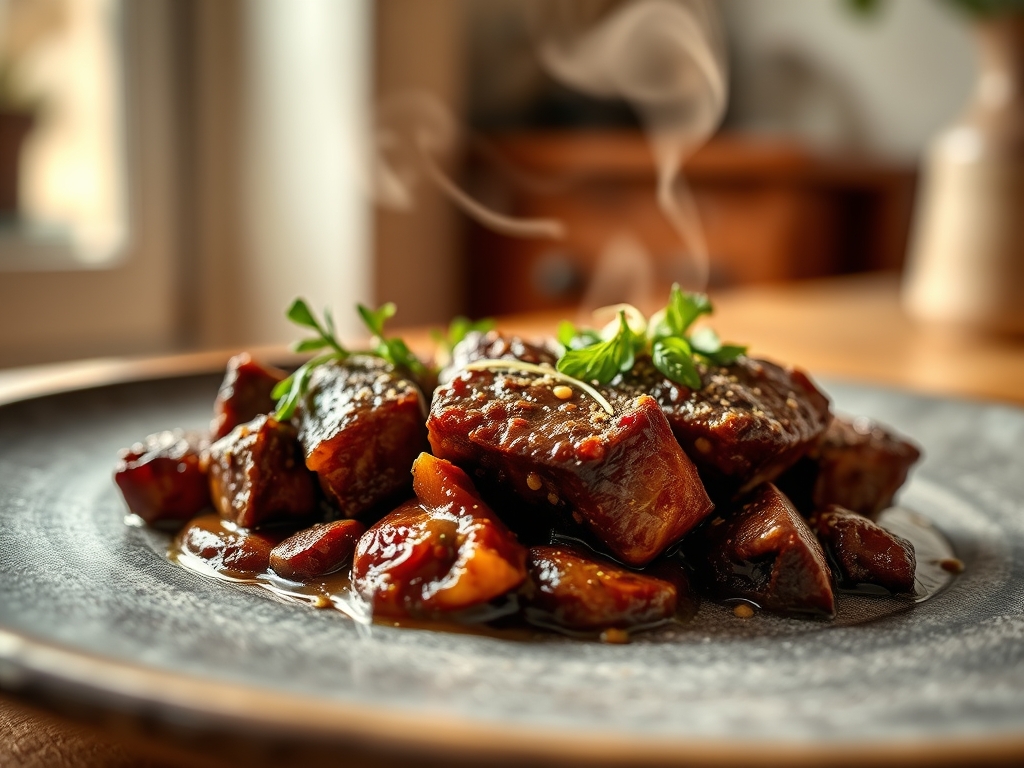
Imagine the scent of a rainy Flemish afternoon distilled into a single, heavy-bottomed pot. The air in your kitchen thickens with the aroma of caramelized onions and dark, malty ale as the meat yields its structural integrity to the slow, steady hum of the oven. When searching for carbonnade of beef recipes, you are looking for more than just a stew; you are seeking a masterclass in the balance of sweet, sour, and savory. This is the sophisticated, beer-braised cousin of the French Boeuf Bourguignon, trading red wine for the deep, complex notes of a Belgian Dubbel. It is a dish that demands patience but rewards you with a sauce so viscous and glossy it clings to your spoon like velvet. We are going to transform humble chuck steak into a culinary triumph by manipulating heat, acidity, and time.
The Gathers:
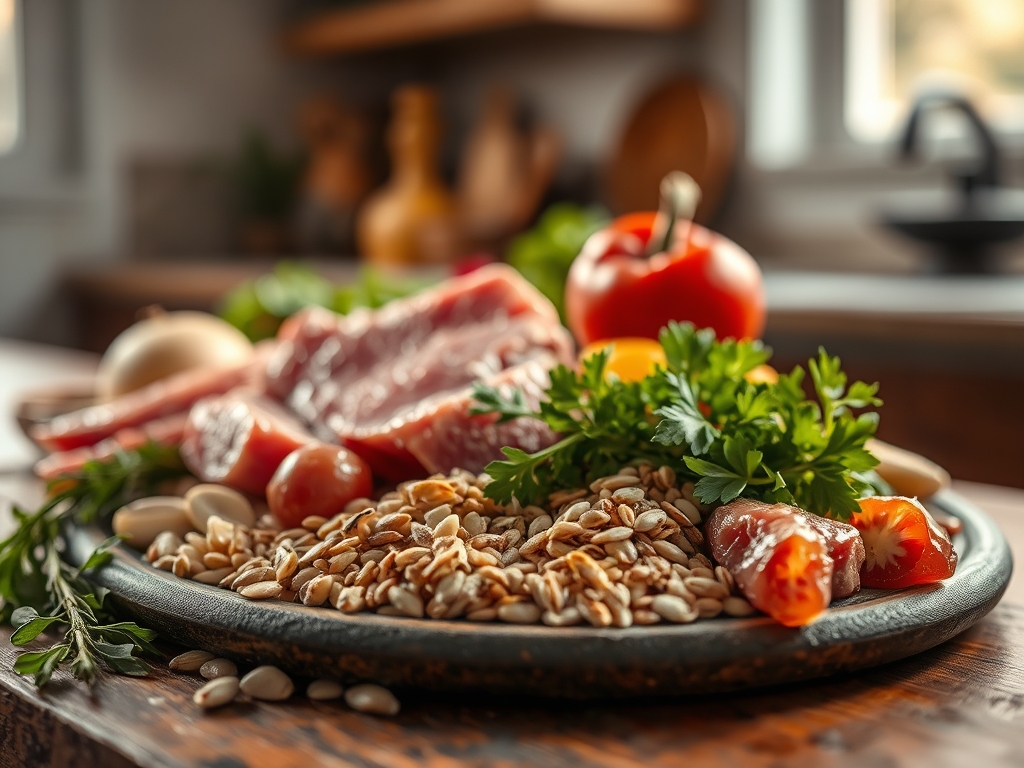
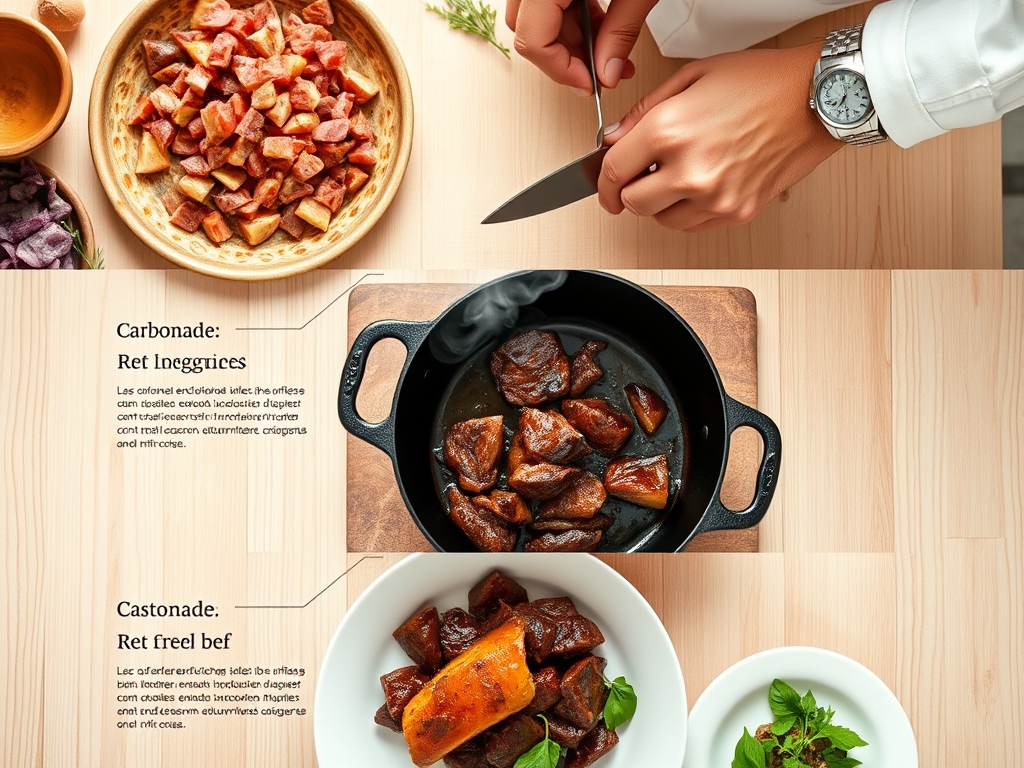
To achieve the perfect carbonnade, your mise-en-place must be precise. Start with three pounds of chuck roast, selected for its high collagen content. Use a sharp chef knife to cube the meat into uniform two-inch pieces; uniformity ensures even cooking rates. You will need a quart of yellow onions, sliced thin to encourage rapid cell wall breakdown. The star of the show is the beer: seek out a Belgian Trappist ale or a Chimay Blue. These beers provide the necessary residual sugars and complex esters that define the dish.
For the aromatics, gather fresh thyme, bay leaves, and a generous dollop of Dijon mustard. The mustard acts as both a flavor enhancer and a subtle emulsifier for the sauce. You will also need brown sugar and cider vinegar to create the signature agrodolce profile.
Smart Substitutions: If you cannot find a Belgian ale, a high-quality Dopplebock or a stout will suffice, though the flavor will be more roasty and less fruity. For a gluten-free version, swap the traditional slice of sourdough bread used for thickening with a cornstarch slurry or a gluten-free baguette slathered in mustard. If you are watching your sodium, use a homemade unsalted brown stock to control the mineral profile of the final reduction.
The Clock:
The "Chef's Flow" for this recipe is divided into two distinct phases: the active sear and the passive braise. Expect 45 minutes of active prep, including the meticulous browning of the beef and the slow caramelization of the onions. Once the pot enters the oven, the passive cooking time is approximately three hours.
Timing is everything when managing connective tissue conversion. You are waiting for the collagen to transform into gelatin, a process that happens most efficiently between 160 and 180 degrees Fahrenheit. Rushing this with high heat will result in tough, stringy fibers. Plan to start this dish in the early afternoon for a dinner that feels effortless.
The Masterclass:
1. The Maillard Sear
Pat your beef dry with paper towels until the surface is bone-dry. Season aggressively with kosher salt. Heat a heavy-bottomed skillet or Dutch oven with high-smoke-point oil until it shimmers. Sear the beef in batches, ensuring each piece has enough space to aerate and brown rather than steam.
Pro Tip: This is the Maillard Reaction in action. By keeping the meat dry and the pan hot, you create hundreds of new flavor compounds. If you crowd the pan, the temperature drops, and the meat releases moisture, boiling the beef instead of searing it.
2. Onion Caramelization
Remove the beef and add your sliced onions to the rendered fat. Lower the heat. You are not just softening them; you are looking for a deep, mahogany hue. Use a wooden spoon to scrape up the fond (the brown bits) from the bottom of the pot.
Pro Tip: Onions contain natural sugars that undergo pyrolysis during long, slow cooking. This adds the essential sweetness that balances the bitter hops of the ale.
3. The Deglaze
Pour in a splash of cider vinegar to release the remaining caramelized proteins from the pan. Add the Belgian ale slowly, allowing the foam to subside. Return the beef and its accumulated juices to the pot.
Pro Tip: Deglazing is a chemical process where the acidity of the vinegar and the solvent properties of the alcohol dissolve the fond, integrating those concentrated flavors back into the liquid base.
4. The Bouquet and Mustard
Tie your thyme and bay leaves with kitchen twine and submerge them. Spread Dijon mustard onto a thick slice of crusty bread and place it mustard-side down on top of the stew. This is a traditional Flemish technique that thickens the sauce as the bread disintegrates.
Pro Tip: The mustard contains isothiocyanates, which provide a piquant bite, while the starches in the bread act as a natural thickener through starch gelatinization, creating a silky mouthfeel without a heavy roux.
5. The Low and Slow Braise
Cover the pot with a tight-fitting lid and place it in a 300-degree oven. The low temperature prevents the meat from seizing and allows the fat to render slowly into the sauce.
Pro Tip: Cooking in the oven provides omnidirectional heat, which is more stable than the bottom-up heat of a stovetop. This stability prevents the bottom of the stew from scorching during the long cook time.
6. The Acid Adjustment
Once the meat is fork-tender, remove the pot from the oven. Taste the sauce. If it feels too heavy, add a teaspoon of cider vinegar or a squeeze of lemon.
Pro Tip: Adding acid at the end of cooking provides a bright top note that cuts through the richness of the fats and sugars, balancing the palate.
7. The Resting Period
Let the carbonnade sit for at least 20 minutes before serving. This allows the muscle fibers to relax and reabsorb some of the flavorful braising liquid.
Pro Tip: This is known as equilibrating the moisture. If you serve it piping hot, the juices will run out of the meat; resting ensures every bite is succulent.
The Deep Dive:
Macro Nutrition: A standard serving of carbonnade is high in protein and iron, thanks to the beef. However, it is also calorie-dense due to the sugars in the beer and onions. Expect roughly 450 to 550 calories per serving, excluding sides like frites or mashed potatoes.
Dietary Swaps: For a Keto version, omit the brown sugar and the bread; thicken the sauce at the end by whisking in a small amount of xanthan gum. Vegan enthusiasts can substitute the beef with large chunks of portobello mushrooms and use a vegetable-based demi-glace, though the cooking time will drop significantly to avoid mushiness.
The Fix-It:
- Bitter Sauce: If the beer was too hoppy and the sauce is bitter, add a touch more brown sugar or a tablespoon of red currant jelly to counteract the alkaloids.
- Tough Meat: If the beef is still chewy, it simply hasn't cooked long enough. Put the lid back on and give it another 30 minutes.
- Thin Liquid: If the sauce is watery, remove the lid and simmer it on the stovetop for 10 minutes to reduce and concentrate the liquids.
Meal Prep: Carbonnade is actually better on day two. As it cools, the flavors continue to infuse and meld. When reheating, do so gently over low heat on the stove. Use a saucier and add a splash of water or stock to loosen the gelatinized sauce back to its original viscosity.
The Wrap-Up:
You have just mastered one of the most soulful dishes in the European repertoire. By understanding the science of the Maillard reaction and the patience of a slow braise, you have turned a few simple ingredients into a complex, restaurant-quality meal. Carbonnade of beef recipes are more than instructions; they are a blueprint for comfort. Now, grab a cold glass of that same Belgian ale, pile some golden fries next to your stew, and enjoy the fruits of your chemical labor. Your kitchen smells like a dream, and your plate looks like a masterpiece!
The Kitchen Table:
What is the best cut of meat for carbonnade?
Use chuck roast or beef shin. These cuts are rich in collagen and fat, which break down during the long braise to create a tender texture and a rich, viscous sauce that leaner cuts cannot provide.
Can I make carbonnade of beef in a slow cooker?
Yes, but you must sear the beef and caramelize the onions in a skillet first. Transfer everything to the slow cooker and cook on low for 6 to 8 hours to ensure the collagen fully converts to gelatin.
Why is my carbonnade sauce too bitter?
Bitterness usually comes from using a beer with high IBU (International Bitterness Units), like an IPA. Stick to malty Belgian ales. If it is already bitter, balance it with a small amount of brown sugar or balsamic vinegar.
What should I serve with Belgian beef stew?
Traditionally, it is served with thick-cut Belgian fries (frites) and a dollop of mayonnaise. It also pairs beautifully with buttery mashed potatoes or wide egg noodles to soak up the glossy, savory sauce.
How long does carbonnade last in the fridge?
It stays fresh for up to four days in an airtight container. The flavor actually improves overnight as the spices and aromatics continue to permeate the meat. It also freezes exceptionally well for up to three months.