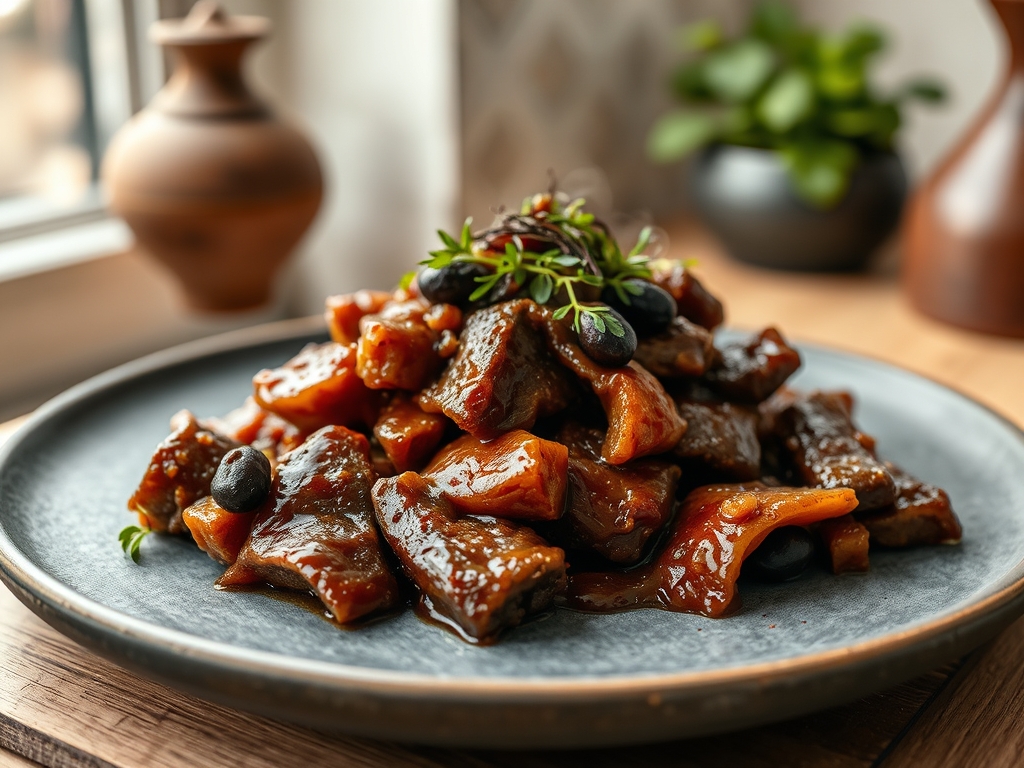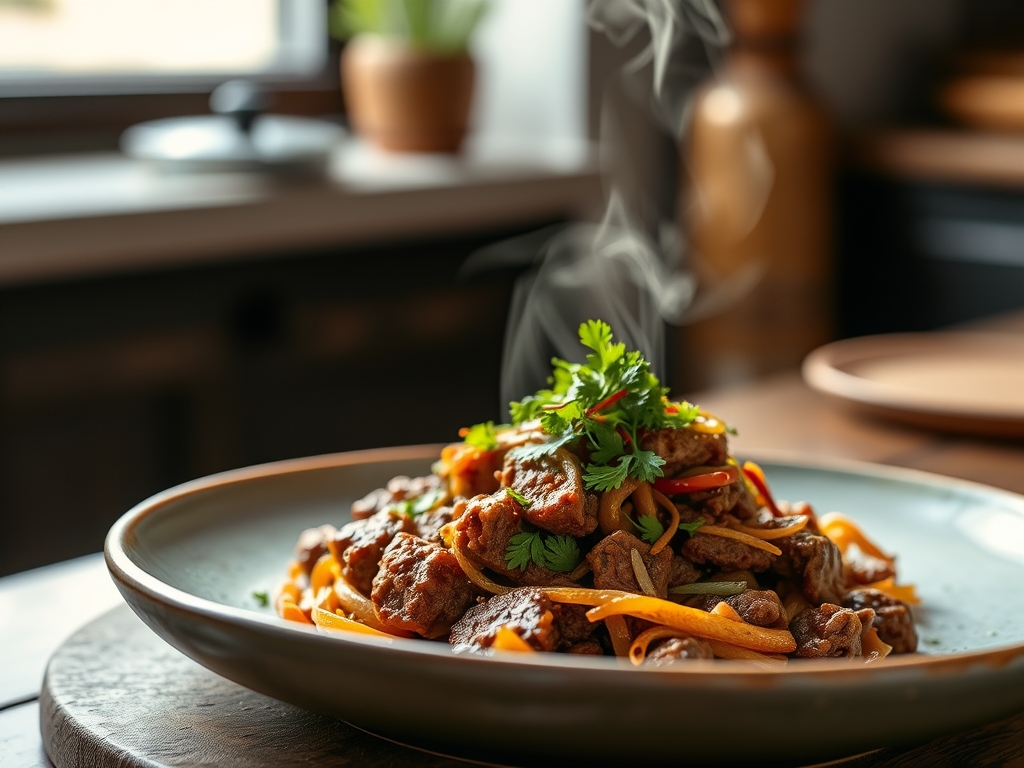
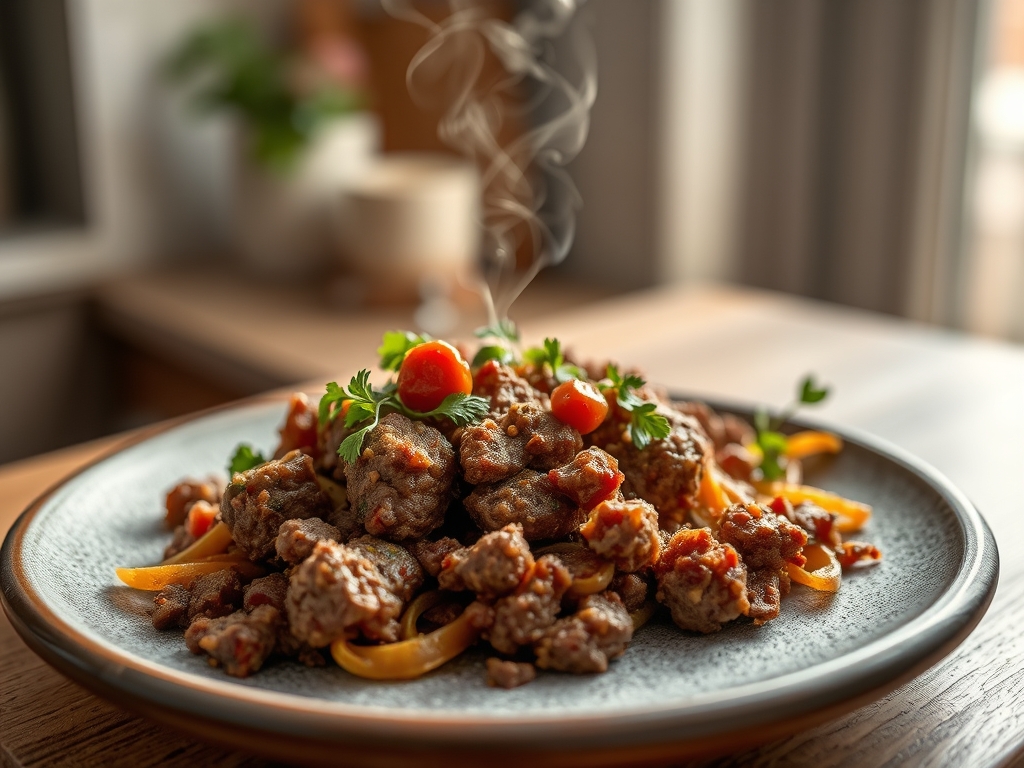
The sizzle of grass fed fat hitting a preheated cast iron skillet is the universal siren song of a kitchen that knows what it is doing. When you are hunting for clean eating ground beef recipes, you are not just looking for fuel; you are looking for that perfect intersection of metabolic health and unapologetic flavor. We are moving far beyond the dry, crumbly textures of yesterday. By mastering the art of the sear and the science of the simmer, we can transform humble ground protein into a week of vibrant, nutrient dense masterpieces that keep your blood sugar stable and your palate thrilled.
To do this right, we have to treat ground beef with the same respect we give a prime ribeye. Clean eating does not mean bland eating. It means sourcing high quality, pasture raised fats and pairing them with aromatics that have been treated to the Maillard reaction. This chemical process occurs when amino acids and reducing sugars are exposed to high heat, creating those complex, savory flavor compounds that make your mouth water. Today, we are diving into eight distinct flavor profiles that utilize this science to turn your meal prep into a high end culinary experience.
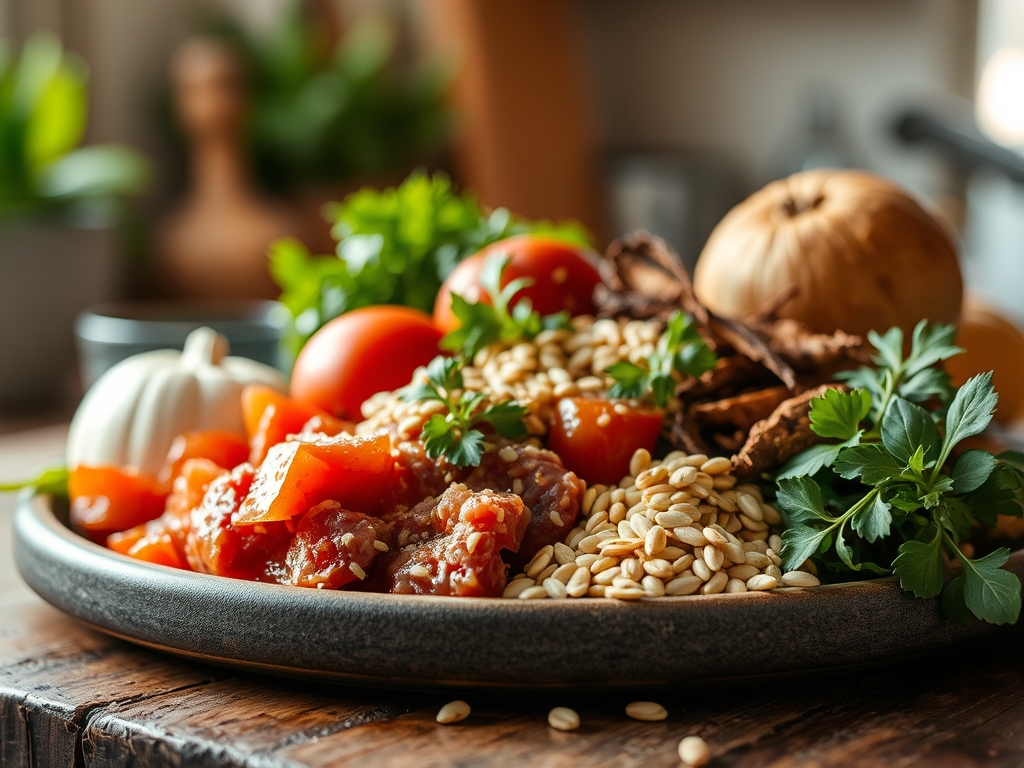
The Gathers:
Before we ignite the burners, we must arrange our mise en place with precision. Use a digital scale to portion your beef into exact eight ounce increments; this ensures consistent cooking times across all eight variations. You will want to see a vibrant, oxymyoglobin red in your beef, which indicates freshness and proper oxygen exposure.
For our aromatics, reach for the microplane to grate fresh ginger and garlic. This increases the surface area, allowing the volatile oils to infuse the cooking fat more rapidly. Our "Gathers" list includes a rainbow of phytonutrients: bell peppers for vitamin C, lacinato kale for fiber, and red onions for quercetin.
Smart Substitutions: If you are avoiding nightshades, swap the paprika for a pinch of turmeric and ground cumin to maintain a deep, earthy profile. For those watching sodium, replace conventional soy sauce with coconut aminos. This liquid is less viscous than honey but provides a similar natural sweetness without the refined sugar spike. Always keep a high smoke point oil nearby, like avocado oil, to ensure your sear does not turn into a smoky disaster.
The Clock
Efficiency in the kitchen is all about "Chef's Flow." This is the psychological state where your movements are optimized to minimize downtime. For these eight clean eating ground beef recipes, your active prep time is roughly 20 minutes, while the total cook time spans 30 minutes.
The secret is parallel processing. While your heavy-bottomed skillet is preheating, you should be using a bench scraper to clear your cutting board of chopped aromatics. Never crowd the pan. If you drop two pounds of beef into a cold skillet at once, the temperature will plummet, and the meat will steam in its own juices rather than sear. By staggered cooking, you allow the moisture to evaporate instantly, keeping the texture firm and the flavor concentrated.
The Masterclass
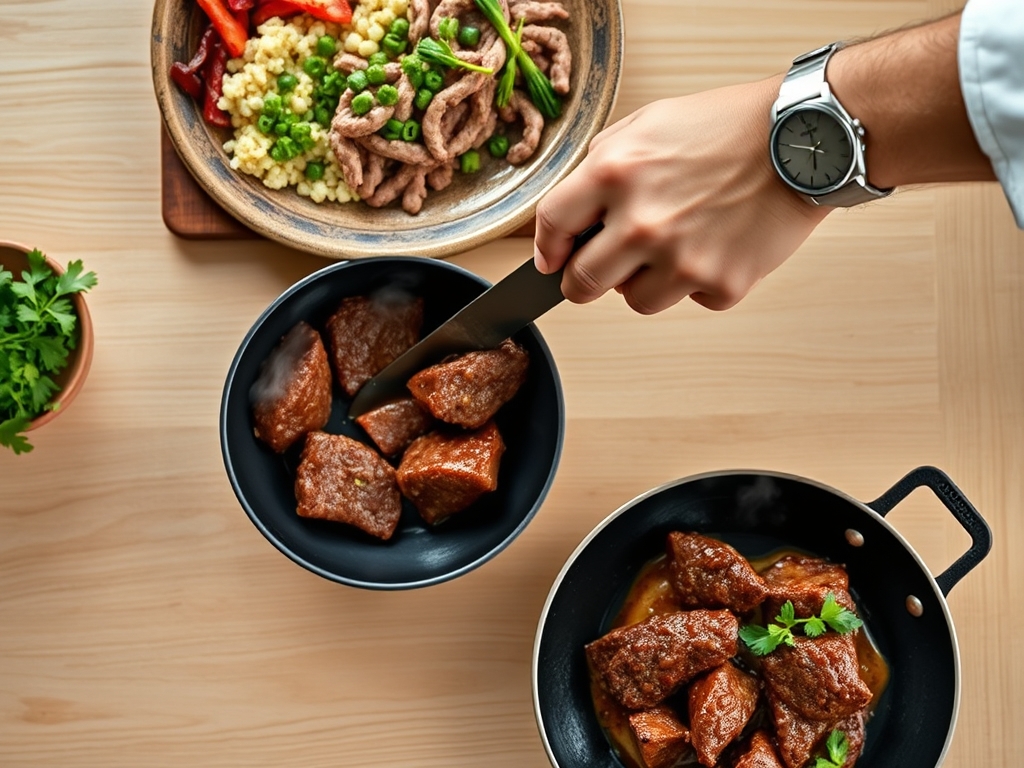
1. The Tempering Phase
Take your ground beef out of the refrigerator 15 minutes before cooking. Bringing the meat closer to room temperature prevents the muscle fibers from seizing up when they hit the heat.
Pro Tip: This is known as reducing the thermal gradient. A smaller temperature difference between the meat and the pan results in more even heat distribution and a more tender final product.
2. The High Heat Sear
Place your skillet over medium high heat until a drop of water flicked onto the surface dances and evaporates instantly. Add your avocado oil, then the beef. Do not touch it for at least three minutes.
Pro Tip: This patience facilitates enzymatic browning. If you move the meat too soon, you interrupt the formation of the crust, which is where 90 percent of the savory "umami" flavor lives.
3. The Deglaze and Emulsify
Once the beef is browned, remove it and look at the brown bits stuck to the bottom. This is "fond." Pour in a splash of bone broth or apple cider vinegar and use a wooden spoon to scrape it up.
Pro Tip: This technique, called deglazing, incorporates those caramelized proteins back into your sauce. The gelatin in the bone broth helps to emulsify the fats, creating a silky mouthfeel without the need for heavy cream.
4. The Aromatic Infusion
Lower the heat and add your microplaned aromatics like garlic, ginger, or shallots. Stir constantly for 60 seconds until they become fragrant but not burnt.
Pro Tip: Garlic contains allicin, which is activated by crushing. By adding it at the end, you preserve the heat sensitive compounds that provide both flavor and anti inflammatory benefits.
5. The Veggie Fold
Add your hard vegetables first, like carrots or broccoli florets, followed by leafy greens in the final two minutes of cooking.
Pro Tip: This prevents the greens from overcooking and becoming viscous or slimy. It also ensures the "carryover cooking" from the beef will perfectly steam the vegetables to an al dente texture.
The Deep Dive
When we look at the macro nutrition of these clean eating ground beef recipes, we are aiming for a high protein, moderate fat, and low glycemic load profile. A standard four ounce serving provides roughly 25 grams of bioavailable protein, essential for muscle repair and satiety.
Dietary Swaps: For a Keto version, serve your beef over cauliflower rice with extra avocado. For a Vegan alternative, crumbled tempeh or lentils can be treated with the same searing techniques, though you will need to add a splash of liquid smoke to mimic the beef's depth. If you are Gluten Free, ensure your spices are certified, as some bulk anti caking agents contain wheat derivatives.
The Fix-It:
- The Meat is Gray: This happens when the pan is too crowded. Fix it by removing half the meat and increasing the heat to boil off the excess moisture.
- The Dish is Too Salty: Do not add more water. Instead, add an acid like lemon juice or a splash of vinegar. The acid masks the salt perception on your tongue.
- The Beef is Tough: You likely overcooked it. Next time, use a digital thermometer to pull the beef off the heat at 155 degrees Fahrenheit; the thermal carryover will bring it to the safe 160 degree mark while it rests.
Meal Prep: To maintain "day-one" quality, reheat your beef in a saucier on the stovetop with a tablespoon of water or broth. This creates a mini steam chamber that rehydrates the proteins without making them rubbery, a common side effect of microwave radiation.
The Wrap-Up
Mastering clean eating ground beef recipes is the ultimate kitchen power move. It proves that you can be a health conscious individual without sacrificing the gourmet experience. By using professional tools like a heavy-bottomed skillet and understanding the chemistry of the Maillard reaction, you have turned a simple ingredient into a versatile powerhouse. Your fridge is now stocked with high protein, flavor forward meals that will make your future self very happy. Now, grab those tongs, plate your creation, and enjoy the fruits of your scientific labor!
The Kitchen Table
How do I keep ground beef from getting dry?
Avoid overworking the meat before cooking. Use a high heat sear to lock in juices and pull the meat off the heat at 155 degrees Fahrenheit. The internal temperature will rise to 160 degrees during the resting phase.
Is grass fed beef better for clean eating?
Yes, grass fed beef typically contains higher levels of Omega 3 fatty acids and CLA. It also has a more complex, earthy flavor profile compared to grain finished beef, making it ideal for minimalist, clean recipes.
Can I freeze these ground beef meals?
Absolutely. Store them in airtight glass containers to prevent freezer burn. When ready to eat, thaw in the refrigerator overnight and reheat in a skillet with a splash of broth to maintain the original texture and moisture levels.
What is the best way to drain excess fat?
Instead of rinsing the meat, which destroys flavor, tilt the skillet and use a metal spoon or a bulb baster to remove excess rendered fat. Leave about one tablespoon in the pan to help sauté your aromatics and vegetables.