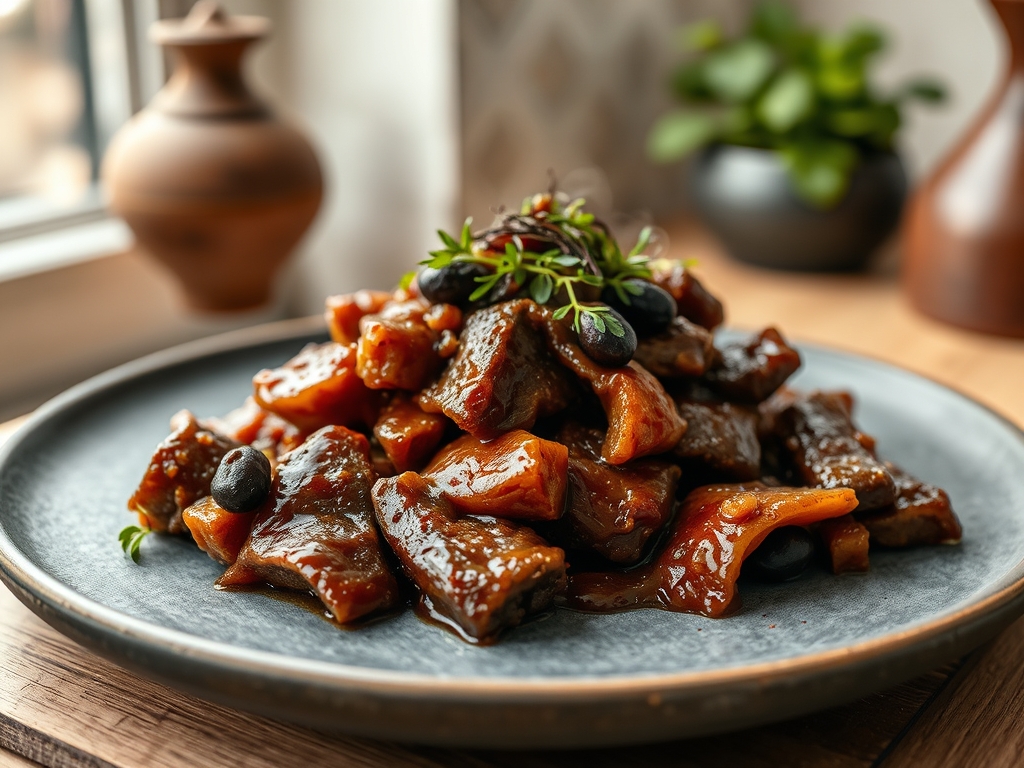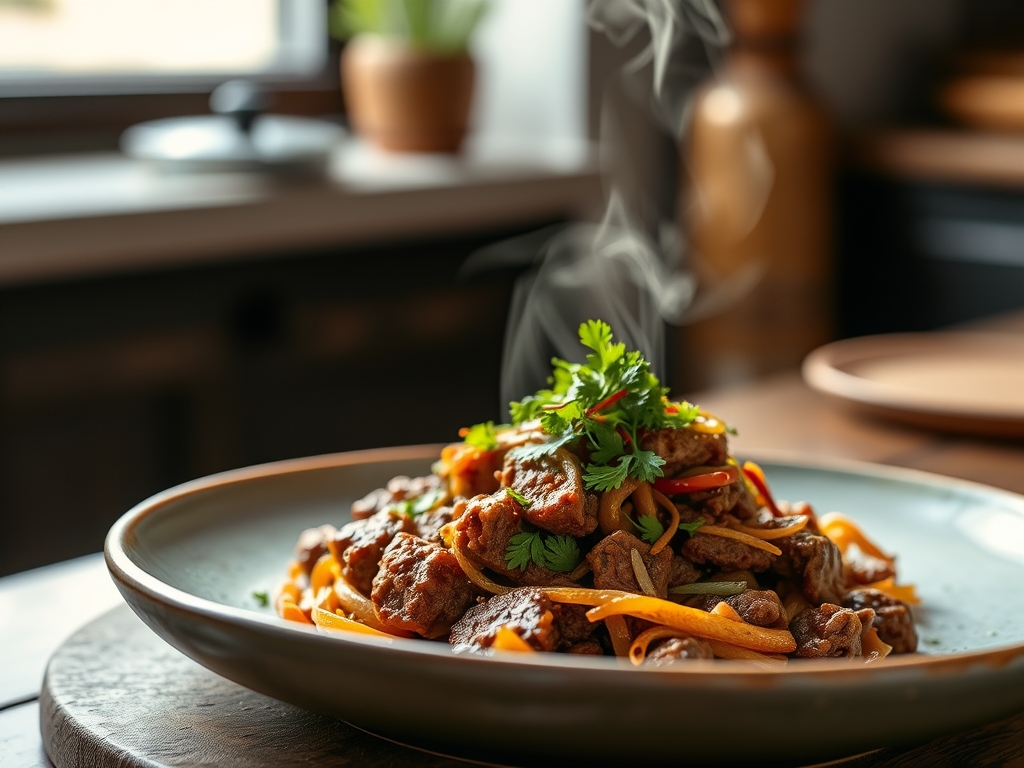
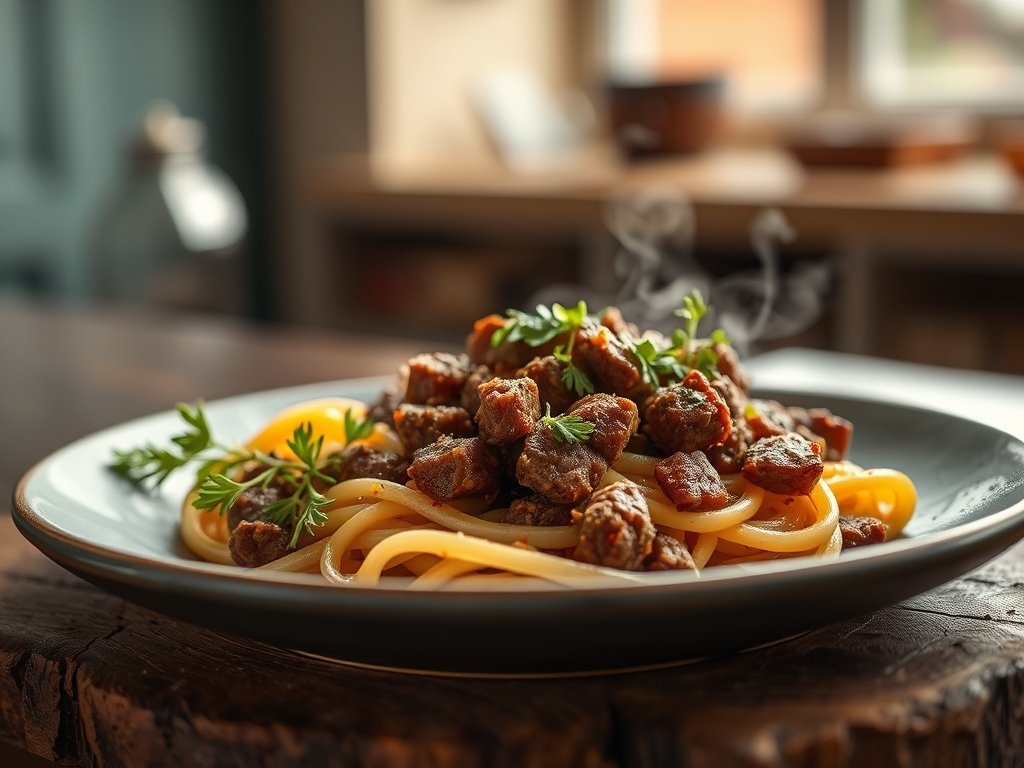
Sizzle is the universal language of a hungry kitchen. There is something primal and deeply satisfying about the sound of cold fat hitting a preheated heavy-bottomed skillet; it is the promise of a meal that prioritizes protein over filler. If you are tired of the heavy, gluten-laden slump that follows a traditional spaghetti night, you are in the right place. We are diving into high-protein, high-flavor ingredient ground beef recipes no pasta required to keep your energy stable and your palate thrilled. We are moving beyond the noodle and embracing the versatility of the grind. By focusing on the structural integrity of the beef itself, we can create textures that range from crispy, caramelized edges to tender, juice-laden centers. This is not just about cutting carbs; it is about elevating a humble staple into a culinary masterpiece using heat, acidity, and precision. Prepare to transform your weeknight routine into a savory masterclass of texture and taste.
The Gathers:
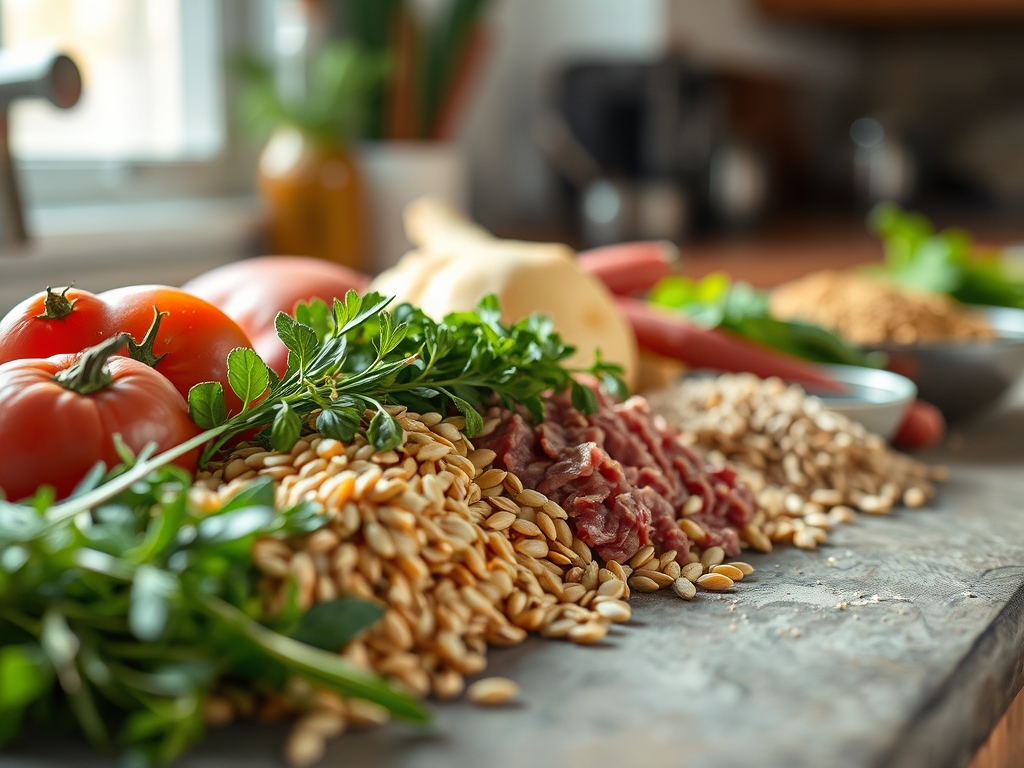
To execute these ingredient ground beef recipes no pasta style, your mise-en-place must be impeccable. Start with the beef: look for an 80/20 blend. The 20 percent fat content is non-negotiable for flavor because lipids carry aromatic compounds that lean meat simply cannot sustain. You will need a high-quality sea salt to facilitate osmosis and draw out moisture for a better sear. Reach for your microplane to grate fresh ginger and garlic; this increases the surface area, allowing the aromatics to melt into the rendering fat rather than burning in large chunks.
For smart substitutions, swap traditional flour thickeners for a xanthan gum slurry or a reduction of heavy cream to maintain a viscous mouthfeel without the starch. If you crave crunch, replace noodles with julienned daikon radish or flash-fried cabbage ribbons. These vegetables offer a structural "snap" that mimics al dente pasta while providing a neutral canvas for your sauces. Keep a bottle of high-quality fish sauce or liquid aminos nearby; these are "umami bombs" that deepen the savory profile of the beef through concentrated glutamates.
The Clock:
Efficiency in the kitchen is dictated by the "Chef's Flow." This is the art of overlapping tasks so that no heat is wasted. For these six recipes, prep time averages 15 minutes, while active cook time fluctuates between 10 and 20 minutes. The total "floor-to-table" time is roughly 35 minutes.
The secret to speed is the heavy-bottomed skillet. Because cast iron or heavy stainless steel has high thermal mass, it does not drop in temperature when you add the meat. This prevents the beef from "stewing" in its own juices, which is the primary cause of gray, rubbery meat. By maintaining a high, consistent heat, you achieve the Maillard reaction faster, cutting down your total time at the stove while maximizing the development of complex flavor molecules.
The Masterclass:
1. The Hard Sear and Render
Place your ground beef in a single layer in the hot pan. Do not move it. Use a bench scraper or a sturdy wooden spoon to break it into large shards, but leave them undisturbed for at least three minutes.
Pro Tip: This patience facilitates enzymatic browning. Moving the meat too early introduces steam, which lowers the surface temperature and prevents the formation of the savory crust known as the "fond."
2. Deglazing for Depth
Once the beef is browned, a brown film will form on the bottom of the pan. Pour in a splash of beef bone broth or dry white wine. Use your tongs to scrape those bits loose.
Pro Tip: This is deglazing. The liquid acts as a solvent, dissolving the caramelized proteins and incorporating them back into the meat, creating a self-made sauce that is naturally piquant and rich.
3. Infusing Aromatics
Push the meat to the perimeter of the pan, creating a "hot zone" in the center. Add your fats (butter or tallow) and your microplaned aromatics like garlic, shallots, or chili paste.
Pro Tip: Fat is a flavor carrier. By blooming your spices in the rendered beef fat before mixing them into the meat, you ensure the essential oils are evenly distributed throughout the entire dish.
4. Emulsifying the Sauce
If the recipe calls for a creamy element, add it now. Slowly whisk in your heavy cream or coconut milk using a saucier whisk to ensure a smooth transition.
Pro Tip: Emulsification is the process of joining fat and water. If your sauce looks broken or oily, a splash of pasta water (or in this case, a pinch of mustard powder) can act as a stabilizer to bring the texture back to a silky state.
5. Aerating the Greens
Fold in your vegetable bases, such as spinach, bok choy, or riced cauliflower. Toss them lightly just until they begin to wilt.
Pro Tip: Overcooking vegetables destroys their cellular structure. By using the residual heat of the beef (thermal carryover), you soften the fibers without turning the dish into a watery mess.
6. The Final Acid Balance
Just before serving, hit the pan with a squeeze of fresh lime or a teaspoon of apple cider vinegar.
Pro Tip: Acidity acts as a "brightness" corrector. It cuts through the heavy lipids of the ground beef, balancing the pH of the dish and making the individual flavors "pop" on your taste buds.
The Deep Dive:
From a macro perspective, these ingredient ground beef recipes no pasta versions are powerhouses. A standard serving provides approximately 30 grams of protein and 20 grams of healthy fats, with fewer than 10 grams of net carbohydrates. This ratio is ideal for maintaining ketosis or simply avoiding the mid-afternoon insulin spike.
For dietary swaps, vegans can substitute ground beef with a pea-protein crumble, though you must add a teaspoon of smoked paprika to mimic the "meaty" depth. For those who are strictly keto, ensure you are using grass-fed beef to optimize the Omega-3 to Omega-6 fatty acid ratio.
The Fix-It:
- Greasy Result: If your beef is swimming in oil, you likely didn't drain the fat before adding liquids. Fix: Use a turkey baster to remove excess grease mid-cook.
- Tough Meat: You likely over-handled the beef. Fix: Next time, do not "knead" the meat; keep the grind loose to allow heat to penetrate quickly.
- Bland Flavor: You missed the salt during the browning phase. Fix: Add a dash of soy sauce or Worcestershire at the end to provide instant salinity and depth.
For meal prep, reheating is a science. Ground beef can become dry in the microwave. To maintain "day-one" quality, add a tablespoon of water or broth to the container before heating. This creates a steam chamber that re-hydrates the protein fibers, keeping the meat tender rather than rubbery.
The Wrap-Up:
Ditching the pasta does not mean sacrificing the soul of your dinner. By mastering the science of the sear and the balance of aromatics, you turn a simple package of ground beef into a sophisticated, nutrient-dense feast. Whether you are using a digital scale to track your macros or just following your nose, these techniques ensure every bite is a celebration of culinary physics. Now, grab that skillet and get to work; your best meal is only twenty minutes away!
The Kitchen Table:
What is the best fat ratio for no-pasta beef recipes?
An 80/20 or 85/15 lean-to-fat ratio is ideal. The rendered fat provides the necessary moisture and flavor carrier that replaces the starchiness of pasta, ensuring the meat remains succulent and flavorful after searing.
How do I prevent ground beef from getting watery?
Do not overcrowd the pan. If you add too much meat at once, the temperature drops and the beef boils in its own moisture. Cook in batches and use a high-heat heavy-bottomed skillet to ensure immediate evaporation.
Can I freeze these beef meals for later?
Yes. Ground beef dishes without pasta freeze exceptionally well because there are no noodles to get mushy. Store in airtight containers for up to three months. Reheat with a splash of liquid to maintain the original texture.
What are the best vegetable substitutes for noodles?
Zucchini noodles, spaghetti squash, and thinly sliced cabbage are excellent. For a sturdier bite, try riced cauliflower or julienned daikon radish. These vegetables absorb the beef's savory juices without becoming soggy or losing their structural integrity.