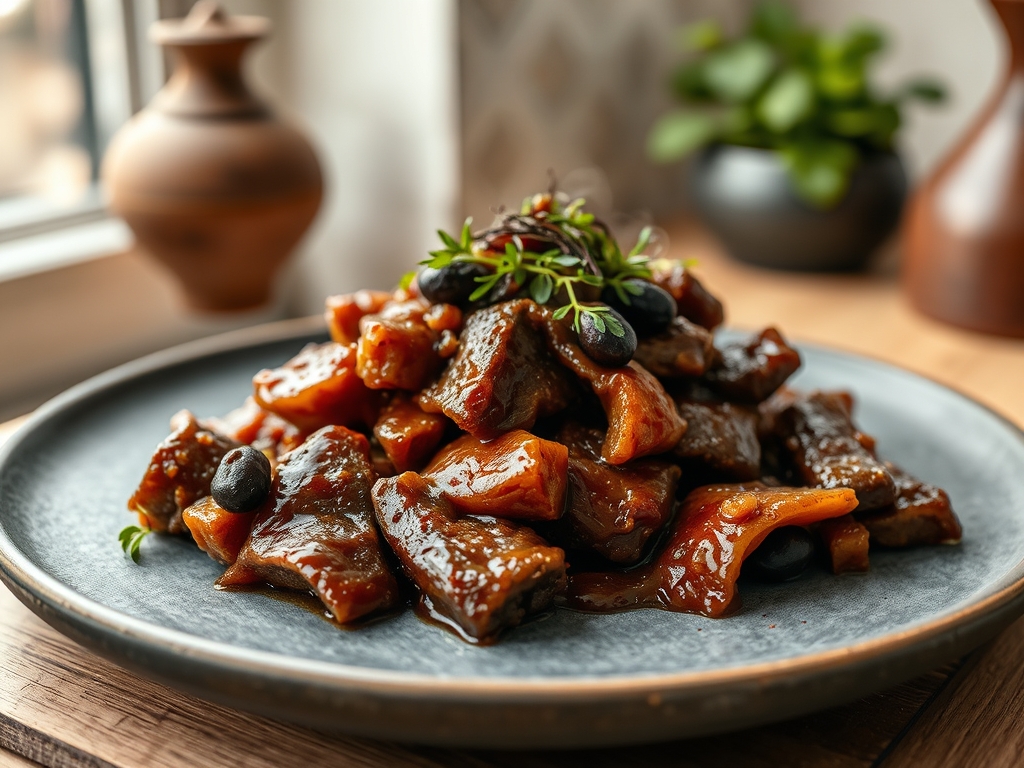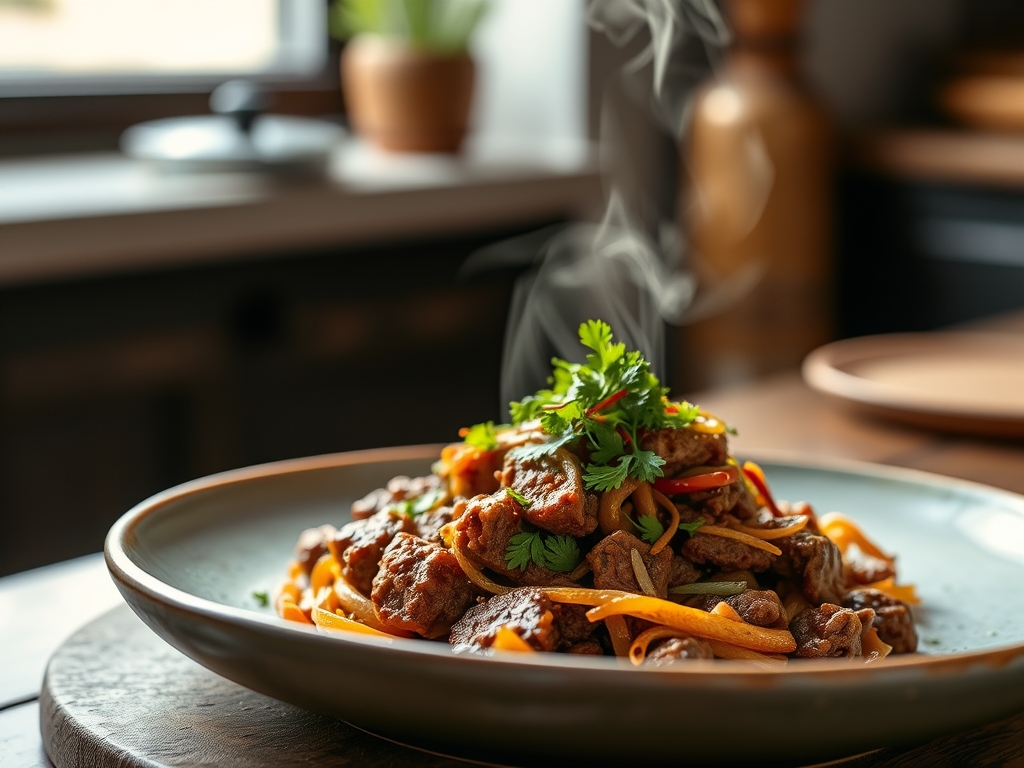
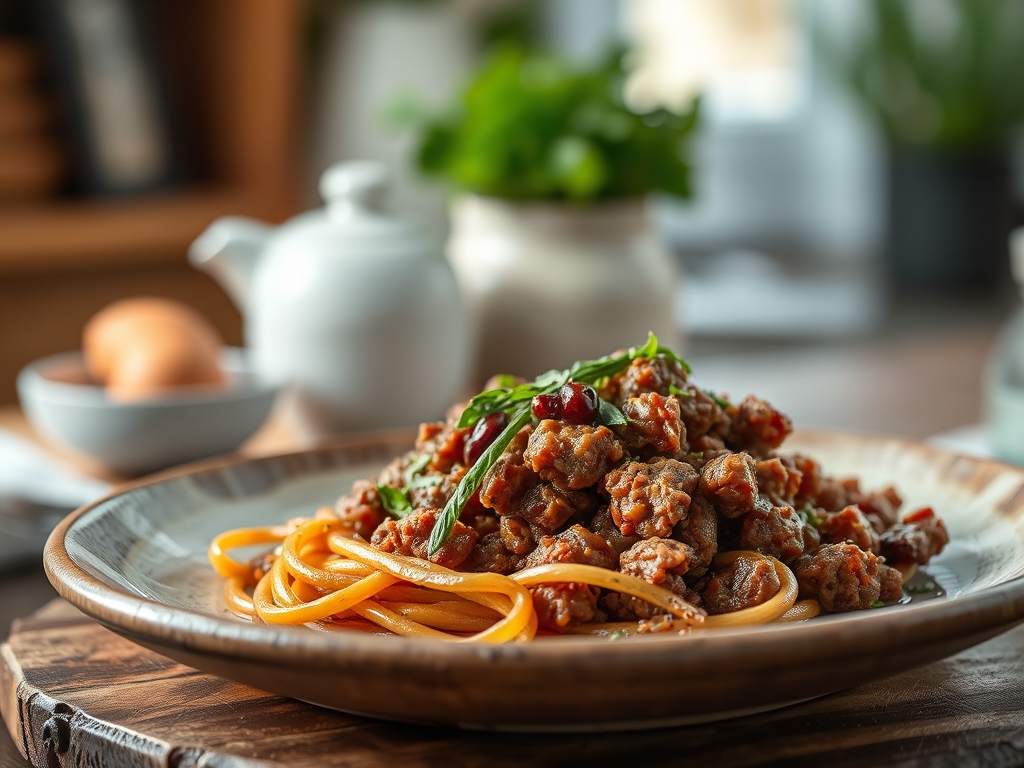
Picture this: a heavy-bottomed skillet screaming on the stovetop while the scent of rendering fat fills the air. It is the ultimate weeknight savior. When you are staring at a cold pack of protein, you need quick ground beef recipes with few ingredients that do not sacrifice flavor for speed. We are talking about high-octane, three-ingredient power moves that turn basic pantry staples into a five-star dinner before the timer hits fifteen minutes.
I have spent years obsessing over the molecular magic of the kitchen. I know that a simple sear is never just a sear; it is a complex chemical dance. Ground beef is the perfect canvas because it offers a high surface-area-to-volume ratio. This means more Maillard reaction per bite. We are going to strip away the fluff and focus on the core mechanics of heat, salt, and fat. Whether you are craving something piquant and spicy or rich and savory, these hacks use minimalist logic to achieve maximalist results. Grab your favorite wooden spoon and let us dive into the science of the sear.
The Gathers:
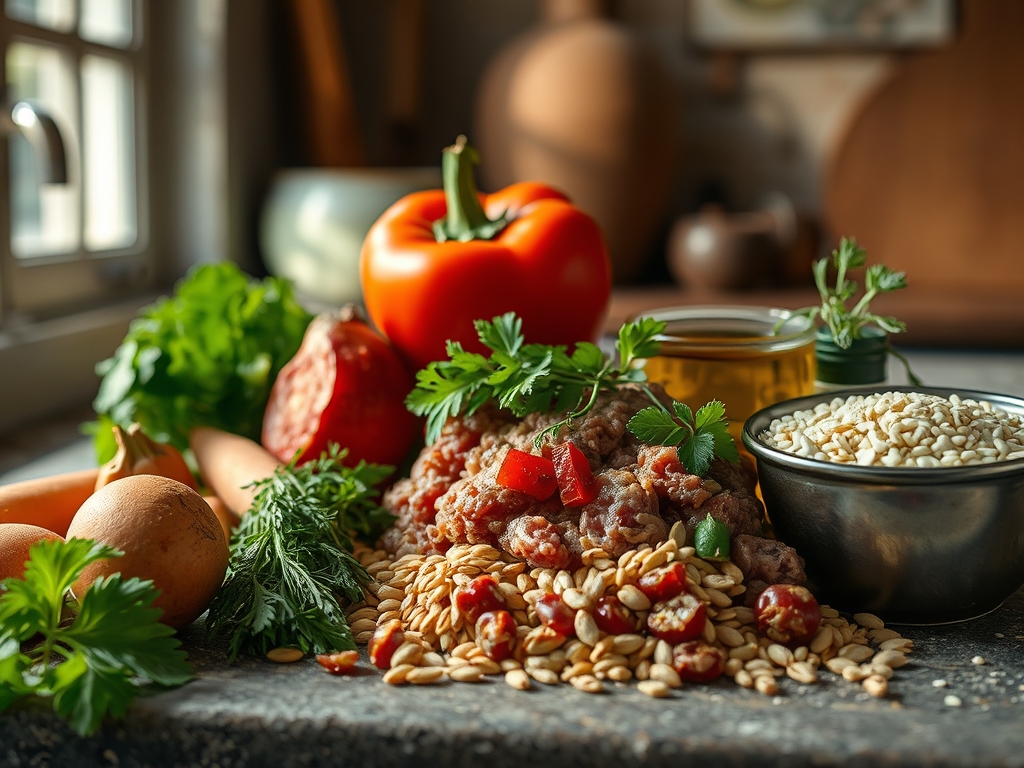
To master these quick ground beef recipes with few ingredients, your mise-en-place must be tight. We are looking for high-quality, 80/20 ground chuck. The 20 percent fat content is non-negotiable; it provides the lipid phase necessary to carry fat-soluble flavor compounds across your palate. You will also need a high-quality kosher salt, which has a jagged crystal structure that adheres better to muscle fibers than standard table salt.
For our six hacks, the secondary ingredients are power players. Think of concentrated umami sources like aged soy sauce, fermented chili paste (gochujang), or high-acid balsamic glaze. These ingredients act as catalysts, breaking down the richness of the beef while adding complex top notes.
Smart Substitutions:
If you are out of fresh aromatics, reach for high-potency powders. One teaspoon of garlic powder provides a more uniform distribution of flavor than three cloves of poorly chopped garlic. If you need to swap the beef, ground lamb offers a higher concentration of branched-chain fatty acids for a gamier, more robust profile. For a lighter touch, ground turkey works, but you must add a teaspoon of neutral oil to compensate for the lack of endogenous fats.
The Clock
The "Chef's Flow" is all about overlapping tasks to minimize downtime. In a professional kitchen, we call this parallel processing. For these recipes, the total active time is exactly 12 minutes.
Prep Time: 3 Minutes. This is your "set" phase. You are weighing your beef on a digital scale and measuring your liquid components into a small saucier or ramekin.
Cook Time: 9 Minutes. This is divided into the "sear" (5 minutes), the "incorporation" (2 minutes), and the "rest" (2 minutes).
By the time your skillet is up to temperature, your ingredients should be lined up like soldiers. Never crowd the pan. If you drop a pound of cold meat into a small pan, the temperature will plummet, causing the meat to steam in its own juices rather than sear. Work in batches if necessary to maintain that critical 300-degree surface temp.
The Masterclass
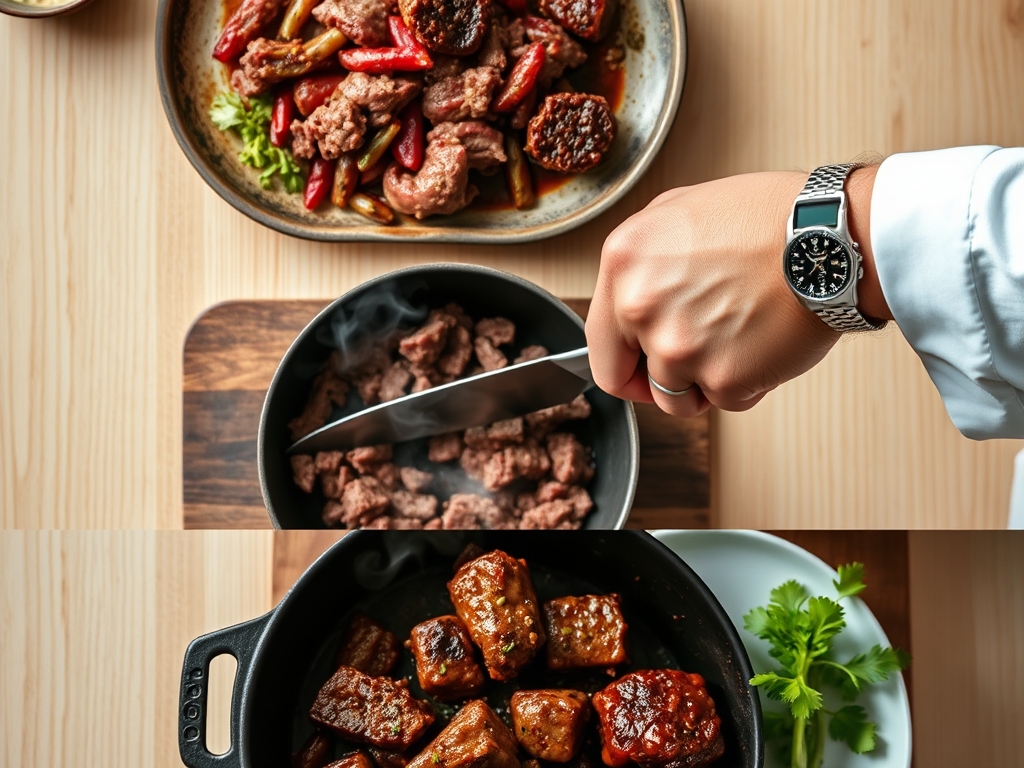
1. The Umami Bomb: Beef + Soy + Honey
Place your heavy-bottomed skillet over high heat until it wisps with smoke. Add the beef and use a bench scraper or stiff spatula to press it flat. Once a deep crust forms, swirl in a 2:1 ratio of soy sauce and honey. The sugars will rapidly caramelize, creating a viscous glaze that clings to every cranny.
Pro Tip: This relies on adsorption, where the liquid glaze creates a thin film over the solid beef. The salt in the soy sauce also denatures the proteins, making the meat feel more tender on the tongue.
2. The Piquant Kick: Beef + Gochujang + Scallions
Brown the beef thoroughly, then deglaze the pan with two tablespoons of gochujang. The fermented peppers provide a deep, earthy heat that cuts through the tallow. Toss in a handful of sliced scallions at the very last second to preserve their volatile oils.
Pro Tip: Gochujang contains enzymes from fermentation that act as a flavor enhancer, stimulating your umami receptors more intensely than salt alone.
3. The Mediterranean Fold: Beef + Feta + Spinach
Cook the beef until it is 90 percent done, then fold in fresh baby spinach and crumbled feta. The residual heat will wilt the spinach and soften the cheese without turning it into a puddle.
Pro Tip: This utilizes thermal carryover. Even after you kill the heat, the internal temperature of the beef continues to rise, perfectly steaming the spinach without destroying its cellular structure.
4. The Sticky Balsamic: Beef + Balsamic Glaze + Rosemary
Sear the beef until crispy. Add a generous drizzle of balsamic glaze and a sprig of bruised rosemary. The acidity in the vinegar acts as a bright counterpoint to the heavy saturated fats in the beef.
Pro Tip: The acetic acid in the vinegar helps to break down any tough connective tissues remaining in the ground meat, resulting in a "cleaner" mouthfeel.
5. The Taco Minimalist: Beef + Salsa Verde + Cilantro
Skip the dry spice packets. Use a high-quality, fire-roasted salsa verde as your primary seasoning. The tomatillos provide pectin, which helps thicken the juices into a luscious sauce.
Pro Tip: The pectin in the salsa acts as a natural emulsifier, binding the rendered beef fat and the water-based salsa into a stable, silky sauce.
6. The French Bistro: Beef + Dijon + Thyme
Brown the beef and whisk in a tablespoon of Dijon mustard and fresh thyme. The mustard provides a sharp, mustard-oil heat that is vastly different from chili heat, offering a sophisticated, "grown-up" flavor profile.
Pro Tip: Mustard is a powerful emulsifier due to the mucilage in the seeds. It binds the pan juices together, preventing the "greasy" look common in ground beef dishes.
The Deep Dive
Macro Nutrition:
A standard 4-ounce serving of 80/20 ground beef provides roughly 280 calories, 20 grams of protein, and 22 grams of fat. By keeping the ingredients minimal, we avoid hidden sugars and fillers found in pre-packaged sauces.
Dietary Swaps:
For a Keto-friendly version, ensure your glazes (like balsamic or honey) are swapped for apple cider vinegar or a monk-fruit-based sweetener. For a Vegan alternative, use a pea-protein crumble. Note that plant-based proteins do not render fat, so you must add two tablespoons of coconut oil to mimic the "juiciness" of beef.
The Fix-It:
- Gray Meat: If your beef looks gray, you crowded the pan. Fix it by removing half the meat and cranking the heat to "flash sear" the remainder.
- Too Salty: If you over-seasoned, add a splash of heavy cream or a squeeze of lime. The fat or acid will mask the sodium perception.
- Greasy Finish: If the fat is pooling, use a crumpled paper towel held with tongs to blot the excess before adding your final sauce.
Meal Prep Science:
When reheating, avoid the microwave if possible. The high-frequency waves vibrate water molecules, often "steaming" the beef from the inside out and making it rubbery. Instead, use a saucier over medium heat with a tablespoon of water to create a steam-jacket effect, restoring the original texture.
The Wrap-Up
Mastering quick ground beef recipes with few ingredients is about understanding that less is often much more. By focusing on high-heat techniques and smart ingredient pairings, you can create meals that taste like they took hours in a fraction of the time. Remember to trust your senses; listen for the sizzle, watch for the deep mahogany crust, and smell the transformation of sugars and proteins. You have the tools and the science; now go dominate your kitchen.
The Kitchen Table
Can I use frozen ground beef for these recipes?
Yes, but you must defrost it completely in the refrigerator first. Excess moisture from ice crystals will prevent the Maillard reaction, leading to gray, boiled-looking meat rather than a crispy, flavorful sear.
What is the best pan for browning beef?
A heavy-bottomed cast iron or stainless steel skillet is best. These materials have high thermal mass, meaning they hold heat better when the cold meat hits the surface, ensuring a superior crust.
How do I know when the beef is fully cooked?
Ground beef should reach an internal temperature of 160 degrees Fahrenheit. Visually, look for a uniform brown color with no traces of pink, though the texture and "snap" of the meat are better indicators of doneness.
Why does my ground beef release so much water?
This usually happens if the beef was previously frozen or if the pan isn't hot enough. The heat must be high enough to evaporate moisture instantly so the meat can begin to fry in its own fat.