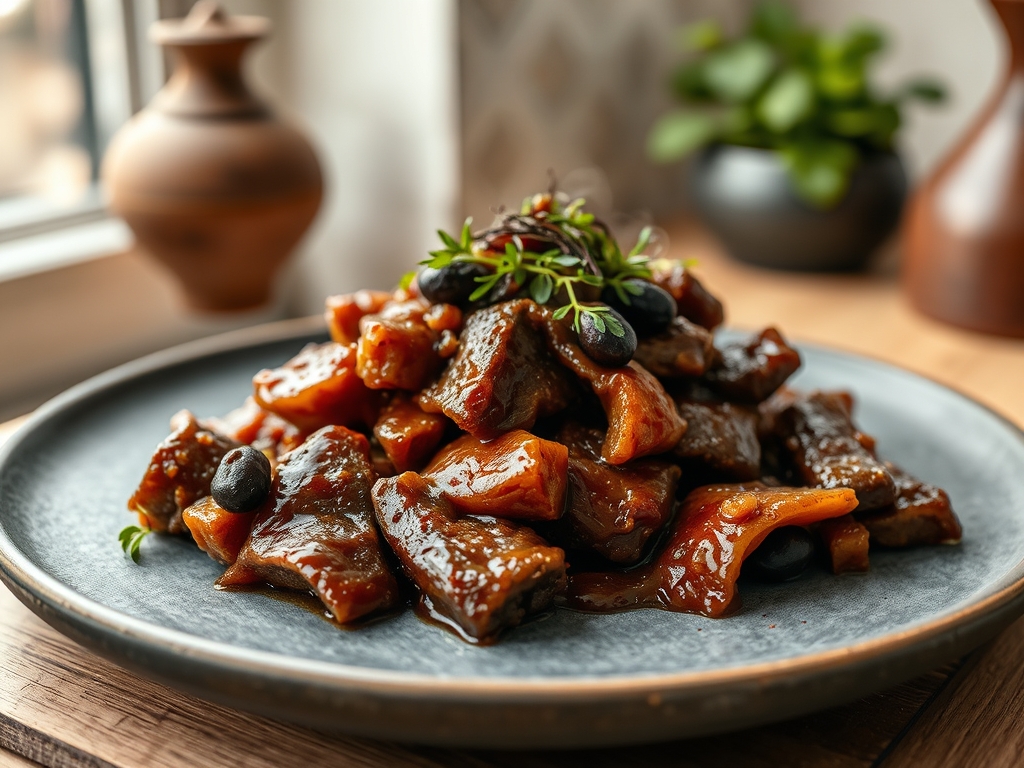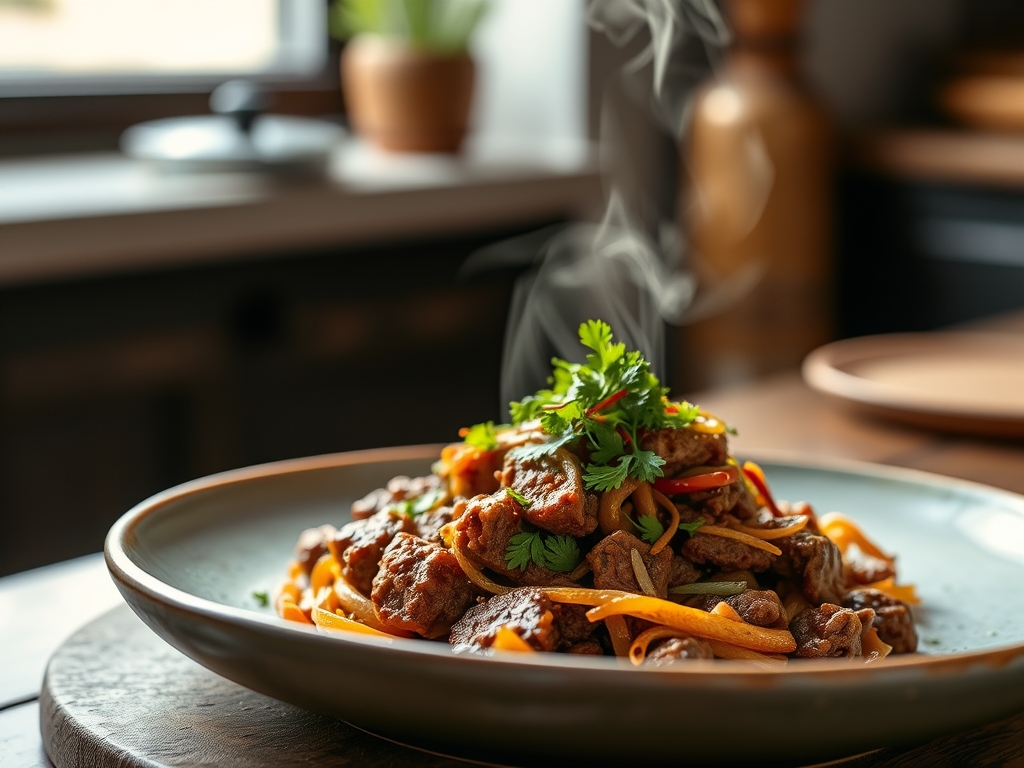
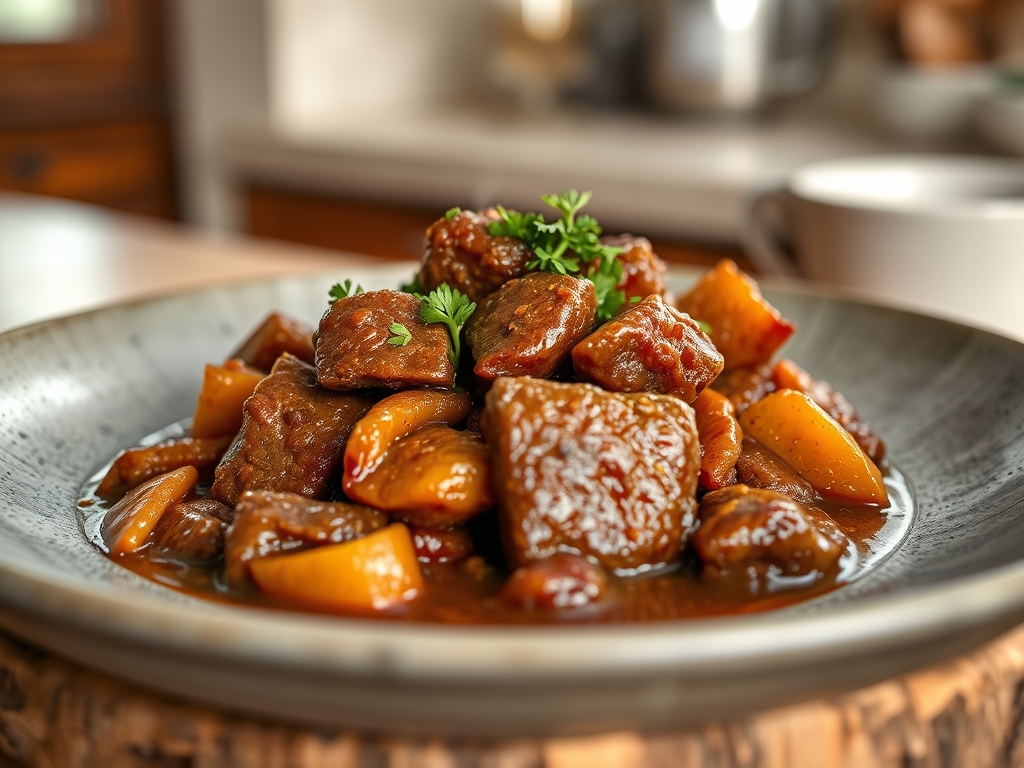
The scent of a heavy pot simmering on the back burner is the universal language of home. It is a thick, fragrant fog that coats the windows and promises a kind of comfort that only soul food stew beef recipes can provide. This is not just a meal; it is a slow-motion transformation of tough, fibrous muscle into velvet. We are talking about a rich, viscous gravy that clings to the back of a spoon and beef that yields at the mere suggestion of a fork. To get there, we have to move past basic boiling and enter the realm of precision chemistry. This is where we turn cheap cuts into liquid gold through patience and a few professional secrets.
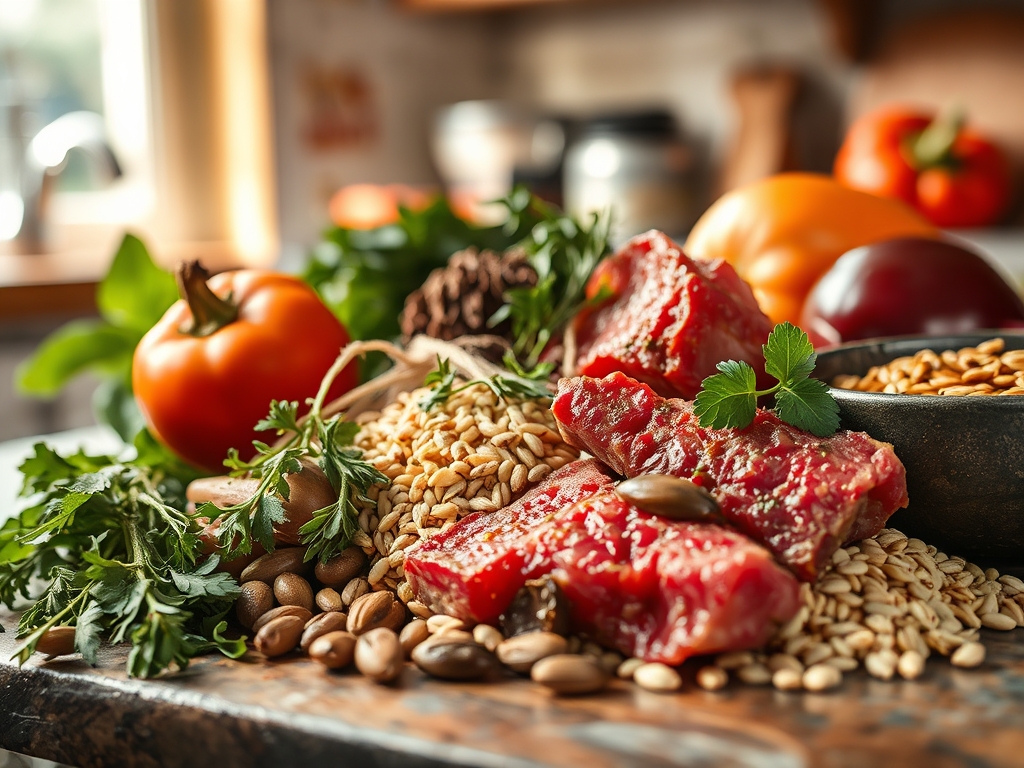
The Gathers:
To achieve a masterpiece, your mise-en-place must be flawless. Start with three pounds of chuck roast, cubed into uniform two-inch pieces. Chuck is non-negotiable because its high collagen content is the engine of the stew. You will need a quart of high-quality beef bone broth, which provides the gelatinous body that water simply cannot replicate. For the aromatic base, gather three large carrots, two stalks of celery, and one massive yellow onion. These should be chopped with a sharp chef knife to ensure even cooking.
Your pantry needs to yield the "holy trinity" of depth: Worcestershire sauce, tomato paste, and a splash of red wine vinegar to provide a piquant counterpoint to the heavy fats. For the herbs, stick to the classics of thyme and bay leaves.
Smart Substitutions: If you are out of tomato paste, use a tablespoon of sun-dried tomato pesto for an extra umami punch. If you lack red wine vinegar, a splash of balsamic works wonders to brighten the profile. Instead of standard flour for the roux, you can use arrowroot powder if you need a glossier, gluten-free finish.
The Clock
The "Chef's Flow" is all about managing your thermal energy. Expect 30 minutes for prep, which includes trimming the silver skin off the beef and dicing your aromatics. The active cooking time is another 20 minutes for searing and deglazing. However, the real magic happens during the 2.5 to 3 hours of low-and-slow simmering. This is a non-linear process. You are waiting for the internal temperature of the beef to reach about 205 degrees Fahrenheit, which is the "sweet spot" where collagen melts into gelatin. Rushing this process results in "rubber beef" because the muscle fibers tighten before the connective tissue can liquefy.
The Masterclass
1. The Dry Brine and Sear
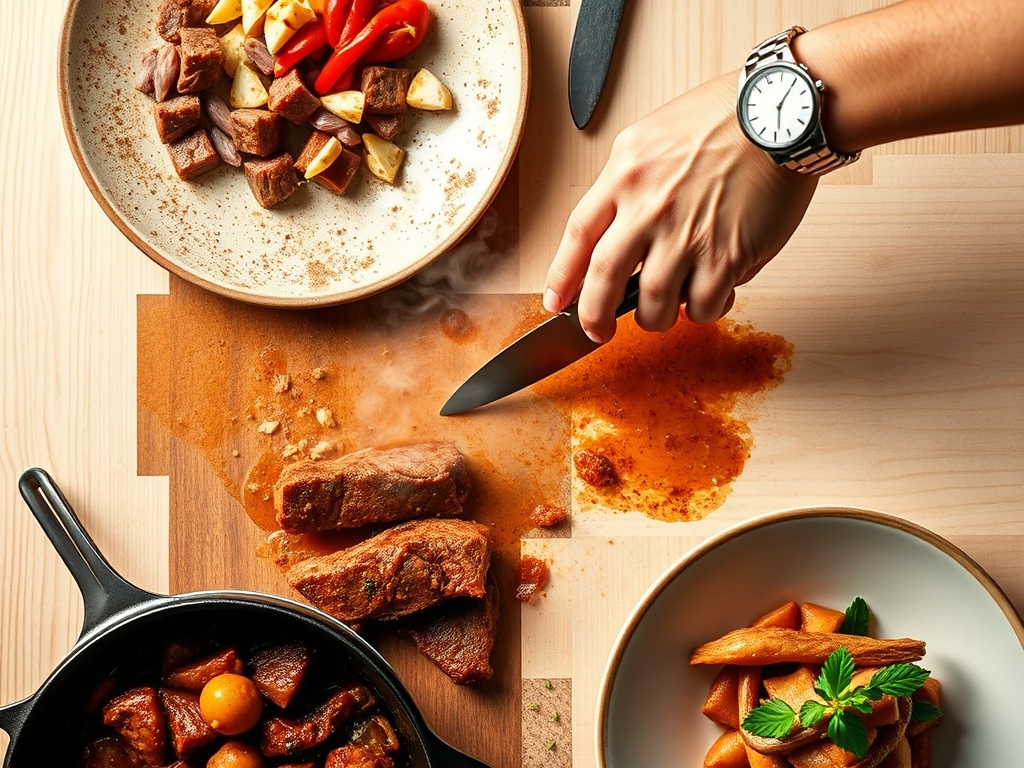
Pat your beef cubes bone-dry with paper towels and season them generously with kosher salt. Heat a heavy-bottomed skillet or a Dutch oven over medium-high heat with a high-smoke-point oil like avocado oil. Sear the beef in batches, ensuring you do not crowd the pan.
Pro Tip: This relies on the Maillard Reaction, a chemical reaction between amino acids and reducing sugars that creates hundreds of different flavor compounds. If the meat is wet, it will steam rather than sear, robbing you of that deep, savory crust.
2. The Fond Management
Once the beef is browned, remove it with tongs and look at the bottom of your pot. Those brown bits are called the fond. Add your diced onions and celery, using the moisture they release to loosen those bits.
Pro Tip: This is the process of deglazing. The fond contains concentrated flavor molecules that, when re-incorporated into the liquid, create a complex flavor profile that a bouillon cube can never mimic.
3. The Tomato Paste Toast
Clear a small circle in the center of your vegetables and drop in two tablespoons of tomato paste. Let it cook for two minutes until it turns a dark, rusty brick red.
Pro Tip: This is called pincage. Toasting the paste caramelizes the sugars and removes the metallic "tinny" taste of raw canned tomatoes, adding a mellow sweetness and a rich, dark color to your gravy.
4. The Flour Veil
Sprinkle two tablespoons of all-purpose flour over the vegetables and stir constantly for two minutes. You are looking to coat every piece of vegetable in a thin, blonde roux.
Pro Tip: Cooking the flour is essential to neutralize the "raw grain" flavor. The starch granules will later swell and burst in the hot liquid, creating a stable emulsion that thickens the stew without it becoming clumpy.
5. The Liquid Integration
Slowly pour in your bone broth and a splash of red wine. Use a saucier whisk or a wooden spoon to scrape the bottom of the pot vigorously. Add the beef back in along with any accumulated juices.
Pro Tip: Those "accumulated juices" on the plate are rich in myoglobin. Never discard them. They contain the essence of the beef flavor and should be poured right back into the pot to enhance the broth.
6. The Low and Slow Simmer
Bring the liquid to a gentle boil, then immediately drop the heat to the lowest setting. Cover the pot with a tight-fitting lid. The liquid should barely "smile," meaning only one or two bubbles break the surface every few seconds.
Pro Tip: Maintaining a low temperature prevents protein denaturation from happening too quickly. If the liquid boils hard, the muscle fibers will contract into tight, dry knots that even a long cook time cannot fix.
7. The Root Vegetable Entry
Add your carrots and potatoes only in the last 45 minutes of cooking. If you add them at the beginning, they will turn into a structural mush before the beef is tender.
Pro Tip: Potatoes act as a secondary thickener. As they cook, they release amylose starch into the liquid, which further stabilizes the viscosity of your soul food stew beef recipes.
8. The Final Brightening
Just before serving, stir in a teaspoon of red wine vinegar and a handful of fresh parsley. Taste for salt and adjust.
Pro Tip: This is about acid balance. The long cook time creates a lot of heavy, fatty notes. A hit of acid at the end "lifts" the flavors, making the savory notes pop on your palate by cutting through the richness.
The Deep Dive
Macro Nutrition: A standard serving of this stew provides approximately 35 grams of protein and 25 grams of fat. It is a powerhouse of iron and zinc, especially if you use grass-fed chuck.
Dietary Swaps: For a Keto version, omit the flour and potatoes; use xanthan gum to thicken and radishes or cauliflower as a potato substitute. For Vegan guests, replace beef with "meaty" king oyster mushrooms and use a mushroom-based dashi instead of beef broth. For Gluten-Free, use a 1:1 GF flour blend or cornstarch slurry.
The Fix-It:
- Too Salty: Do not add water. Instead, add a peeled, halved raw potato and simmer for 15 minutes; the potato will absorb excess salt.
- Too Thin: Mix a tablespoon of softened butter with a tablespoon of flour (a beurre manie) and whisk it into the boiling stew.
- Beef is Tough: It simply hasn't cooked long enough. If the liquid is disappearing, add a splash more broth and keep simmering.
Meal Prep: Stew is better on day two because of aromatic diffusion. As the stew cools, the flavor molecules continue to migrate into the meat. When reheating, use a low flame and add a tablespoon of water to loosen the gelatin back into a silky gravy.
The Wrap-Up
Mastering soul food stew beef recipes is a rite of passage for any serious home cook. It requires you to respect the science of heat and the patience of time. When you lift that lid and see that shimmering, dark mahogany sauce and meat that falls apart with a gentle nudge, you know you have done it right. This is soul on a plate; a warm hug in a bowl that proves the best things in life cannot be rushed. Grab your favorite heavy pot and start searing; your kitchen is about to become the best-smelling place on earth.
The Kitchen Table
What is the best cut of meat for beef stew?
The chuck roast is the gold standard. It contains the perfect ratio of fat and connective tissue. As it simmers, the collagen breaks down into gelatin, creating a tender texture and a naturally thick, rich gravy.
Why is my stew beef still tough after two hours?
It likely needs more time or a lower temperature. Toughness occurs when connective tissues haven't fully liquefied. Ensure the liquid is at a very low simmer and continue cooking until the meat is fork-tender.
Can I make beef stew in a slow cooker?
Yes, but you must sear the meat in a heavy-bottomed skillet first. Slow cookers do not reach temperatures high enough for the Maillard reaction, so skipping the sear results in a gray, flavorless stew.
How do I make my stew gravy thicker?
You can use a beurre manie (equal parts butter and flour) or a cornstarch slurry. Alternatively, mash a few of the cooked potatoes directly into the broth to release their natural starches for a rustic thickness.
How long does beef stew last in the fridge?
Beef stew stays fresh for three to four days in an airtight container. In fact, the flavor often improves after 24 hours as the spices and aromatics have more time to fully infuse the meat and vegetables.