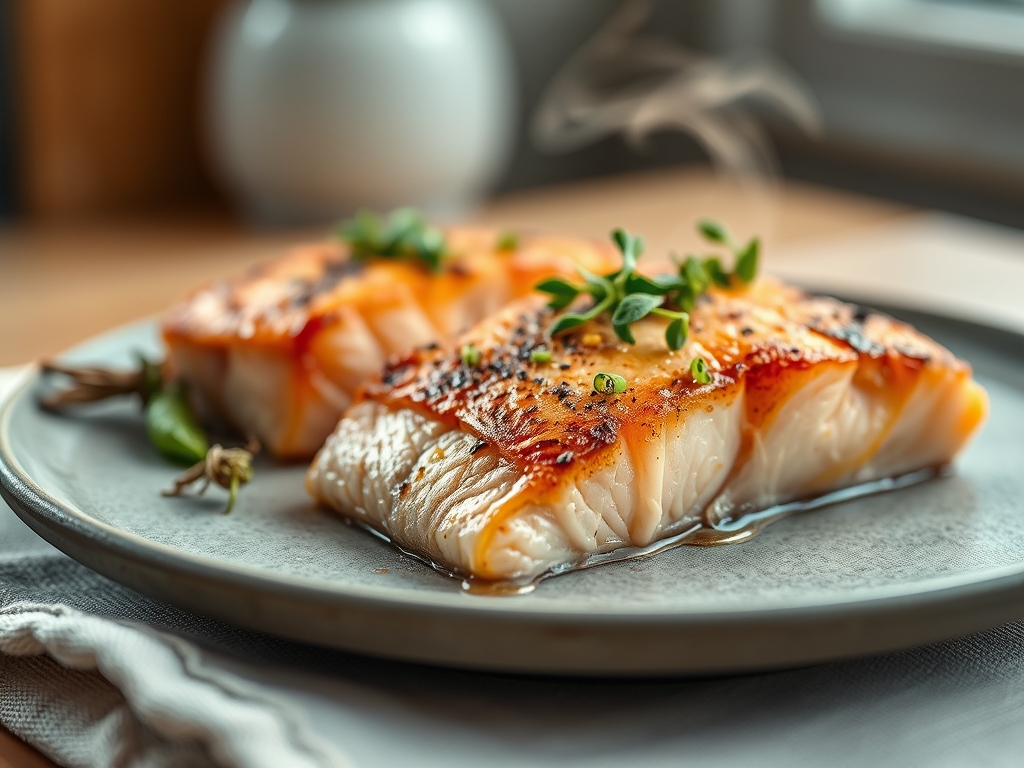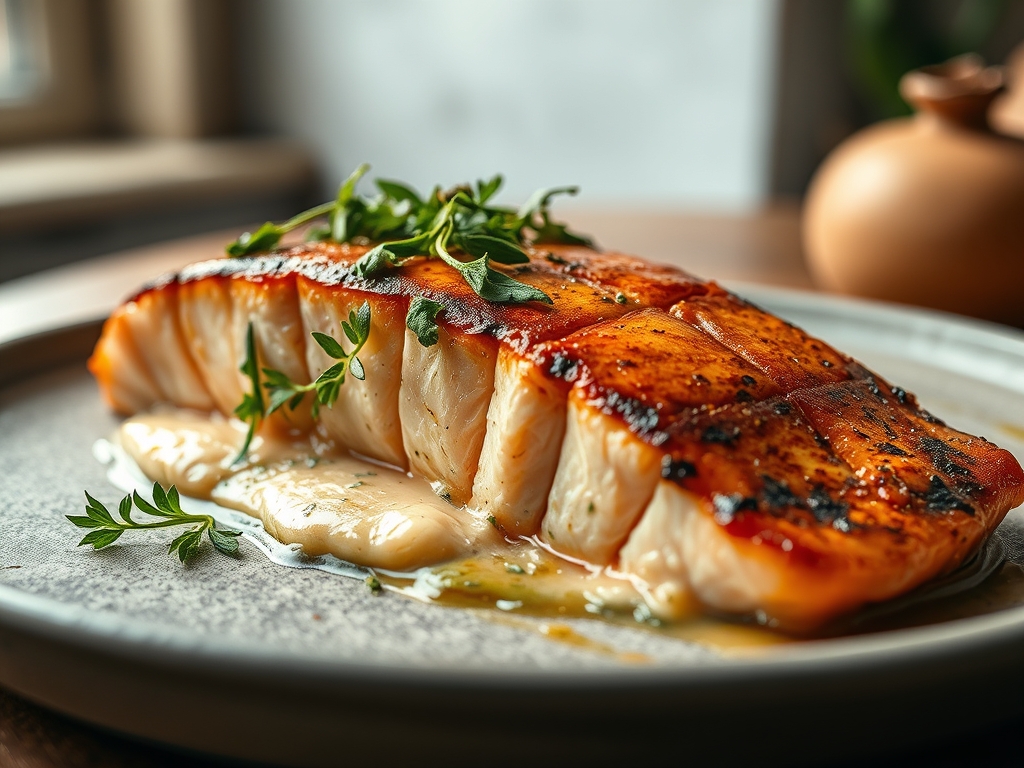
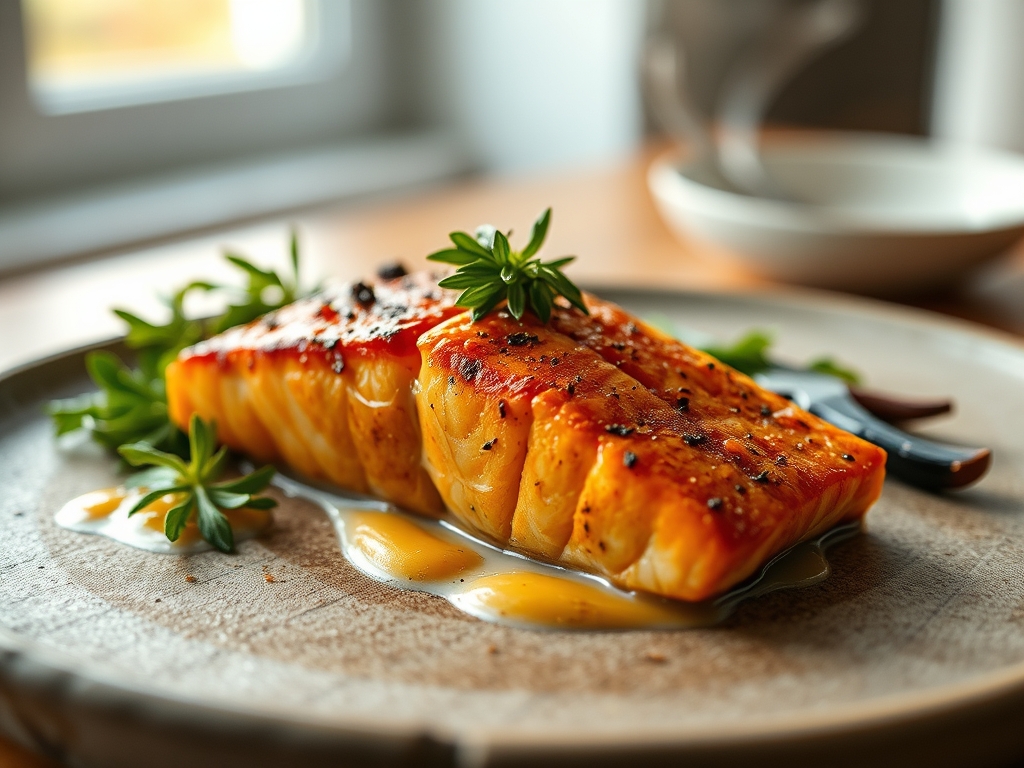
Picture this: you are staring at a humble tin in your pantry while the clock ticks toward six. It is unassuming and metallic; yet, it holds the secret to a high protein masterpiece. Finding reliable can salmon recipes for dinner is about more than just convenience. It is about unlocking the rich, fatty acids and delicate textures that rival a fresh fillet when treated with scientific precision. We are going to transform that shelf-stable staple into a five star meal that feels intentional rather than accidental.
The magic of canned salmon lies in its preservation. Because it is processed at high heat within the can, the bones become soft and calcium rich, while the natural oils are sealed in a vacuum. This creates a canvas that is ready for bold acids and high heat searing. We are moving beyond the basic patty; we are diving into a world of crispy textures, vibrant aromatics, and emulsified sauces that will make your family forget they are eating from a cupboard find. Let us grab our aprons and get technical.
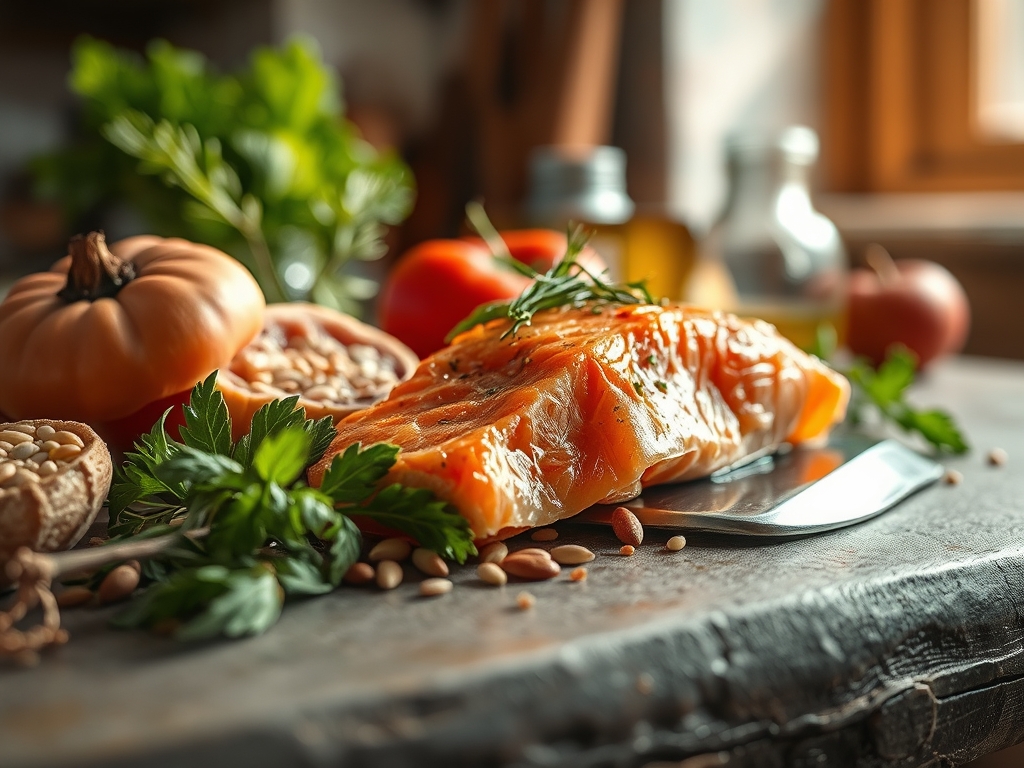
The Gathers:
To execute these can salmon recipes for dinner, your mise-en-place must be exact. Start with high quality wild caught pink or sockeye salmon. You will need a microplane to zest lemons, which provides the essential oils needed to cut through the fish's natural lipids. Gather panko breadcrumbs for their high surface area to volume ratio; this ensures maximum crunch. You will also need "the aromatics": finely diced shallots, garlic, and fresh dill.
For the binding agents, keep heavy cream and large eggs at room temperature to ensure a stable emulsion. A viscous binder like Dijon mustard adds a piquant kick while acting as a surfactant to keep your mixtures from crumbling. If you need smart substitutions, swap panko for crushed pork rinds to keep it keto, or use a flax egg for a binder if you are avoiding poultry products. Always have a high smoke point oil like avocado oil ready for the sear.
The Clock:
Mastering the "Chef's Flow" is about overlapping tasks to minimize downtime. Your total preparation time for these dishes should hover around fifteen minutes, with a cook time of ten to twelve minutes. The secret is the "Rest and Prep" method. While your salmon mixture hydrates and the starches in your binder swell, you should be deglazing your pan or whisking your side dressing.
The thermal transition is quick. Because canned salmon is technically pre-cooked, your goal is not to cook the protein, but to achieve the Maillard reaction on the exterior while warming the interior to an ideal 145 degrees Fahrenheit. This allows you to get a meal on the table in under thirty minutes without sacrificing the structural integrity of the fish.
The Masterclass:
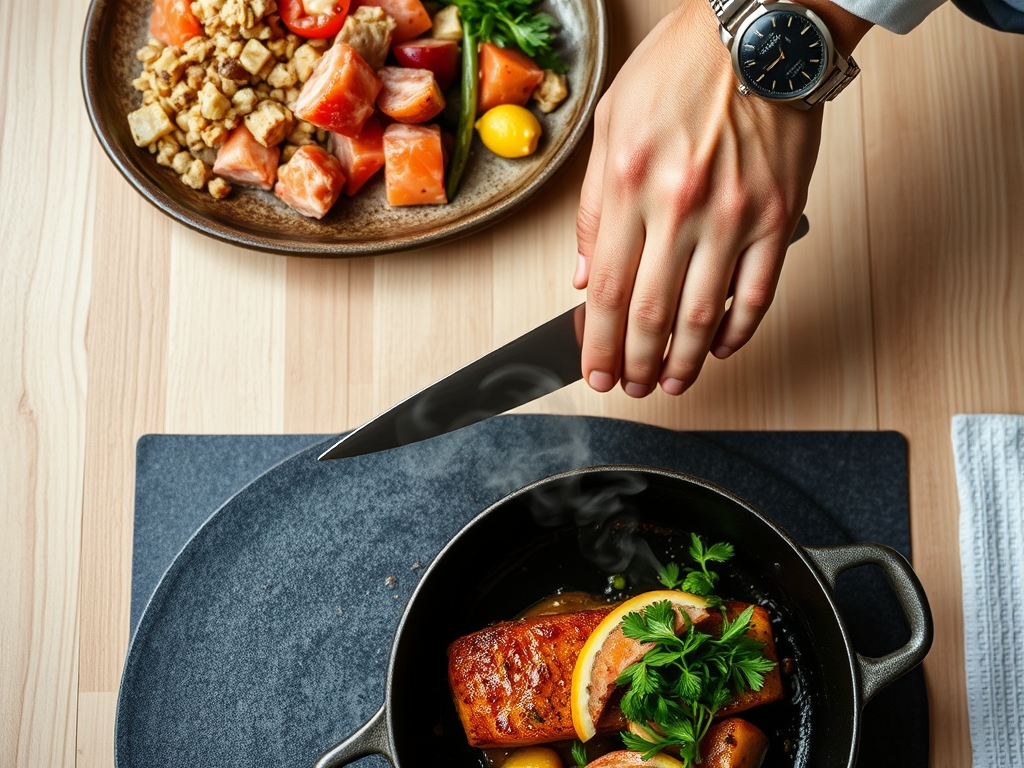
1. The Proper Drain and Flake
Open your tins and drain the liquid, but do not squeeze the life out of the meat. Use a bench scraper or a fork to gently flake the salmon into large chunks. Keeping the flakes substantial ensures a better mouthfeel in the final dish.
Pro Tip: This stage is about moisture management. Retaining a small amount of the canning liquid provides natural collagen which helps the mixture bind without becoming dry.
2. Aerating the Aromatics
Whisk your eggs and mustard in a saucier until they are frothy. Slowly fold in your herbs and zest. This aerates the binder, ensuring that the heavy salmon flakes stay light and airy rather than dense and "rubbery."
Pro Tip: Mixing your seasonings into the liquid binder first ensures an even distribution of flavor molecules, preventing "salt pockets" in your final cakes or pastas.
3. The Hydration Rest
Once you combine your salmon with your dry binders like panko or flour, let the mixture sit for five minutes. This allows the dry particles to absorb the moisture from the eggs and fish, creating a cohesive mass that will not fall apart in the pan.
Pro Tip: This is a lesson in starch hydration. Giving the gluten or starches time to bond prevents the "falling apart" phenomenon common in rushed seafood cakes.
4. Precision Searing
Heat a heavy-bottomed skillet over medium high heat until the oil shimmers. Use a digital scale to portion your cakes for even cooking. Place them gently in the pan and do not move them for at least three minutes.
Pro Tip: Moving the food too early interrupts the formation of the crust. The protein needs uninterrupted contact with the heat to undergo the Maillard reaction, which creates those complex, savory flavors.
5. The Gentle Flip
Use a thin metal spatula or tongs to flip the salmon once a golden crust has formed. The internal temperature will rise quickly through thermal carryover, so once the second side is browned, remove from heat immediately.
Pro Tip: Thermal carryover means the internal temperature will continue to rise by 5 degrees after leaving the pan. Pulling them early keeps the center moist.
The Deep Dive:
From a macro perspective, canned salmon is a nutritional powerhouse. It is loaded with Omega-3 fatty acids (EPA and DHA) which are essential for brain health. A single serving provides roughly 20 grams of protein and a significant dose of Vitamin D. For those with dietary restrictions, these recipes are incredibly flexible. To make them gluten free, simply swap breadcrumbs for almond meal. For a dairy free version, use an avocado oil based mayonnaise instead of cream.
If you hit a snag, remember "The Fix-It" rules. If your mixture is too wet, do not just add more flour; add a tablespoon of instant mashed potato flakes for a cleaner flavor. If the fish tastes too "tinny," a splash of white wine or extra lemon juice will neutralize those metallic notes through acid-base chemistry. If your cakes are sticking, your pan likely was not hot enough to create the initial steam barrier.
For meal prep, reheating is a science. Avoid the microwave, which turns the fats rancid and the texture chewy. Instead, use a toaster oven or a dry skillet to re-crisp the exterior. This preserves the "day-one" quality by focusing on surface moisture evaporation.
The Wrap-Up:
You now have the technical blueprint to turn a pantry staple into a culinary highlight. Canned salmon is not a compromise; it is a versatile, nutrient dense ingredient that responds beautifully to professional techniques. Whether you are folding it into a creamy pasta or searing it into crisp croquettes, remember that temperature control and moisture balance are your best friends. Go forth and conquer your kitchen with confidence!
The Kitchen Table:
Can I eat the bones in canned salmon?
Yes, the bones are completely edible and highly nutritious. The canning process softens them until they are easily mashed with a fork, providing an excellent source of organic calcium that blends seamlessly into your recipes.
How do I stop salmon cakes from falling apart?
The secret is a fifteen minute chill in the refrigerator before frying. This allows the proteins and starches to set, ensuring the binder creates a strong structural matrix that survives the heat of the skillet.
Which is better: pink or sockeye canned salmon?
Sockeye has a firmer texture and deeper red color, making it ideal for salads. Pink salmon is milder and softer, which works perfectly for burgers or pastas where you want the fish to integrate into a sauce.
How long does opened canned salmon last?
Once opened, transfer the salmon to a glass airtight container. It will remain fresh in the refrigerator for up to three days. Never store it in the original open tin, as this can affect the flavor profile.