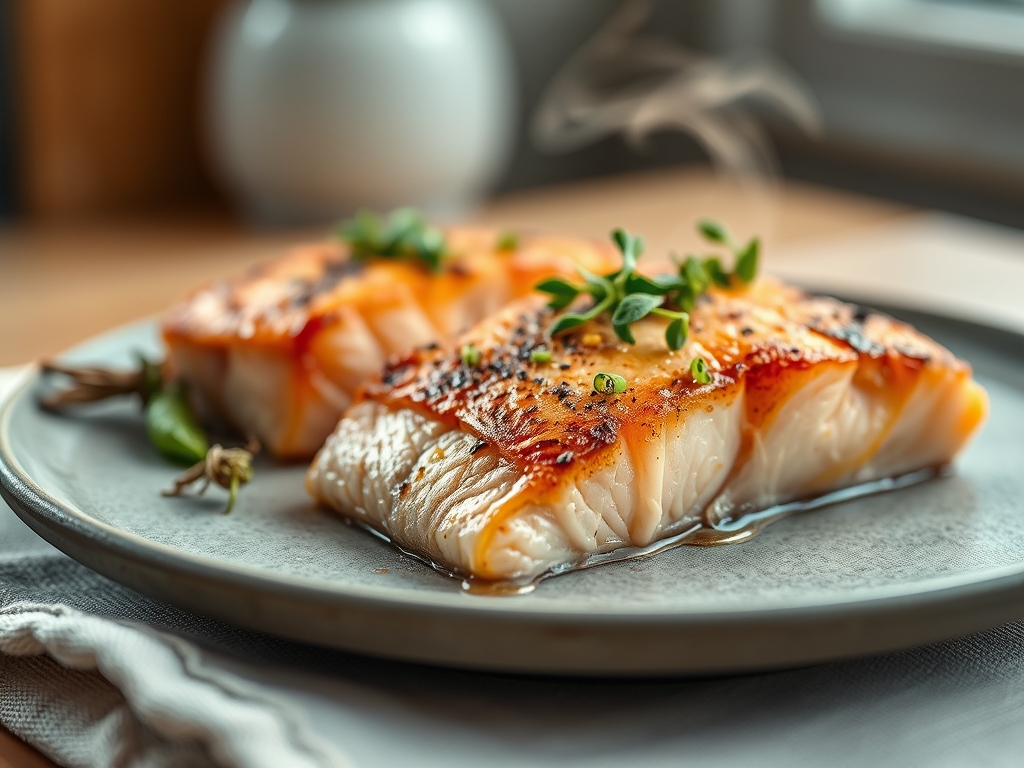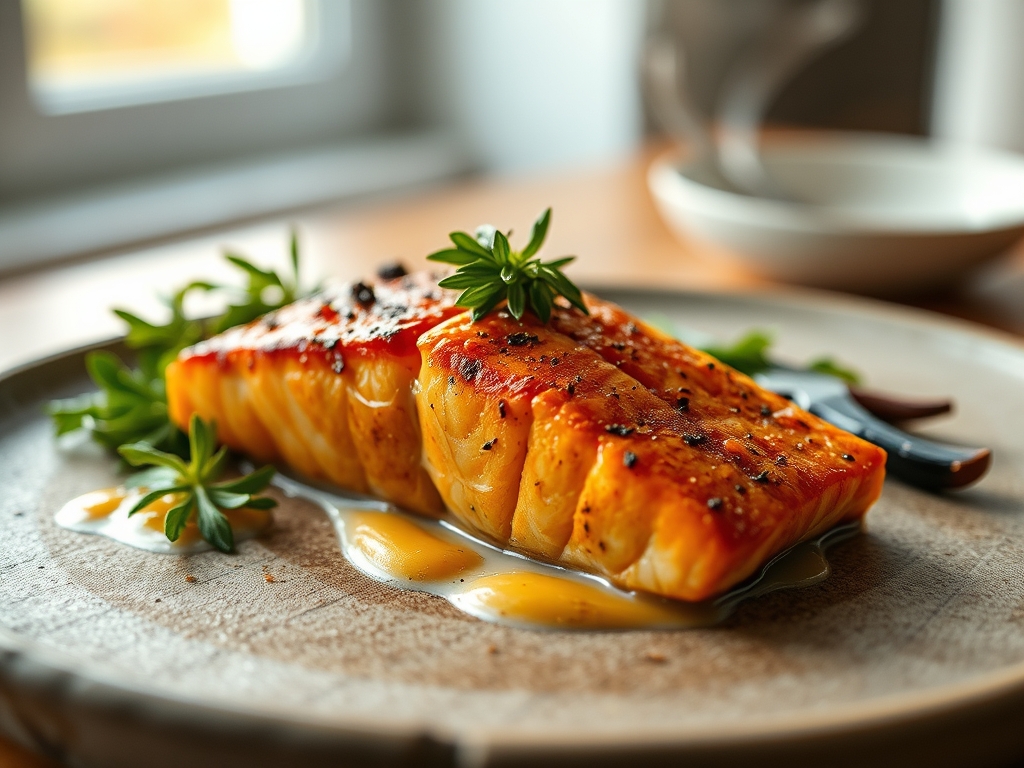
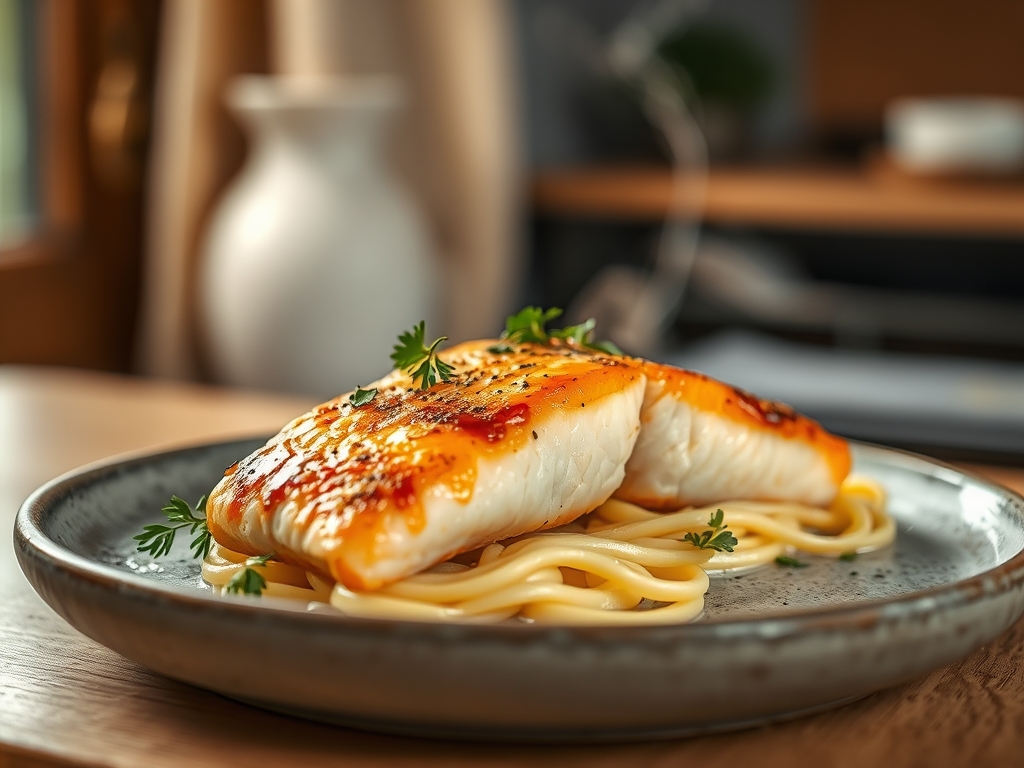
Imagine the gentle hiss of steam escaping a parchment pouch; it is the sound of a perfectly translucent, coral-pink fillet reaching its thermal peak. Most home cooks treat the microwave like a glorified reheating station, but we are going to reclaim it as a precision instrument for the best microwave salmon recipes you have ever tasted. We are talking about buttery textures and vibrant infusions that rival a sous-vide bath, all accomplished in under five minutes. Forget the rubbery, overcooked disasters of the past. By understanding the molecular behavior of fish proteins under electromagnetic radiation, we can achieve a silky, melt-in-your-mouth finish that feels like a total kitchen cheat code. It is time to embrace the efficiency of the magnetron and elevate your weeknight dinner game to professional standards without ever touching a heavy-bottomed skillet.
The Gathers:
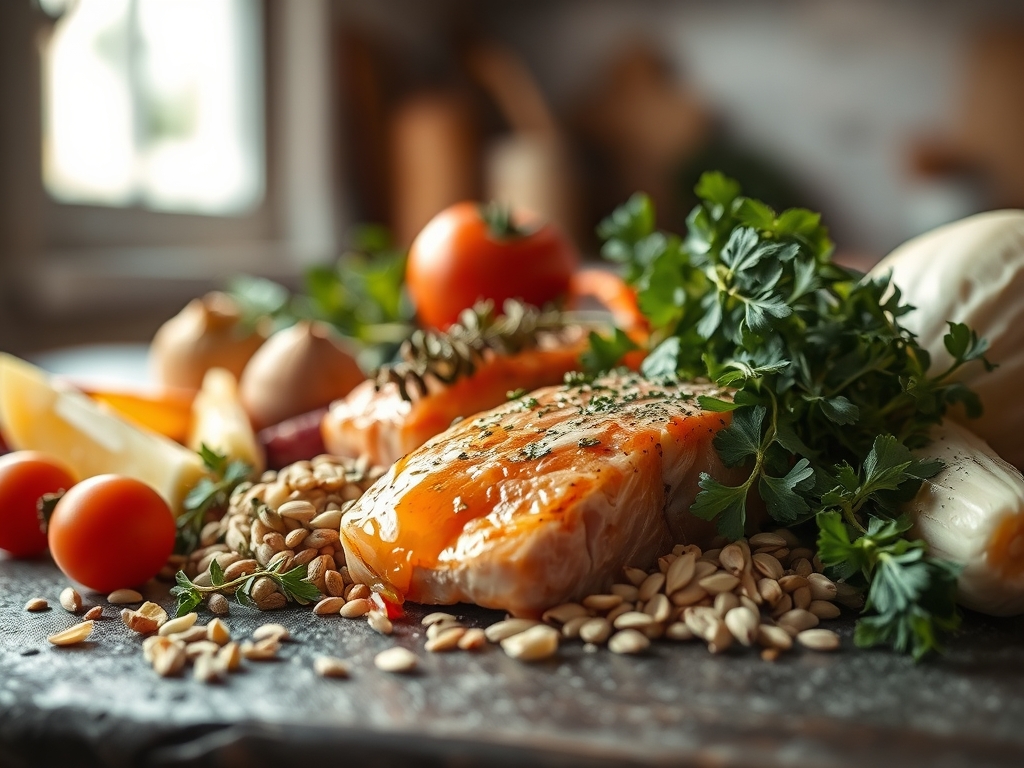
To execute these hacks, your mise-en-place must be precise. Start with high-quality Atlantic or King salmon fillets, ideally six ounces each with a uniform thickness to ensure even heat distribution. You will need a viscous fat source like extra virgin olive oil or grass-fed butter to act as a thermal buffer. Gather your aromatics: fresh dill, thin slices of Meyer lemon, and cloves of garlic crushed with a bench scraper to release their essential oils. For the seasoning, use a digital scale to measure kosher salt; it ensures a 1.5 percent salt-to-weight ratio for optimal protein seasoning.
Smart Substitutions: If you lack fresh citrus, a splash of piquant rice vinegar or dry white wine provides the necessary acidity to brighten the fatty acids. Instead of butter, use toasted sesame oil for an umami-heavy profile. If you are out of parchment paper, a high-quality silicone steamer or a heavy glass lid on a ceramic dish will create the necessary airtight seal to trap steam.
The Clock:
Efficiency is the soul of these methods. Your total active prep time is exactly six minutes. This includes using a microplane to zest your citrus and a sharp chef's knife to portion the fillets. The cooking cycle typically ranges from three to five minutes depending on your microwave's wattage.
The "Chef's Flow" is critical here: while the salmon undergoes its final thermal carryover rest, you should be using those two minutes to aerate a quick side salad or plate your garnishes. The goal is a seamless transition from the microwave to the table, ensuring the fish is consumed at its peak internal temperature of 135 degrees Fahrenheit.
The Masterclass:
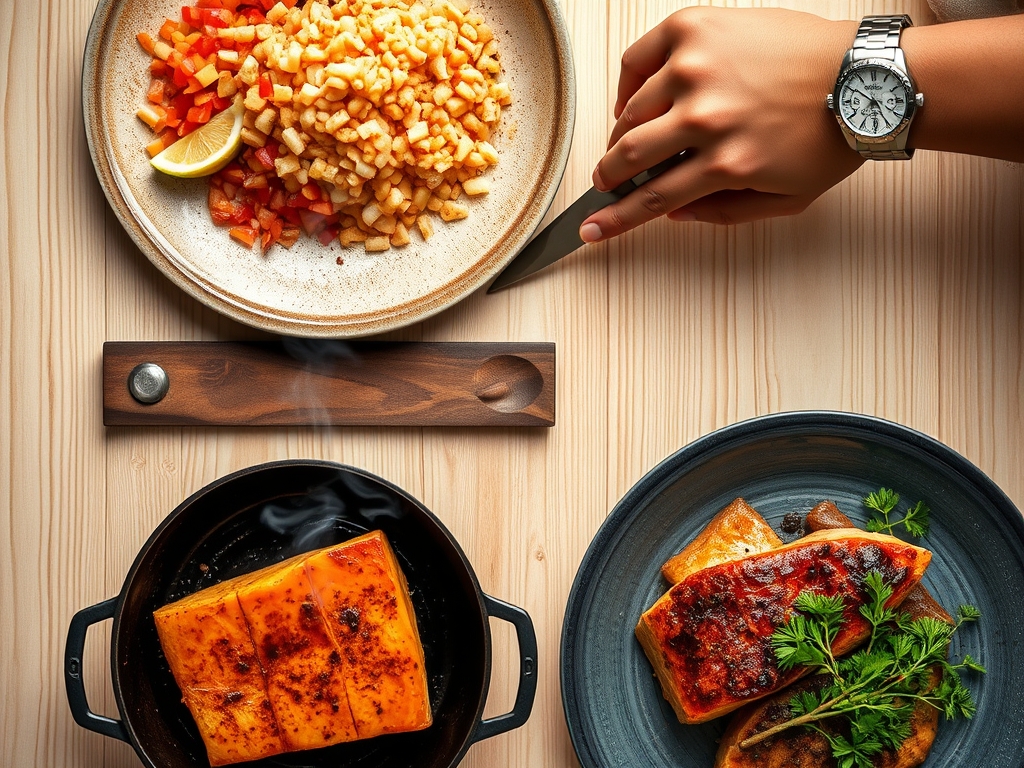
1. The Parchment Envelope Method
Place your fillet on a square of parchment paper, season heavily, and fold the edges tightly to create a sealed pouch. This creates an enclosed environment where the fish poaches in its own juices.
Pro Tip: This technique utilizes latent heat of vaporization. The steam trapped inside the pouch cooks the fish gently and evenly, preventing the edges from becoming desiccated while the center remains raw.
2. The Citrus Steam Bed
Layer thin slices of lemon and orange on a microwave-safe plate before placing the salmon on top. Cover tightly with vented plastic wrap or a glass lid.
Pro Tip: The citrus slices act as a thermal insulator. They protect the delicate bottom of the fillet from direct heat while the acids denature the surface proteins, essentially "pre-cooking" the exterior for a firmer texture.
3. The Soy-Ginger Infusion
Whisk soy sauce, grated ginger, and honey in a small saucier or bowl before drizzling it over the fish. The sugars in the honey help with heat absorption.
Pro Tip: Because microwaves excite water and sugar molecules first, the honey-soy glaze will heat faster than the fish. This creates a rapid infusion of flavor as the glaze penetrates the muscle fibers during the short cooking window.
4. The Mayo-Crust Hack
Slather a thin layer of high-quality mayonnaise over the top of the fillet before cooking. This might sound unconventional, but the emulsion is a miracle worker in the microwave.
Pro Tip: Mayonnaise is a stable emulsion of fat and egg. It creates a protective barrier that prevents moisture loss, mimicking the effects of a traditional sear without the need for a pan.
5. The Butter-Basting Finish
Place a cold pat of compound butter on the fillet halfway through the cooking cycle. Use tongs to gently rotate the dish for even distribution.
Pro Tip: As the butter melts, it undergoes a minor rendering process. The fats coat the protein strands, providing a luxurious mouthfeel and slowing down the evaporation of internal moisture.
6. The Ice Cube Humidity Trick
Place a single ice cube in the corner of your microwave-safe container before sealing it.
Pro Tip: The ice cube provides a constant source of moisture, creating a high-humidity environment. This prevents the "white albumin" (the white gunk) from leaking out excessively, which is a sign of rapid protein contraction.
7. The Resting Period
Never eat the salmon immediately. Transfer it to a warm plate and tent it loosely with foil for at least two minutes.
Pro Tip: This allows for thermal carryover. The internal temperature will rise by 5 to 10 degrees after the microwave stops, allowing the juices to redistribute through the fillet for a succulent finish.
8. The Flash-Acid Finish
After cooking, use a microplane to grate fresh horseradish or lemon zest over the top while the fish is still steaming.
Pro Tip: Volatile aromatic compounds are most potent when they hit a warm surface. Adding "bright" flavors at the very end ensures they don't dissipate during the microwave's intense heating phase.
The Deep Dive:
Macro Nutrition: A standard six-ounce salmon fillet provides approximately 34 grams of high-quality protein and 15 grams of healthy fats, primarily Omega-3 fatty acids. It is naturally low in carbohydrates, making it a staple for metabolic health.
Dietary Swaps: For a vegan alternative, use this same steaming method for thick slabs of extra-firm tofu or "watermelon steaks." For Keto followers, double the butter or use an avocado oil-based mayo. For a Gluten-Free profile, ensure your soy sauce is replaced with tamari or coconut aminos.
The Fix-It:
- The Fish is Tough: You overcooked it. Next time, reduce the power to 70 percent. Lower power allows for more even heat conduction.
- White Film Everywhere: This is albumin. It happens when the heat is too aggressive. Use the ice cube trick or the mayo-crust to insulate the protein.
- Cold Spots: Microwaves have "hot zones." Always place the thickest part of the fillet toward the outer edge of the turntable where the most energy is concentrated.
Meal Prep: To reheat salmon without ruining it, use the "Low and Slow" microwave setting (30 percent power) and add a teaspoon of water to the dish. This prevents the fats from turning rancid and keeps the texture supple.
The Wrap-Up:
Mastering the best microwave salmon recipes is about respecting the science of the machine rather than fearing it. By using tools like a digital scale and bench scraper, and applying techniques like emulsification and thermal carryover, you transform a quick meal into a culinary event. These eight hacks prove that speed does not have to sacrifice quality. Go forth, grab your parchment paper, and prepare to be amazed by the silky, savory results of your new favorite kitchen shortcut.
The Kitchen Table:
How do I prevent salmon from smelling up the microwave?
Use a tightly sealed parchment pouch or a glass lid. This traps the volatile aromatic compounds inside the vessel rather than letting them circulate through the microwave's vent system. Adding a slice of lemon also neutralizes odors.
Can I cook frozen salmon in the microwave?
It is not recommended for texture. Thaw the fillet first in cold water. Cooking from frozen leads to uneven heat distribution, leaving the outside rubbery while the center remains a block of ice.
What is the best power setting for salmon?
Use 70 percent power for most fillets. Full power is often too aggressive for delicate fish proteins, causing the albumin to leak and the texture to become "tight" and dry.
How do I know the salmon is finished?
The fish should be opaque on the outside and flake easily with a fork, but still look slightly translucent in the very center. A digital thermometer should read 130-135 degrees Fahrenheit before the rest.