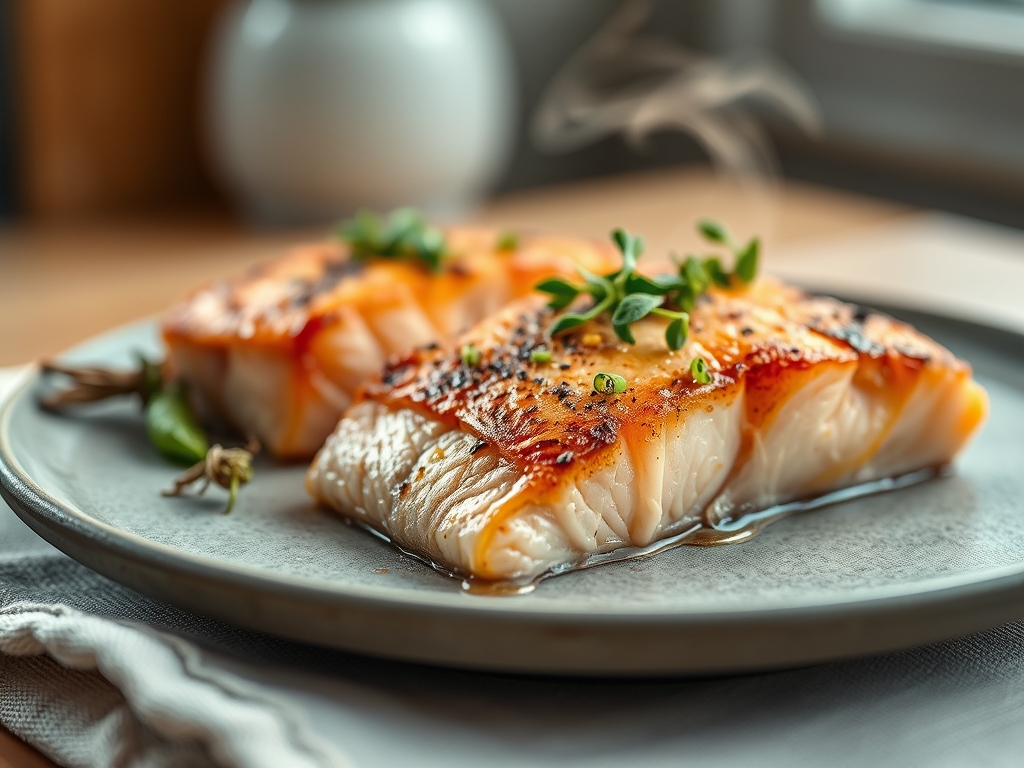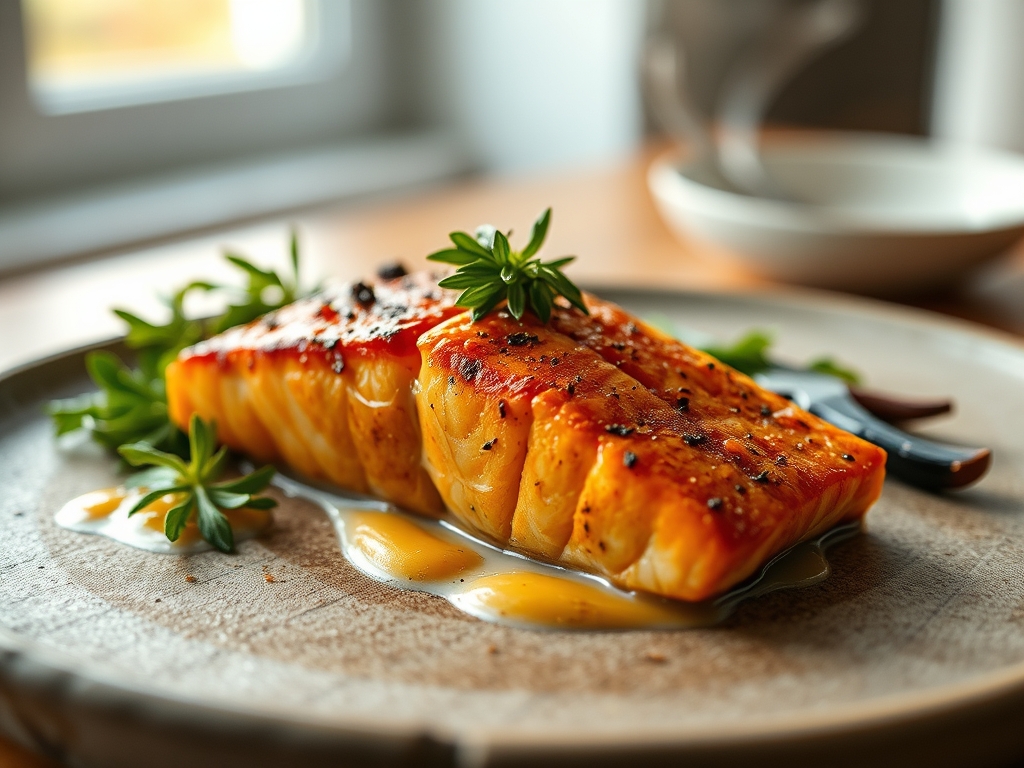
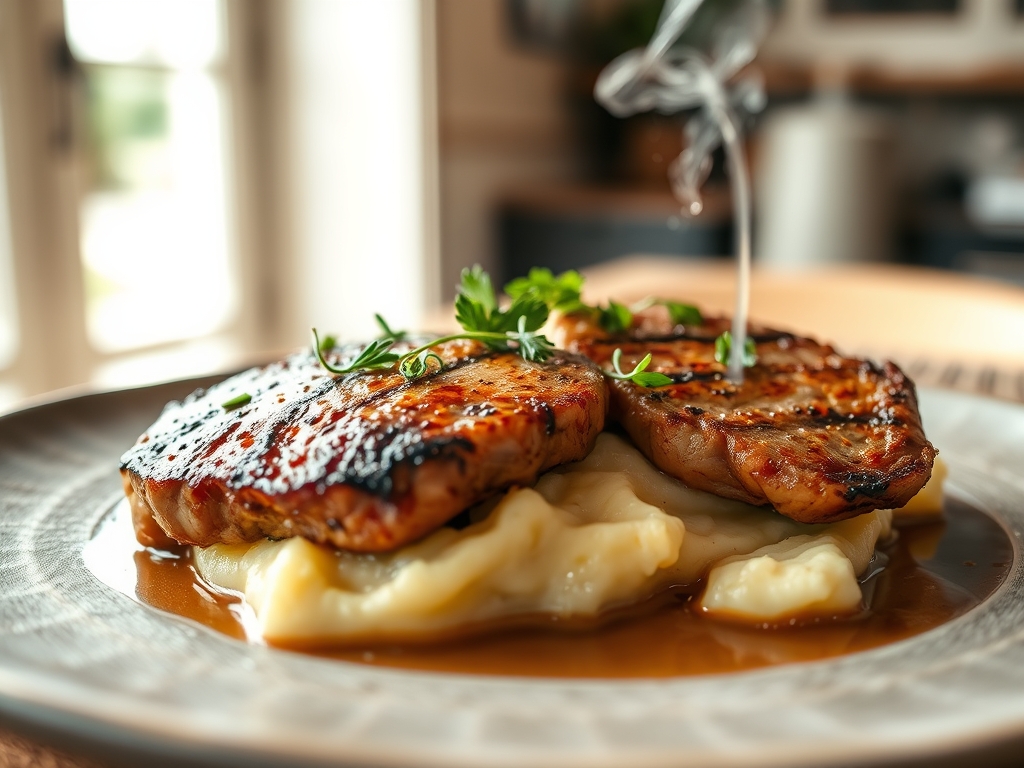
Picture a heavy-bottomed skillet hissing on the stove as a thick bone-in chop hits the shimmering fat. The scent of rendering lard and toasted rosemary fills the air; it is the ultimate comfort signal. Mastering pork chop with mashed potato recipes is about more than just dinner; it is about the glorious intersection of Maillard browning and buttery emulsion.
While the humble pork chop often gets a bad reputation for being dry, we are going to fix that with science. By understanding the cellular structure of the loin and the starch gelatinization of the potato, you can turn a basic Tuesday night meal into a three-star experience. We are diving into six variations tonight, ranging from a piquant mustard cream to a deep, balsamic glaze. Whether you prefer a lean center-cut or a fatty rib chop, the goal remains the same: a crust that shatters and potatoes so light they feel like a cloud. Grab your apron and a glass of wine; we are about to make some magic happen in your kitchen.
The Gathers:
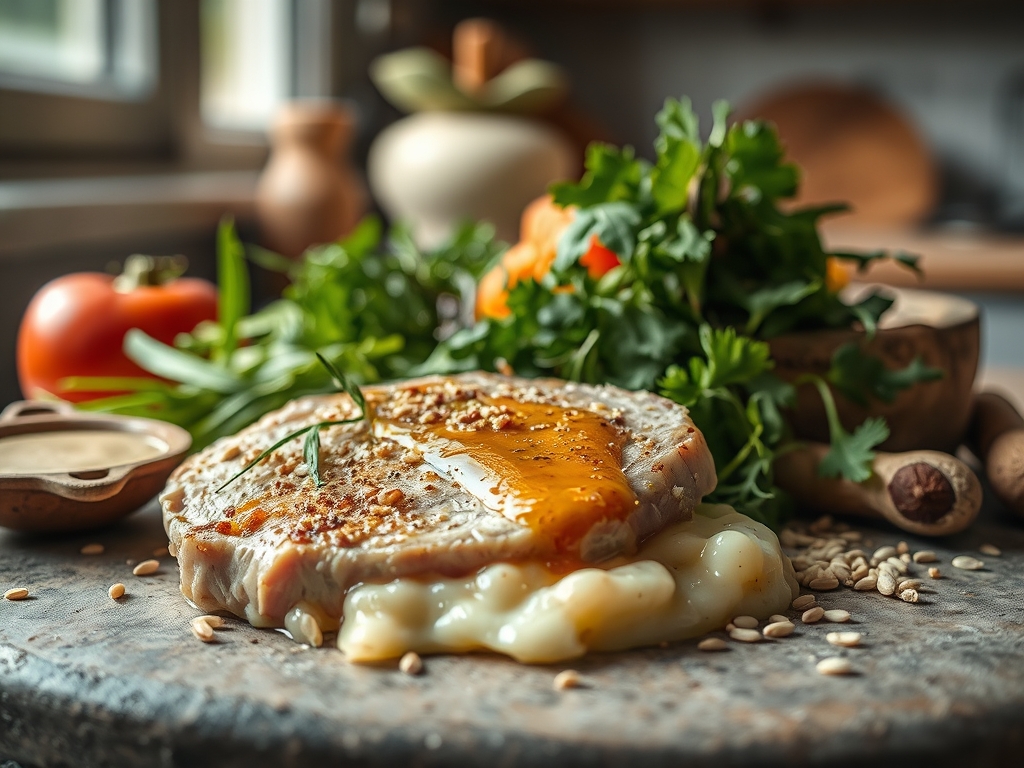
To achieve culinary excellence, your mise-en-place must be precise. Start with high-quality pork. Look for "heritage breed" cuts if possible; these have superior intramuscular fat which ensures a moist result. For the potatoes, choose a high-starch variety like the Yukon Gold or Russet. The Yukon Gold offers a naturally buttery hue and a viscous texture, while the Russet provides the fluffiest crumb due to its high amylopectin content.
You will need a digital scale to ensure your brine is exactly 5 percent salinity. For the aromatics, gather fresh thyme, whole garlic cloves, and shallots. The fats are equally important; have unsalted European-style butter ready. This butter has a lower water content and higher butterfat, which is essential for a stable emulsion in your mash. You will also need a high-smoke-point oil, such as avocado or grapeseed oil, to handle the searing temperatures without breaking down into acrid compounds.
Smart Substitutions:
If you are avoiding dairy, swap the heavy cream for full-fat coconut milk and use a high-quality olive oil in the potatoes. The result is surprisingly savory and light. For a lower glycemic index, you can replace half of the potatoes with steamed cauliflower. Just ensure you use a ricer to keep the texture uniform. If pork is off the menu, thick-cut cauliflower steaks or veal chops follow the same thermal principles we will discuss below.
The Clock
Efficiency in the kitchen is all about "Chef's Flow." This means performing tasks in an order that maximizes passive time. Total active time for these recipes is approximately 25 minutes, with a total turnaround of 45 minutes.
- The Brine (Passive): 15 to 30 minutes. Do this first to allow the salt to denature the proteins.
- The Boil (Passive): 20 minutes. Get your potatoes in cold, salted water immediately.
- The Sear (Active): 8 to 10 minutes. This is where your focus must be 100 percent on the skillet.
- The Rest (Passive): 5 to 8 minutes. Crucial for moisture retention.
- The Mash (Active): 5 minutes. While the meat rests, finish your potatoes so they are served piping hot.
The Masterclass
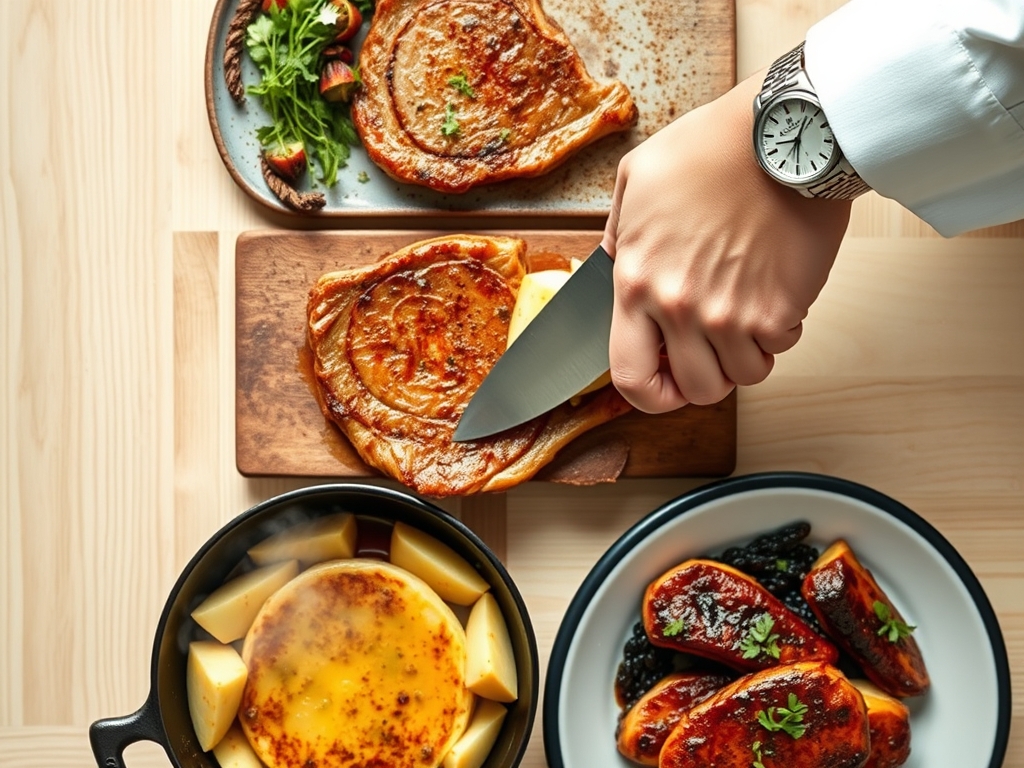
1. The Brine and Prep
Submerge your chops in a solution of water, salt, and a touch of sugar. Use your digital scale for accuracy. While the meat brines, peel your potatoes and cut them into uniform two-inch cubes. Uniformity is key; different sizes lead to uneven cooking and "gluey" patches in your final mash.
Pro Tip: This process uses osmosis to draw moisture into the muscle fibers. The salt also dissolves some of the protein structures, preventing them from tightening too much during the cook, which is the primary cause of "tough" pork.
2. Cold Water Start
Place your potato cubes in a pot and cover with cold water. Add a generous palmful of kosher salt. Bring the water to a boil, then reduce to a simmer. Boiling too vigorously can cause the outside of the potato to disintegrate before the center is tender.
Pro Tip: Starting in cold water ensures that the starch granules swell and cook at an even rate. If you drop potatoes into boiling water, the exterior cooks too fast and becomes mealy while the interior remains crunchy.
3. The High-Heat Sear
Pat your pork chops bone-dry with paper towels. Any surface moisture will turn to steam and prevent browning. Heat your heavy-bottomed skillet until the oil just begins to smoke. Lay the chops away from you to avoid splashes. Do not move them for at least three minutes.
Pro Tip: This creates the Maillard Reaction, a chemical reaction between amino acids and reducing sugars that gives browned food its distinctive flavor. If the pan is too crowded, the temperature drops and the meat will gray instead of sear.
4. The Butter Baste
Once you flip the chops, drop a knob of butter, smashed garlic, and thyme into the pan. Use your tongs to tilt the pan and a large spoon to continuously bathe the pork in the foaming butter. This is called "arroser" in French technique.
Pro Tip: Butter basting uses convection to cook the top of the meat while the bottom sears. The milk solids in the butter will brown, adding a nutty complexity known as "beurre noisette" to the pork's crust.
5. The Aerated Mash
Drain your potatoes and let them steam in the hot pot for one minute to remove excess moisture. Use a ricer or a food mill to process them into a bowl. Slowly fold in your warm cream and cold butter cubes using a silicone spatula.
Pro Tip: Avoid over-mixing. Excessive mechanical agitation breaks the starch cells, releasing amylose. When amylose mixes with liquid, it creates a sticky, glue-like consistency. A ricer keeps these cells intact for a fluffy finish.
6. The Deglaze and Sauce
Remove the chops to a warm plate. Pour off the excess fat but keep the brown bits (the fond). Add a splash of white wine or stock to the hot pan and scrape with a wooden spoon. Whisk in a teaspoon of Dijon mustard or a swirl of cold butter to finish.
Pro Tip: Deglazing captures the concentrated flavors stuck to the pan. Adding cold butter at the very end (monter au beurre) creates a glossy, stable emulsion that coats the back of a spoon beautifully.
The Deep Dive
From a macro perspective, this meal is a powerhouse. A standard 6-ounce pork chop provides roughly 40 grams of protein and is rich in B-vitamins and selenium. The potatoes provide complex carbohydrates and more potassium than a banana. To keep it "Keto," swap the potatoes for a celery root puree. For a "Vegan" version, use a thick-cut cauliflower steak and olive oil-based mash.
The Fix-It:
- Grey Meat: Your pan wasn't hot enough or the meat was wet. Fix: Use a cast iron skillet and pat the meat dry until the paper towel comes away clean.
- Gluey Potatoes: You likely used a hand mixer or over-mashed. Fix: You cannot "un-glue" them, but you can turn them into a delicious potato gratin by adding cheese and baking them.
- Dry Pork: You bypassed the rest period. Fix: Always let the meat sit for at least 5 minutes. This allows the internal pressure to stabilize so the juices don't run out when you cut into it.
Meal Prep Science:
When reheating, do not use the microwave on high power; it toughens the protein. Instead, use a "low and slow" approach in the oven at 300 degrees Fahrenheit. For the potatoes, add a splash of milk before reheating to restore the emulsion that likely broke in the refrigerator.
The Wrap-Up
You now have the technical blueprint for the perfect pork chop with mashed potato recipes. By respecting the Maillard reaction and treating your starches with a gentle hand, you have elevated a simple meal into a culinary triumph. Remember, the best food comes from understanding the "why" behind the "how." Now, plate those golden chops next to a mountain of silken potatoes, pour the pan sauce over everything, and enjoy the fruits of your scientific labor.
The Kitchen Table
How do I prevent my pork chops from curling?
Use kitchen shears to make small vertical snips through the fat cap every inch. This prevents the connective tissue from shrinking and pulling the meat into a "cup" shape during the sear.
What is the best internal temperature for pork?
Aim for 145 degrees Fahrenheit followed by a three-minute rest. This results in a slightly blushing pink center that is safe, juicy, and tender according to modern USDA guidelines.
Can I make the mashed potatoes ahead of time?
Yes. Keep them in a heat-proof bowl covered with plastic wrap over a pot of simmering water (a bain-marie). This keeps them warm without scorching or losing their light texture.
Why should I use a heavy-bottomed skillet?
Heavy pans, like cast iron or stainless steel with a copper core, have high thermal mass. They hold heat better, ensuring the temperature doesn't drop when you add the cold meat.