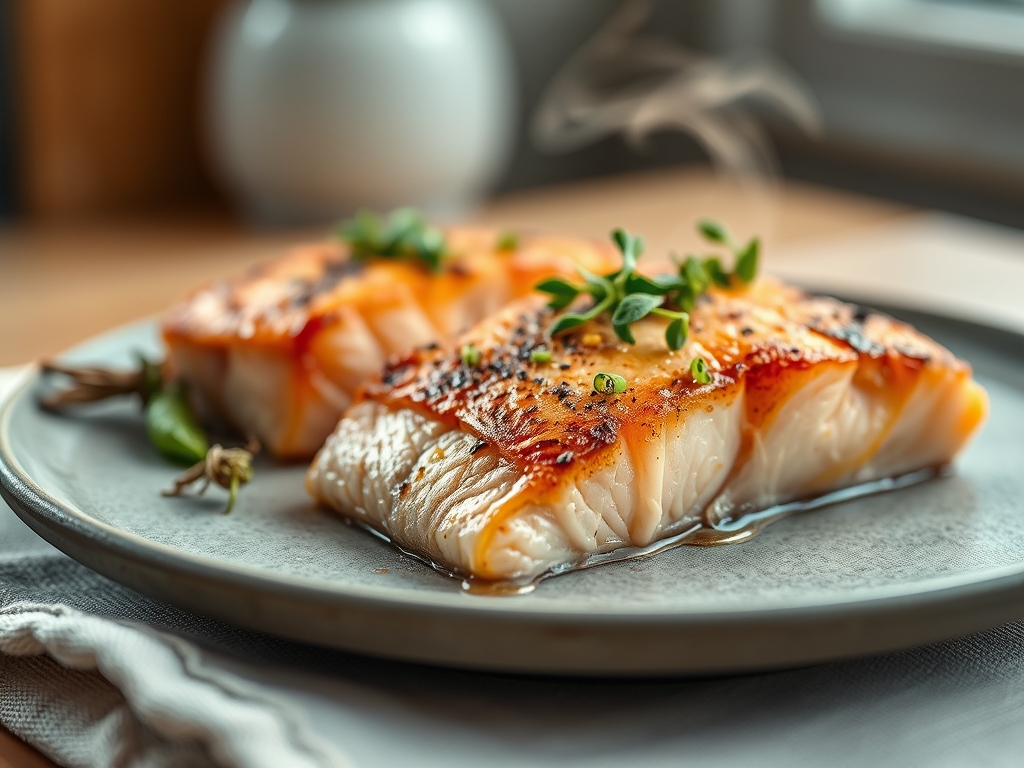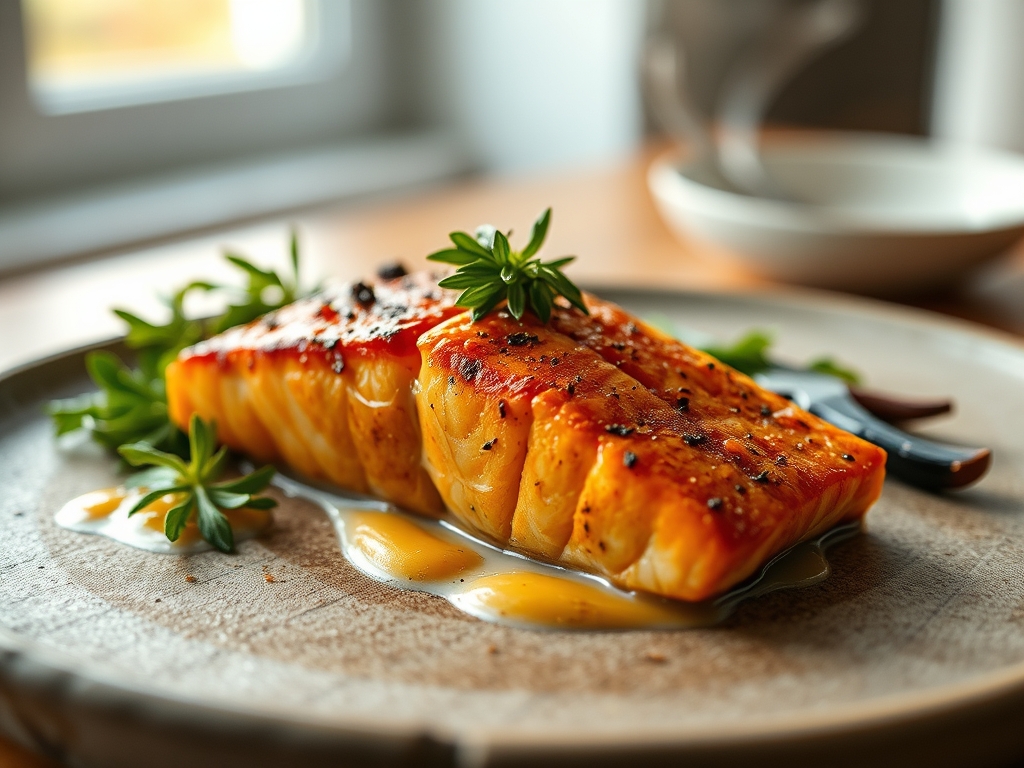
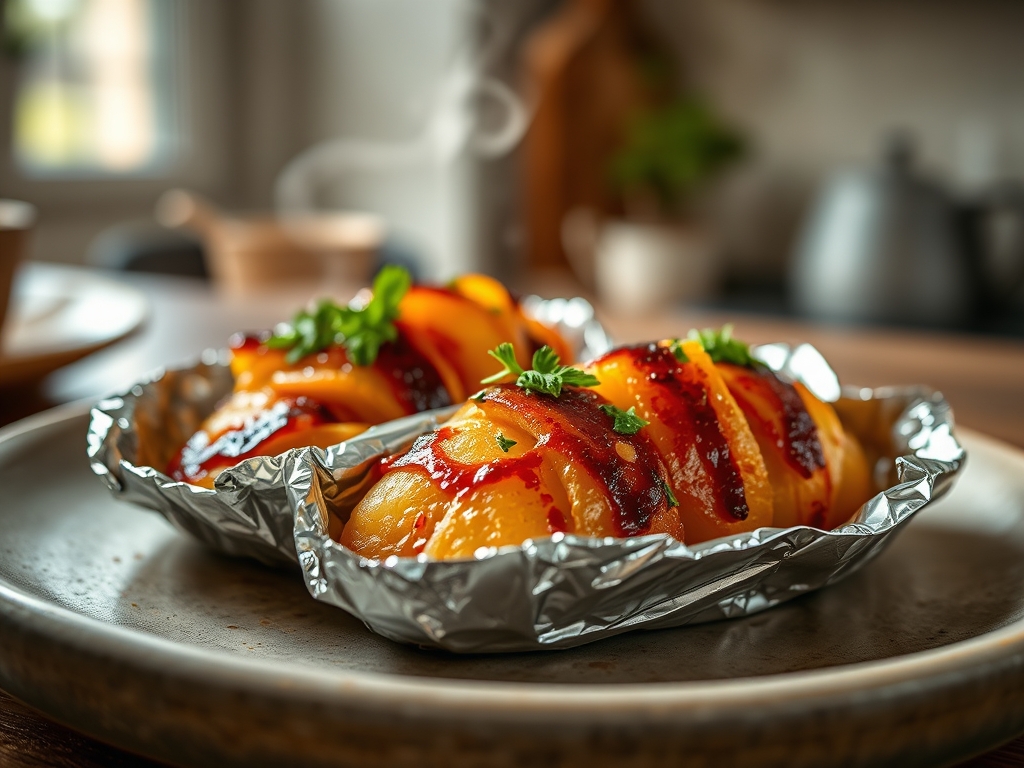
Imagine the sound of a distant lawnmower and the scent of woodsmoke drifting through the air as you stand over a glowing grill. There is a specific kind of magic found in bbq potato recipes in foil; it is the intersection of high-heat searing and gentle steam-braising that creates a texture no oven can replicate. We are talking about edges that shatter with a salty crunch and centers that have the consistency of velvet. Forget those sad, mealy spuds wrapped in single-ply foil that emerge gray and uninspired. We are here to master the chemistry of the packet. By utilizing the conductive power of aluminum and the convective heat of your barbecue, we can transform a humble tuber into a gourmet side dish that rivals any steakhouse offering. This is about more than just convenience; it is about controlling the micro-environment inside that silver pouch to ensure every cube of potato is infused with aromatics and perfectly caramelized.
The Gathers:
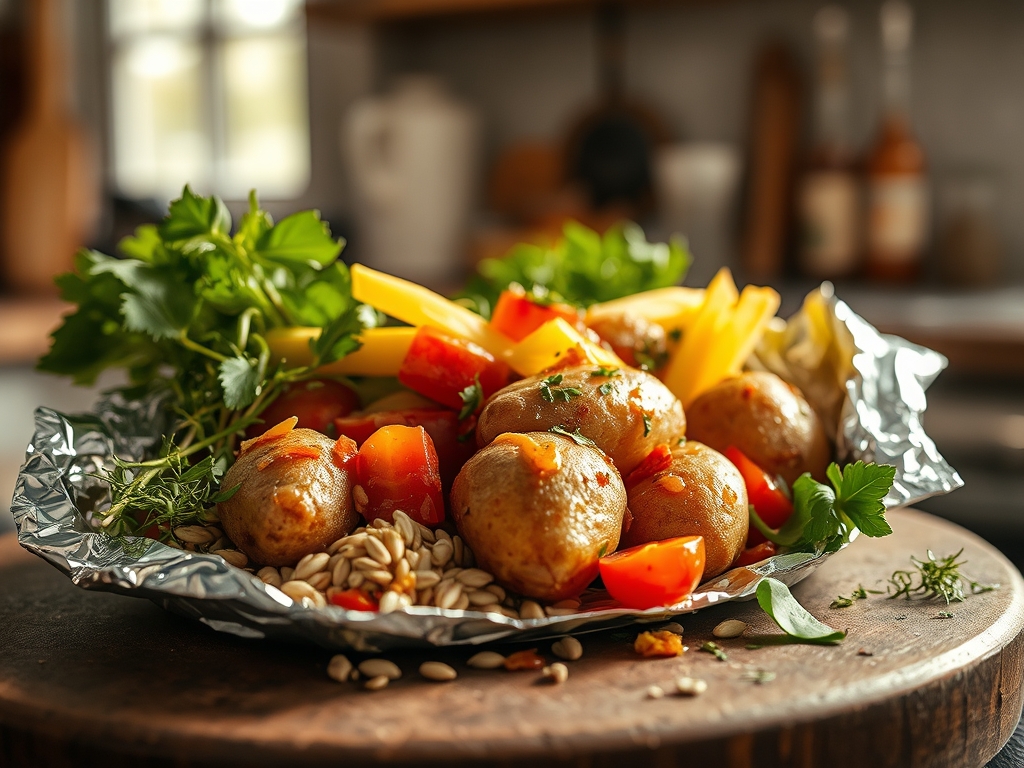
To execute these hacks with precision, your mise-en-place must be intentional. Start with high-starch potatoes like Russets for maximum fluffiness or waxy Yukon Golds for a creamy, buttery bite. You will need a high-quality fat source; think clarified butter or a high-smoke-point avocado oil to facilitate the Maillard reaction without acrid scorching. For the aromatics, gather fresh rosemary sprigs, cloves of garlic that you will crush with a bench scraper, and coarse kosher salt. The salt is non-negotiable; its jagged crystals provide better surface area coverage than fine table salt.
Smart Substitutions: If you are looking to elevate the flavor profile, swap standard butter for rendered duck fat or beef tallow to add an intense savory depth. For a piquant kick, utilize a microplane to zest fresh lemon or grate aged Parmesan directly into the packet before sealing. If you lack fresh herbs, a high-quality smoked paprika or ground cumin can provide that earthy, fire-roasted essence. Ensure you have heavy-duty aluminum foil; standard foil is too porous and prone to tearing when handled with heavy-duty tongs.
The Clock
Efficiency in the kitchen is about the "Chef's Flow," which means aligning your prep with the thermal arc of your grill. Expect a total prep time of 15 minutes and a cook time of 25 to 30 minutes. The flow begins with the mechanical breakdown of the potatoes. While your grill preheats to a steady 400 degrees Fahrenheit, you should be dicing and seasoning. The goal is to have the packets ready to hit the grates the moment the grill reaches temperature. This synchronization ensures that the potatoes do not sit in salt for too long, which can draw out moisture prematurely and lead to a soggy result rather than a crisp one.
The Masterclass
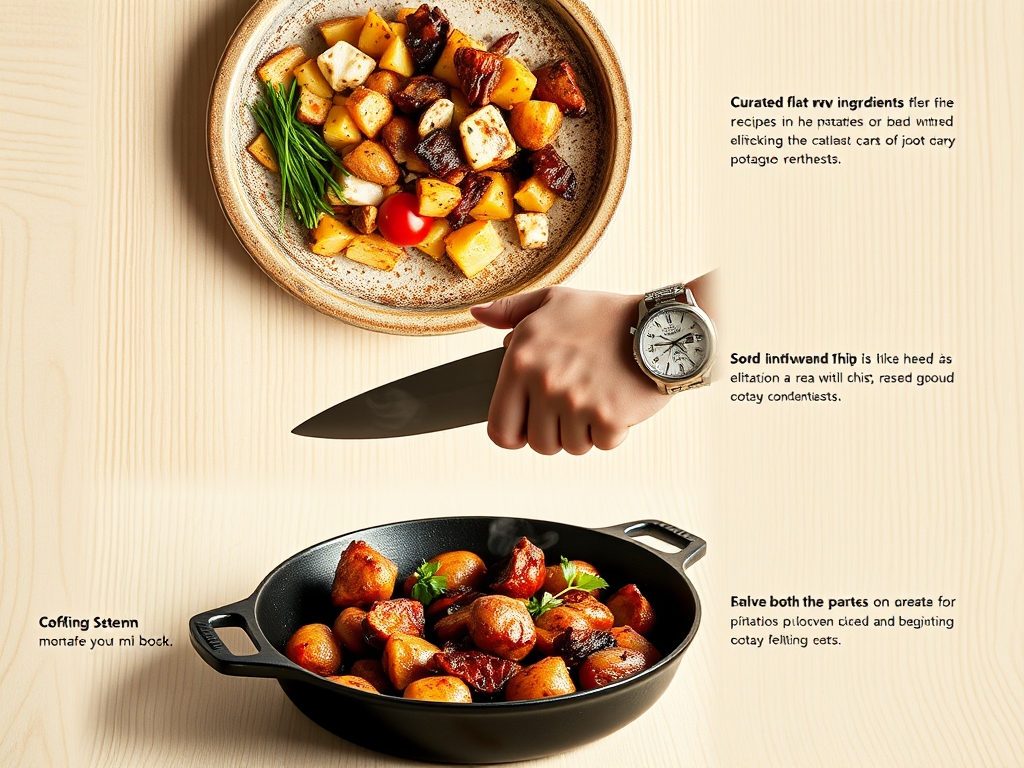
1. The Uniform Cube
Consistency is the foundation of even cooking. Use a sharp chef knife to cut your potatoes into 1-inch cubes. If the sizes vary, the smaller pieces will turn to mush before the larger ones lose their crunch. Use a digital scale if you want to be truly precise with your portions.
Pro Tip: This prevents enzymatic browning. By keeping the cubes uniform, you ensure that the heat penetrates the center of each piece at the same rate, avoiding the "hard center" syndrome.
2. The Fat Emulsion
Place your cubes in a large bowl and toss them with your chosen fat and seasonings. You want every surface to be viscous and coated. This fat acts as a heat conductor, transferring energy from the foil directly into the potato skin.
Pro Tip: This facilitates the Maillard reaction. The fat allows the surface temperature of the potato to exceed the boiling point of water, which is necessary for the sugars and amino acids to create that golden-brown crust.
3. The Double-Fold Seal
Lay out a large square of heavy-duty foil. Place the potatoes in the center, but do not overcrowd them. Fold the sides up and crimp them tightly twice. You are creating a pressurized steam chamber.
Pro Tip: This utilizes thermal carryover. A tight seal traps the internal moisture, which turns to steam and cooks the interior of the potato rapidly while the exterior sears against the hot foil.
4. The Direct Heat Seared Bottom
Place the packets directly over the heat source for the first 15 minutes. Use your tongs to rotate the packets 180 degrees halfway through to account for any hot spots on your grill.
Pro Tip: This manages heat flux. Direct contact with the grates creates a localized high-heat zone that mimics the effect of a heavy-bottomed skillet, providing that essential char.
5. The Indirect Finish
Move the packets to the cooler side of the grill for the final 10 minutes. This allows the internal temperature to stabilize without burning the bottom layer of potatoes.
Pro Tip: This prevents carbonization. Moving to indirect heat allows the residual energy to finish softening the starch granules (gelatinization) without the risk of the exterior turning bitter.
6. The Steam Release
Carefully pierce the top of the foil with a knife before fully opening. Be cautious of the escaping steam, which is hot enough to cause serious burns.
Pro Tip: This stops the cooking process. Releasing the steam immediately prevents the potatoes from becoming over-hydrated and "waterlogged" from the cooling vapor.
7. The Acidic Brightness
Once open, squeeze a bit of fresh lime or lemon juice over the potatoes. The acid cuts through the richness of the fats and brightens the overall flavor profile.
Pro Tip: This balances the pH. Adding an acid at the end elevates the piquant notes of the herbs and makes the savory flavors pop on the palate.
8. The Aeration Toss
Use a spoon to gently toss the potatoes within the foil. This allows air to circulate around the hot cubes, helping the exterior crisp up further as the surface moisture evaporates.
Pro Tip: This utilizes evaporative cooling. As moisture leaves the surface, the crust hardens slightly, giving you that sought-after "snap" when you bite in.
9. The Final Infusion
Add a final sprinkle of fresh herbs or a pat of cold compound butter. The residual heat will melt the butter and infuse the potatoes with a final layer of luxurious flavor.
Pro Tip: This creates a flavor emulsion. The cold butter mixes with the potato starches to create a silky sauce that clings to every piece.
The Deep Dive
From a macro nutrition perspective, potatoes are an excellent source of complex carbohydrates and potassium; however, the caloric density increases with the addition of fats. One serving typically contains 250 calories, 12g of fat, and 35g of carbohydrates. For a Keto-friendly version, swap potatoes for cauliflower florets, which have a similar texture but lower carb count. For a Vegan option, use extra virgin olive oil or coconut oil instead of butter.
The Fix-It:
- Soggy Potatoes: You likely overcrowded the packet. Use less potato or a larger piece of foil to allow for better heat distribution.
- Burnt Bottoms: The heat was too high or the packet stayed on direct heat too long. Move to indirect heat sooner.
- Bland Flavor: You under-salted. Remember that potatoes absorb a significant amount of salt during the cooking process; always season more than you think you need.
Meal Prep: To reheat and maintain "day-one" quality, avoid the microwave. Place the leftovers in a saucier or small skillet with a teaspoon of water and cover with a lid. The steam will re-hydrate the starch without making the exterior rubbery.
The Wrap-Up
Mastering bbq potato recipes in foil is a rite of passage for any backyard chef. It is the perfect blend of scientific precision and rustic charm. When you pull those steaming, golden packets off the grill, you aren't just serving a side dish; you are serving a masterclass in texture and flavor. The contrast of the smoky exterior with the buttery, soft interior is something your guests will talk about long after the embers have died down. So, grab your foil, sharpen your knife, and get ready to dominate your next cookout with these foolproof hacks.
The Kitchen Table
Can I use waxier potatoes for these recipes?
Yes, Yukon Golds or red potatoes work beautifully. Their lower starch content means they hold their shape better during the steaming process, resulting in a creamier texture rather than a fluffy, floury one.
How do I prevent the potatoes from sticking?
Ensure you use a generous amount of fat, such as oil or butter, to coat every surface. Additionally, placing the potatoes on the non-shiny side of the foil can sometimes help reduce adhesion.
Can I prep these packets the night before?
It is not recommended. Raw potatoes oxidize and turn gray when exposed to air. For the best results, cut and season your potatoes immediately before they go onto the grill.
What is the best way to tell if they are done?
Use a fork to pierce through the foil into a potato. If it slides in with zero resistance, they are ready. You can also use a digital thermometer to check for an internal temp of 210F.