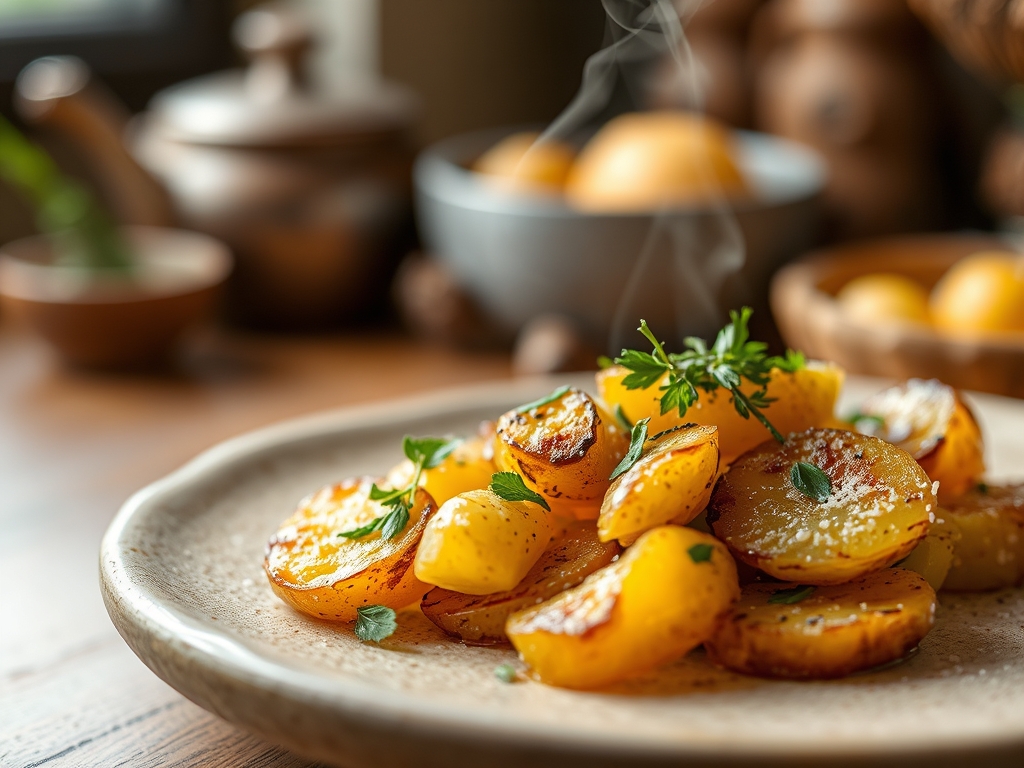
Imagine the scent of cold earth and rain hitting a hot sidewalk; that is the raw, geosmin-heavy aroma of a russet potato before it meets the heat. We are moving beyond the basic boiled spud and into the realm of molecular transformation. To master alton brown potato recipes is to understand that a potato is not just a vegetable; it is a starch-filled vessel waiting for a structural overhaul. We are talking about the kind of crunch that echoes in your skull and a center so light it feels like a culinary cloud.
Whether you are aiming for the iconic "The Chewy" or a classic mash, the secret lies in the physics of the cell wall. We are going to manipulate pectin, gelatinize starches, and harness the power of the Maillard reaction to turn humble tubers into gold. Grab your favorite heavy-bottomed skillet and a sharp chef's knife. We are diving deep into the science of the spud to ensure your kitchen smells like a five-star bistro and your results are nothing short of legendary.
The Gathers:
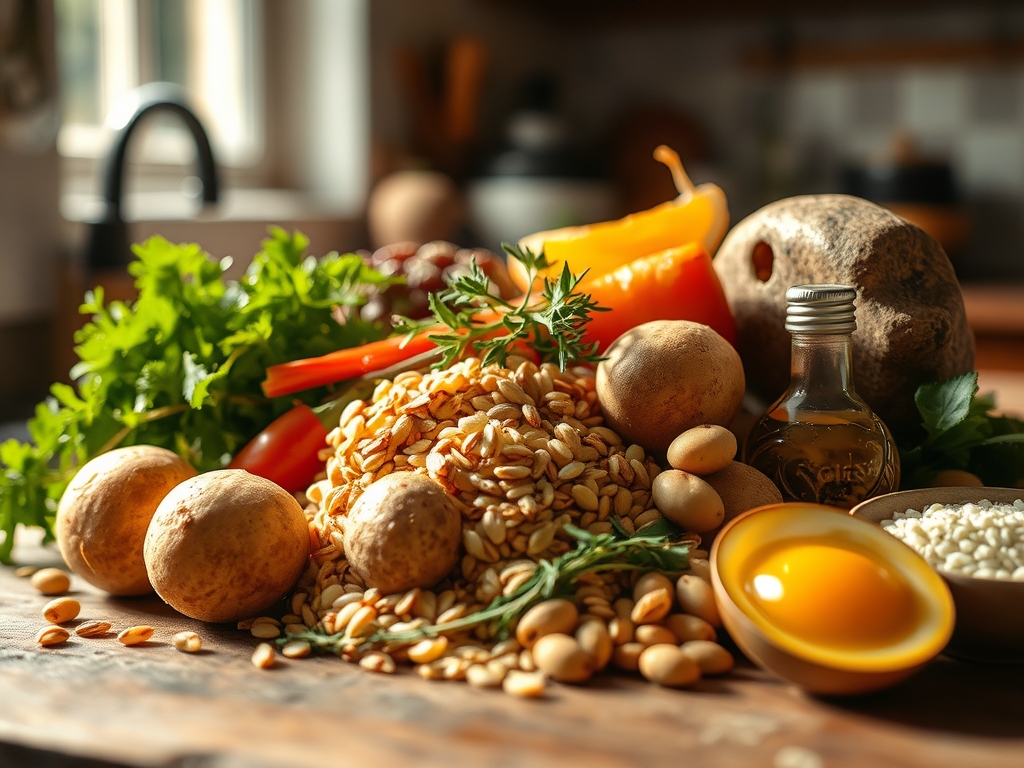
To execute these techniques, your mise-en-place must be precise. Start with high-starch Russets for fluffiness or low-starch Yukon Golds for a waxy, buttery mouthfeel. You will need high-quality kosher salt; its jagged crystal structure is superior for drawing out moisture through osmosis. For fats, gather unsalted butter for moisture control and a high-smoke-point oil like grapeseed for searing.
Professional tools are non-negotiable here. Ensure you have a digital scale for precise starch-to-fat ratios, a bench scraper for clean cuts, and a microplane to infuse aromatics like garlic or nutmeg without adding fibrous bulk.
Smart Substitutions: If you are avoiding dairy, coconut cream offers a similar viscous quality to heavy cream, though it adds a tropical note. For a piquant kick without the heat, swap black pepper for white pepper to keep your mashes visually pristine while maintaining a complex, earthy flavor profile.
The Clock
Efficiency in the kitchen is about "Chef's Flow," which is the art of overlapping tasks to minimize downtime. Prep time for these techniques typically takes twenty minutes of focused knife work. The cooking duration varies from forty minutes for a stovetop sear to ninety minutes for a deep, slow roast.
The secret to timing is understanding thermal lag. Your potatoes will continue to cook for several minutes after they leave the heat source. By pulling them just before they hit peak tenderness, you allow the internal steam to finish the job without collapsing the delicate cellular structure. Always factor in a ten-minute "resting" phase for roasted varieties to allow the exterior crust to fully set and crisp up.
The Masterclass
1. The Cold Start Soak
Always submerge your cut potatoes in cold, salted water for at least thirty minutes before cooking. This process removes excess surface starch that would otherwise turn gummy in the pan.
Pro Tip: This prevents enzymatic browning by blocking oxygen from reaching the phenols in the potato. It ensures a crispier finish because you are frying the potato, not the loose starch dust on the surface.
2. Precision Parboiling
Never drop raw potatoes into boiling water. Start them in cold water and bring them to a simmer together. This ensures the interior and exterior cook at the same rate, preventing a mealy outside and a raw core.
Pro Tip: Adding a teaspoon of baking soda to the water raises the pH level. This breaks down the pectin on the surface, creating a starchy slurry that roasts into an incredibly thick, crunchy crust.
3. The Steam Dry
After boiling, drain the potatoes and return them to the hot pot for sixty seconds. Shake them vigorously to aerate the edges and allow residual moisture to evaporate.
Pro Tip: Removing surface moisture is vital for the Maillard reaction. If the potato is wet, it will steam rather than sear; steam maxes out at 212 degrees Fahrenheit, while browning requires temperatures above 300 degrees.
4. The Fat Infusion
When making mash, always melt your butter with your aromatics (like rosemary or garlic) before adding it to the potatoes. This allows the fat to infuse with flavor molecules that are fat-soluble.
Pro Tip: Adding cold butter to hot potatoes can cause the emulsion to "break." Using warm, infused fats creates a more stable, viscous texture that coats the tongue evenly.
5. The Ricer Requirement
Forget the hand masher; use a potato ricer or a food mill. This tool forces the potato through small holes, separating the granules without crushing the starch cells.
Pro Tip: Over-working potatoes with a masher or mixer releases too much amylose. This turns your side dish into a literal glue. A ricer keeps the starch cells intact for a light, fluffy result.
6. High-Heat Roasting
Set your oven to at least 425 degrees Fahrenheit. Use a heavy-bottomed skillet or a preheated baking sheet to ensure immediate heat transfer the moment the potatoes touch the surface.
Pro Tip: This utilizes conductive heat to jumpstart the browning process. A preheated pan prevents the potatoes from sticking by instantly searing the surface proteins.
7. The Toss and Coat
When roasting, toss your parboiled potatoes in a bowl with oil and salt until a "paste" forms on the edges. This paste is the secret to those craggy, crunchy bits.
Pro Tip: This increases the surface area available for browning. More surface area means more sites for the Maillard reaction to occur, resulting in a more complex flavor profile.
8. Acid Balancing
A splash of vinegar or a squeeze of lemon juice at the very end of cooking cuts through the heaviness of the fat and brightens the earthy notes of the potato.
Pro Tip: Acid reacts with the taste buds to enhance salt perception. This allows you to use less sodium while achieving a more piquant and balanced flavor.
9. Thermal Carryover Management
Remove roasted potatoes from the oven when they are a shade lighter than your desired final color. Place them on a wire rack rather than a flat plate.
Pro Tip: Air circulation prevents "sweating." If you pile hot potatoes on a plate, the trapped steam will soften the crust you worked so hard to build.
10. The Final Seasoning
Always season with fine salt immediately after the potatoes emerge from the fat. The hot oil acts as a glue, ensuring the salt adheres to every crevice.
Pro Tip: As the potato cools, it creates a slight vacuum that pulls the salt into the surface layer. Seasoning while cold results in salt simply bouncing off the crust.
The Deep Dive
From a macro nutrition perspective, potatoes are a powerhouse of potassium and complex carbohydrates. A medium russet provides roughly 160 calories with zero fat, though our culinary applications involve adding lipids for flavor and satiety. For Dietary Swaps, those on a Keto path can apply these roasting techniques to cauliflower, though the lack of starch means you will miss the "crunch" factor. For a Vegan version, use high-quality olive oil or avocado oil to render a rich flavor without animal products.
The Fix-It:
- Gummy Mash: You over-worked the starch. Fix it by folding in a little more warm cream or turning it into a gratin with cheese to mask the texture.
- Burnt Exterior/Raw Interior: Your heat was too high. Lower the temp and cover with foil to allow the center to catch up via convective heat.
- Soggy Fries: You skipped the soak or the double-fry. Re-fry them at a higher temperature to drive out the remaining moisture.
Meal Prep: To achieve "day-one" quality when reheating, avoid the microwave. Use a toaster oven or an air fryer. This re-activates the fats and recrisps the exterior without making the interior rubbery.
The Wrap-Up
Mastering alton brown potato recipes is about respecting the chemistry of the kitchen. By controlling moisture, managing starch release, and understanding heat transfer, you elevate a pantry staple into a work of art. Use your tongs with confidence; watch for that golden-brown hue; and never settle for a soggy spud again. Your kitchen is now a laboratory of flavor.
The Kitchen Table
Why are my mashed potatoes gummy?
Gummy potatoes result from over-working the starch. When you mash too vigorously, starch cells rupture and release amylose, creating a glue-like consistency. Use a ricer and mix gently with a saucier or spatula to keep them light and fluffy.
Can I roast potatoes without parboiling them?
You can, but the texture will suffer. Parboiling creates a starchy surface layer that dehydrates into a thick, glass-like crunch in the oven. Without this step, the skin remains thin and the interior may dry out before browning occurs.
What is the best potato for roasting?
Russets are the gold standard for a fluffy interior and crunchy exterior. However, Yukon Golds offer a natural buttery flavor and a creamy texture that holds its shape well. For the ultimate roast, use a mix of both for contrast.
How do I keep potatoes from turning brown after cutting?
Submerge them immediately in a bowl of cold, salted water. This prevents oxygen from reacting with the enzymes in the potato. Adding a small amount of lemon juice or white vinegar further inhibits this oxidation process for several hours.