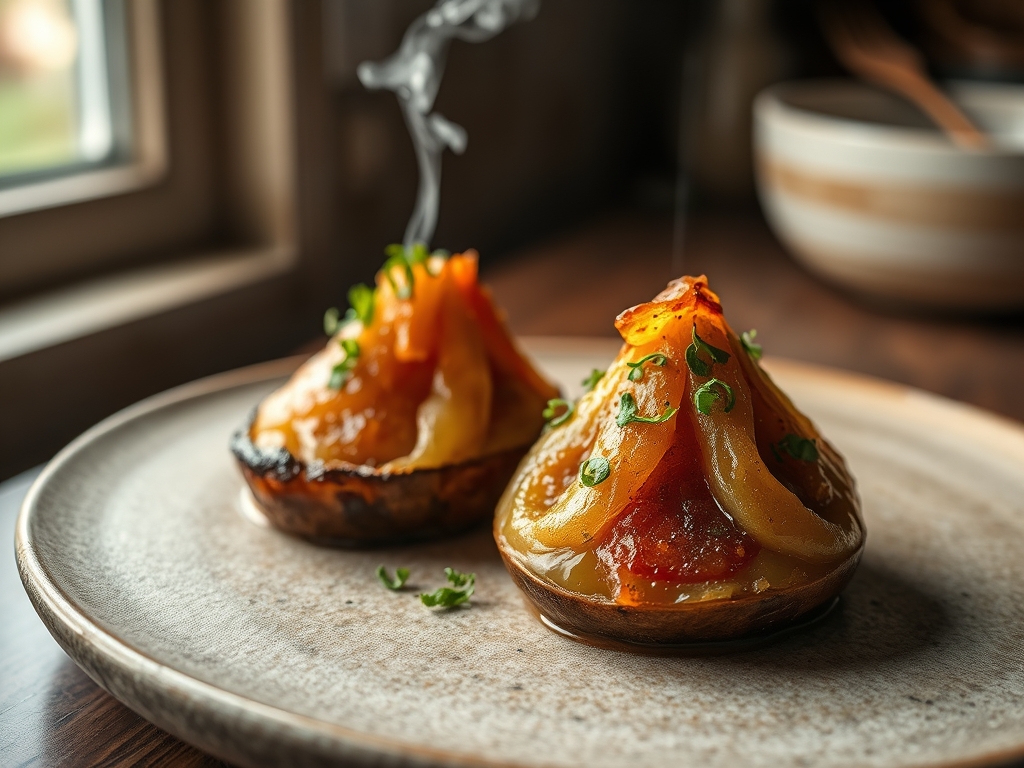
Picture a golden, craggy peak of starch erupting with molten cheese and spicy aioli; it is the ultimate comfort food evolved into a structural masterpiece. These volcano potato recipes are not just snacks; they are a masterclass in texture and thermal dynamics. We are moving beyond the humble fry and into the realm of architectural appetizers that will leave your guests breathless.
Whether you are hosting a high-stakes game night or just craving something that shatters between your teeth before melting into a creamy center; these recipes are your new secret weapon. We are going to harness the power of the Maillard reaction to create deep, savory crusts that hold back floods of piquant sauces. It is time to treat your kitchen like a laboratory and your palate like a VIP guest. Grab your apron; we are about to turn the humble spud into a culinary explosion.
The Gathers:
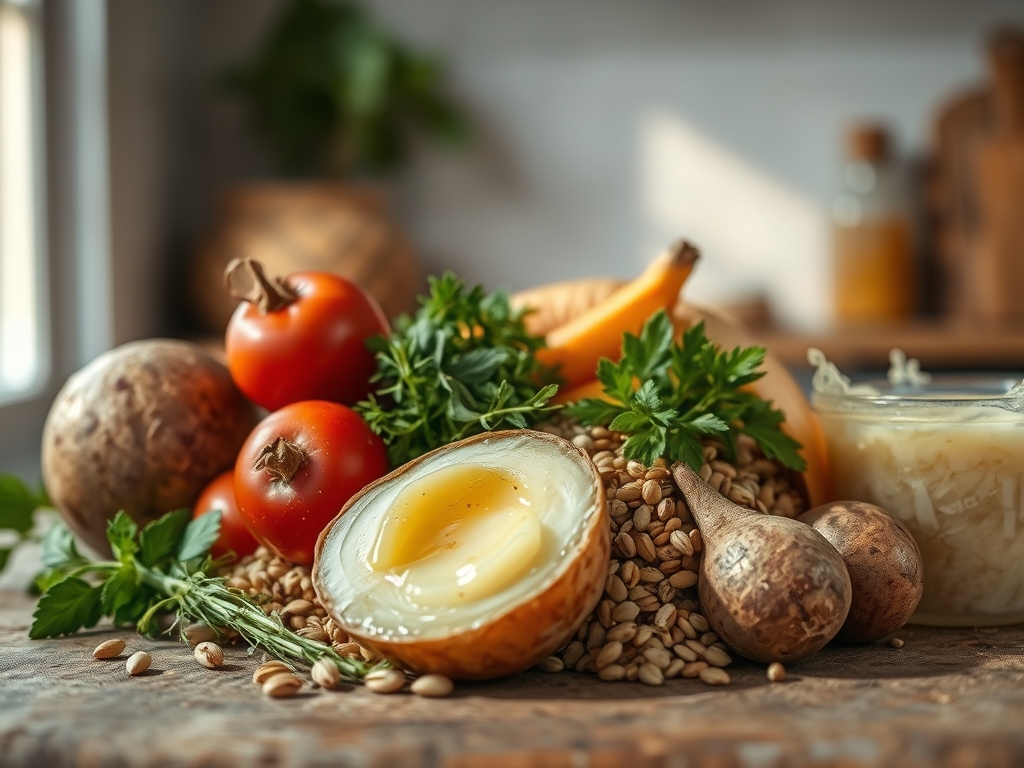
To achieve the structural integrity required for a true volcano potato, your mise-en-place must be precise. Start with high-starch Russet potatoes; their high amylose content ensures a fluffy interior and a crisp, dehydrated exterior when fried. You will need a digital scale to ensure uniform sizing, which is the only way to guarantee consistent cooking times across the board. For the "lava," gather high-fat dairy like heavy cream and sharp cheddar; the lipids are essential for a viscous flow that does not break under high heat.
Smart Substitutions are your best friend here. If you are out of Russets, Yukon Golds offer a buttery, waxy alternative that holds its shape better for "tower" styles, though you will sacrifice some crunch. Instead of standard table salt, use smoked Maldon sea salt to infuse a campfire aroma into the starch. If you lack a traditional piping bag for the fillings, a heavy-duty freezer bag with the corner snipped will suffice, though a professional stainless steel nozzle provides the best "eruption" aesthetics.
The Clock
Preparation for these snacks requires a "Chef's Flow" mentality; you cannot rush the physics of moisture evaporation. Expect 20 minutes of active prep time to peel, slice, and hollow your vessels. The initial par-boiling or steaming phase takes 12 to 15 minutes; this step is non-negotiable as it gelatinizes the starches before the high-heat finish.
The final "blast" in the oven or air fryer takes another 15 to 20 minutes depending on the density of your potato walls. Total time clocks in at roughly 55 minutes. By staggering your tasks; grating cheese while the potatoes steam and whisking your sauces during the roast; you eliminate dead time and ensure the snacks hit the table at their thermal peak.
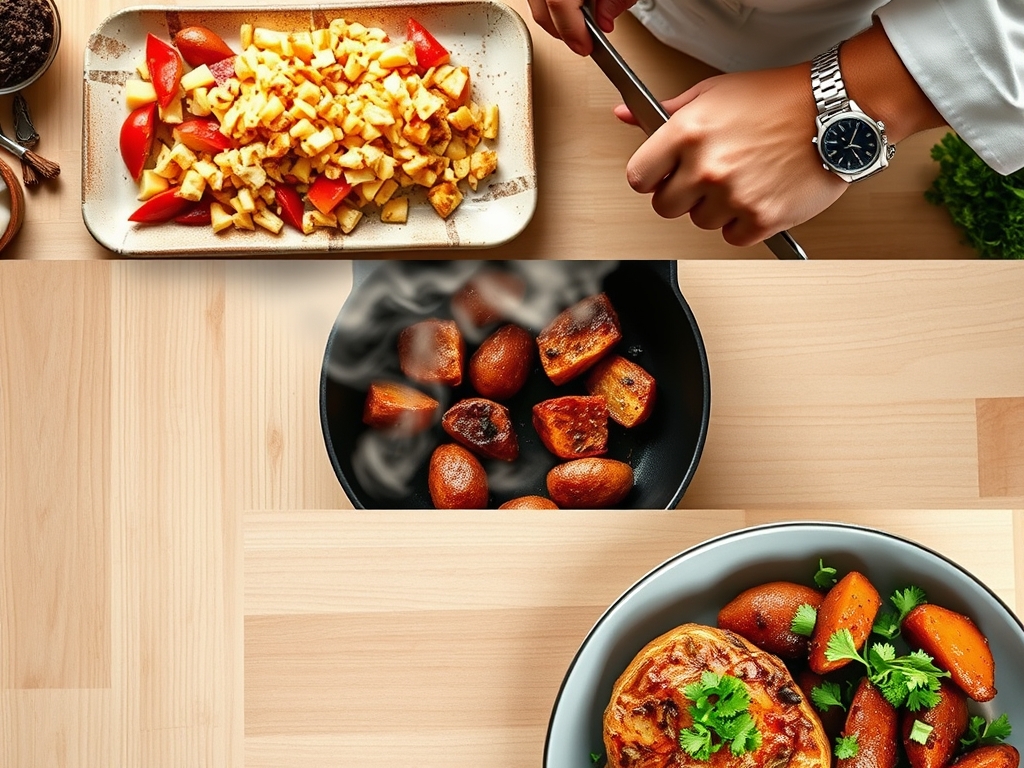
The Masterclass
1. The Foundation Sculpt
Select uniform potatoes and use a bench scraper to trim the ends so they stand perfectly upright. Use a small melon baller or a teaspoon to hollow out the center, leaving a half-inch wall of flesh. Do not discard the insides; they can be mashed and seasoned to create the "plug" for the bottom of your volcano.
Pro Tip: This structural trimming prevents "toppling" during the expansion phase. The science here is thermal expansion; as the water inside the potato turns to steam, it needs space to move without bursting the outer skin.
2. The Par-Cook Infusion
Submerge your potato shells in heavily salted water and simmer until just fork-tender but not crumbling. Add a teaspoon of baking soda to the water. This raises the pH of the water, which breaks down the pectin on the surface of the potato, creating a starchy slurry that will eventually crisp up into a glass-like crust.
Pro Tip: This is known as alkaline par-boiling. By increasing the surface area through this micro-breakdown, you create more sites for the Maillard reaction to occur once heat is applied.
3. The Dehydration Blast
Pat the potatoes bone-dry with lint-free towels. Use a pastry brush to coat every crevice with high-smoke-point oil or rendered duck fat. Place them on a wire rack over a baking sheet to allow 360-degree airflow. Roast at 425 degrees Fahrenheit until the exterior is a deep, mahogany brown.
Pro Tip: Surface moisture is the enemy of crispness. If the potato is wet, the energy of the oven goes into evaporating that water rather than browning the starch; a process called latent heat of vaporization.
4. The Molten Core Synthesis
While the shells roast, create your lava. In a small saucier, melt butter and whisk in flour to create a blonde roux. Slowly add whole milk and shredded cheese, whisking constantly to create a stable emulsion. Season with smoked paprika and a dash of cayenne for that "magma" glow.
Pro Tip: Use a microplane to grate your cheese from a block. Pre-shredded cheeses are coated in potato starch or cellulose to prevent clumping, which can lead to a grainy, broken sauce rather than a silky flow.
5. The Eruption Assembly
Remove the hot shells from the oven and immediately pipe the cheese mixture into the hollowed centers. Top with "ash" (crushed bacon bits or charred scallions). For the 6 different styles, vary your fillings: go for a Buffalo chicken core, a truffle mushroom puree, or a spicy chorizo hash.
Pro Tip: Thermal carryover will continue to cook the interior of the potato for several minutes after it leaves the oven. Filling them immediately allows the residual heat to fuse the sauce to the potato walls.
6. The Final Sear
For an extra layer of flavor, use a kitchen torch to lightly char the top of the cheese eruption. This adds a bitter, smoky contrast to the rich, salty interior. Garnish with micro-greens or finely minced chives using tongs for precision placement.
Pro Tip: The torching triggers pyrolysis, the decomposition of organic matter by heat. This creates complex carbon compounds that provide a "char-grilled" flavor profile without overcooking the potato.
The Deep Dive
From a macro perspective, these snacks are carbohydrate-heavy but can be balanced. A single volcano potato averages 250 calories, 15g of fat, and 28g of carbohydrates. To make these Vegan, swap the cheese for a cashew-based cream and use avocado oil for roasting. For a Gluten-Free version, ensure your thickener is cornstarch or arrowroot powder rather than flour.
"The Fix-It": If your potatoes are soggy, your oven temp was too low; blast them at 450 for five minutes. If the cheese sauce breaks (oily separation), whisk in a splash of cold heavy cream to re-emulsify the fats. If the potatoes crack, your walls were too thin; aim for a minimum of 1.5cm thickness next time. For meal prep, never microwave these. Reheat in an air fryer at 375 degrees for 6 minutes to restore the "crunch" through re-dehydration.
The Wrap-Up
Mastering volcano potato recipes is about more than just following a list; it is about understanding the chemistry of the crunch. You have learned how to manipulate pH levels for better browning and how to manage emulsions for a perfect pour. These snacks are a testament to what happens when culinary science meets pure, unadulterated comfort. Now, go forth and erupt some flavor in your kitchen!
The Kitchen Table
How do I keep the potatoes from tipping over?
Use a bench scraper or sharp knife to slice a perfectly flat sliver off the bottom of each potato. This creates a stable base that prevents the potato from leaning or falling during the high-heat roasting process.
Can I make these ahead of time?
Yes; you can par-boil and hollow the potatoes up to 24 hours in advance. Store them in the fridge uncovered to allow the skin to air-dry; this actually improves the final crunch when you are ready to roast.
Why is my cheese sauce grainy?
Graininess usually happens because the cheese was added to a boiling liquid, causing the proteins to clump. Always remove your saucier from the heat before whisking in hand-grated cheese to ensure a smooth, viscous result.
What is the best potato for this recipe?
Russet potatoes are the gold standard due to their high starch content. The starch granules swell and separate during cooking, creating the light, mealy texture that perfectly absorbs the molten "lava" fillings.