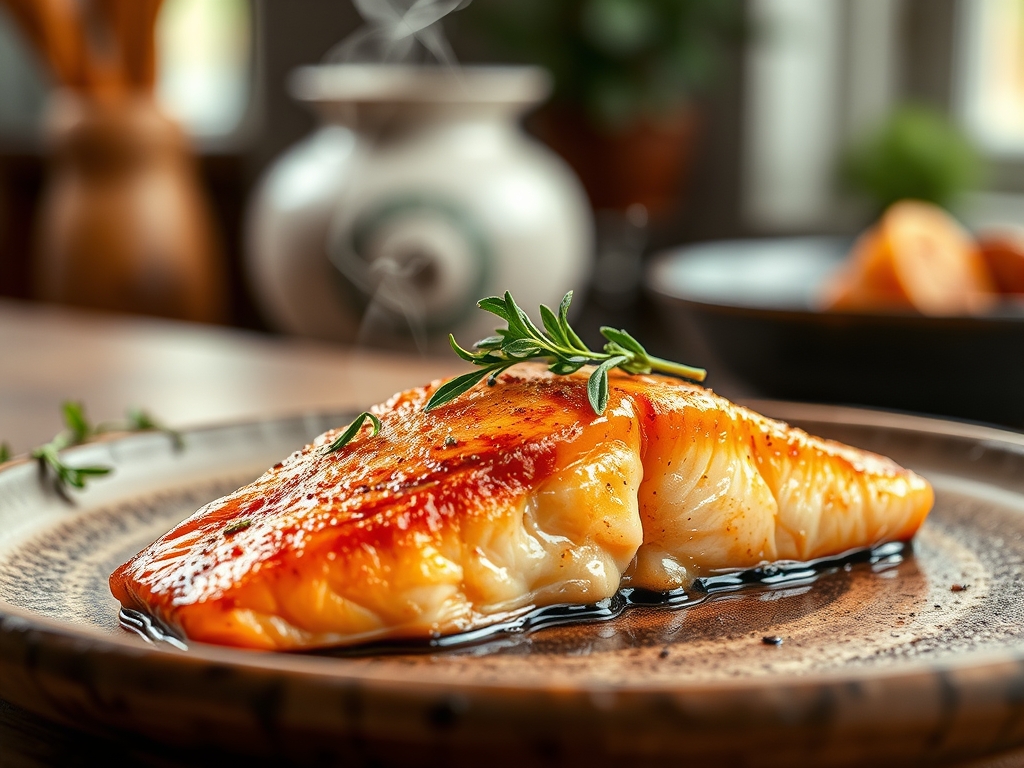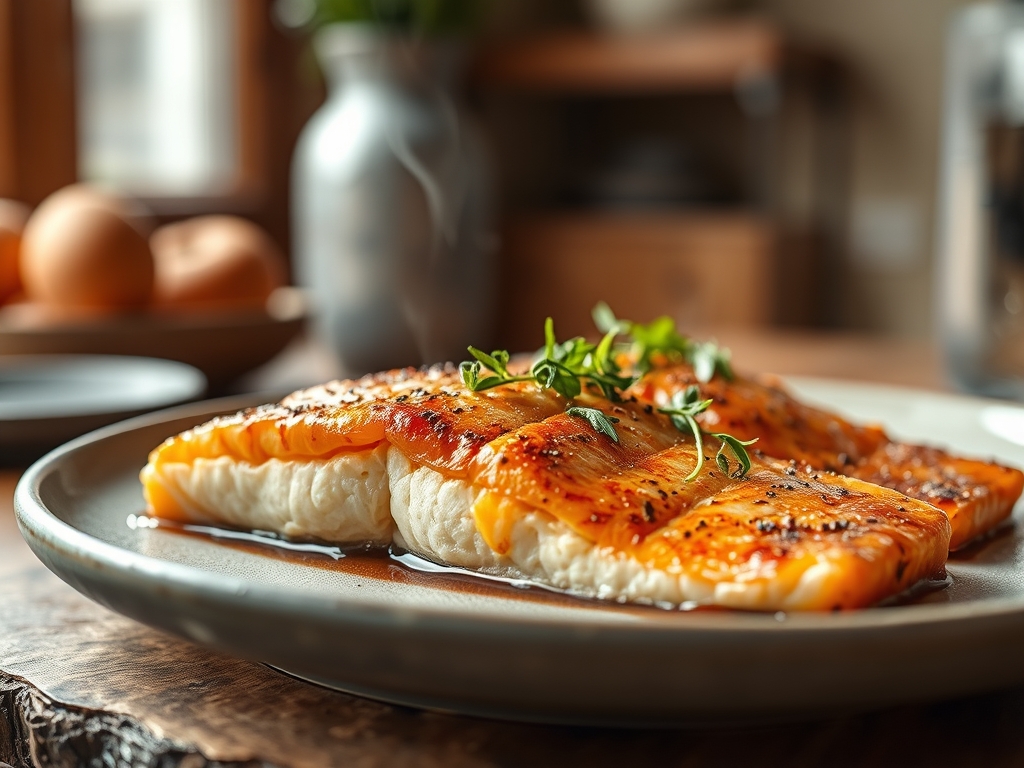
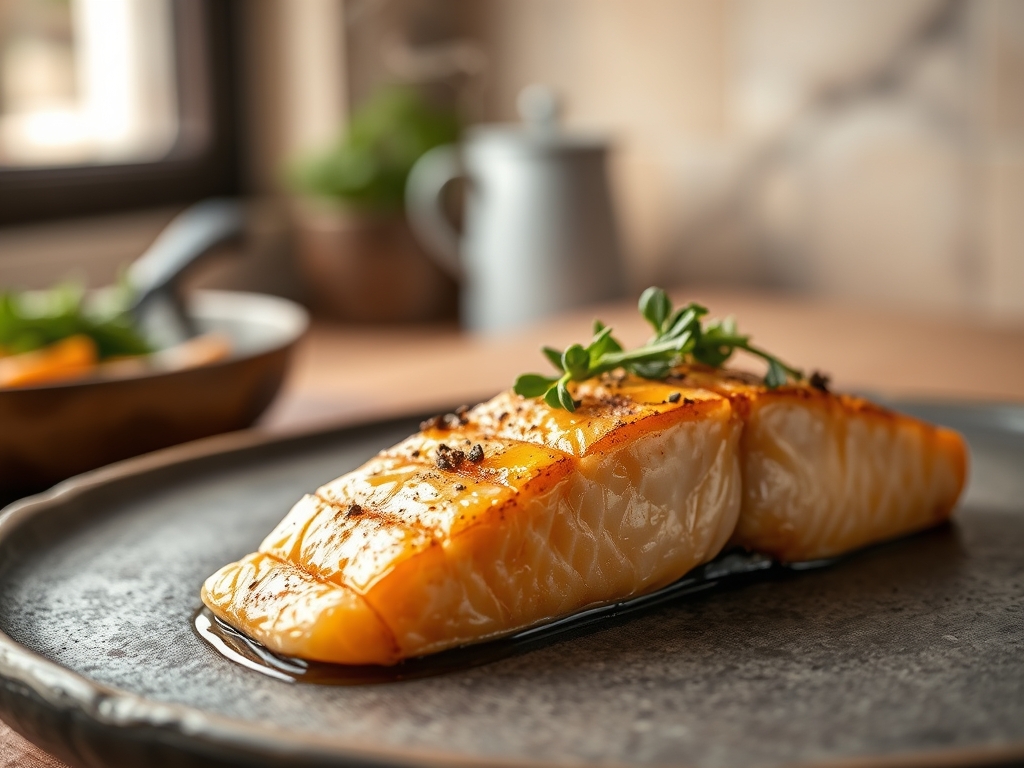
Imagine the sound of a heavy-bottomed cast iron skillet meeting a high-flame burner; that sharp, metallic ring is the opening bell for the best meal of your week. We are diving deep into the world of jack salmon recipes, a culinary secret that transforms humble whiting into a gold-standard feast. Despite the name, this isn't salmon at all. It is silver hake, a delicate, flaky whitefish that possesses a structural integrity perfect for high-heat searing and deep, soulful frying. When you master these jack salmon recipes, you are not just cooking dinner; you are manipulating proteins and lipids to create a sensory masterpiece of crunch and silk.
The kitchen is about to become a laboratory of flavor. We are looking for that specific, shatter-crisp exterior that protects a steaming, translucent interior. This requires more than just luck; it requires an understanding of how moisture behaves under pressure. Whether you are craving a classic Southern fry or a sophisticated pan-sear with a piquant lemon-caper reduction, the versatility of this fish is your greatest asset. Grab your favorite apron and clear the counter. We are about to elevate your weeknight rotation with ten definitive ways to prepare this underrated gem, ensuring every bite is a testament to your growing technical prowess.
The Gathers:
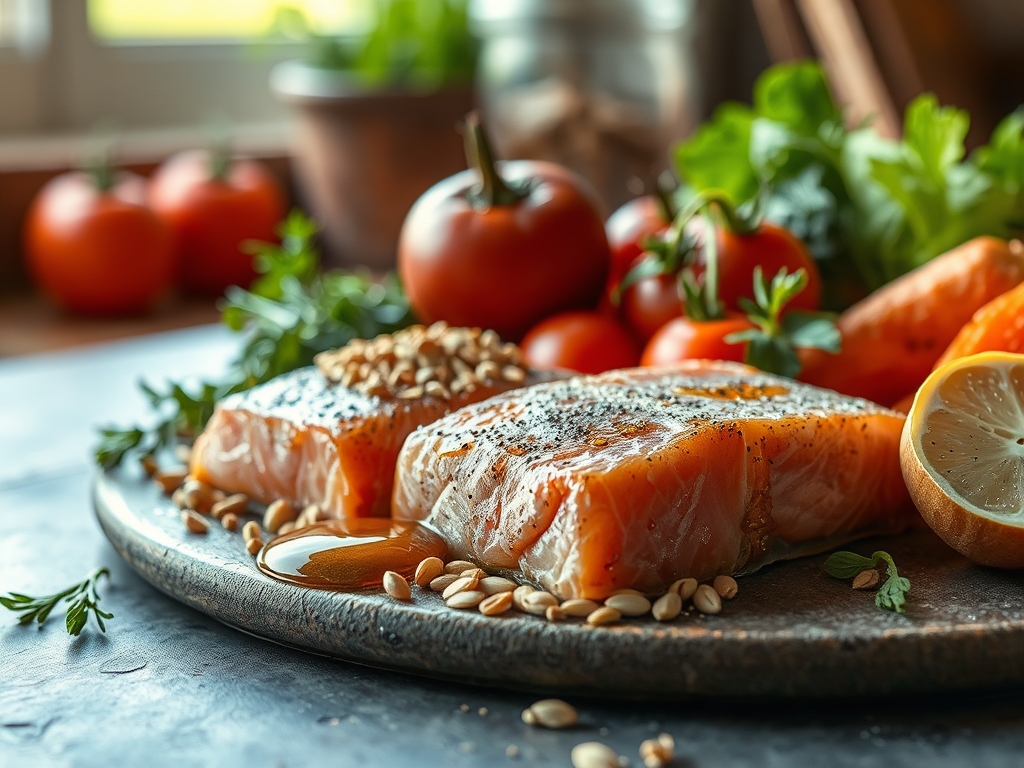
To execute these jack salmon recipes with precision, your mise-en-place must be flawless. Start with the star: fresh or flash-frozen jack salmon fillets. You want flesh that is firm to the touch, not viscous or slimy. For the coating, we utilize a blend of fine-ground cornmeal and all-purpose flour. This creates a dual-layered texture; the cornmeal provides the structural "crunch" while the flour fills the gaps for total coverage. You will need a high-smoke-point oil like grapeseed or refined peanut oil to ensure you can reach the necessary temperatures without the oil breaking down into acrid compounds.
Your spice drawer is your control panel. Reach for smoked paprika for depth, cayenne for a piquant kick, and plenty of kosher salt to draw out excess moisture. A microplane is essential here for zesting fresh lemons, which provides the bright acidity needed to cut through the richness of the fry. For "Smart Substitutions," if you are avoiding gluten, a 1:1 ratio of rice flour and cornstarch produces an even crispier result due to the lack of protein-binding gluten. If you cannot find jack salmon, any small, sustainable whitefish like croaker or porgy will behave similarly under heat.
The Clock
The "Chef's Flow" is all about timing the thermal energy of your kitchen. Preparation takes approximately 15 minutes; this includes the crucial step of patting the fish bone-dry with paper towels. If the surface is damp, you will steam the fish rather than sear it. Cooking time is remarkably fast, usually clocking in at 3 to 4 minutes per side depending on the thickness of the fillets.
Total active time for most jack salmon recipes is under 30 minutes. The secret is to have your side dishes, like a crisp slaw or seasoned rice, ready before the fish hits the pan. Fish waits for no one. Once the internal temperature reaches 145 degrees Fahrenheit, the carryover cooking will finish the job while you plate. Use a digital scale to portion your fillets evenly so they all finish at the exact same moment, preventing the tragedy of one overcooked piece.
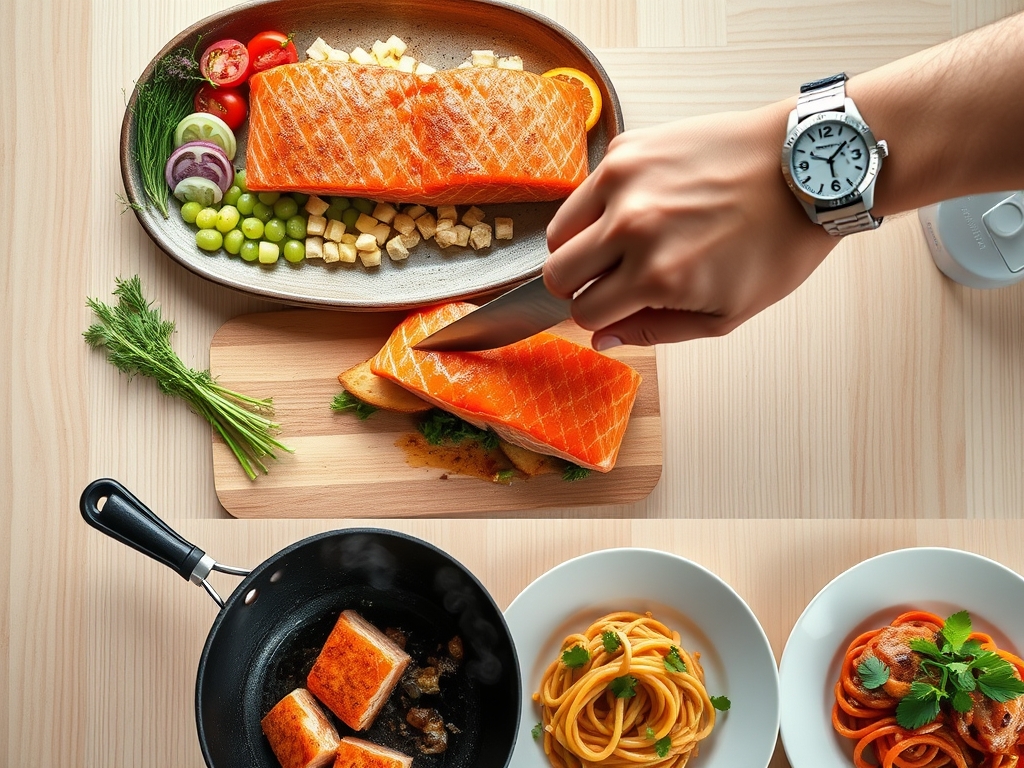
The Masterclass
1. The Desiccation Ritual
Begin by laying your fillets on a flat surface and using a heavy-duty paper towel to press out every drop of surface moisture. This is the most critical step in all jack salmon recipes. Use a bench scraper to move the fillets without tearing the delicate skin.
Pro Tip: This process prevents the "Leidenfrost effect" from causing the batter to slide off. By removing surface water, you ensure the flour bonds directly to the fish proteins, creating a seamless crust.
2. The Seasoning Infusion
Whisk your dry ingredients in a shallow dredge tray. Ensure the salt is evenly distributed to prevent "hot spots" of flavor. Dredge each fillet, shaking off the excess vigorously. You want a translucent veil of flour, not a thick blanket.
Pro Tip: Salt acts as a denaturant. By seasoning just before frying, you draw out a tiny amount of moisture that acts as a natural "glue" for the cornmeal, ensuring the breading stays attached during the flip.
3. Achieving the Perfect Render
Heat your heavy-bottomed skillet until the oil shimmers and barely begins to smoke. Carefully lay the fish away from your body to avoid oil splatter. Do not crowd the pan; overcrowding drops the oil temperature and leads to a greasy, soggy finish.
Pro Tip: This is the Maillard reaction in action. The amino acids and reducing sugars in the flour react under high heat to create hundreds of different flavor compounds and that signature golden-brown hue.
4. The Flip and Finish
Use tongs or a fish spatula to gently lift the edge. If it resists, it is not ready. Once golden, flip once. Add a knob of unsalted butter and a sprig of thyme to the pan, using a spoon to baste the fish as it finishes.
Pro Tip: Basting with butter introduces "thermal carryover" more gently than direct contact with the pan. The milk solids in the butter brown quickly, adding a nutty aroma that complements the mild fish.
The Deep Dive
From a macro perspective, jack salmon is a lean protein powerhouse. A standard 6-ounce serving provides roughly 32 grams of protein with minimal fat, making it an excellent choice for muscle recovery and satiety. For those following a Keto lifestyle, replace the cornmeal dredge with crushed pork rinds or almond flour to keep the net carbs near zero. For a vegan-adjacent approach (if you are cooking for a mixed crowd), the same dredging technique works beautifully on thick slices of firm tofu or oyster mushrooms.
"The Fix-It" guide for common pitfalls:
- The Breading Falls Off: This usually means the oil wasn't hot enough or the fish was too wet. Ensure the oil is at least 350 degrees Fahrenheit before starting.
- The Fish is Rubbery: You have overcooked it. Use a digital thermometer and pull the fish at 140 degrees; it will rise to 145 degrees on the plate.
- The Crust is Burnt but Inside is Raw: Your heat is too high. Lower the flame slightly and use a saucier to spoon warm oil over the top to speed up internal cooking.
Meal prep for jack salmon recipes requires a specific reheating science. Never use a microwave; it turns the protein "rubbery" and kills the crunch. Instead, use an air fryer or a toaster oven at 375 degrees for 4 minutes. This flash-heats the exterior oils, crisping the crust back to its original "day-one" glory without drying out the center.
The Wrap-Up
Mastering jack salmon recipes is a rite of passage for any home cook looking to bridge the gap between "good" and "gourmet." By focusing on moisture control, temperature management, and the chemistry of the Maillard reaction, you have turned a simple whitefish into a high-density nutritional win. The beauty of this fish lies in its honesty; it doesn't need heavy sauces to hide behind. It just needs a hot pan, a steady hand, and your new technical expertise. Now, go pour a crisp glass of white wine and enjoy the crunch that you worked so hard to perfect.
The Kitchen Table
What is the best oil for frying jack salmon?
Use an oil with a high smoke point like peanut, grapeseed, or canola oil. These oils can withstand the 350-375 degree temperatures required for a crisp crust without breaking down or adding a bitter, burnt flavor to the fish.
How do I keep the fish from sticking to the pan?
Ensure your skillet is fully preheated before adding oil. Once the oil is shimmering, add the fish. Do not attempt to flip the fillet until it naturally releases from the surface, indicating the crust has fully formed and hardened.
Can I bake jack salmon instead of frying it?
Yes. Preheat your oven to 400 degrees Fahrenheit. Place seasoned fillets on a wire rack over a baking sheet. Spray lightly with olive oil and bake for 10 to 12 minutes. The wire rack allows hot air to circulate for maximum crispness.
Is jack salmon actually a type of salmon?
No. Jack salmon is a regional colloquialism for silver hake or whiting. It is a white-fleshed fish with a mild flavor and flaky texture, completely unrelated to the fatty, pink-fleshed salmon species found in the Atlantic or Pacific oceans.