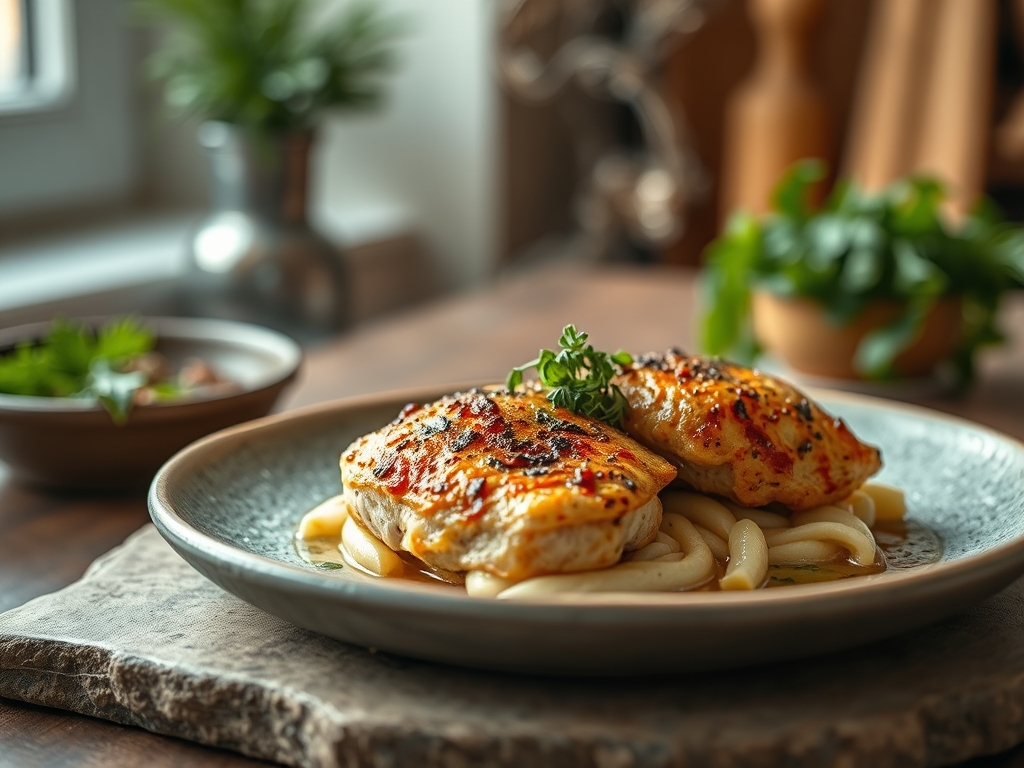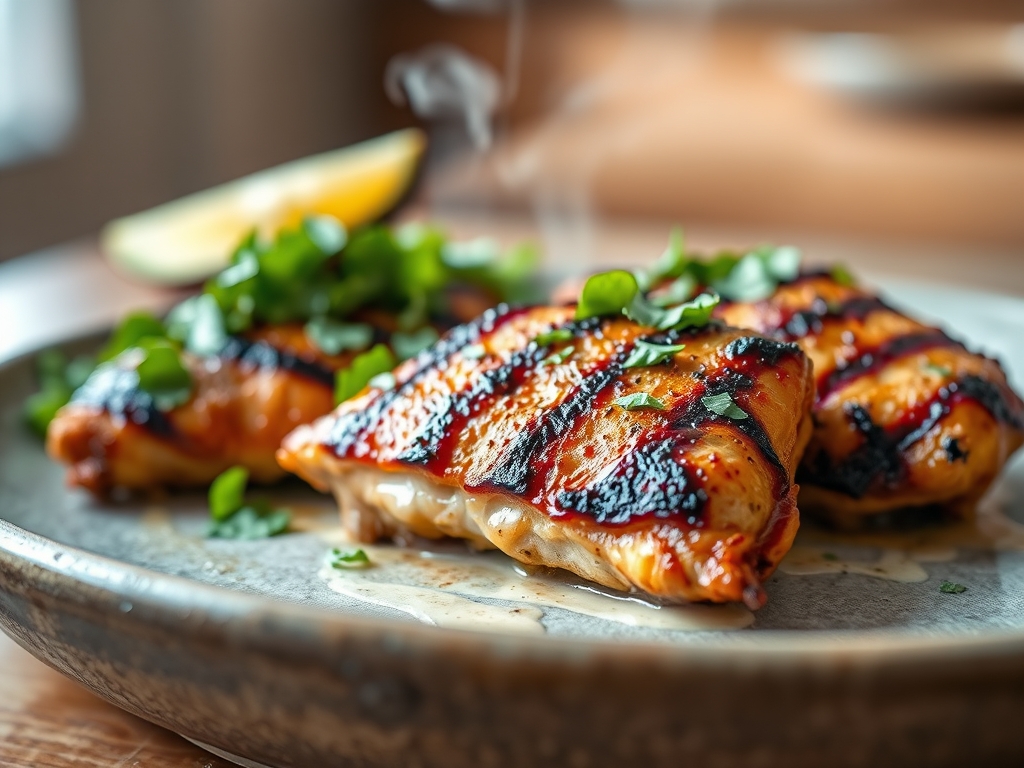
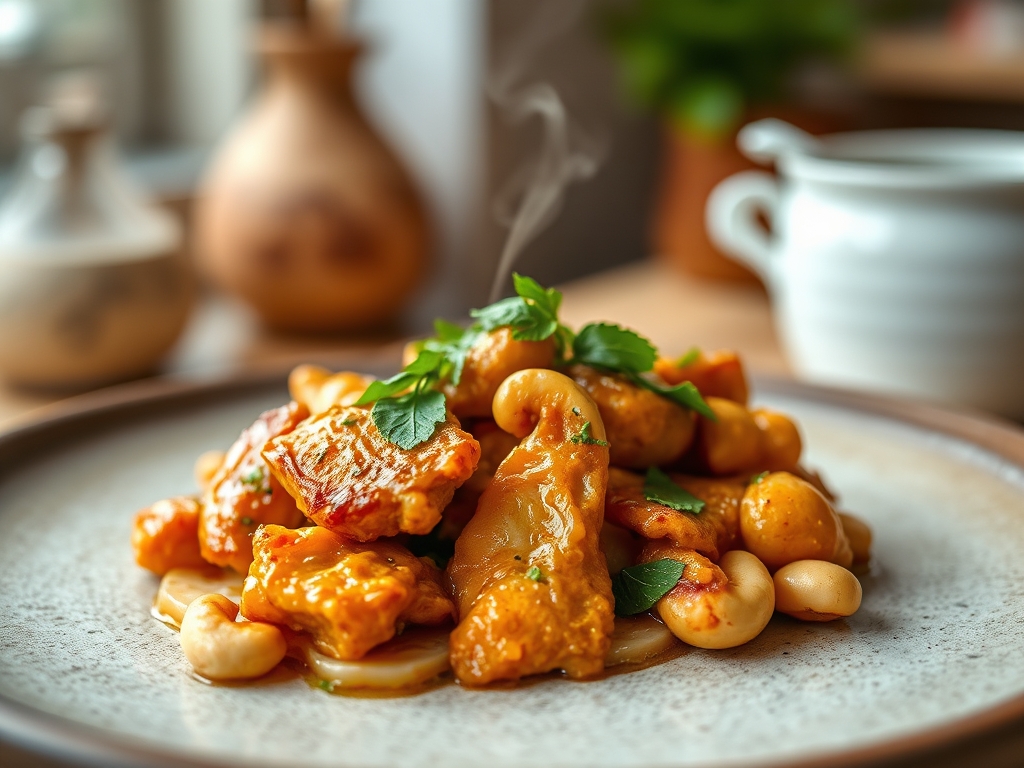
Picture the sound of a heavy-bottomed carbon steel wok meeting a high-velocity flame. The air in your kitchen suddenly shifts from neutral to electric as the piquant aroma of dried chilies hits the heat. We are chasing the perfect balance of salty, sweet, and nutty through these six definitive thai cashew chicken recipes. It is a dish that relies on the precise physics of heat and the chemistry of caramelization.
Most people settle for a soggy, overly sweet takeout version that lacks the structural integrity of a true stir-fry. We are going to change that. By understanding how to properly render chicken fat and toast nuts to their peak aromatic potential, you will transform basic poultry into a masterpiece of texture and depth. Whether you want the classic street-food crunch or a modern, refined glaze, these thai cashew chicken recipes provide the blueprint for culinary success. We are moving beyond simple cooking into the realm of flavor engineering; making sure every bite offers a shatteringly crisp exterior and a succulent, tender interior. Grab your apron and your favorite chef's knife. We are about to turn your kitchen into the best bistro in town.
The Gathers:
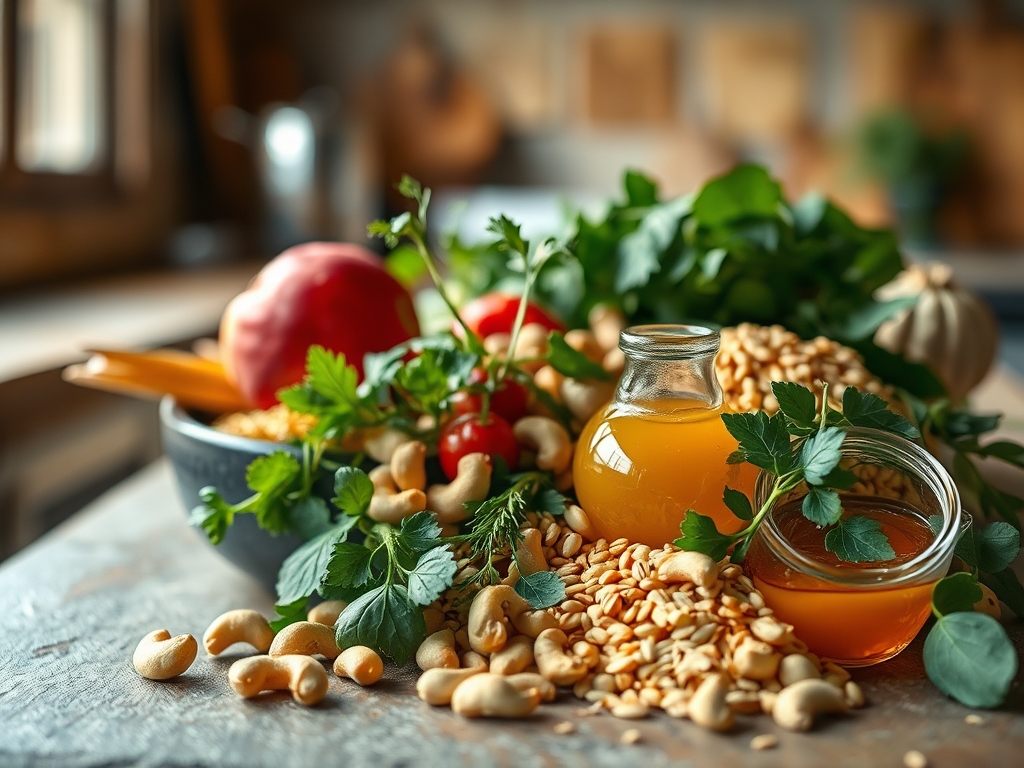
To execute these thai cashew chicken recipes with precision, your mise-en-place must be flawless. Start with the protein: boneless, skinless chicken thighs are superior to breasts because their higher fat content prevents drying during high-heat agitation. You will need raw, unsalted cashews; roasting them yourself allows you to control the Maillard reaction and ensures the oils are fresh rather than rancid.
The aromatics are the soul of the dish. Gather fresh garlic cloves, shallots, and dried Thai bird's eye chilies. For the sauce, you need a high-quality oyster sauce, light soy sauce, and dark soy sauce for that deep, mahogany hue. A touch of palm sugar provides a complex sweetness that granulated sugar cannot replicate. Finally, fresh scallions cut on a bias add a bright, sulfurous snap to finish.
Smart Substitutions: If you are avoiding gluten, swap the soy sauces for tamari or liquid aminos. If you cannot find palm sugar, a dark brown sugar or coconut sugar will mimic those caramel notes. For those who prefer a leaner profile, chicken breast works if you use a velveting technique (a light dusting of cornstarch and egg white) to protect the delicate proteins from seizing. Use a digital scale to measure your liquids for consistency; professional results require professional accuracy.
The Clock: Timing the Heat
Efficiency in the kitchen is about the "Chef's Flow." Total prep time for these recipes is approximately 20 minutes, while the actual cook time is a lightning-fast 8 to 10 minutes. The goal is to minimize the time the chicken spends in the pan to prevent the meat from becoming fibrous.
Your "Flow" should look like this: 10 minutes for knife work (chopping aromatics and cubing protein), 5 minutes for whisking the sauce in a small saucier, and 5 minutes for toasting the cashews. Once the wok is smoking, there is no time to chop. Everything must be within arm's reach of your tongs and spatula. This rapid-fire execution ensures the vegetables retain their cellular structure and the sauce emulsifies into a glossy lacquer rather than a watery mess.
The Masterclass:
1. Toasting the Cashews
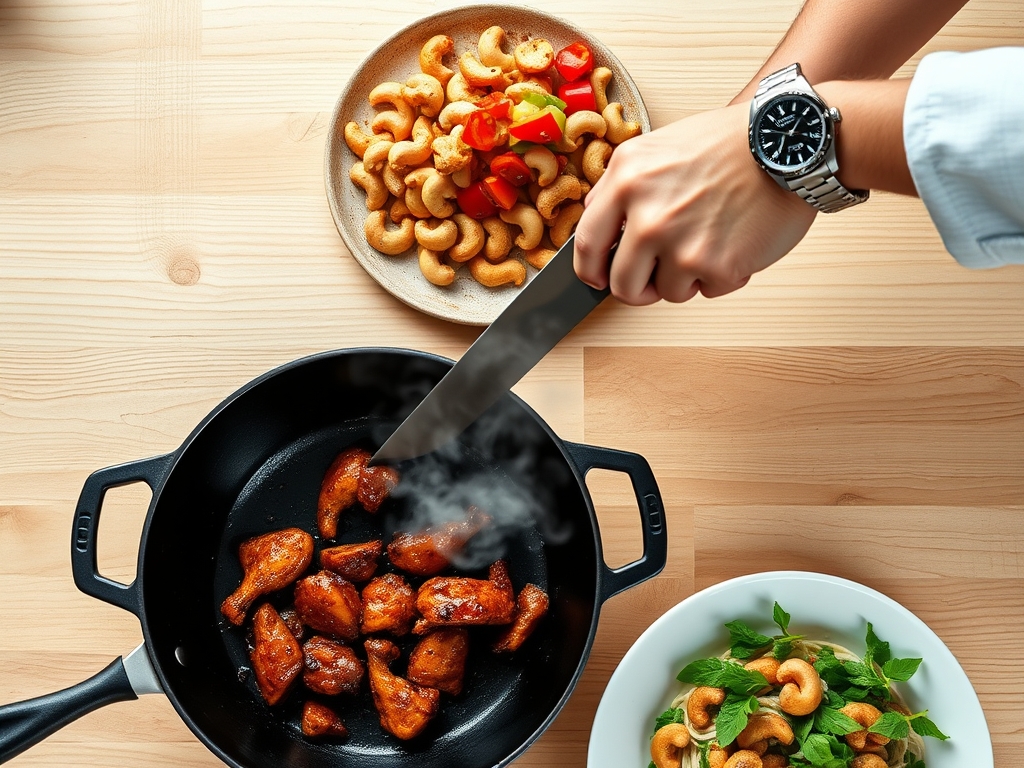
Place your raw cashews in a dry, heavy-bottomed skillet over medium heat. Toss them frequently until they turn a deep golden brown and become fragrant.
Pro Tip: This process is called dry roasting. It coaxes the essential oils to the surface of the nut, intensifying the flavor through thermal energy. If you skip this, the nuts will stay soft and bland in the final dish.
2. Searing the Protein
Heat your wok until a drop of water flicked onto the surface dances and evaporates instantly. Add a high-smoke-point oil (like peanut or grapeseed) and sear the chicken in a single layer.
Pro Tip: Avoid overcrowding the pan. Overcrowding drops the surface temperature, causing the chicken to steam in its own juices rather than sear. This prevents enzymatic browning, which is vital for a savory crust.
3. Infusing the Aromatics
Push the chicken to the sides of the wok and drop in your garlic, shallots, and dried chilies. Stir-fry for 30 seconds until the oil becomes vibrant and red.
Pro Tip: This is known as blooming the spices. Fat is a highly efficient solvent for flavor compounds; by frying the aromatics, you infuse the oil with fat-soluble capsaicin and allicin, distributing flavor evenly.
4. The Sauce Emulsification
Pour your pre-mixed sauce over the chicken and aromatics. Use a silicone spatula to scrape the bottom of the pan, loosening any browned bits (fond).
Pro Tip: As the sauce boils, the starches and sugars undergo reduction. This concentrates the flavor and creates a viscous coating that clings to the ingredients through surface tension.
5. The Final Toss
Add the toasted cashews and scallions back into the wok. Give everything a vigorous toss for 45 seconds to ensure every component is glazed.
Pro Tip: Watch for thermal carryover. Remove the pan from the heat just before you think it is done. The residual heat will finish cooking the scallions without turning them into mush.
6. The Aeration Finish
Transfer the dish immediately to a serving platter, spreading it out slightly rather than piling it into a deep bowl.
Pro Tip: Spreading the food allows steam to escape. If you pile it high, the trapped steam will soften the crisp exterior of the chicken and the crunch of the cashews, ruining the textural contrast.
The Deep Dive: Science and Solutions
Macro Nutrition: One serving of these thai cashew chicken recipes typically contains 350 to 450 calories. It is high in lean protein and heart-healthy monounsaturated fats from the cashews. To lower the glycemic load, serve it over cauliflower rice instead of white jasmine rice.
Dietary Swaps:
- Vegan: Replace chicken with extra-firm tofu that has been pressed to remove moisture. Use a mushroom-based "oyster" sauce.
- Keto: Omit the sugar and cornstarch. Use liquid stevia and thicken the sauce by reducing it longer or using a pinch of xanthan gum.
- GF: Ensure your oyster sauce is certified gluten-free, as many brands use wheat-based thickeners.
The Fix-It:
- Problem: The sauce is too thin. Fix: Whisk a teaspoon of cornstarch with cold water (a slurry) and stir it into the boiling sauce.
- Problem: The dish is too salty. Fix: Add a squeeze of fresh lime juice. The acid cuts through the sodium perception.
- Problem: The chicken is tough. Fix: Next time, use the velveting method or switch to thigh meat, which handles high heat better.
Meal Prep: To reheat, avoid the microwave if possible. Use a skillet over medium-high heat with a teaspoon of water. This creates enough steam to moisten the meat while the direct heat recrisps the cashews.
The Wrap-Up:
Mastering thai cashew chicken recipes is a gateway to understanding the delicate balance of Southeast Asian flavor profiles. By focusing on the science of the sear and the timing of your aromatics, you have moved from a recipe-follower to a flavor-maker. Remember; the secret is in the heat and the prep. Keep your wok hot, your ingredients ready, and your palate curious. You have got the tools and the technique to make something truly spectacular tonight.
The Kitchen Table:
How do I keep the cashews crunchy?
Add the toasted cashews at the very last second before serving. If they simmer in the sauce for too long, they absorb moisture and lose their structural integrity. Immediate serving is the key to maintaining that signature snap.
Can I use roasted salted cashews?
You can, but you must significantly reduce the soy sauce in the recipe. Using pre-salted nuts makes it difficult to control the final sodium levels. Always taste your sauce before adding extra salt if using pre-processed nuts.
What is the best oil for stir-frying?
Use oils with a high smoke point, such as peanut, canola, or grapeseed oil. Avoid extra virgin olive oil or butter; they will burn and become bitter at the high temperatures required for a proper Thai stir-fry.
Why is my chicken sticking to the wok?
The pan likely was not hot enough before adding the oil. This is the Leidenfrost effect; a properly heated pan creates a microscopic barrier of steam that prevents sticking. Always preheat your dry wok before adding fat.