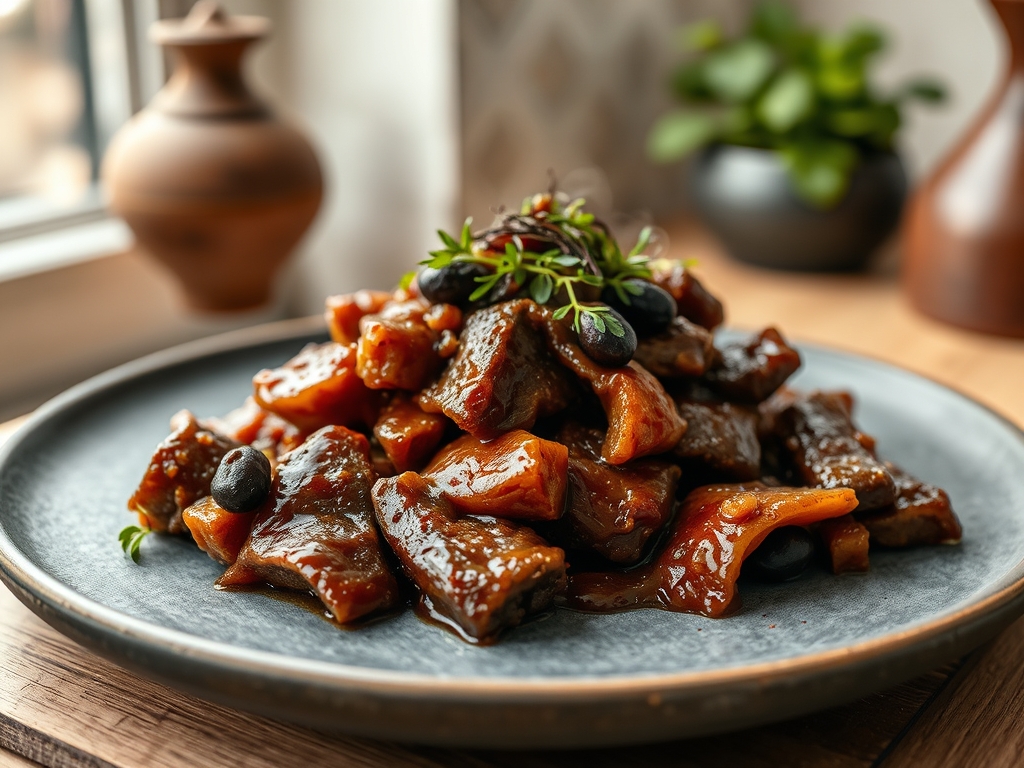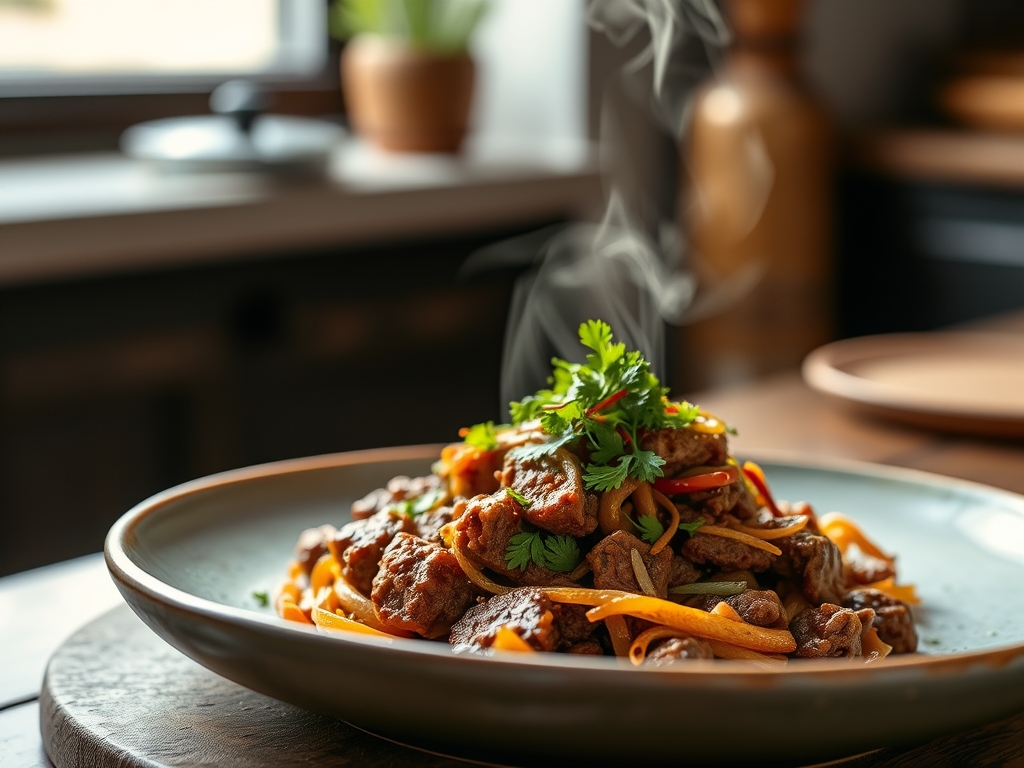
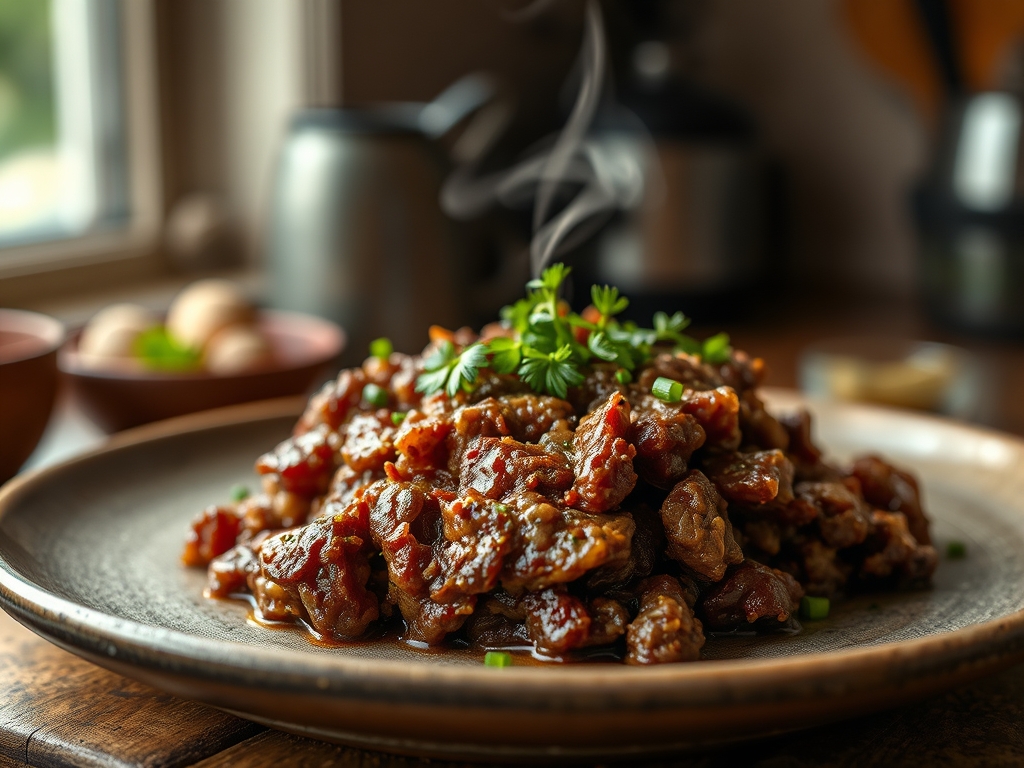
Picture the sound of a heavy-bottomed cast iron skillet hitting a high-flame burner; that sharp, metallic ring is the starting bell for a culinary transformation. When you are hunting for the best ground beef recipes carnivore enthusiasts swear by, you are looking for more than just fuel. You are looking for that perfect crust, the rich mouthfeel of rendered tallow, and the deep satisfaction that only a high-fat protein profile can provide. We are moving beyond the basic burger patty into a realm where salt, heat, and fat collide to create something truly transcendent. This is about mastering the Maillard reaction to turn humble mince into a gourmet feast that keeps your hormones happy and your energy levels stable.
Whether you are a seasoned veteran of the zero-carb lifestyle or a curious newcomer, the versatility of ground beef is your greatest asset. It is the ultimate canvas for flavor because of its high surface-area-to-volume ratio; this allows for maximum browning and fat distribution in every single bite. Today, we are diving deep into seven distinct ways to prepare this staple, ensuring you never face "palate fatigue" again. We will use professional techniques to ensure your meat stays succulent rather than grainy. Get your digital scale and your favorite spatula ready; we are about to elevate your kitchen game to a professional standard.
The Gathers:
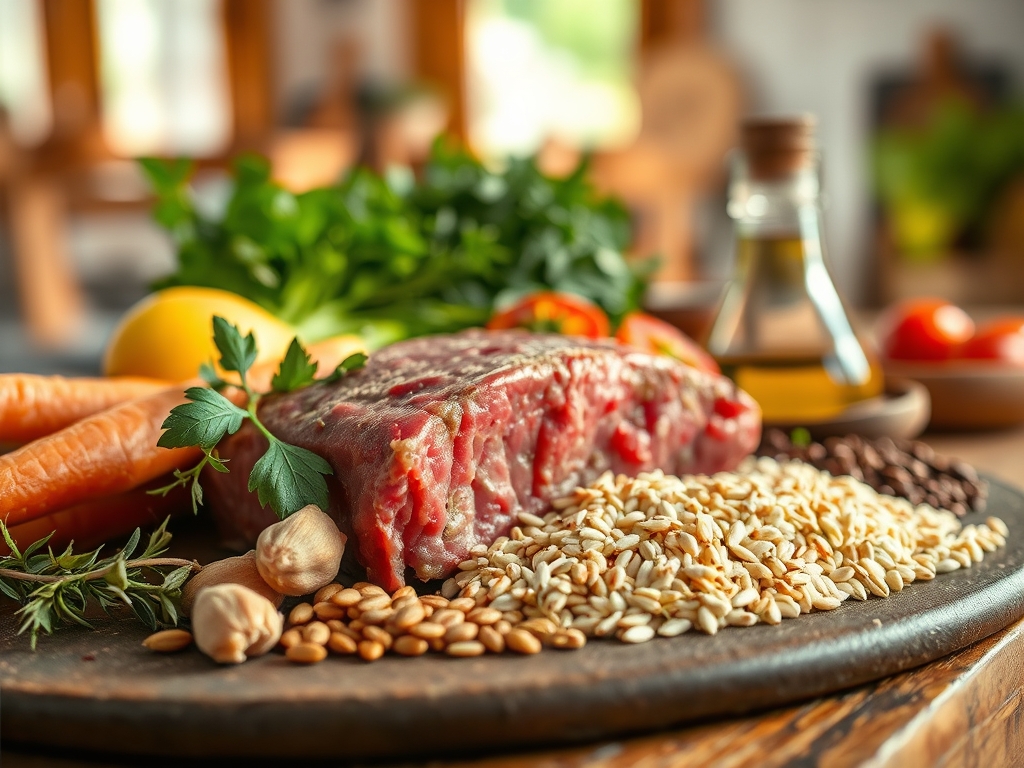
To execute these ground beef recipes carnivore style, your mise-en-place must be impeccable. We start with the foundation: 80/20 grass-fed ground beef. This ratio is critical because the 20 percent fat content provides the necessary lipids for a viscous, silky mouthfeel and prevents the protein fibers from tightening into a dry, rubbery mass. You will need high-quality flake sea salt to provide both sodium and a structural crunch. For those who include dairy, a block of sharp cheddar or a wedge of cold-pressed butter is essential to infuse the beef with a creamy finish.
Your toolkit is just as vital as your ingredients. Ensure you have a heavy-bottomed stainless steel skillet or seasoned cast iron to facilitate even heat distribution. A bench scraper is surprisingly useful for portioning bulk meat, while a digital scale ensures your macros are precise to the gram. For the "Smart Substitutions," if you find beef too heavy, you can incorporate ground lamb for a more piquant, gamey profile. If you are avoiding dairy but want that velvety texture, look to liquid gold: tallow. Rendering your own beef fat allows you to control the purity and smoke point of your cooking medium.
The Clock
Efficiency in the kitchen is about "Chef's Flow," the art of overlapping tasks so no heat is wasted. For these seven variations, the active prep time is remarkably low; usually under ten minutes. The cooking time ranges from a lightning-fast six-minute sear for "Carnivore Crumble" to a twenty-minute low-and-slow render for "Beef Butter Bites."
The secret to the flow is pre-heating. Your skillet should be radiating heat before the meat ever touches the surface. By the time you have weighed your portions on the digital scale, your pan should be at the optimal temperature to trigger immediate caramelization. This synchronized approach means you can go from a raw fridge state to a plated, nutrient-dense meal in less than fifteen minutes total.
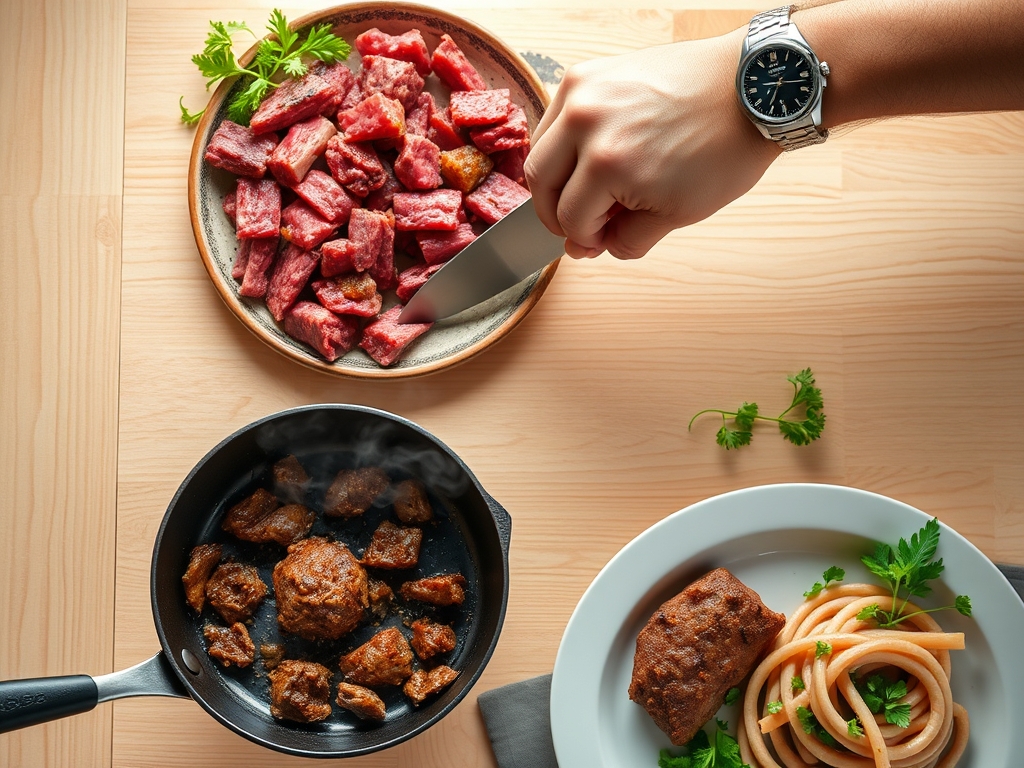
The Masterclass
1. The High-Sear Smash
Start by portioning your beef into loose 4-ounce spheres. Do not overwork the meat; you want to keep the protein strands loose to trap juices. Place the sphere onto a screaming hot skillet and use a heavy press or a secondary smaller pan to flatten it instantly.
Pro Tip: This technique maximizes the surface area for the Maillard reaction. This is a chemical reaction between amino acids and reducing sugars that gives browned food its distinctive flavor. By smashing the meat, you create a shattered-glass texture of crispy edges that are packed with umami.
2. The Butter-Poached Mince
Place your ground beef in a saucier over medium-low heat. Instead of searing, you are going to add two tablespoons of cold butter or tallow immediately. Use a whisk to break the meat into tiny, uniform granules as the fat melts.
Pro Tip: This method utilizes fat-emulsification. By whisking the meat as the fat renders at a lower temperature, you create a soft, almost pate-like consistency. The fat coats every individual fiber, preventing the "recoil" of protein strands that usually causes toughness.
3. The Salt-Cured Beef Bark
Spread your ground beef thin on a baking sheet and generous sprinkle with coarse salt. Let it sit in the fridge uncovered for two hours before hitting the pan. Sear it in large "sheets" rather than breaking it up.
Pro Tip: This is a form of dry-brining. The salt draws moisture out of the surface through osmosis, then creates a concentrated brine that is reabsorbed, seasoning the meat deeply. The drier surface leads to a much faster and more intense crust formation.
4. The Egg-Yolk Aerated Bowl
Cook your beef until just browned, then remove from heat. While the meat is still hot (but not sizzling), fold in two raw egg yolks using a silicone spatula.
Pro Tip: This relies on residual heat coagulation. The yolks will not "scramble" if the pan is off the heat; instead, they will thicken into a rich, custard-like sauce that binds the beef together. This adds essential choline and fat-soluble vitamins to your meal.
5. The Deglazed Pan-Sauce Beef
After searing your beef patties, remove them and leave the brown bits (the fond) in the pan. Pour in a splash of bone broth and use a whisk to scrape the bottom. Return the beef to the liquid for sixty seconds.
Pro Tip: Deglazing is the process of dissolving the caramelized proteins stuck to the pan. This "fond" contains the most concentrated flavor profile of the meat. Reintroducing it as a sauce ensures no micronutrients or flavors are lost to the dishwasher.
6. The Suet-Studded Roast
Mix small, chilled cubes of beef suet into your ground beef before forming it into a thick loaf. Bake at 375 degrees Fahrenheit until the internal temperature reaches 145 degrees.
Pro Tip: This creates intramuscular-mimicry. As the suet melts from the inside out, it bastes the lean protein from within. This prevents the center of the meatloaf from becoming chalky, resulting in a succulent, "prime rib" mouthfeel.
7. The Reverse-Sear Patties
Start your thick beef patties in a low-temperature oven (250 degrees) until they reach 115 degrees internally. Finish them with a thirty-second sear in a hot skillet with a touch of tallow.
Pro Tip: This manages thermal carryover. By heating the meat slowly first, you ensure the enzymes have time to break down connective tissue before the high heat of the sear locks everything in place. It results in a perfectly edge-to-edge pink interior.
The Deep Dive
When we look at the macro nutrition of these ground beef recipes carnivore style, we are seeing a powerhouse of bioavailable nutrients. A standard pound of 80/20 beef provides roughly 80 grams of protein and 100 grams of fat. It is a complete source of B12, zinc, and selenium. For those looking for dietary swaps, while this is a meat-centric guide, keto followers can add avocado for potassium, while those on a budget can swap expensive ribeye grinds for brisket-based ground beef to save money without sacrificing fat content.
"The Fix-It" section is where we troubleshoot common errors. If your meat is "grey and steaming" instead of browning, you have overcrowded the pan; cook in smaller batches to allow moisture to evaporate. If the beef feels "gritty," you likely overcooked it; use a digital thermometer to pull the meat at 150 degrees. If the fat is separating and pooling at the bottom, your heat was too high too fast; try the butter-poaching method next time to keep the fats integrated. For meal prep, the secret to "day-one" quality is reheating in a pan with a tablespoon of water and a lid; the steam gently rehydrates the protein without overcooking the core.
The Wrap-Up
Mastering ground beef recipes carnivore style is the ultimate "cheat code" for a high-performance lifestyle. By understanding the chemistry of the Maillard reaction and the physics of heat transfer, you turn a budget-friendly ingredient into a rotating menu of culinary excellence. Remember, the kitchen is your laboratory. Don't be afraid to push the sear a little further or experiment with the viscosity of your pan sauces. You have the tools, the science, and the flavor; now go make something incredible.
The Kitchen Table
Can I use frozen ground beef for these recipes?
Yes, but you must thaw it completely in the refrigerator first. Excess moisture from ice crystals will cause the meat to steam rather than sear, ruining the crust. Pat the meat dry with a paper towel before it hits the pan.
What is the best way to store leftovers?
Store your cooked beef in an airtight glass container to prevent lipid oxidation. It will stay fresh for up to four days. To maintain texture, reheat slowly in a skillet rather than using a microwave, which can make meat rubbery.
Do I need to add oil to the pan?
If you are using 80/20 beef, you usually do not need extra oil. The natural fats will render out almost immediately. However, a small amount of tallow or butter can help jumpstart the browning process and add extra flavor.
How do I know when the meat is high quality?
Look for a deep red color and a "clean" scent. The fat should be white or creamy yellow, not grey. Grass-fed beef often has a more complex, earthy aroma due to the phytonutrients found in the forage.