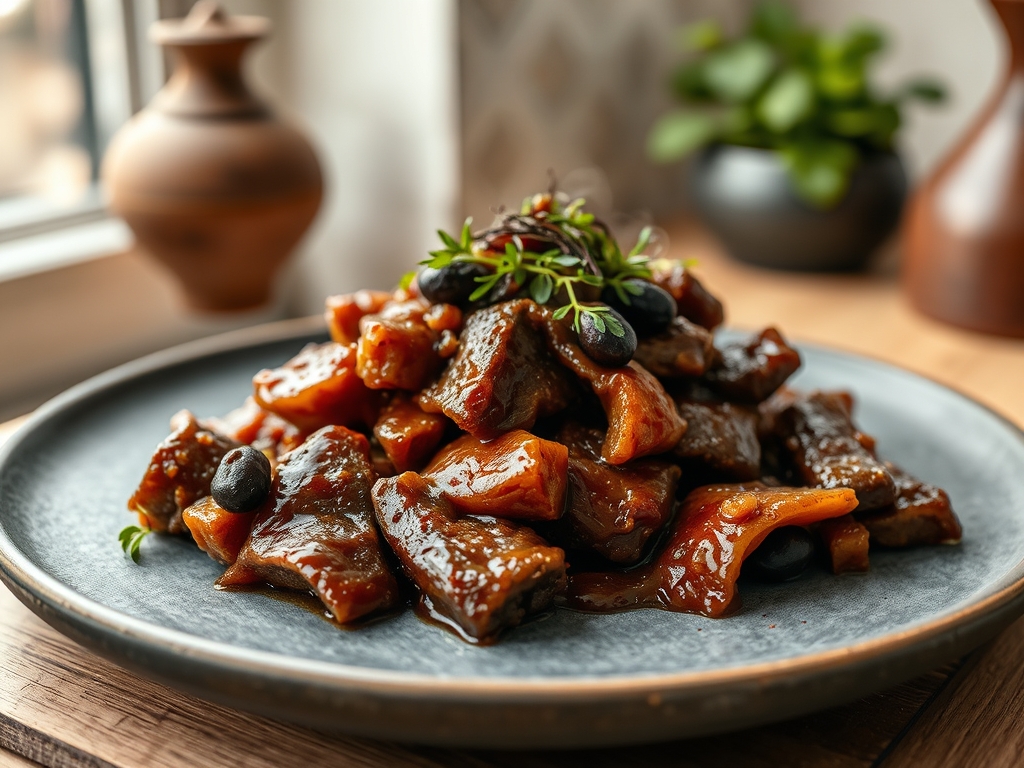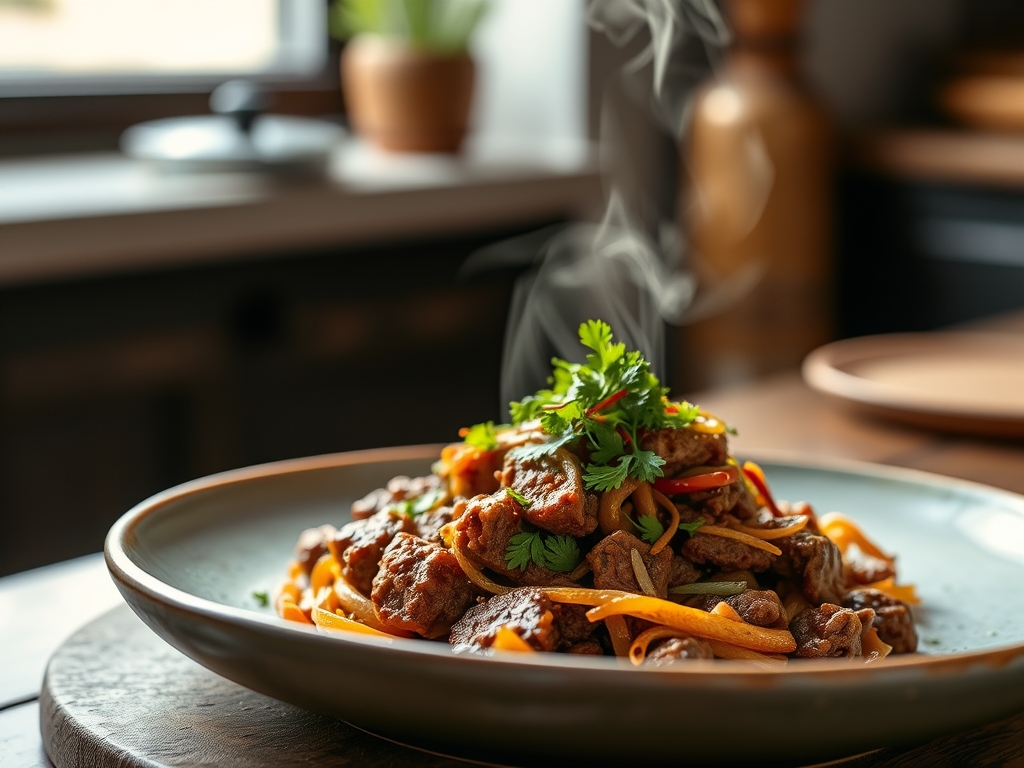
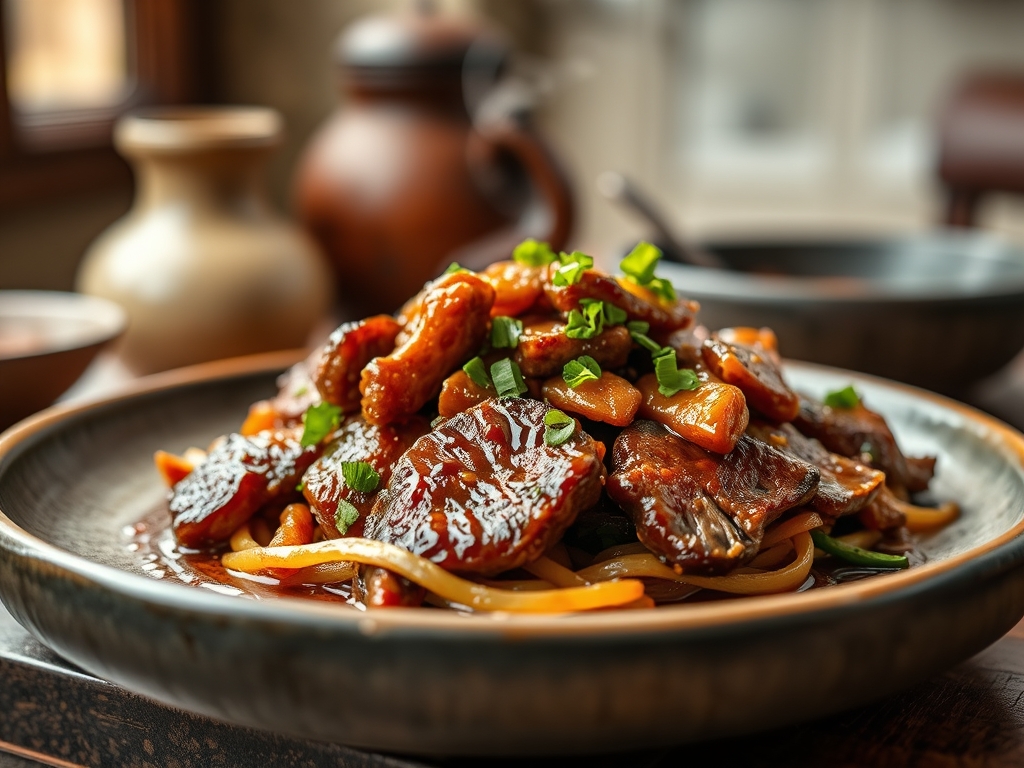
Picture a cast iron skillet so hot it hums; the air is thick with the scent of toasted sesame oil and the sharp, bright sting of ginger. When you are hunting for the best asian beef recipes, you are really looking for that perfect intersection of salty, sweet, and funky umami. It is about the way a high-heat sear locks in moisture while the sugars in a soy-based marinade undergo a rapid Maillard reaction. We are not just making dinner; we are engineering a sensory experience that rivals any high-end bistro in Seoul or Tokyo.
Whether you crave the silky, velveted texture of a classic stir-fry or the deep, collagen-rich breakdown of a slow-braised short rib, mastering these dishes requires a mix of intuition and chemistry. We are going to dive into nine masterpieces that define the genre, from the fiery kick of Szechuan peppercorns to the delicate balance of a Vietnamese Shaking Beef. Grab your favorite heavy-bottomed skillet and a sharp chef's knife. We are about to transform a simple cut of protein into a masterpiece of flavor and texture that will make your kitchen the most popular spot in town.
The Gathers:
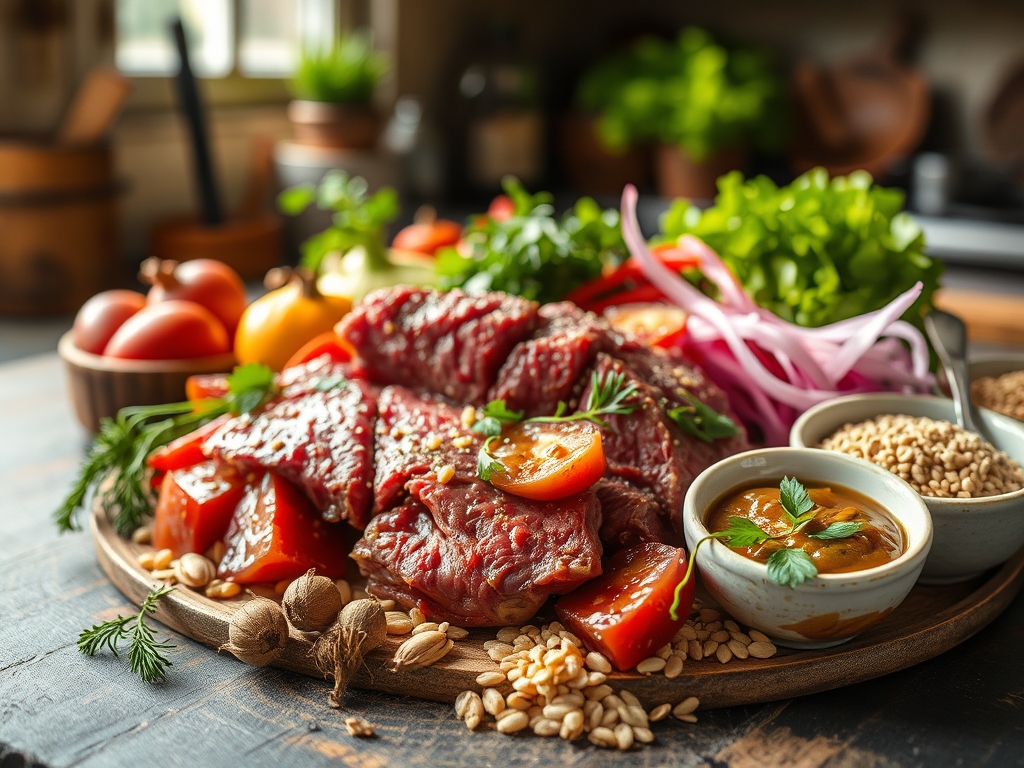
To execute the best asian beef recipes, your mise-en-place must be flawless. We start with the protein: look for highly marbled cuts like ribeye for quick sears or brisket for long braises. You will need a digital scale to measure your aromatics precisely. Your pantry should include light soy sauce for salt, dark soy sauce for that deep mahogany color, and Shaoxing wine to deglaze and add acidity.
Aromatics are the soul of these dishes. Use a microplane to grate fresh ginger and garlic into a fine paste; this ensures they melt into the sauce rather than burning in the pan. You will also need toasted sesame oil, which is a finishing oil, not a cooking oil, due to its low smoke point. For texture, keep cornstarch on hand for velveting, a technique that creates a protective barrier around the meat fibers.
Smart Substitutions: If you cannot find Shaoxing wine, a dry sherry works beautifully. If you are avoiding soy, liquid aminos or coconut aminos provide a similar viscous saltiness. For a heat substitute, if Thai bird's eye chilies are too intense, use red pepper flakes or a dollop of Sambal Oelek for a more controlled, piquant creep of spice.
The Clock:
Efficiency in the kitchen is all about "Chef's Flow." For these nine recipes, prep time usually takes about 30 minutes, primarily focused on precise knife work. Slicing beef against the grain is non-negotiable for tenderness. If you are making a stir-fry, the actual cook time is a lightning-fast 5 to 7 minutes. However, for braised masterpieces like Beef Rendang or Taiwanese Noodle Soup, expect a 3-hour simmer to allow connective tissues to render into gelatin.
The flow looks like this: slice and marinate the beef first. While the enzymes in the marinade work their magic, prep your vegetables and whisk your sauce components in a small saucier. By the time your skillet is smoking, everything is ready to hit the heat in rapid succession. This prevents the garlic from over-cooking while you are fumbling with a soy sauce bottle.
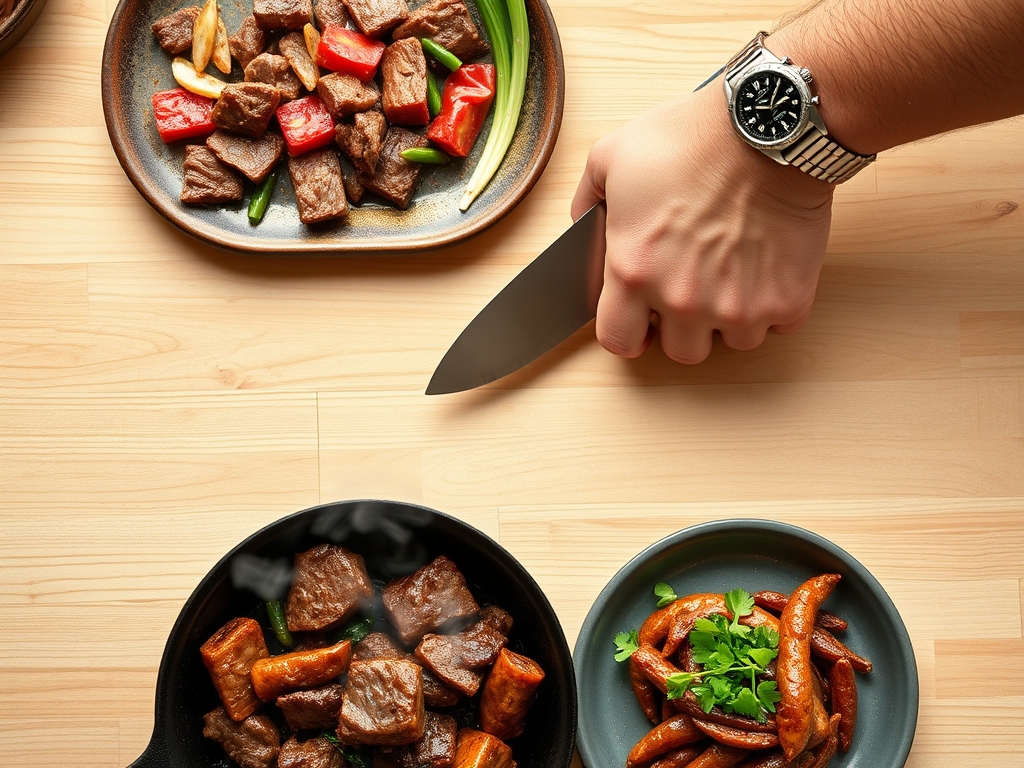
The Masterclass:
1. The Art of Velveting
Coat your thinly sliced beef in a mixture of cornstarch, egg white, and a splash of oil. Let it sit for 20 minutes before a quick flash-fry.
Pro Tip: This creates a physical barrier that prevents the protein fibers from tightening too quickly. The science here is starch gelatinization, which keeps the interior juice-heavy while the exterior remains silky.
2. Achieving Breath of the Wok (Wok Hei)
Get your carbon steel wok or heavy skillet to the point of smoking before adding oil. Sear the beef in small batches to maintain the temperature.
Pro Tip: If you crowd the pan, the temperature drops and the meat boils in its own juices. You want high-energy thermal radiation to caramelize the surface instantly.
3. Emulsifying the Sauce
Once the beef is seared and removed, add your aromatics, then pour in your liquid base. Use a bench scraper or wooden spoon to scrape up the brown bits (fond).
Pro Tip: Adding a cold cornstarch slurry to a boiling liquid causes the starch granules to swell and trap water. This creates a viscous glaze that clings to the beef rather than pooling at the bottom.
4. The Low and Slow Render
For braised dishes, sear large chunks of beef first, then submerge in a liquid of soy, star anise, and cinnamon. Simmer on the lowest setting.
Pro Tip: This relies on collagen hydrolysis. At approximately 160 degrees Fahrenheit, tough connective tissue begins to transform into silky gelatin, giving the sauce a rich mouthfeel.
5. Balancing the Five Flavors
At the very end of cooking, taste for the balance of salty, sweet, sour, bitter, and umami. Add a squeeze of lime or a pinch of sugar as needed.
Pro Tip: Acidity acts as a chemical "brightener." It cuts through the heavy fats and infuses the dish with a clean finish that prevents palate fatigue.
The Deep Dive:
From a nutritional standpoint, beef is a powerhouse of iron, zinc, and B12. When paired with the fermented components found in the best asian beef recipes, like kimchi or fermented bean paste, you also gain probiotic benefits. To keep it Keto, swap sugar for monk fruit sweetener and serve over cauliflower rice. For Gluten-Free needs, ensure you are using Tamari instead of standard soy sauce.
The Fix-It:
- Tough Beef: You likely sliced with the grain. Next time, look for the parallel muscle fibers and cut perpendicular to them to shorten the chew.
- Bland Sauce: You missed the deglazing step. Ensure you are scraping the pan to incorporate the caramelized proteins back into the liquid.
- Soggy Vegetables: You added them too early. Vegetables should be "blanched" in the stir-fry for no more than 90 seconds to retain their snap and vibrant chlorophyll.
Meal Prep Science: To reheat beef without it turning into rubber, avoid the microwave. Use a small skillet with a tablespoon of water or broth. Cover with a lid to create a steam chamber. This rehydrates the protein fibers without over-cooking the core.
The Wrap-Up:
Mastering the best asian beef recipes is like learning a new language where the alphabet is made of ginger, soy, and heat. Once you understand the chemistry of a proper sear and the importance of a balanced sauce, you can improvise with confidence. These nine masterpieces are just the beginning of your journey into the deep, savory world of Asian soul food. Keep your knives sharp, your wok hot, and never be afraid to add an extra clove of garlic!
The Kitchen Table:
What is the best cut of beef for stir-fry?
Flank steak or top sirloin are ideal. They are lean enough to cook quickly but have enough structural integrity to hold up to high heat. Always slice them thinly against the grain for maximum tenderness.
How do I make my beef extra tender?
Use the velveting technique. Coating the meat in a thin layer of cornstarch and egg white before searing creates a protective coat that locks in moisture and prevents the proteins from becoming tough or stringy.
Can I make these recipes without a wok?
Absolutely. A heavy-bottomed cast iron or stainless steel skillet is an excellent substitute. The key is heat retention; you need a pan that stays screaming hot even after you add the cold meat to the surface.
Why is my stir-fry sauce too watery?
You likely didn't allow the cornstarch slurry to reach a full boil. Starch needs high heat to "activate" and thicken. Ensure the sauce bubbles for at least 30 seconds to achieve that glossy, thick consistency.