Imagine the scent of cold earth meeting searing cast iron; it is the olfactory equivalent of a New York autumn. When we talk about the gold standard of comfort, we are really talking about the curated brilliance found within New York Times potato recipes. These are not just side dishes. They are architectural feats of starch and fat that have defined dinner parties for decades. Whether it is the shattering crunch of a roast potato or the velvet silk of a puree, the science of the spud is a love language all its own. We are diving deep into the chemistry of the tuber today, exploring how heat transforms humble amylopectin into culinary gold. Grab your apron and your sharpest chef knife; we are about to turn your kitchen into a high-end bistro.
The Gathers:
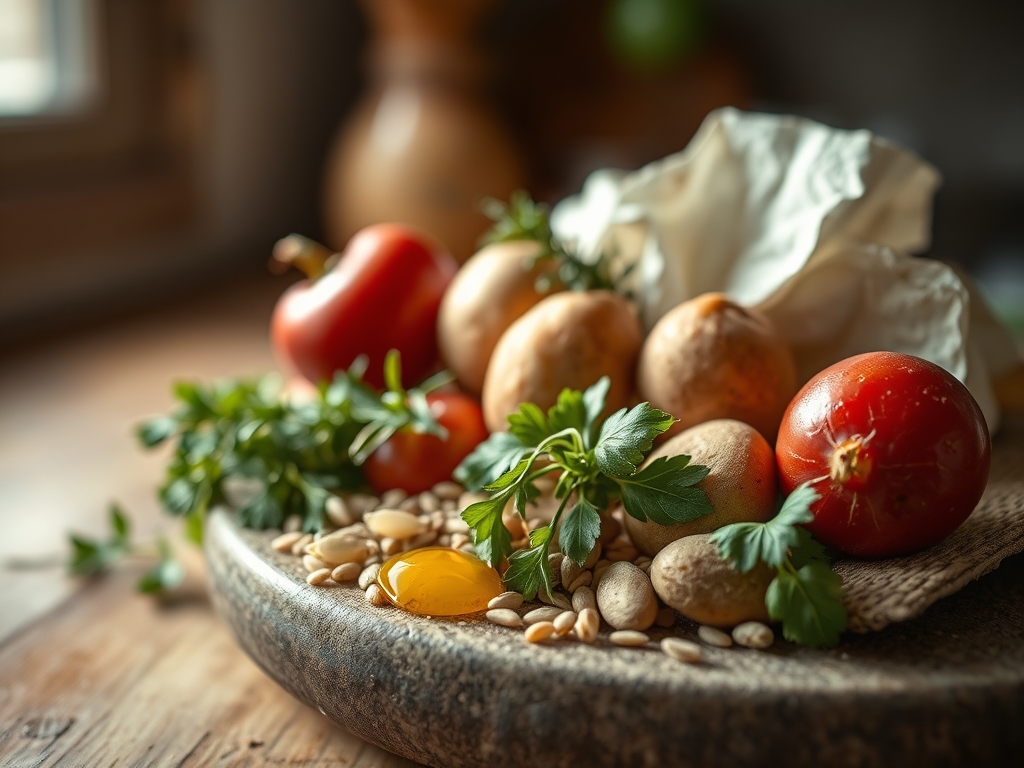
To achieve the heights of these iconic dishes, your mise-en-place must be precise. We begin with the foundation: the Russet and the Yukon Gold. The Russet, with its high starch content and low moisture, is your vehicle for fluffiness and crisping. The Yukon Gold offers a medium starch profile and a buttery, viscous texture that holds its shape under pressure. You will need high-quality fats; think unsalted European-style butter with a high butterfat percentage and cold-pressed extra virgin olive oil for that piquant finish.
Fresh aromatics are non-negotiable. Gather sprigs of woody rosemary, thyme, and several heads of garlic. For the seasoning, use flaky sea salt to provide texture and a digital scale to ensure your ratios are perfect. Smart Substitutions: If you are avoiding dairy, a high-quality cashew cream provides the necessary fats to emulsify sauces without losing the mouthfeel. For a lower-glycemic twist, you can swap half of your Yukon Golds for parsnips; they offer a similar earthy sweetness with a more complex fiber profile.
The Clock
Efficiency in the kitchen is about mastering the Chef's Flow. Total prep time for these classics averages 30 minutes, but the magic happens in the 60 to 90 minutes of thermal transformation. The flow begins with the "Cold Start" method for boiling, which ensures even heat distribution to the core of the tuber. While the potatoes simmer, you use that "dead time" to render fats or infuse creams. This overlapping of tasks ensures that by the time your potatoes are ready for their final sear or mash, your flavor base is already concentrated and potent.
The Masterclass
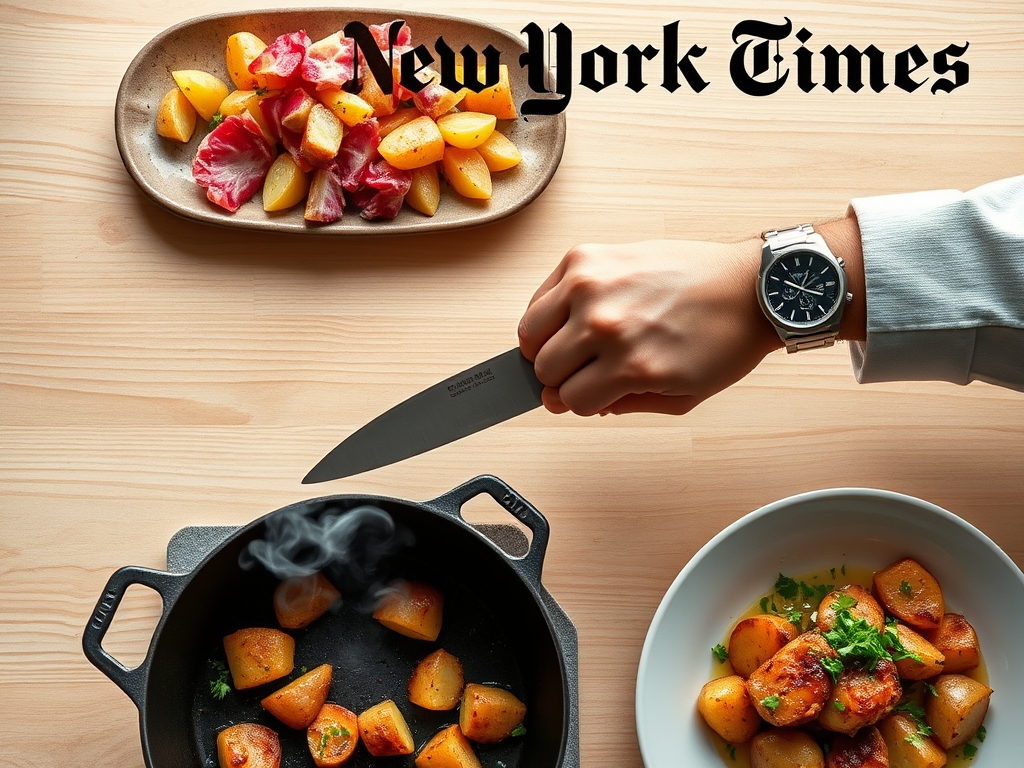
1. The Parboil and Rough-Up
Start by peeling and quartering your potatoes, placing them in a saucier with cold salted water. Bring to a boil and simmer until the edges are just tender. Drain them and give them a vigorous shake in the pot to create a starchy "slurry" on the surface.
Pro Tip: This surface agitation increases the surface area for the Maillard reaction. The more "fuzz" you create on the potato, the more crunch you get once it hits the hot fat.
2. The Fat Infusion
While the potatoes steam-dry, heat your choice of fat (duck fat or olive oil) in a heavy-bottomed skillet until it reaches the shimmering point. Toss in smashed garlic cloves and rosemary to infuse the oil with essential volatiles.
Pro Tip: Infusing the fat before adding the potatoes ensures the flavor is chemically bonded to the starch. This prevents the aromatics from burning during the long roast.
3. The High-Heat Roast
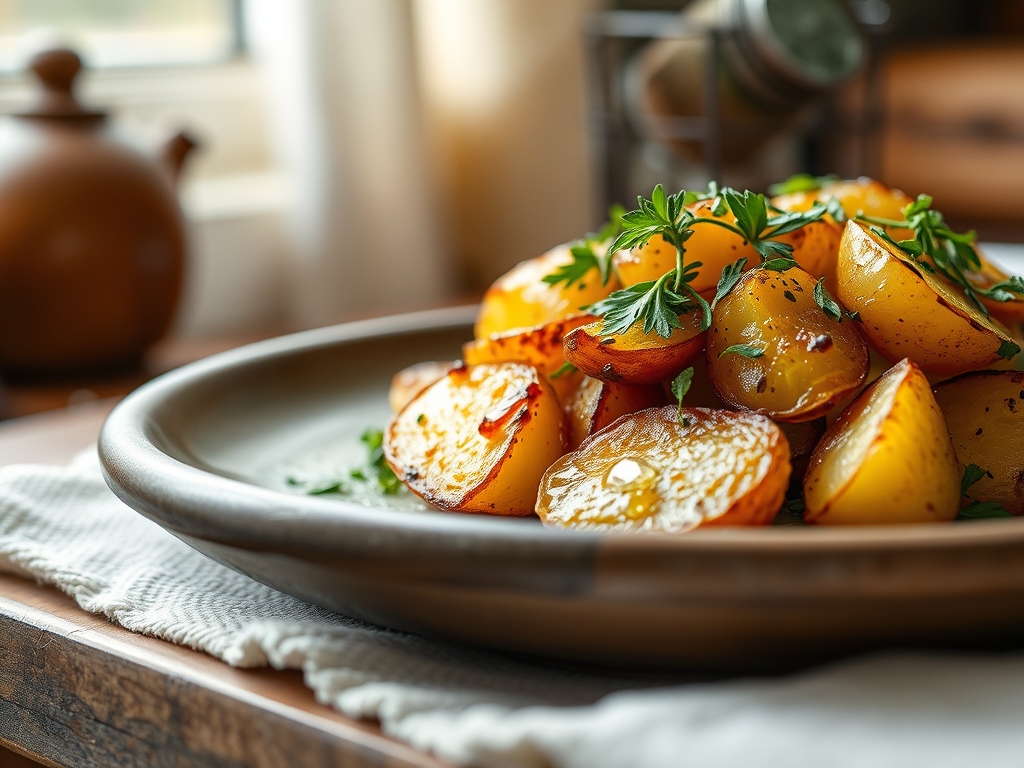
Spread the potatoes on a preheated baking sheet, ensuring they do not crowd. Roast at 425 degrees Fahrenheit, turning occasionally with tongs until they are deep mahogany.
Pro Tip: Avoid overcrowding to prevent "steam-shielding." If potatoes are too close, they release moisture that lowers the surface temperature, inhibiting the crisping process.
4. The Aerated Mash
For the silkier New York Times potato recipes, pass boiled Yukon Golds through a ricer or food mill into a warm bowl. Slowly fold in chilled cubes of butter and warm cream using a silicone spatula.
Pro Tip: Using a ricer instead of a masher prevents the over-working of starch granules. If you break too many cells, the starch leaks out and turns the mash "gluey" or elastic.
5. The Mandoline Slice
For a gratin or galette, use a mandoline to achieve paper-thin, translucent slices. Layer them in a radial pattern, brushing each layer with clarified butter.
Pro Tip: Do not rinse the slices for a galette. You need the surface starch to act as a natural "glue" that binds the layers together during the baking process.
6. The Deglaze and Glaze
If making a pan-roasted version, remove the potatoes and deglaze the skillet with a splash of dry white wine or stock. Whisk in a knob of butter to create a pan sauce.
Pro Tip: This utilizes fond, the caramelized protein and sugar bits left in the pan, to create a savory coating that adds a "fifth taste" or umami punch.
7. The Final Seasoning
Finish your potatoes with a flurry of fresh herbs and a zest of lemon using a microplane. The acidity cuts through the heavy lipids for a balanced bite.
Pro Tip: Carryover cooking will continue to brown the potatoes for 2-3 minutes after they leave the oven. Pull them when they are a shade lighter than your desired final color.
The Deep Dive
From a nutritional standpoint, potatoes are a powerhouse of potassium and Vitamin C, though the caloric density increases with the addition of fats. One serving of these classics typically contains 250 to 400 calories. For Keto followers, try substituting cauliflower florets using the same roasting techniques; the flavor profile remains remarkably similar. For Vegan diners, coconut milk and nutritional yeast provide a savory, creamy depth.
The Fix-It:
- Gluey Mash: You over-mixed. Fix it by spreading the mash in a dish, topping with cheese, and baking it into a gratin.
- Soggy Roast Potatoes: The oven wasn't hot enough. Crank the heat to 450 and move the tray to the bottom rack for a final 5-minute blast.
- Burnt Garlic: You added it too early. Next time, add aromatics in the last 15 minutes of roasting.
Meal Prep: To reheat, avoid the microwave. It vibrates water molecules and turns the starch soggy. Instead, use an air fryer or a dry skillet to reactivate the fats and restore the "day-one" crunch.
The Wrap-Up
Mastering these New York Times potato recipes is a rite of passage for any home cook. It is about understanding the delicate dance between moisture and heat. When you hear that specific "clink" of a perfectly roasted potato hitting a ceramic plate, you know you have succeeded. It is soulful, scientific, and utterly delicious. Now, go forth and turn that bag of spuds into a masterpiece!
The Kitchen Table
Why are my roasted potatoes never crunchy?
You likely skipped the parboiling step or overcrowded the pan. Parboiling creates a starchy surface layer that dehydrates and crisps in the oven. Ensure each potato has at least an inch of space to allow moisture to escape.
What is the best potato for mashing?
Yukon Golds are the gold standard. Their medium-starch content creates a naturally creamy texture. Russets work for a fluffier mash, but they can become watery if overcooked. Avoid waxy red potatoes for mashing as they turn gummy.
Can I make these potato recipes ahead of time?
Yes, you can parboil and roughen the potatoes up to 24 hours in advance. Store them uncovered in the fridge. The cold air actually helps dehydrate the surface even further, resulting in an even crunchier roast the next day.
How do I stop potatoes from turning brown after cutting?
This is enzymatic browning caused by oxygen exposure. Submerge your cut potatoes in a bowl of cold water with a splash of white vinegar or lemon juice. This inhibits the enzymes and keeps the flesh bright white.