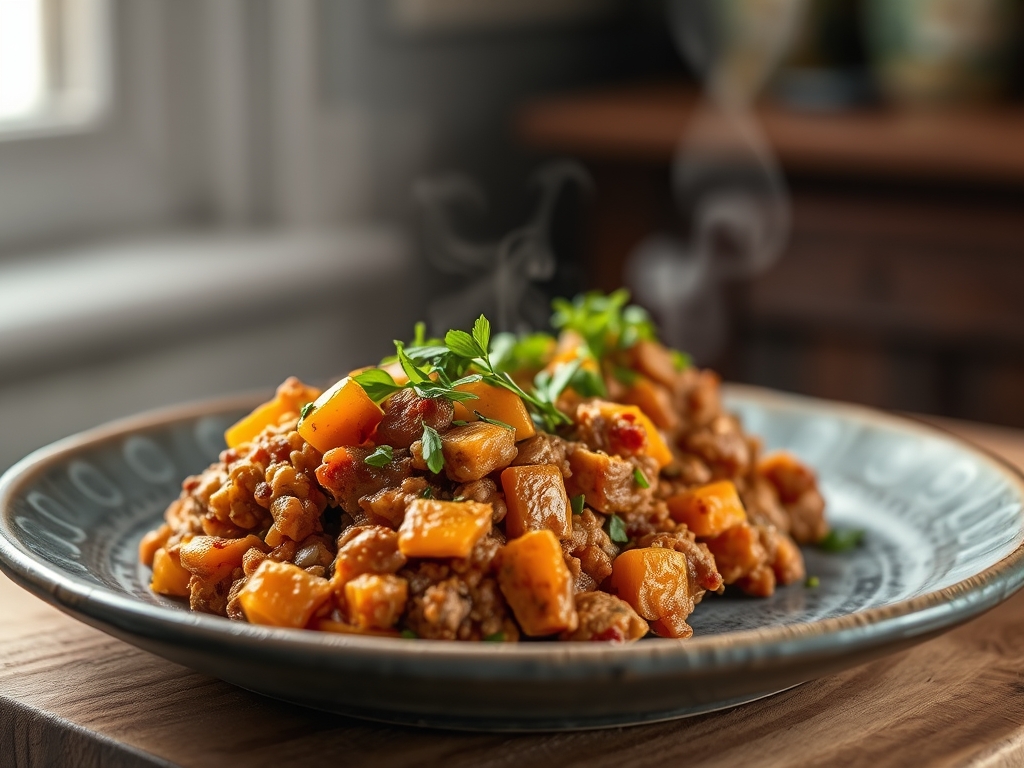
Picture a kitchen filled with the smell of caramelizing sugars and searing poultry. It is the scent of comfort meeting health. If you are hunting for ground chicken sweet potato recipes, you have found the holy grail of weeknight versatility. This combination offers a lean protein profile paired with complex carbohydrates that sustain your energy without the heavy crash.
The magic happens when the mild, neutral canvas of ground chicken meets the earthy sweetness of the tuber. Unlike beef, chicken requires a delicate touch to maintain moisture. When you integrate sweet potatoes, you are not just adding flavor; you are adding a natural moisture reservoir that prevents the meat from becoming desiccated. Whether you are crafting a spicy hash or a savory meatloaf, these ingredients are the ultimate power couple for your meal prep rotation.
The versatility of ground chicken sweet potato recipes allows for a global flavor tour. You can lean into Thai aromatics with ginger and lemongrass or pivot toward a smoky Mediterranean profile with cumin and smoked paprika. Because ground chicken is often lower in fat than its bovine counterparts, the starch from the sweet potato acts as a structural binder. This creates a mouthfeel that is both satisfying and light. Let us dive into the chemistry of how these two humble ingredients transform into gourmet fuel.
The Gathers:
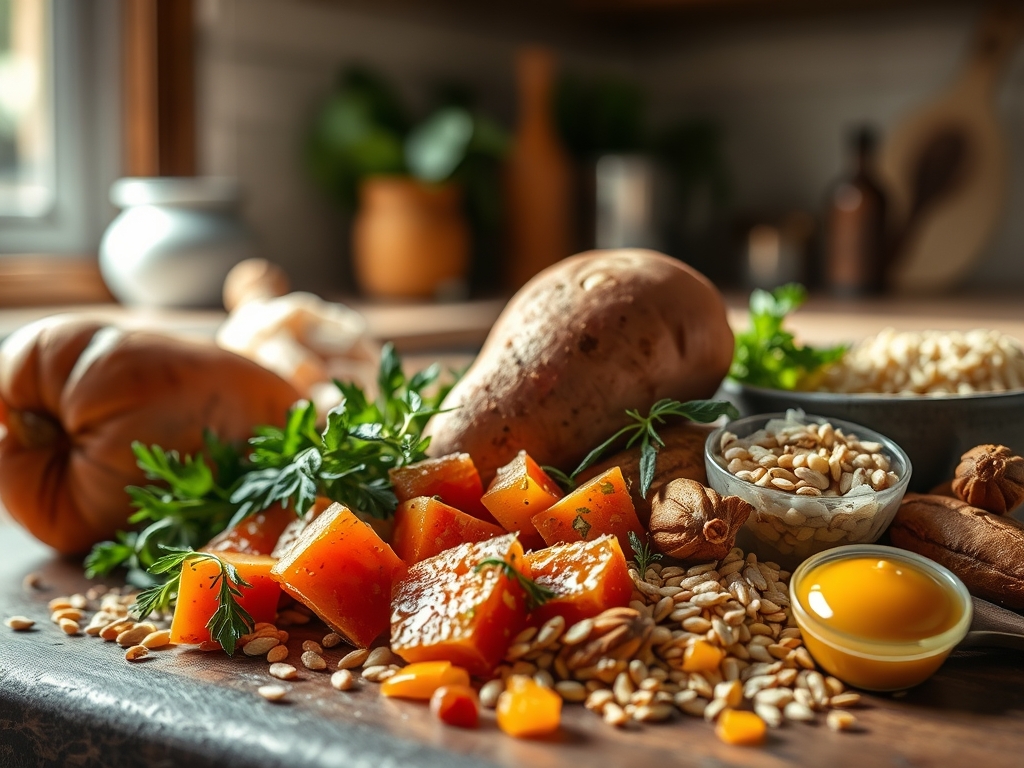
To execute these ground chicken sweet potato recipes with precision, your mise-en-place must be flawless. Start with your protein. Opt for a blend of ground breast and thigh meat if possible; the thigh meat provides the lipids necessary for a viscous mouthfeel. For the sweet potatoes, look for Garnet or Jewel varieties. These have a higher moisture content and sugar density, which leads to better caramelization during the roasting process.
Your aromatic base should include shallots, garlic, and perhaps a hit of fresh ginger. Use a microplane to grate these finely; this increases the surface area and allows the essential oils to infuse the fat more efficiently. You will also need a high-quality oil with a high smoke point, such as avocado oil, to ensure you can achieve a proper sear without the oil breaking down into acrid compounds.
Smart Substitutions:
If you find yourself without ground chicken, ground turkey is a seamless 1:1 swap. For those avoiding nightshades or looking for a lower glycemic index, Japanese Yams offer a starchy, chestnut-like flavor that holds its shape beautifully. If you are out of fresh aromatics, a dash of high-quality garlic confit or onion powder can provide that necessary savory backbone. Always have a bottle of dry white wine or chicken bone broth on hand to deglaze your pan; this captures the fond (those brown bits stuck to the bottom) which contains the highest concentration of flavor.
The Clock: Chef's Flow
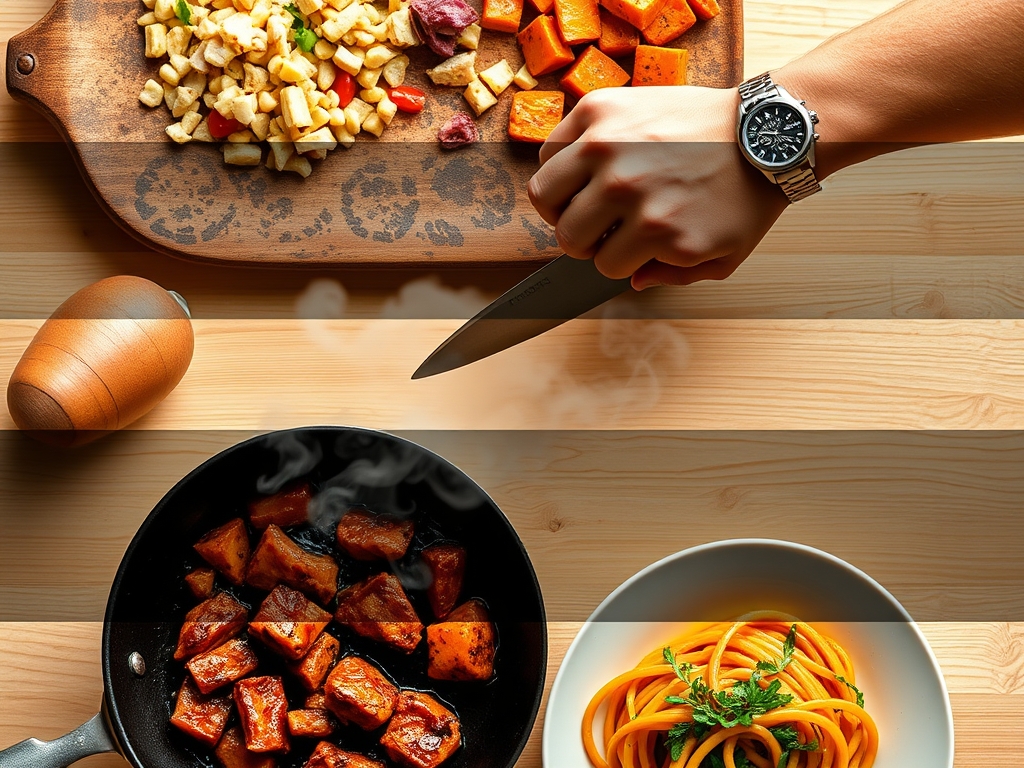
Efficiency in the kitchen is about managing "The Clock." For most ground chicken sweet potato recipes, you are looking at a 15-minute prep time and a 25-minute cook time. The "Chef's Flow" dictates that you start with the ingredient that takes the longest to undergo a chemical change: the sweet potatoes.
While the potatoes are roasting or sautéing to reach a state of enzymatic browning, you can use that time to prep your aromatics and temper your meat. Never pull ground chicken straight from the fridge and drop it into a hot pan. Letting it sit at room temperature for ten minutes prevents the pan temperature from plummeting, which would cause the meat to steam in its own juices rather than sear. By the time your potatoes are tender, your meat is ready to be browned, leading to a synchronized finish.
The Masterclass:
1. The Initial Sear and Maillard Reaction
Place your heavy-bottomed skillet over medium-high heat. Once the oil shimmers, add the ground chicken. Do not crowd the pan. Use a bench scraper or a stiff spatula to break the meat into uniform morsels.
Pro Tip: The Maillard Reaction is a chemical reaction between amino acids and reducing sugars that gives browned food its distinctive flavor. If you move the meat too much, you drop the surface temperature and miss out on this crucial flavor development.
2. Aromatic Infusion
Once the chicken is opaque, create a well in the center of the pan and add your aromatics. Use your tongs to toss the meat in the flavored oil.
Pro Tip: This is called blooming your spices. Fat is a carrier for flavor; by heating the spices in oil before adding liquid, you unlock fat-soluble volatile compounds that water-based liquids cannot reach.
3. Incorporating the Tubers
Add your cubed sweet potatoes to the skillet. If you are using pre-roasted potatoes, this step is merely about integration. If raw, you may need to add a splash of broth and cover the pan.
Pro Tip: Thermal carryover means the internal temperature of your food will continue to rise by 5 to 10 degrees after being removed from the heat. Pull your skillet off the burner just before the potatoes reach your desired softness to avoid a mushy texture.
4. The Deglaze and Emulsification
Pour a small amount of liquid into the pan and scrape the bottom vigorously. This lifts the fond and incorporates it into a light sauce.
Pro Tip: To create a viscous sauce without heavy cream, stir in a teaspoon of cold butter or a splash of starchy potato water at the very end. This creates a temporary emulsification that coats every bite in a silky finish.
The Deep Dive:
When we look at the macro nutrition of ground chicken sweet potato recipes, we see a near-perfect balance. A standard serving provides roughly 25g of protein, 30g of complex carbs, and 8g of healthy fats. It is a high-volume, low-calorie option that keeps you satiated.
Dietary Swaps:
For a Keto version, swap the sweet potato for cauliflower florets or daikon radish. To make it Vegan, replace the chicken with a crumbled tempeh or a lentil-walnut blend, ensuring you add a bit of liquid smoke to mimic the savory depth of meat. All these recipes are naturally Gluten-Free as long as you use a GF-certified broth or coconut aminos instead of soy sauce.
The Fix-It:
- Dry Meat: If the chicken feels chalky, fold in a tablespoon of Greek yogurt or avocado mash at the end to restore moisture.
- Soggy Potatoes: This happens when the pan is overcrowded. Next time, roast the potatoes on a sheet tray first to ensure the exterior is crisp.
- Bland Flavor: You likely missed the salt at the beginning. Add a squeeze of lime juice or a dash of fish sauce to brighten the dish instantly.
Meal Prep Science:
To maintain "day-one" quality, store your ground chicken and sweet potatoes in airtight glass containers. When reheating, add a teaspoon of water and cover with a damp paper towel. This creates a steam chamber in the microwave, preventing the proteins from tightening and becoming rubbery.
The Wrap-Up:
Mastering ground chicken sweet potato recipes is like having a secret weapon in your culinary arsenal. It is fast, incredibly nutrient-dense, and sophisticated enough to serve to guests. By understanding the science of the sear and the importance of aromatics, you elevate a simple weeknight meal into a chef-level experience. Now, grab your skillet and get cooking!
The Kitchen Table:
Can I use frozen sweet potatoes for these recipes?
Yes, frozen sweet potatoes work well. However, they often contain more moisture. Roast them directly from frozen at high heat to ensure they do not become soggy when mixed with the ground chicken.
What is the best way to store leftovers?
Store leftovers in an airtight container in the refrigerator for up to four days. For the best texture, reheat in a skillet over medium heat with a splash of broth to maintain moisture.
How do I keep ground chicken from sticking?
Ensure your skillet is fully preheated before adding oil. Use a heavy-bottomed pan like cast iron or stainless steel, and let the chicken sear undisturbed for two minutes to develop a crust before flipping.
Is ground chicken or ground turkey better?
Both are excellent, but ground chicken tends to have a milder flavor profile that absorbs spices more readily. Ground turkey has a slightly more distinct "gamey" note that pairs well with stronger herbs like sage.