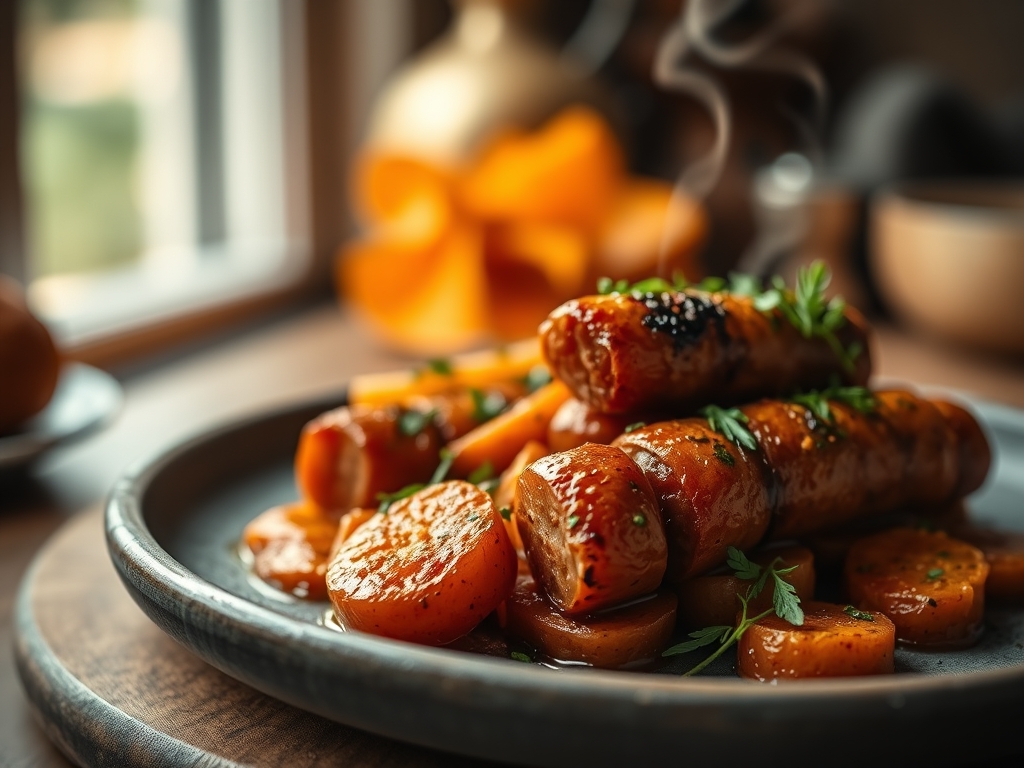
Picture this: a heavy-bottomed sheet pan sliding out of a 425-degree oven, hissing with the sound of rendered pork fat meeting caramelized sugars. The air in your kitchen thickens with the scent of toasted fennel and piquant garlic. Finding the perfect balance of savory and sweet is an art form, but these italian sausage and sweet potato recipes turn that art into a repeatable science. We are talking about the ultimate weeknight alchemy where humble tubers transform into candy-like morsels while spicy links provide the necessary salt and umami. It is the kind of meal that feels like a warm hug but tastes like a high-end bistro dish.
The magic lies in the contrast. You have the creamy, velvet interior of the sweet potato playing against the snappy, charred casing of the sausage. This is not just a dump-and-bake situation; it is a lesson in texture and thermal management. Whether you are looking for a quick sheet pan dinner or a complex hash for a weekend brunch, mastering the relationship between these two ingredients is a game changer for your culinary repertoire. Let us get into the grit of how to execute this flawlessly every single time.
The Gathers:
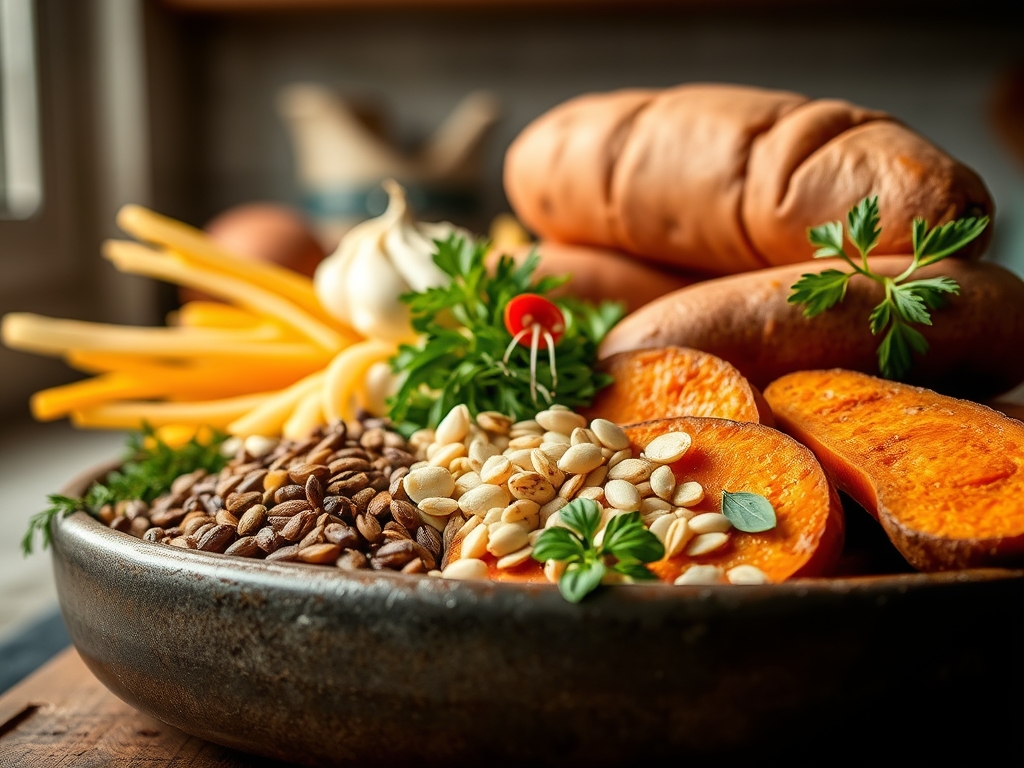
Before we ignite the burners, we must assemble our mise-en-place with precision. Start with high-quality Italian sausages; look for links with a high fat-to-lean ratio to ensure they remain succulent during the roasting process. For the potatoes, select Garnet or Jewel varieties. These have a higher sugar content and a more viscous texture when roasted compared to starchy white potatoes. You will also need a high-smoke-point oil like avocado or grapeseed oil to facilitate the Maillard reaction without scorching.
Fresh aromatics are non-negotiable. Grab a head of garlic, fresh rosemary sprigs, and perhaps a red onion for added sweetness. Use a sharp chef knife to ensure uniform cuts; consistency in size is the secret to even cooking. If you want to elevate the flavor profile, keep a microplane handy to zest some lemon over the finished dish or grate fresh Parmesan for a salty punch.
Smart Substitutions:
If you are watching your saturated fat intake, turkey or chicken Italian sausages work beautifully, though you may need to add an extra tablespoon of oil to compensate for the lower fat content. For a nightshade-free version, replace sweet potatoes with butternut squash or kabocha. If you find yourself out of fresh herbs, a high-quality dried oregano or "Italian Seasoning" blend can suffice, but remember that dried herbs are more potent; use a one-to-three ratio when substituting for fresh.
The Clock: Timing the Chef's Flow
Efficiency in the kitchen is about "The Flow." For these italian sausage and sweet potato recipes, your active prep time should sit comfortably at 15 minutes, with a total cook time of 25 to 30 minutes. The goal is to synchronize the softening of the dense root vegetables with the browning of the meat.
Start by preheating your oven and your baking sheet simultaneously. This "hot start" method initiates immediate searing the moment the food hits the metal. While the oven climbs to temperature, chop your vegetables. By the time you finish your prep, the oven is ready, and you are not wasting a single second of thermal energy. This compressed timeline makes it a premier choice for high-density meal prepping.
The Masterclass:
1. The Uniform Cube
Peel and dice your sweet potatoes into 1/2-inch cubes using a heavy chef knife. Ensure every piece is roughly the same size to prevent smaller bits from carbonizing while larger ones remain raw.
Pro Tip: This is about surface-area-to-volume ratio. Smaller cubes increase the surface area available for enzymatic browning, which converts starches into maltose, resulting in that signature sweet, toasted flavor.
2. The Sausage Prep
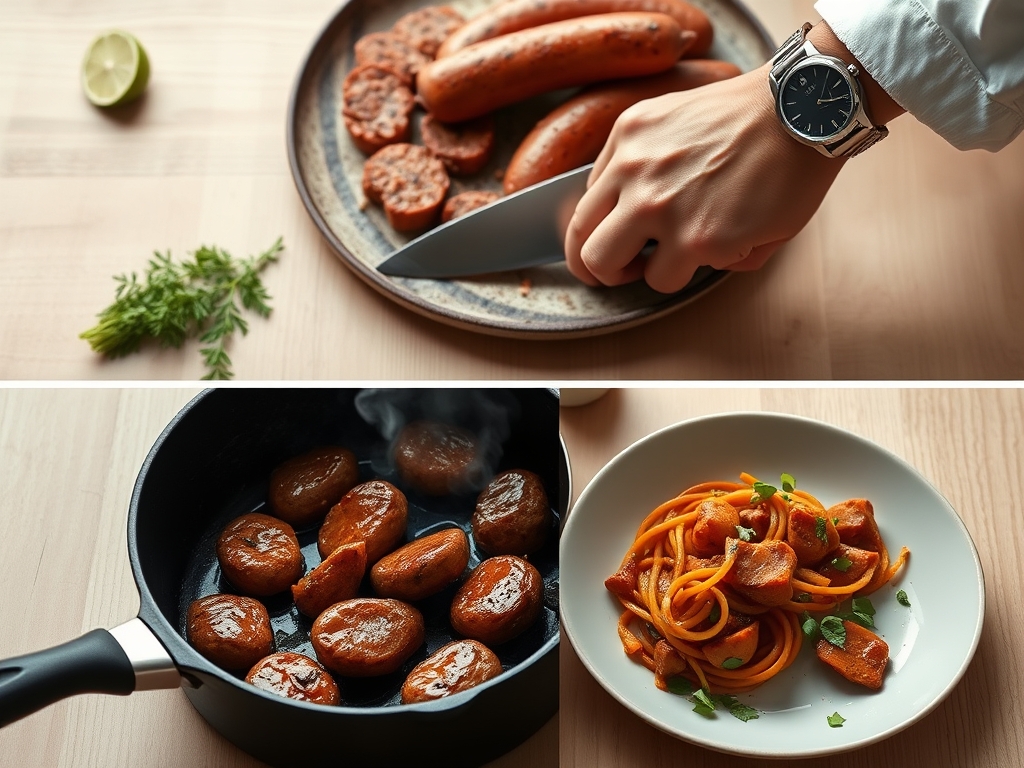
Slice your Italian sausages into 1-inch rounds or, if you prefer a rustic look, use your fingers to break the meat into irregular chunks. If using pre-linked sausages, use kitchen shears for clean cuts without squeezing out the juices.
Pro Tip: Keeping the meat in larger chunks prevents it from drying out before the potatoes are tender. This manages thermal carryover, ensuring the meat reaches a safe internal temperature of 160F exactly when the potatoes reach peak caramelization.
3. The Oil Emulsion
In a large mixing bowl, toss the potatoes and sausage with oil, salt, pepper, and your aromatics. Use your hands or a large spoon to ensure every millimeter of food is coated in a thin, shimmering layer of fat.
Pro Tip: Fat acts as a heat conductor. A thorough coating ensures conduction happens evenly across the uneven surfaces of the food, preventing dry spots and promoting a uniform golden-brown crust.
4. The High-Heat Roast
Spread the mixture onto your preheated sheet pan in a single layer. You should hear a distinct sizzle. Do not crowd the pan; if the pieces are touching too much, they will steam instead of roast.
Pro Tip: Crowding the pan creates a moisture trap. By leaving space, you allow steam to escape, which permits the surface temperature to rise above 212F, triggering the Maillard reaction for complex savory notes.
5. The Mid-Point Agitation
Halfway through the cooking time, use a metal bench scraper or wide spatula to flip and rotate the ingredients. This ensures that the side in contact with the hot pan does not over-darken.
Pro Tip: Rotating the pan compensates for "hot spots" in your oven. This process redistributes the rendered fat, allowing it to baste the potatoes in the savory juices of the sausage.
6. The Acid Finish
Once the potatoes are fork-tender and the sausage is browned, remove the pan from the oven. Immediately hit the tray with a splash of balsamic vinegar or a squeeze of fresh lemon juice.
Pro Tip: The acid acts as a "brightener." It cuts through the viscous fats and heavy sugars, balancing the pH of the dish and making the individual flavors of the herbs pop on your palate.
The Deep Dive:
From a macro perspective, this dish is a powerhouse. You are getting complex carbohydrates from the sweet potatoes, which provide sustained energy, and high-quality protein from the sausage. To make this Keto-friendly, swap the sweet potatoes for cauliflower florets or radishes. For a Vegan version, utilize plant-based sausage links and toss them with a dash of liquid smoke to mimic the traditional cured flavor.
The Fix-It: Troubleshooting Technical Pitfalls
- Soggy Potatoes: Usually caused by overcrowding. Fix it by splitting the recipe onto two pans or turning on the convection fan to increase airflow.
- Burnt Garlic: If your minced garlic is turning bitter, add it during the last 10 minutes of roasting rather than at the start.
- Dry Meat: If using lean chicken sausage, keep the links whole instead of slicing them to preserve internal moisture.
Meal Prep Science:
When reheating, avoid the microwave if possible, as it turns sweet potatoes gummy. Instead, use an air fryer or a toaster oven at 350F for 5 minutes. This restores the crispness of the casing and re-activates the fats without overcooking the interior.
The Wrap-Up:
There you have it; a masterclass in one of the most reliable italian sausage and sweet potato recipes in your arsenal. It is efficient, scientifically sound, and absolutely delicious. By focusing on heat management and proper prep, you have turned a simple sheet pan meal into a gourmet experience. Now, grab your favorite bowl, maybe a glass of crisp Sangiovese, and enjoy the fruits of your labor. You have earned it!
The Kitchen Table:
Can I use frozen sweet potatoes for this recipe?
Yes, but do not thaw them first. Roast them directly from frozen at a slightly higher temperature (450F) to evaporate excess moisture quickly and prevent a mushy texture.
What is the best way to tell if the sausage is done?
Use a digital meat thermometer. The internal temperature should reach 160F for pork or 165F for poultry. The casing should also be browned and slightly taut.
Can I add other vegetables to the roast?
Absolutely. Bell peppers, broccoli, and Brussels sprouts work well. Just ensure they are cut to sizes that match the cooking time of the sweet potatoes to ensure everything finishes simultaneously.
Why do my sweet potatoes always stick to the pan?
This usually happens if you try to flip them too early. Wait for the sugars to caramelize and form a crust; the food will naturally release from the pan once a "sear" is established.