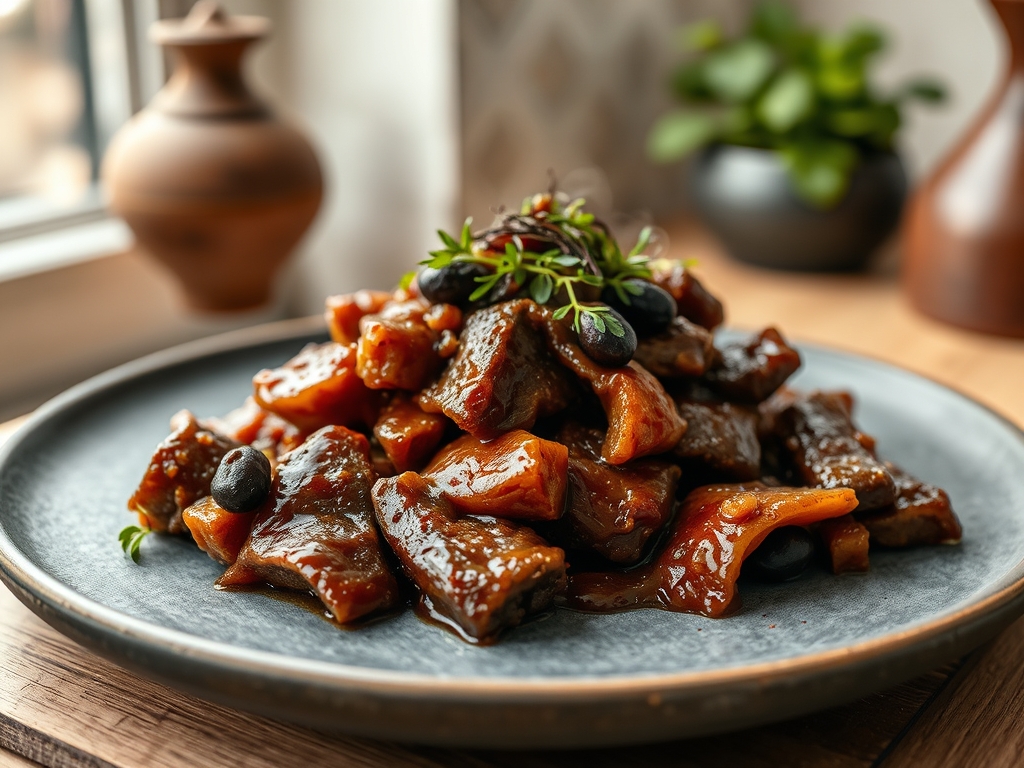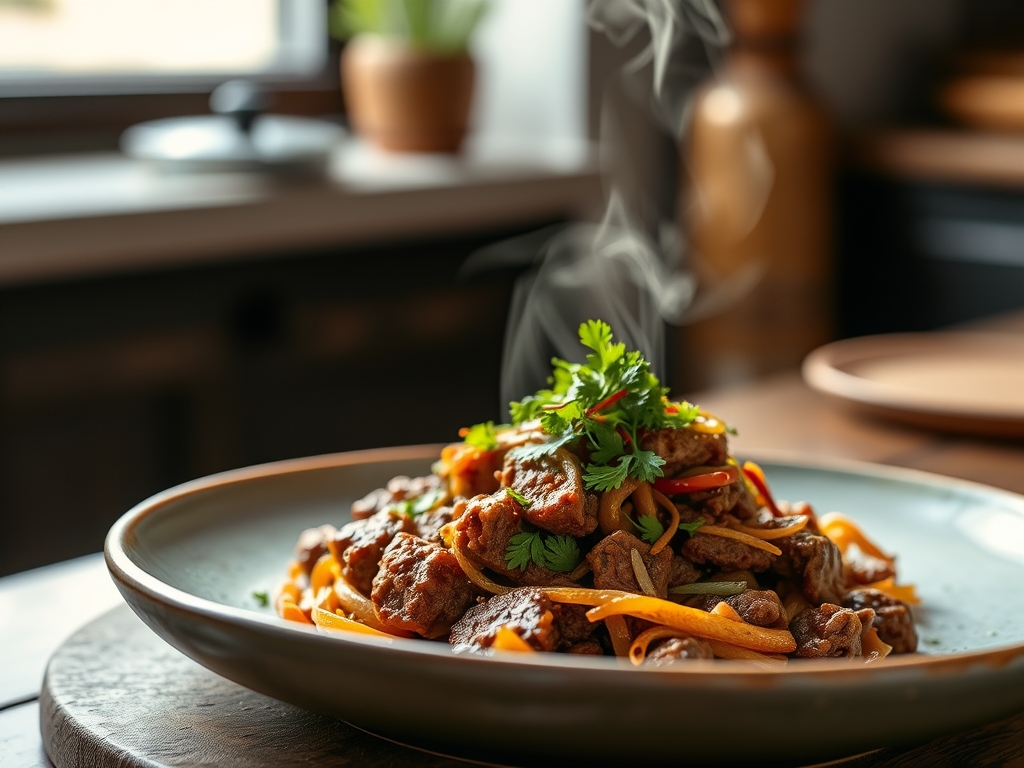
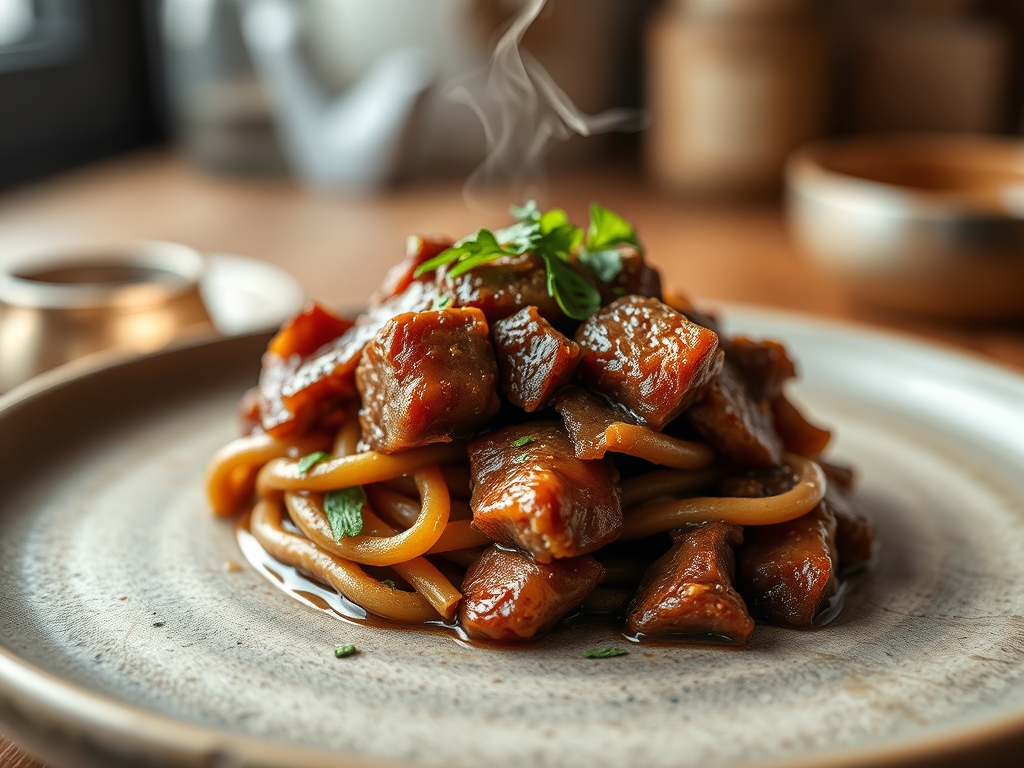
Imagine the kitchen at sunset; the air is thick with the scent of toasted cloves and the sharp, bright sting of artisanal vinegar. This is the alchemy of sour beef recipes, where tough fibers transform into velvet ribbons under the steady hand of time. We are talking about that perfect, piquant balance of savory fat and bright acid that makes your mouth water before the first bite.
Most people think of sour beef as a heavy, winter-only affair, but I am here to tell you it is a year-round masterclass in flavor layering. It is the culinary equivalent of a perfectly tailored blazer; it is structured, sophisticated, and surprisingly effortless once you know the rules. We are going to dive deep into the molecular magic of marination and the specific heat transfers that turn a humble chuck roast into a legendary centerpiece. Grab your favorite apron and a glass of something crisp. We are about to turn your kitchen into a high-end bistro where the secret ingredient is pure, unadulterated science.
The Gathers:
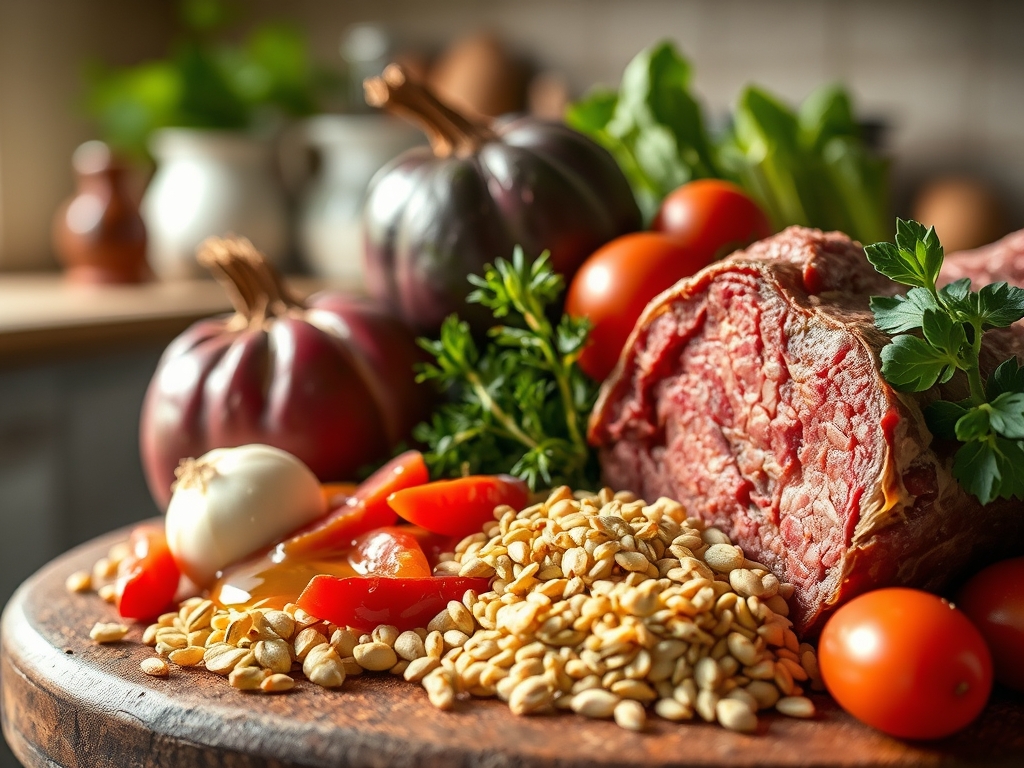
To execute world-class sour beef recipes, your mise-en-place must be precise. Start with a four-pound bottom round or chuck roast, selected for its high connective tissue content. You will need a high-quality red wine vinegar with at least 6% acidity to act as your primary denaturing agent. For the aromatic base, gather whole black peppercorns, juniper berries, and bay leaves. Do not use pre-ground spices here; we want to infuse the liquid with the volatile oils released from whole seeds.
You will also need a saucier or a heavy-bottomed Dutch oven to ensure even heat distribution. For the sweetness that balances the tang, traditional ginger snaps are the secret weapon, providing both flavor and a viscous texture through their starch content.
Smart Substitutions:
If you are avoiding gluten, swap the ginger snaps for a mix of crushed gluten-free gingersnaps and a tablespoon of dark brown sugar. For a deeper, more earthy profile, replace half of the red wine vinegar with a dry red wine like a Cabernet Sauvignon. If you lack a traditional roast, thick-cut venison steaks offer a lean, gamey alternative that responds beautifully to the acidic brine.
The Clock
Preparation for this dish is a marathon, not a sprint. Your "Chef's Flow" begins three days before you plan to eat. The active prep time is roughly 45 minutes, covering the searing and the vegetable prep. However, the marination phase requires 48 to 72 hours in the refrigerator. This is non-negotiable for deep flavor penetration.
The cook time itself spans 3 to 4 hours at a low simmer. The goal is to hit an internal temperature of 205 degrees Fahrenheit, where collagen finally collapses into gelatin. Allow 20 minutes for the meat to rest before slicing; this prevents the internal juices from rushing out and leaving the beef parched.
The Masterclass
1. The Acidic Bath
Submerge your beef in a mixture of vinegar, water, onions, and toasted spices. Ensure the meat is fully covered to prevent oxidation. Use a digital scale to measure your liquid ratios for consistency.
Pro Tip: This is the denaturing phase. The acid breaks down the tight protein sheaths, allowing moisture to enter the muscle fibers. Without this 48-hour soak, the meat will remain stringy rather than tender.
2. The Hard Sear
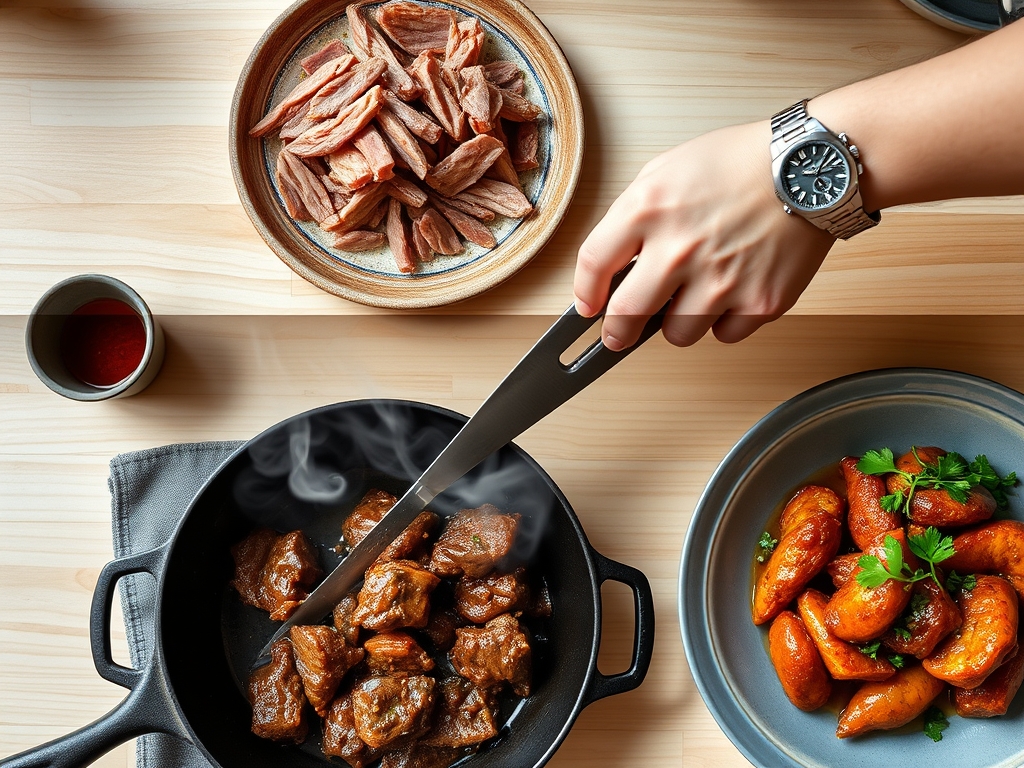
Remove the beef from the brine and pat it bone-dry with paper towels. Heat a heavy-bottomed skillet with high-smoke-point oil until it shimmers. Use tongs to press the meat into the pan, achieving a deep, mahogany crust on all sides.
Pro Tip: This triggers the Maillard reaction. If the surface is damp, the meat will steam instead of brown. Browning creates hundreds of new flavor compounds that the brine alone cannot provide.
3. The Deglaze and Braise
Strain your marinade and pour it into the hot pan, using a wooden spoon to scrape up the browned bits (the fond). Return the beef to the pot, cover tightly, and place in a 300-degree oven.
Pro Tip: This is conductive heating. The liquid acts as a medium to transfer energy into the center of the roast. A tight seal prevents evaporation, ensuring the braising liquid remains concentrated.
4. The Ginger Snap Emulsification
Once the meat is fork-tender, remove it. Whisk crushed ginger snaps into the simmering liquid using a balloon whisk until the sauce thickens and becomes glossy.
Pro Tip: The cookies act as a hydrocolloid thickener. The starch granules swell and trap water, while the spices in the cookies provide a final aromatic punch to the finished gravy.
The Deep Dive
Macro Nutrition:
A standard serving of sour beef is high in protein (approx 35g) and moderate in fat. Because the sauce is vinegar-based rather than cream-based, it is surprisingly lower in calories than many traditional pot roasts, provided you monitor the sugar content in your cookies.
Dietary Swaps:
- Vegan: Use large chunks of roasted celery root or "lion's mane" mushrooms. Reduce the marination time to 4 hours to avoid total structural collapse.
- Keto: Replace ginger snaps with a pinch of xanthan gum and a dash of ground ginger and cloves.
- GF: Ensure your gingersnaps are certified gluten-free or use a cornstarch slurry with extra spices.
The Fix-It:
- Too Sour: If the acid is overwhelming, whisk in a teaspoon of baking soda. This neutralizes the pH balance instantly.
- Tough Meat: If it is still chewy, you likely haven't reached the collagen-to-gelatin conversion point. Add 30 minutes to the cook time.
- Broken Sauce: If the gravy looks greasy, use a fat separator or chill the sauce to lift the solidified fat off the top.
Meal Prep & Reheating:
Sour beef is actually better on day two. When reheating, do so gently in a saucepan over low heat. Adding a splash of beef stock will help rehydrate the proteins without overcooking them. Avoid the microwave, as it can cause the proteins to tighten and become rubbery.
The Wrap-Up
Mastering sour beef recipes is a rite of passage for any serious home cook. It teaches you patience, the importance of pH in cooking, and the beauty of transformation. When you pull that roast out of the oven and the meat literally sighs under the pressure of your knife, you will know you have nailed it. This dish is bold, sophisticated, and deeply comforting. Now, go forth and let that vinegar work its magic; your dinner guests are not going to know what hit them.
The Kitchen Table
Why is my sour beef still tough after hours of cooking?
You likely haven't reached the 205 degree Fahrenheit threshold where collagen melts into gelatin. Continue simmering on low heat until the fibers separate easily with a fork. Patience is the key to structural breakdown.
Can I use a slow cooker for this recipe?
Yes, but you must still perform the hard sear in a skillet first. The slow cooker provides the steady, low-moist heat necessary for the long braise, though the sauce may require a final reduction on the stovetop.
What is the best vinegar to use for the marinade?
Red wine vinegar is the gold standard for its robust flavor. However, a high-quality apple cider vinegar works well for a fruitier note. Ensure the acidity is at least 5% to properly denature the proteins.
How long can I keep the beef in the marinade?
Do not exceed five days. While acid tenderizes, over-marinating can eventually turn the exterior of the meat mushy as the proteins break down too far. The sweet spot is 48 to 72 hours.
What should I serve with sour beef?
Traditionalists swear by potato dumplings or buttered egg noodles to soak up the viscous gravy. A side of red cabbage provides a complementary crunch and mirrors the acidic profile of the beef perfectly.