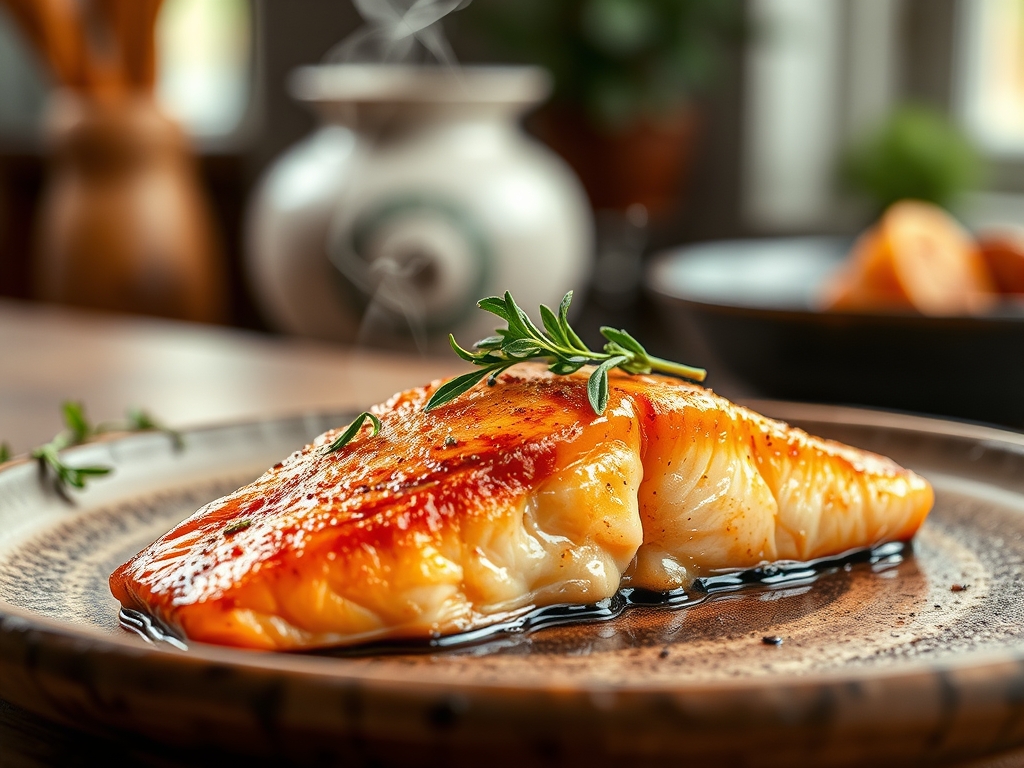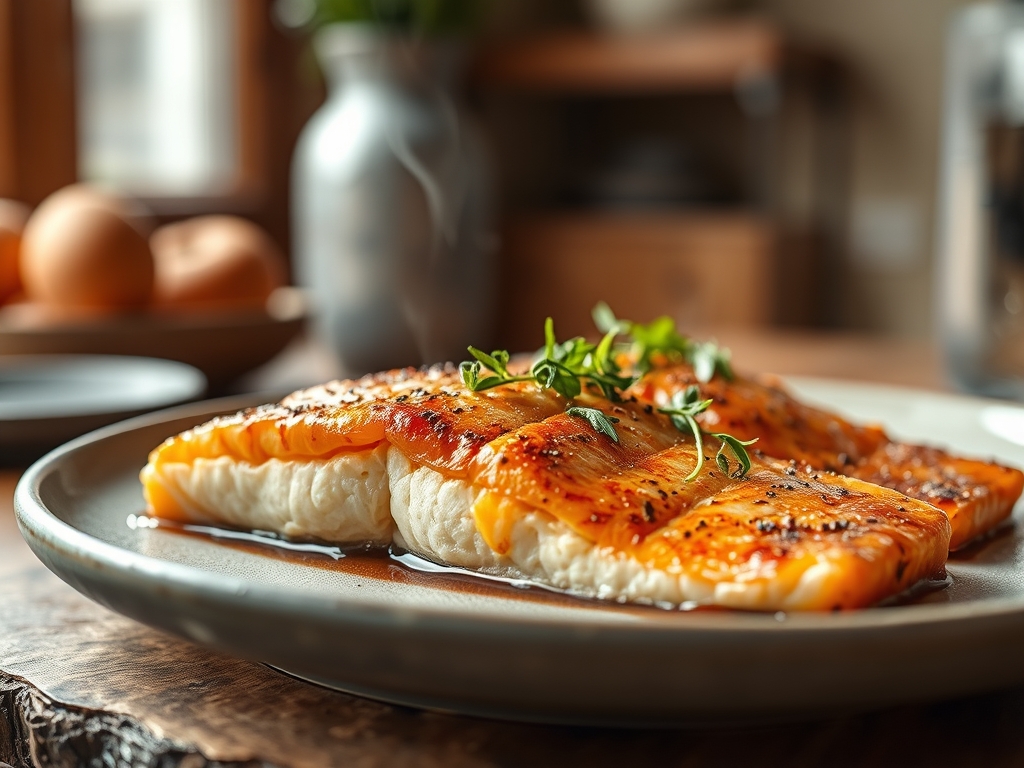
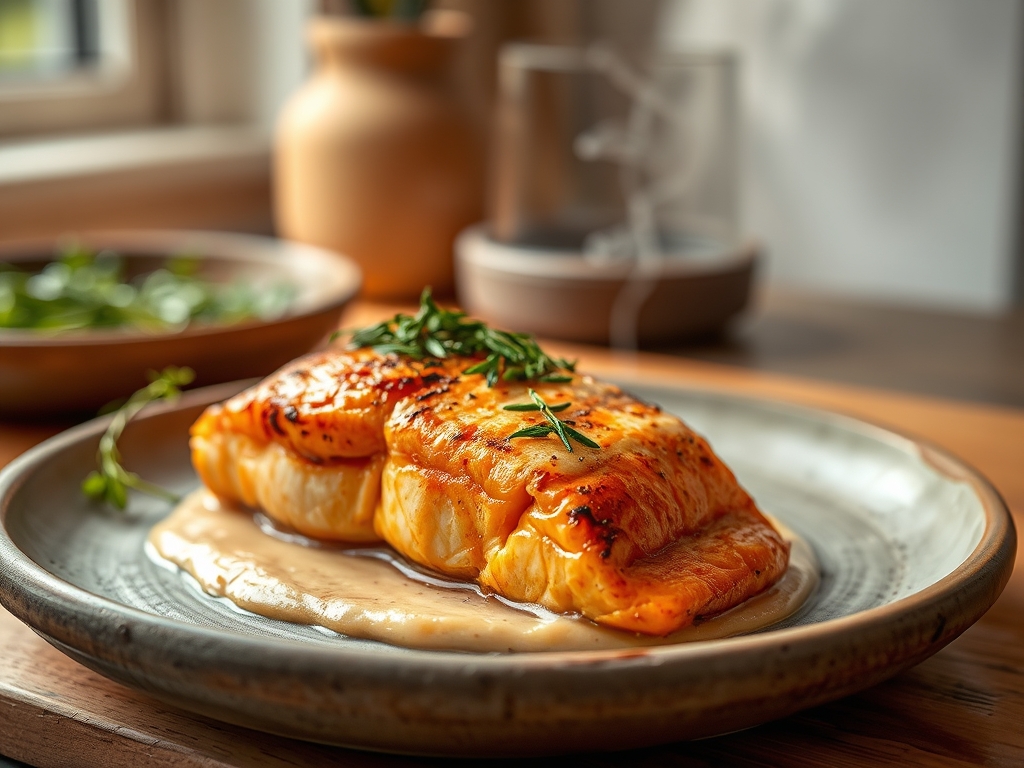
The air in your kitchen is about to shift from mundane to electric as the scent of sizzling skin and aromatic spices fills the room. We are not just cooking dinner; we are orchestrating a sensory experience that balances high-end technique with soulful, bold flavors. Exploring emeril's salmon recipes means embracing the "Bam!" factor through layers of seasoning and precision heat. Imagine a fillet with a crust so crisp it crackles under your fork, giving way to a center that is buttery, translucent, and perfectly flaked.
This guide transforms your home kitchen into a professional station. We will dive into the chemistry of the sear and the architecture of a perfect pan sauce. Whether you are aiming for a classic Creole blackened finish or a refined citrus glaze, the secret lies in the details. From the way you pat the skin dry to the moment you deglaze your heavy-bottomed skillet, every motion serves a purpose. Grab your apron and your sharpest chef's knife; we are about to elevate your seafood game to legendary status.
The Gathers:
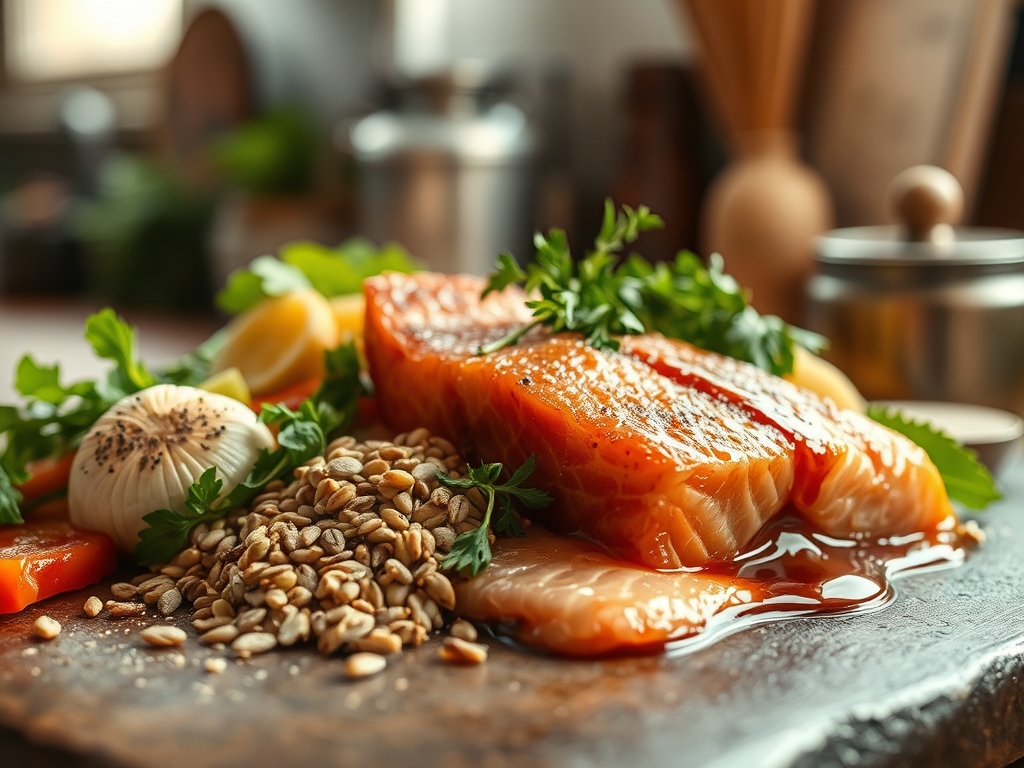
Before the heat meets the protein, your mise-en-place must be flawless. Professional cooking is about managing variables, and that starts with your ingredients. For these emeril's salmon recipes, you will need high-quality center-cut fillets, preferably Atlantic or King salmon for their high lipid content. You will also need a high-smoke-point oil like avocado or grapeseed oil; olive oil will smoke and turn bitter before the skin reaches maximum crispness.
The flavor profile relies on a piquant blend of paprika, cayenne, dried thyme, and oregano. Keep a microplane nearby for fresh lemon zest and a saucier ready for emulsifying butter-based sauces. You will also need kosher salt, which has a larger grain size for better tactile control, and freshly cracked black pepper.
Smart Substitutions:
If you are avoiding butter, use a high-quality ghee; it provides the nutty flavor of the Maillard reaction without the milk solids that burn at high temperatures. If you cannot find fresh tarragon for the classic Emeril finish, fennel fronds offer a similar anise-like aromatic profile. For a lower sodium version, swap the salt for a splash of coconut aminos during the deglazing phase to maintain that savory depth.
The Clock
Efficiency in the kitchen is what separates a chaotic cook from a culinary artist. We call this "Chef's Flow." For these recipes, expect a 15-minute preparation window and a 10-to-12-minute cook time.
The flow begins with tempering your fish. Cold salmon hitting a hot pan causes the muscle fibers to contract violently, squeezing out moisture and leaving you with a tough texture. By letting the fillets sit at room temperature for 20 minutes, you ensure even heat penetration. While the fish tempers, you will prep your aromatics and preheat your oven. This overlap ensures that the moment the fish leaves the stove, your sides are ready, and the sauce is whisked to a viscous perfection.
The Masterclass
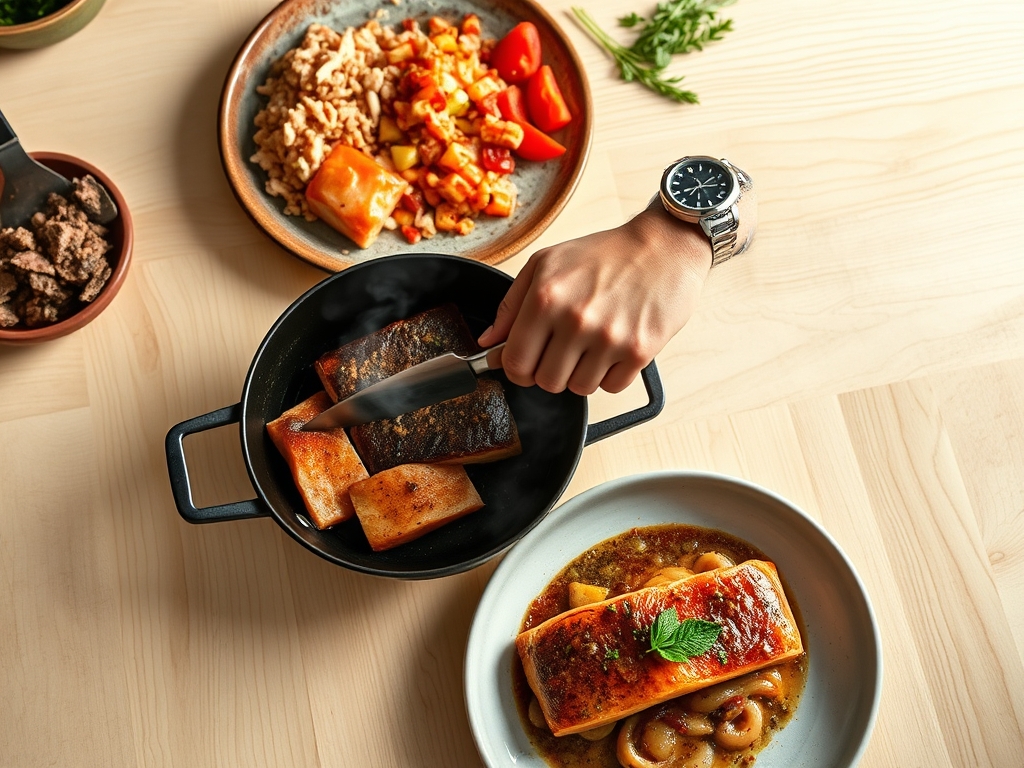
1. The Prep and Temper
Remove the salmon from the refrigerator and use a digital scale to ensure even portioning. Use paper towels to aggressively pat the skin side dry. Moisture is the enemy of the sear; any water left on the surface will turn to steam, preventing the skin from becoming crunchy.
Pro Tip: This process utilizes the principle of evaporative cooling. By removing surface moisture, the energy of the pan goes directly into browning the proteins rather than boiling off water.
2. Seasoning the Canvas
Dredge your fillets in the spice blend. Ensure you press the spices into the flesh so they adhere during the high-heat transition. If you are using a skin-on fillet, only season the flesh side to keep the skin side purely structural and crisp.
Pro Tip: This is where hygroscopic action occurs. The salt in the rub draws out a tiny amount of moisture which then dissolves the spices, creating a flavorful brine that seasoned the fish deeply before it even hits the pan.
3. The Sear
Heat your heavy-bottomed skillet until the oil is shimmering but not smoking. Place the salmon skin-side down. Use a fish spatula to press down firmly for the first 30 seconds. This prevents the skin from curling as the collagen fibers contract.
Pro Tip: You are looking for the Maillard reaction, a chemical reaction between amino acids and reducing sugars that gives browned food its distinctive flavor. Do not move the fish until it releases naturally from the pan.
4. The Butter Baste
Once the salmon is flipped, add a knob of cold butter, smashed garlic, and fresh herbs to the pan. Use a large spoon to continuously pour the foaming butter over the cooked side of the fish.
Pro Tip: This technique, known as arroser, uses the butter as a thermal conductor to finish the cooking process gently while infusing the fish with fat-soluble aromatics.
5. Deglazing the Pan
Remove the fish and set it on a warm plate. Immediately pour white wine or citrus juice into the hot skillet. Use a bench scraper or whisk to lift the browned bits (the fond) from the bottom of the pan.
Pro Tip: Deglazing uses a solvent to capture the concentrated flavor molecules stuck to the pan. This creates the base for a pan sauce with incredible depth.
6. Emulsifying the Sauce
Lower the heat and whisk in cold butter cubes one at a time. The sauce should become thick, glossy, and opaque. This is where your saucier excels, as its rounded bottom prevents bits from getting stuck in the corners.
Pro Tip: This creates a fat-in-water emulsion. The cold temperature of the butter prevents the emulsion from breaking, ensuring a silky mouthfeel rather than a greasy one.
7. The Rest
Allow the salmon to rest for three to five minutes before serving. This allows the internal juices, which were pushed to the center by the heat, to redistribute throughout the fillet.
Pro Tip: This accounts for thermal carryover. The internal temperature will continue to rise by about 5 degrees after leaving the pan; pulling the fish at 125F ensures a perfect 130F medium-rare finish.
8. The Final Garnish
Finish with a flurry of fresh herbs and a final squeeze of lemon juice. The acidity cuts through the richness of the salmon and the butter sauce, balancing the palate.
Pro Tip: Fresh lemon juice provides citric acid, which acts as a flavor enhancer by stimulating the salivary glands and making the other flavors in the dish pop.
The Deep Dive
When we look at the macro profile, salmon is a nutritional powerhouse. A 6-ounce portion delivers roughly 34 grams of protein and is rich in Omega-3 fatty acids, which are essential for brain health. For those on a Keto path, this recipe is a goldmine of healthy fats. If you are Vegan, you can apply these same searing techniques and spice blends to thick "steaks" of cauliflower or king oyster mushrooms. For a Gluten-Free version, simply ensure your spice blends are certified and use a GF-friendly thickener if you choose to make a roux-based sauce.
The Fix-It: Common Pitfalls
- The Skin is Soggy: You likely didn't get the pan hot enough or didn't dry the skin sufficiently. Fix: Increase the heat and use a weight to press the fish down.
- White Gunk on the Surface: This is albumin, a protein that leaches out when salmon is cooked too fast or too high. Fix: Lower the heat and don't overcook.
- The Sauce Broke: The pan was too hot when you added the butter. Fix: Whisk in a teaspoon of heavy cream or a splash of water to bring the emulsion back together.
Meal Prep & Reheating
To maintain "day-one" quality, never microwave your salmon. The intense radiation will turn the delicate fats rancid and toughen the protein. Instead, reheat it in a 275F oven covered with foil, or flake it cold into a salad. The cold fats in the salmon actually provide a wonderful, creamy texture when eaten chilled.
The Wrap-Up
Mastering emeril's salmon recipes is about more than just a meal; it is about gaining confidence in the kitchen. You have learned how to manage moisture, control heat, and create a sophisticated emulsion. These skills are the building blocks of professional cooking. Now, take that beautifully seared fillet to the table, pour a crisp glass of Sauvignon Blanc, and enjoy the fruits of your scientific labor. You've earned it!
The Kitchen Table
How do I know when the salmon is done?
The most reliable method is using a digital thermometer to check for an internal temperature of 125F to 130F. Visually, the fish should be opaque on the outside but still slightly translucent in the very center.
Can I use frozen salmon for these recipes?
Yes, but you must thaw it completely in the refrigerator overnight. Once thawed, pat it extremely dry with paper towels to remove excess moisture from the freezing process, which can interfere with the searing and browning.
What is the best pan for searing salmon?
A heavy-bottomed stainless steel or cast-iron skillet is best. These materials retain heat efficiently, ensuring the temperature doesn't drop when the cold fish hits the surface, which is crucial for achieving a crispy, golden skin.
Why does my salmon stick to the pan?
Salmon usually sticks because the pan wasn't hot enough or you tried to flip it too early. The fish will naturally release from the surface once the Maillard reaction has sufficiently browned and hardened the proteins.