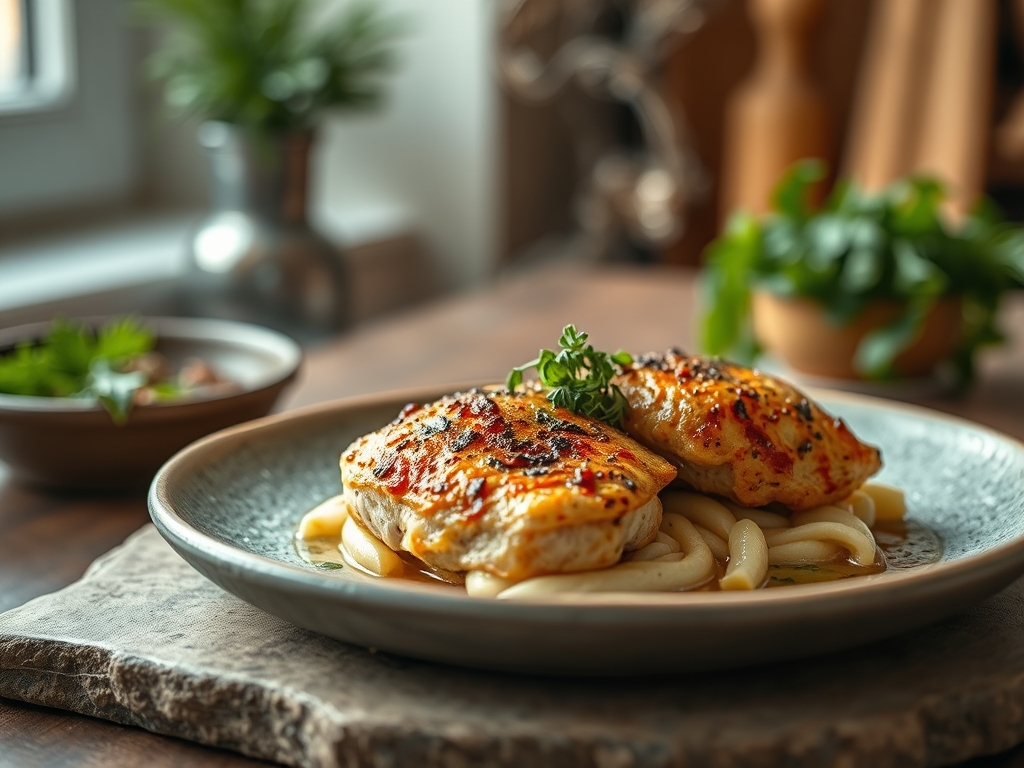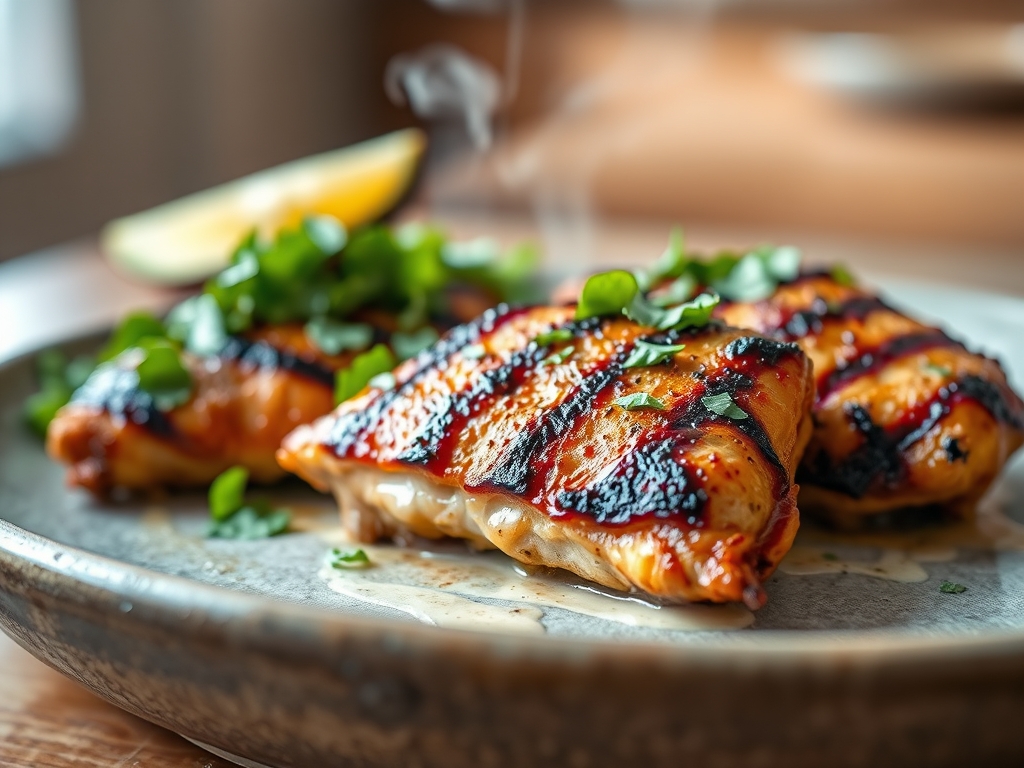
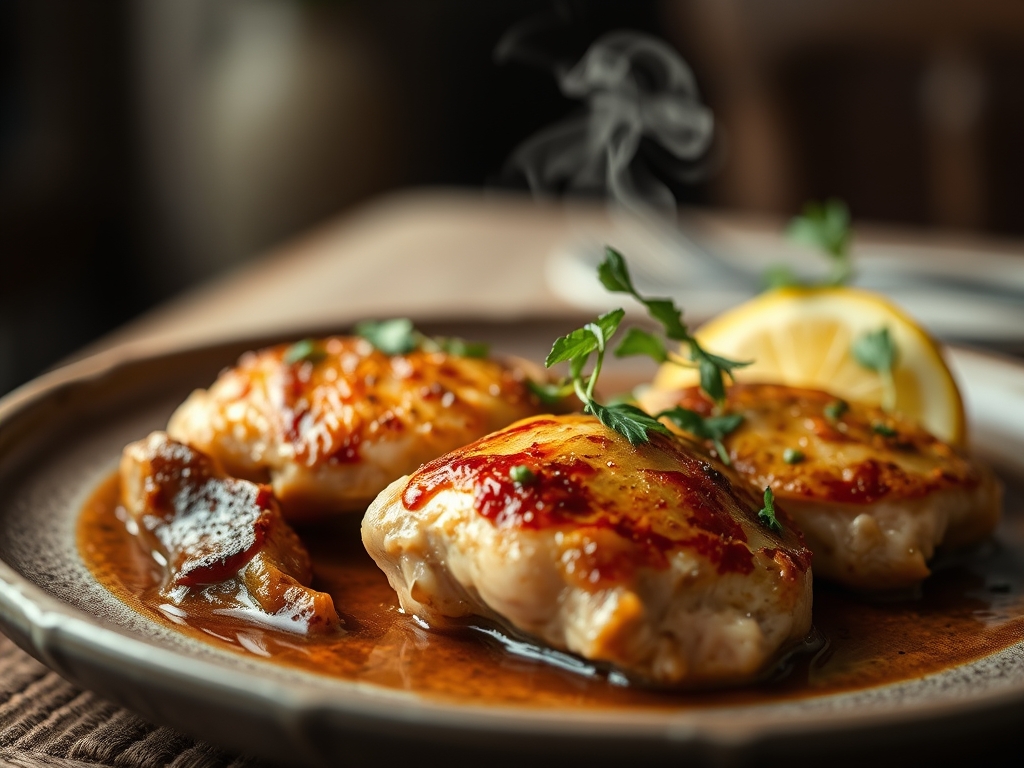
Picture a mist-heavy morning in County Cork where the air smells of peat smoke and damp earth. You are standing in a kitchen with flagstone floors; the heavy-bottomed skillet is already singing on the range. We often think of beef or lamb when discussing the Emerald Isle, but ireland chicken recipes are the true, unsung heroes of the Celtic table. This is comfort food stripped of its pretension and rebuilt with technical precision. We are talking about golden skin that shatters like glass and sauces so viscous they cling to the back of a silver spoon. Whether it is a cider-braised bird or a creamy pot pie, the goal is to coax maximum flavor out of humble ingredients. We are going to master the art of the slow render and the perfect deglaze. Grab your apron and a glass of something crisp; we are diving into the molecular magic that makes Irish poultry legendary. It is time to transform your kitchen into a Dublin bistro.
The Gathers:
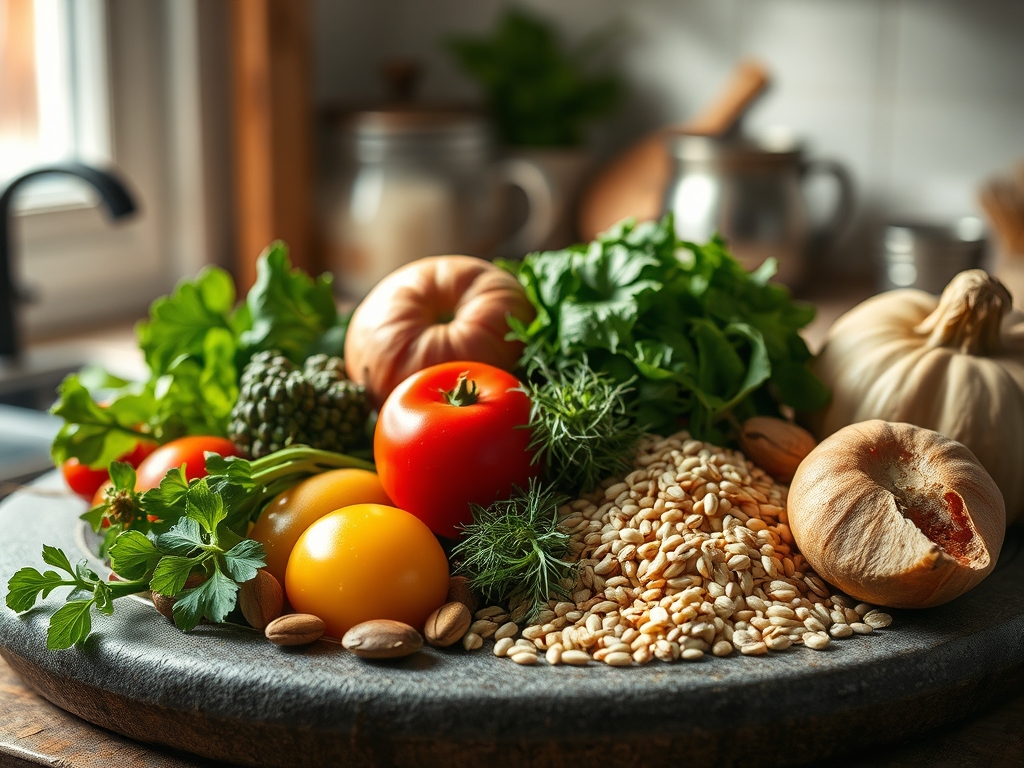
To execute these ireland chicken recipes with professional flair, your mise-en-place must be impeccable. Start with high-quality poultry; look for air-chilled birds which lack the excess water weight of brine-injected supermarket varieties. You will need a heavy-bottomed skillet or a cast-iron Dutch oven to ensure even heat distribution. For the aromatics, gather leeks, carrots, and yellow onions. The leeks provide a delicate, grassy sweetness that white onions simply cannot replicate. You will also need "The Holy Trinity" of Irish herbs: fresh thyme, rosemary, and flat-leaf parsley.
For the liquids, keep a dry Irish cider and a bottle of heavy cream nearby. The acidity in the cider is crucial for breaking down connective tissues. Smart Substitutions: If you are avoiding alcohol, a high-quality verjus or a splash of apple cider vinegar diluted in chicken stock works beautifully. For a dairy-free profile, full-fat coconut milk can mimic the viscosity of cream, though it alters the flavor profile toward the tropical. Use a microplane to zest a bit of lemon over your finished gathers; the citric acid acts as a flavor bridge, elevating the earthy notes of the root vegetables.
The Clock
Efficiency in the kitchen is about "Chef's Flow," which is the logical sequencing of tasks to minimize downtime. For most ireland chicken recipes, expect a 20-minute prep window followed by 45 to 60 minutes of active and passive cooking. Start by rendering your fats first. While the chicken skin is crisping, use that time to dice your mirepoix with a sharp chef's knife. By the time the chicken is ready to be flipped, your vegetables should be staged in small bowls. This prevents the "panic chop" where you are rushing to finish dicing while the garlic is already burning in the pan. If you are making a traditional Irish stew, remember that the flavors deepen over time; the dish actually tastes better 24 hours later due to starch retrogradation in the potatoes.
The Masterclass
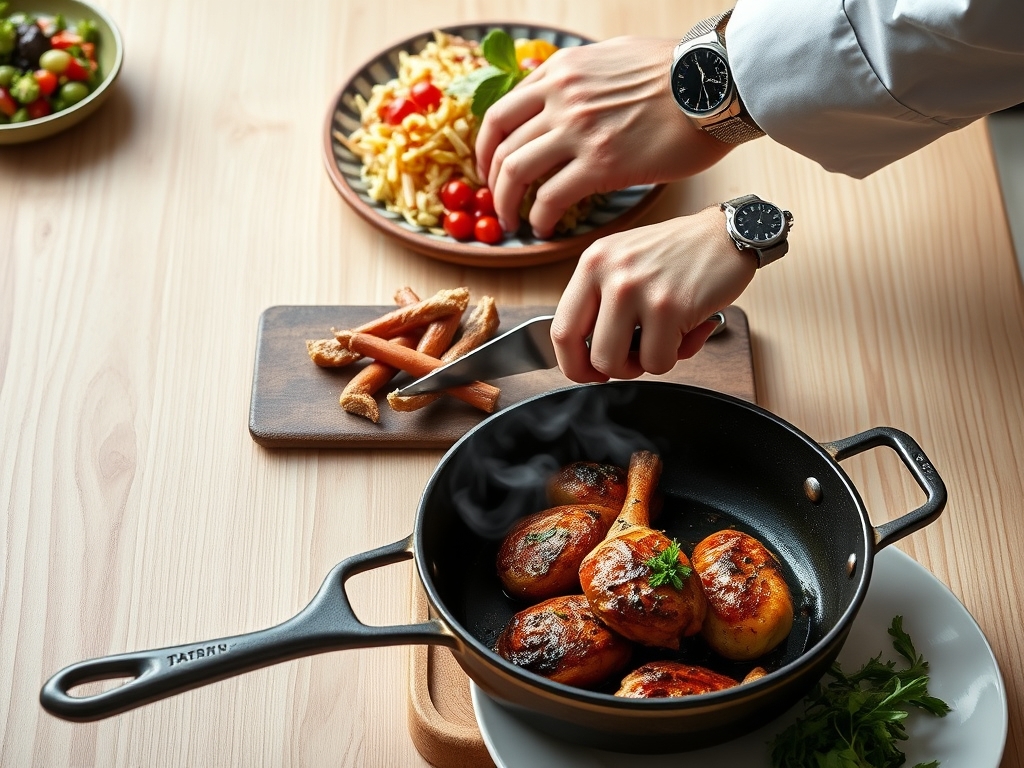
1. The Sear and Render
Place your chicken thighs skin-side down in a cold, heavy-bottomed skillet and then turn the heat to medium-high. This allows the fat to render slowly, resulting in a thinner, crispier skin. Use stainless steel tongs to press the meat down for maximum surface contact.
Pro Tip: This process utilizes the Maillard Reaction, a chemical reaction between amino acids and reducing sugars that creates hundreds of different flavor compounds. Starting in a cold pan prevents the skin from shrinking too quickly and trapping unrendered fat beneath the surface.
2. The Deglaze
Once the chicken is golden and set aside, you will notice brown bits stuck to the bottom of the pan. This is "fond." Pour in your Irish cider or stock and use a wooden spoon or a bench scraper to loosen these bits while the liquid bubbles.
Pro Tip: Deglazing is a thermodynamic process that captures concentrated proteins and sugars. The liquid acts as a solvent, pulling the flavor-dense fond into the sauce, creating a complex, savory base that water alone could never achieve.
3. The Low and Slow Braise
Return the chicken to the pan, ensuring the skin remains above the liquid line to stay crispy. Lower the heat to a simmer and cover. This is where the magic happens for ireland chicken recipes.
Pro Tip: Maintaining a temperature between 160 and 180 degrees Fahrenheit ensures that the collagen in the connective tissues converts into gelatin. This process, known as hydrolysis, results in meat that is incredibly tender and a sauce with a silky, mouth-coating texture.
4. The Emulsification
In the final minutes, stir in your heavy cream or a knob of cold butter. Use a whisk or a saucier to incorporate the fat into the simmering liquid.
Pro Tip: This creates a stable emulsion. The proteins in the cream act as emulsifiers, binding the fats and liquids together so the sauce does not "break" or become oily. This provides the signature "velouté" finish common in high-end Irish gastropubs.
The Deep Dive
From a nutritional standpoint, ireland chicken recipes are remarkably balanced. You get high-quality lean protein from the bird, complex carbohydrates from the root vegetables, and healthy fats if you use grass-fed Irish butter.
Dietary Swaps: For a Keto-friendly version, swap the potatoes for cauliflower florets or celeriac. To make these recipes Gluten-Free, ensure your chicken stock is certified and use cornstarch or arrowroot powder instead of flour for thickening. For a Vegan twist, use oyster mushrooms as a "chicken" substitute; their fibrous texture mimics poultry perfectly when seared.
The Fix-It:
- Sauce is too thin? Create a "beurre manié" by mixing equal parts softened butter and flour, then whisking it into the boiling sauce.
- Chicken is dry? You likely overshot the internal temperature. Always use a digital thermometer and pull the meat at 160 degrees; thermal carryover will bring it to the safe 165-degree mark while it rests.
- Flavor is flat? It needs acid. A teaspoon of lemon juice or a dash of white wine vinegar will "wake up" the fats and salts.
Meal Prep: When reheating, avoid the microwave as it toughens the protein fibers. Instead, place the chicken and sauce in a small saucepan with a splash of water or stock. Cover and heat on low. This "steam-reheating" method preserves the moisture and prevents the fats from separating.
The Wrap-Up
Mastering ireland chicken recipes is about more than just following a list of steps; it is about understanding the soul of the ingredients. When you hear that sizzle in the pan and smell the thyme hitting the hot fat, you are participating in a culinary tradition that spans generations. These dishes are designed to be shared, to be eaten with crusty soda bread, and to provide a sanctuary from the cold. You have the tools, you have the science, and now you have the recipes. Go forth and cook with confidence; your kitchen is about to become the best seat in the house.
The Kitchen Table
How do I get the skin extra crispy?
Pat the chicken extremely dry with paper towels before cooking. Moisture is the enemy of the Maillard reaction. For the best results, let the chicken air-dry uncovered in the refrigerator for two hours before searing in a heavy skillet.
Can I use chicken breasts instead of thighs?
Yes, but be careful. Breasts lack the fat and connective tissue of thighs, making them prone to drying out. Shorten the braising time and use a digital scale to ensure they do not exceed an internal temperature of 165 degrees.
What is the best potato for Irish stew?
Use a waxy potato like Yukon Gold or Charlotte. These varieties hold their shape during long simmering processes. Starchy potatoes like Russets will break down and thicken the sauce, which is fine if you prefer a more porridge-like consistency.
Why did my cream sauce curdle?
Curdling happens when the heat is too high or the sauce is too acidic. Always lower the heat to a bare simmer before adding dairy. Stirring in a small amount of room-temperature cream first helps temper the mixture and prevents breaking.