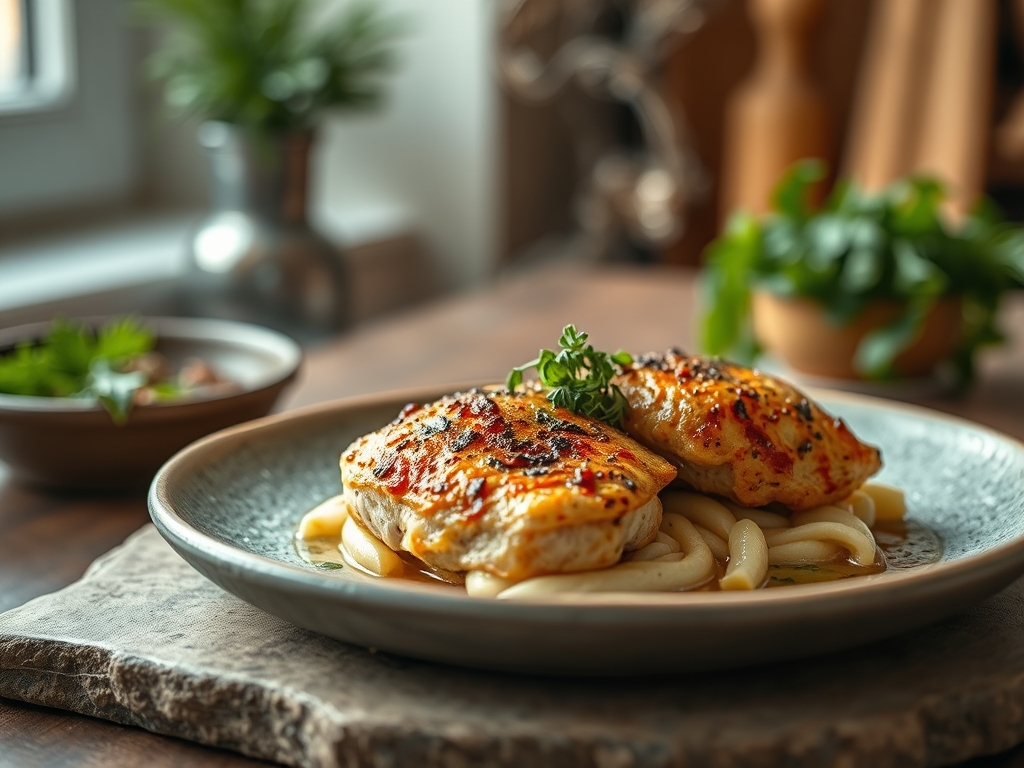
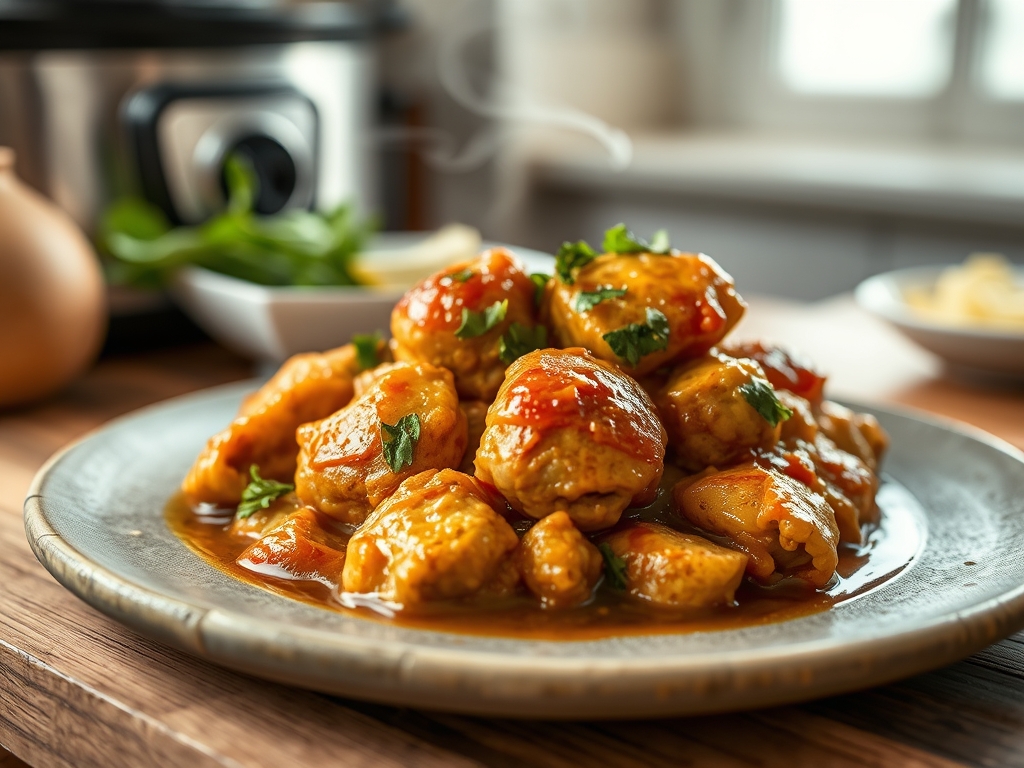
Imagine the scent of toasted garam masala and simmering ginger drifting through your hallway at 4:00 PM. It is a warm, velvety hug in a bowl that makes your kitchen feel like a high-end bistro. When you master crockpot butter chicken recipes, you are not just making dinner; you are orchestrating a complex chemical transformation that turns humble poultry into a masterpiece.
This is the ultimate comfort food for the modern soul. It is creamy, slightly piquant, and deeply satisfying. Unlike the rushed versions you find at a takeout counter, the slow cooker allows the spices to bloom and the fats to emulsify into a perfectly viscous sauce. We are going to dive deep into the molecular magic that happens inside that ceramic pot. By the time we are done, you will understand exactly why your butter chicken tastes better than the rest. Grab your favorite apron and a glass of wine; we are about to elevate your weeknight rotation into something truly legendary.
The Gathers:
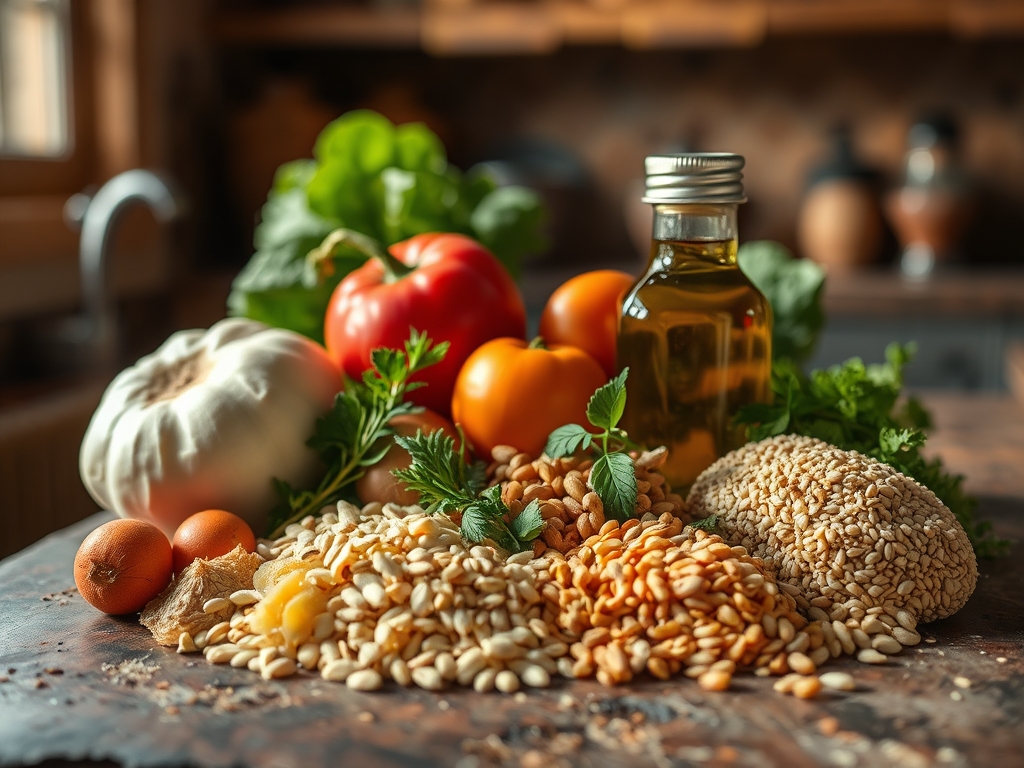
To achieve a restaurant-quality result, your mise-en-place must be precise. Start with boneless, skinless chicken thighs. While breasts are leaner, thighs contain more connective tissue (collagen) that breaks down into gelatin during the slow cooking process, providing a superior mouthfeel. You will need a digital scale to ensure your spice ratios are exact.
The aromatics are the soul of the dish. You need fresh ginger and garlic, ideally grated with a microplane to create a fine paste that melts into the sauce. For the base, use a high-quality tomato puree or passata. Avoid chunky crushed tomatoes; we want a smooth, elegant texture. The fat component is non-negotiable: use unsalted butter and heavy cream. If you are feeling adventurous, swap the butter for traditional ghee, which has a higher smoke point and a deeper, nuttier flavor profile.
Smart Substitutions: If you are out of heavy cream, full-fat coconut milk provides a similar viscosity but adds a subtle tropical note. For a lighter version, Greek yogurt can be used, though it must be whisked in at the very end to prevent curdling. If you lack a specific spice blend, a mix of cumin, coriander, turmeric, and a pinch of cinnamon will mimic the complexity of garam masala.
The Clock:
Mastering the "Chef's Flow" is about maximizing efficiency while the machine does the heavy lifting. Your active prep time should take no more than 15 to 20 minutes. This includes trimming the chicken with sharp kitchen shears and blooming your spices in a heavy-bottomed skillet before they ever touch the crockpot.
The cooking window is flexible but critical. On the "Low" setting, aim for 4 to 6 hours. On "High," 2 to 3 hours is sufficient. However, the lower temperature is preferred because it prevents the proteins from tightening too quickly, which can lead to a stringy texture. Once the timer dings, factor in a 10-minute "rest" period with the lid off to allow the sauce to thicken through evaporation before you stir in the final dairy components.
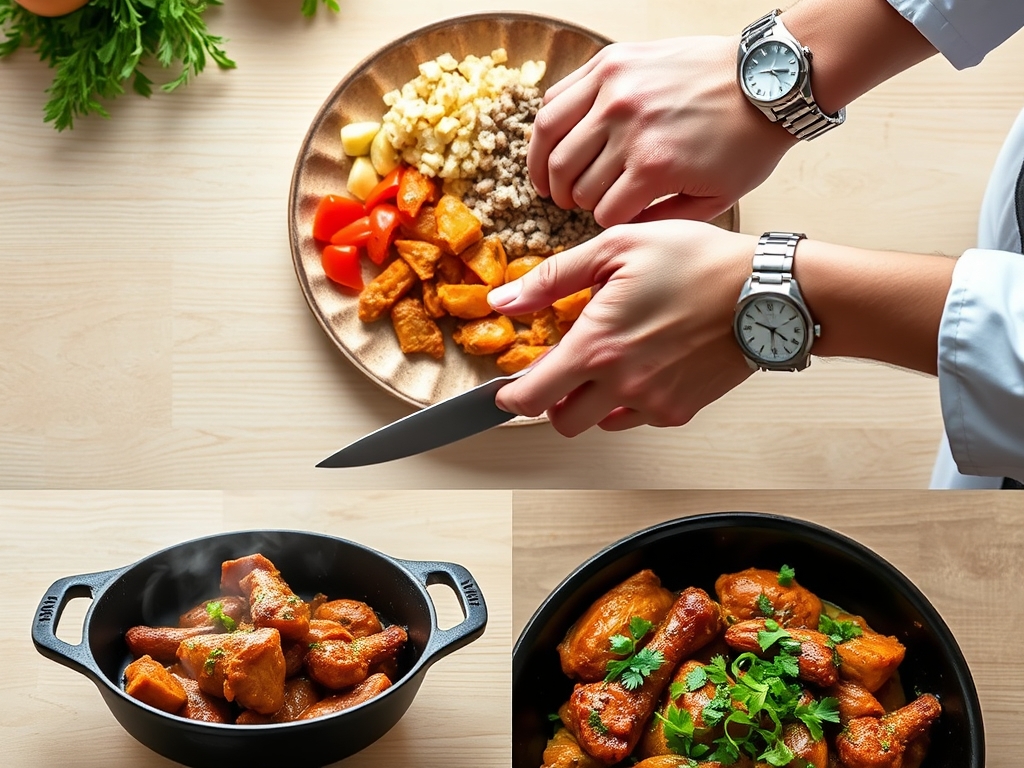
The Masterclass:
1. The Maillard Pre-Sear
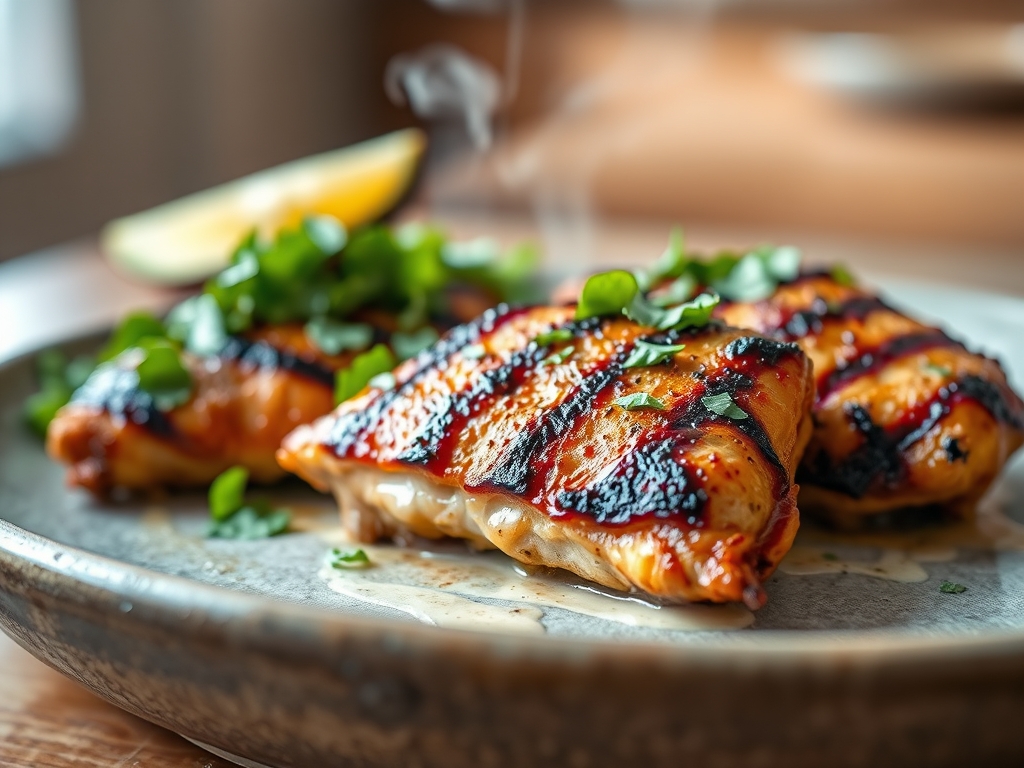
While many crockpot butter chicken recipes suggest tossing raw meat into the pot, we are going to deglaze a skillet first. Sear your chicken pieces in batches until a golden crust forms.
Pro Tip: This creates the Maillard reaction; a chemical reaction between amino acids and reducing sugars that creates hundreds of different flavor compounds you simply cannot get from boiling or steaming.
2. Blooming the Aromatics
In the same skillet, toss in your spices, ginger, and garlic. Use a saucier or a silicone spatula to stir them constantly for 60 seconds until the oils become fragrant.
Pro Tip: Spices are fat-soluble. "Blooming" them in fat releases the essential oils trapped inside the dried husks, intensifying the flavor profile of the entire dish.
3. The Slow Infusion
Transfer the seared chicken and the toasted spice paste into the crockpot. Pour over the tomato puree and a splash of chicken stock. Stir with a bench scraper or large spoon to ensure no spice clumps remain.
Pro Tip: Slow cooking allows for a deep infusion of flavors. The low heat prevents the volatile aromatics from evaporating, trapping them within the sauce's fat molecules.
4. The Emulsification Phase
Once the chicken is tender, turn the crockpot to the "Warm" setting. Slowly pour in the heavy cream and cold cubes of butter, whisking gently to combine.
Pro Tip: This is a mechanical emulsification. Adding cold butter to a warm sauce creates a stable suspension of fat droplets, resulting in that signature glossy, velvet-like finish.
5. The Acid Balance
Just before serving, squeeze in fresh lime juice or add a teaspoon of sugar if the tomatoes are too acidic.
Pro Tip: Brightness is a sensory necessity. Acid cuts through the heavy fats of the cream and butter, providing a "lift" that prevents the dish from feeling one-dimensional on the palate.
6. The Herb Aeration
Fold in a generous handful of chopped cilantro. Do not over-mix; you want the green to stay vibrant.
Pro Tip: Fresh herbs provide aeration to the aroma. The heat of the sauce releases the cilantro's aldehydes, which provide a sharp contrast to the earthy, warm spices.
7. The Final Texture Check
If the sauce is too thin, take a small amount of the liquid and whisk in a teaspoon of cornstarch before adding it back.
Pro Tip: This utilizes starch gelatinization. The heat causes the starch granules to swell and burst, creating a thickened network that traps the liquid.
The Deep Dive:
From a macro perspective, butter chicken is a powerhouse of protein and healthy fats. A standard serving contains roughly 35g of protein and 25g of fat. To make this Keto-friendly, simply serve it over cauliflower rice instead of basmati. For a Vegan version, substitute the chicken with roasted chickpeas or firm tofu, and use cashew cream and vegan butter.
The Fix-It:
- Sauce is too thin: Remove the lid and cook on high for 30 minutes to allow moisture to escape.
- Chicken is dry: You likely used breast meat or cooked it too long. Next time, use a digital thermometer to pull the chicken at exactly 165 degrees Fahrenheit.
- Flavor is bland: You likely skipped the "blooming" step. Add a pinch of salt and a dash of cayenne to wake up the existing spices.
Meal Prep Science: Butter chicken is actually better the next day. As it sits in the fridge, the spices continue to undergo "flavor marriage," where the chemical compounds distribute more evenly. When reheating, use a low heat on the stove and add a splash of water to re-hydrate the proteins without breaking the emulsion.
The Wrap-Up:
You have officially graduated from a casual cook to a butter chicken connoisseur. By focusing on the science of emulsification and the importance of the Maillard reaction, you have unlocked a level of flavor that most people only find in high-end restaurants. This dish is a testament to the power of patience and precision. Now, serve it up with some charred garlic naan, share it with your favorite people, and bask in the glory of a perfectly executed meal. You earned it!
The Kitchen Table:
Can I use frozen chicken in the crockpot?
No, it is unsafe. Frozen meat stays in the bacterial "danger zone" (40 to 140 degrees Fahrenheit) for too long in a slow cooker. Always thaw your poultry completely in the refrigerator before starting your crockpot butter chicken recipes.
How do I prevent the cream from curdling?
Dairy curdles when exposed to high heat for extended periods. To keep your sauce smooth, always stir in the heavy cream or yogurt at the very end of the cooking cycle on the "Warm" or "Low" setting.
What is the best way to thicken the sauce?
The most effective method is a cornstarch slurry. Mix one tablespoon of cornstarch with two tablespoons of cold water. Stir this into the bubbling sauce and wait five minutes for the starch to fully hydrate and thicken the liquid.
Can I make this recipe in an Instant Pot?
Yes, use the "Sauté" function for the aromatics and chicken, then pressure cook on high for 10 minutes with a natural release. The flavor profile remains similar, though the slow cooker allows for a more nuanced spice development.