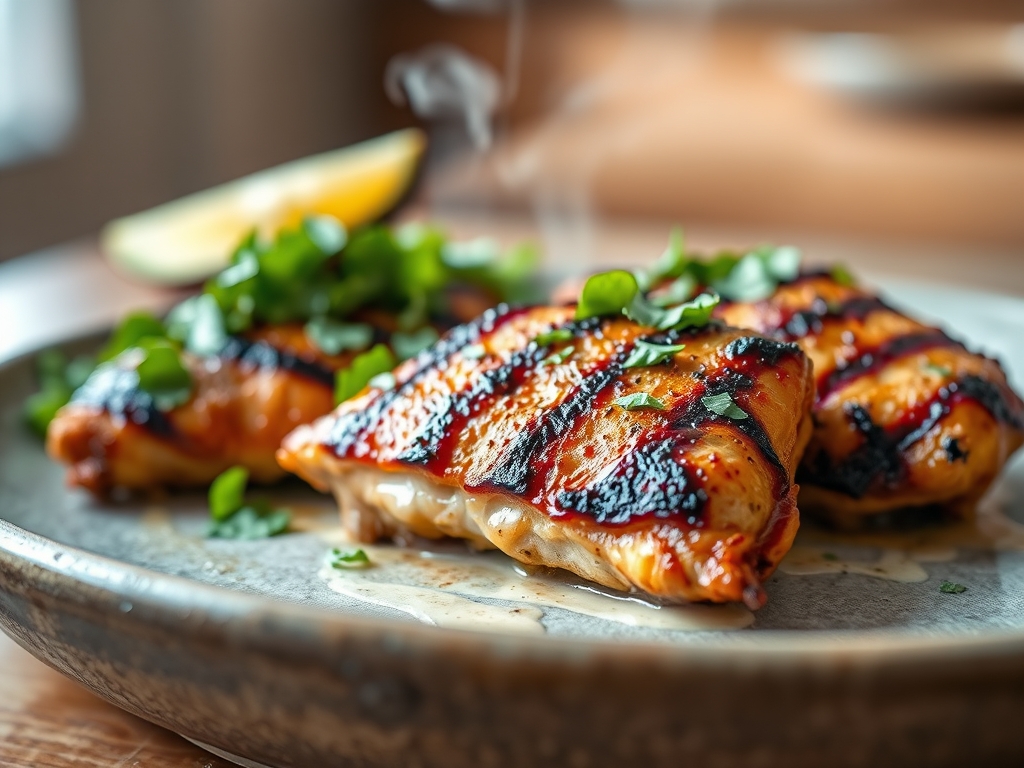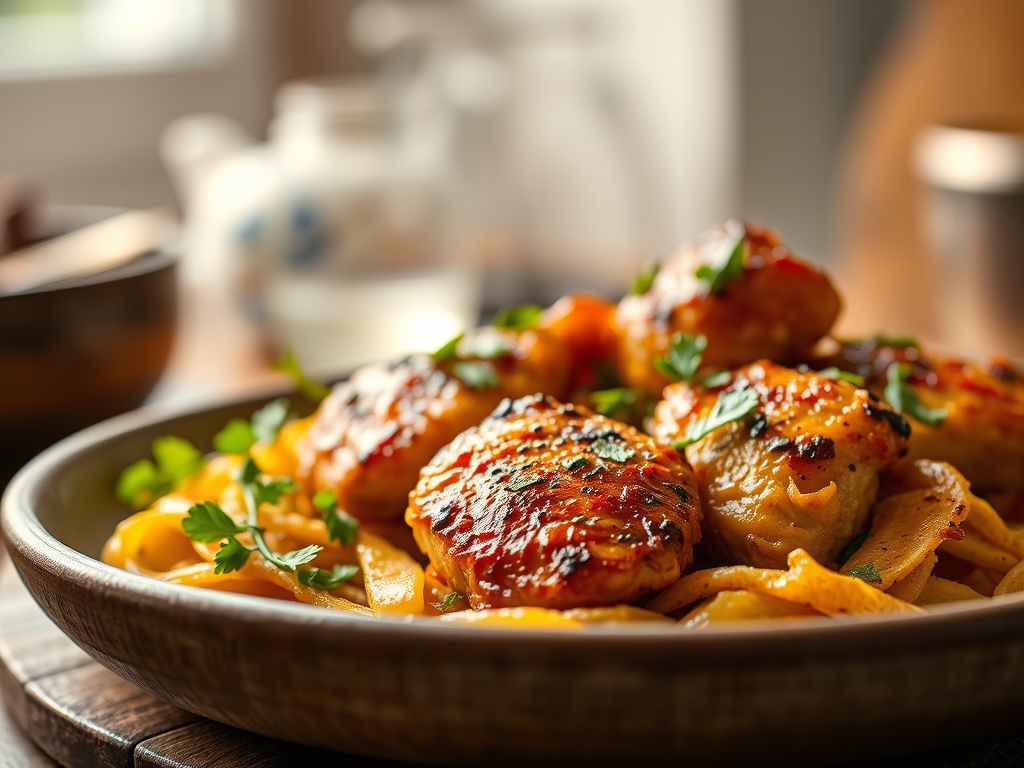
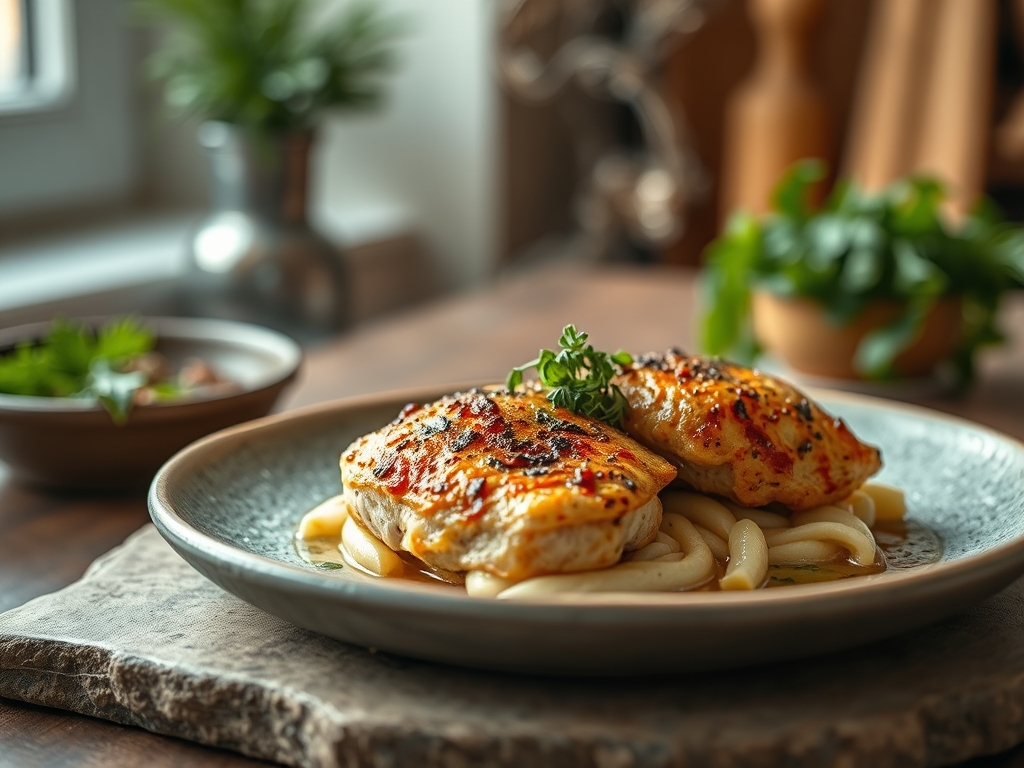
Imagine the sound of high-quality olive oil hitting a preheated roasting pan; that sharp, rhythmic sizzle is the overture to your new favorite weeknight ritual. When you master greek baked chicken recipes, you are not just making dinner; you are orchestrating a symphony of volatile aromatics and deep maillard reactions. The air in your kitchen transforms, carrying notes of charred oregano and bright lemon zest that cut through the rich, savory scent of rendering poultry fat. This is the ultimate comfort food for the modern, busy intellectual who refuses to sacrifice flavor for speed.
The secret to these greek baked chicken recipes lies in the tension between acidity and fat. We are looking for that perfect, golden-brown skin that shatters under a fork, revealing meat so succulent it practically melts. Whether you are hosting a boisterous patio dinner or prepping high-protein lunches for a grueling work week, these techniques ensure every bite is a masterclass in Mediterranean balance. Grab your favorite apron and a glass of crisp Assyrtiko; we are about to turn simple poultry into a culinary triumph.
The Gathers:
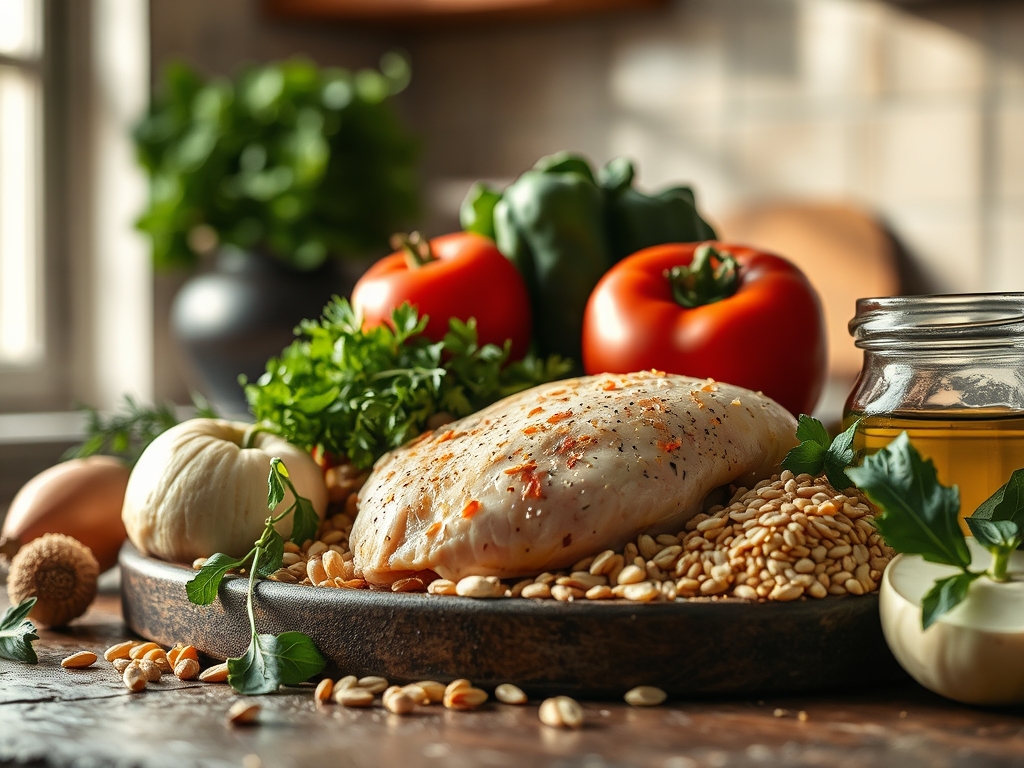
Before we apply heat, we must curate our palette of ingredients. Success begins with the quality of your lipids and acids. Reach for a cold-pressed extra virgin olive oil with a high polyphenol count; it provides a viscous mouthfeel and a piquant finish that cheaper oils lack. Your poultry should be air-chilled if possible; this prevents excess water from steaming the meat, ensuring a superior crust.
For the aromatics, we use a microplane to grate fresh garlic into a fine paste. This maximizes the surface area, allowing the sulfurous compounds to infuse the oil thoroughly. Use high-quality dried Greek oregano, which has a higher oil content than the standard supermarket variety. If you are out of fresh lemons, a splash of high-quality white balsamic vinegar can serve as a smart substitution, providing the necessary low pH to tenderize the muscle fibers without overpowering the delicate herbs.
The Clock:
Efficiency in the kitchen is about understanding the Chef's Flow. You should spend exactly 15 minutes in the active prep phase. This involves the "mise-en-place" where you organize your tools and ingredients. Use a digital scale for precision if you are batch-cooking; consistency is the hallmark of a pro.
The cooking duration typically spans 35 to 45 minutes at 400 degrees Fahrenheit. This high-heat environment is essential for rapid moisture evaporation on the skin. While the chicken roasts, use the "dead time" to whip up a side of tzatziki or a crisp salad. This parallel processing ensures that by the time the chicken has finished its mandatory 10-minute rest, the entire meal is ready for the table.
The Masterclass:
1. The Acidic Brine
Whisk together your olive oil, lemon juice, garlic, and herbs in a saucier or small bowl until the mixture is slightly emulsified. Coat the chicken pieces thoroughly, ensuring the marinade reaches under the skin.
Pro Tip: This process utilizes acidic denaturization. The lemon juice begins to break down the tightly wound protein strands, allowing moisture to penetrate deeper into the tissue for a juicier result.
2. The Sear and Arrange
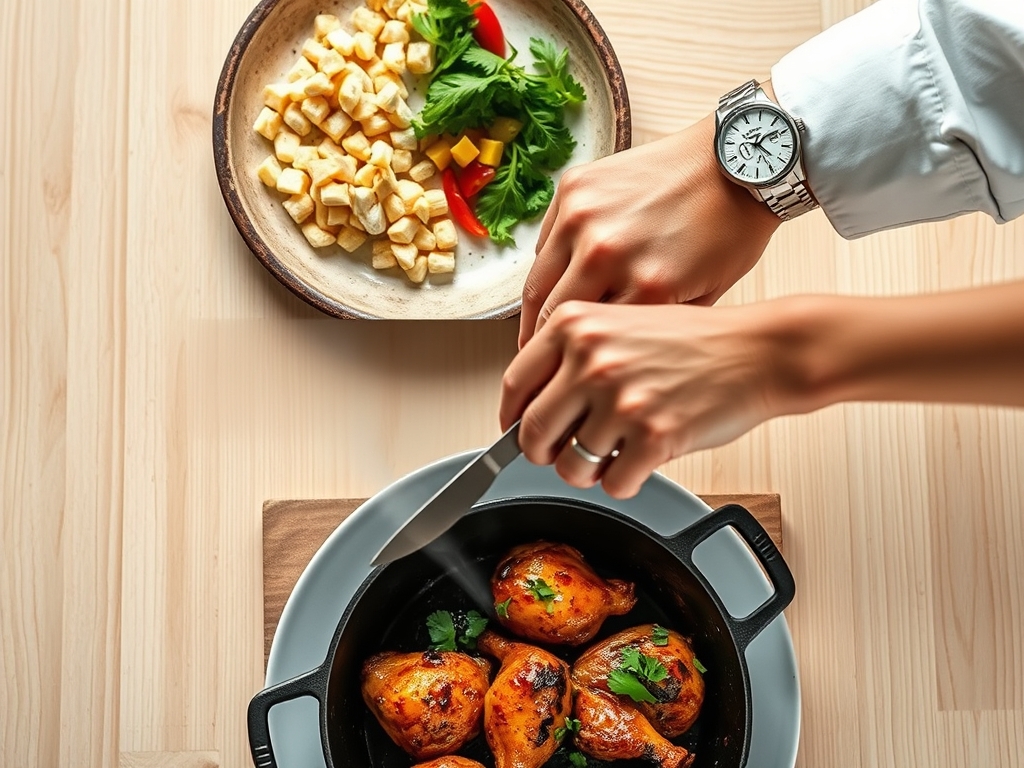
Place the chicken on a heavy-duty rimmed baking sheet. If you want maximum browning, use a heavy-bottomed skillet to sear the skin side for three minutes before transferring to the oven.
Pro Tip: This triggers the Maillard reaction, a chemical reaction between amino acids and reducing sugars that creates hundreds of different flavor compounds and that iconic brown crust.
3. The Thermal Ascent
Slide the tray into the center rack. The ambient heat of the oven will begin to render the subcutaneous fat, which bastes the meat from the outside in.
Pro Tip: Avoid crowding the pan. If the pieces are too close, they will release steam and boil rather than roast, ruining the texture of the skin.
4. The Carryover Rest
Once the internal temperature hits 160 degrees Fahrenheit on an instant-read thermometer, remove the chicken. Transfer it to a warm platter using tongs.
Pro Tip: You must account for thermal carryover. The internal temperature will continue to rise by 5 degrees after removal. Resting allows the muscle fibers to relax and reabsorb the juices.
The Deep Dive:
From a macro nutrition perspective, greek baked chicken recipes are a powerhouse. A standard 6-ounce serving provides roughly 42 grams of high-biological-value protein with moderate healthy fats. For those following a Keto lifestyle, this is a perfect base. If you are Vegan, you can swap the poultry for extra-firm tofu or cauliflower steaks; just ensure you press the tofu with a bench scraper or heavy weight first to remove excess water.
Even the best cooks hit snags. If your chicken is dry, you likely bypassed the resting phase or overcooked it; next time, pull it at 155 degrees. If the skin is flabby, your oven temperature was too low or the pan was too crowded. If the garlic tastes bitter, it burned in the high heat; try tucking the garlic paste under the skin next time to protect it.
For meal prep, reheating is a science. Avoid the microwave, which turns protein rubbery. Instead, use a toaster oven at 350 degrees for 10 minutes. This re-activates the fats and crisps the skin, giving you that "day-one" quality even on a Wednesday afternoon.
The Wrap-Up:
Mastering greek baked chicken recipes is like finding the perfect pair of vintage jeans; it is classic, versatile, and makes you feel like a total boss. By focusing on the chemistry of the marinade and the physics of the roast, you have elevated a simple bird into a Mediterranean masterpiece. Remember, the kitchen is your laboratory. Do not be afraid to experiment with different herb ratios or citrus blends. You have the tools, the science, and the talent; now go make something delicious.
The Kitchen Table:
How do I keep the chicken breast from drying out?
Use a digital thermometer to pull the meat at 160 degrees Fahrenheit. The carryover cooking will bring it to the safe 165 mark while the resting period ensures the internal juices redistribute into the fibers instead of spilling out.
Can I use dried herbs instead of fresh?
Yes, but remember that dried herbs are more concentrated. Use a one-to-three ratio; one tablespoon of dried oregano equals three tablespoons of fresh. Rub the dried herbs between your palms to aerate and release the essential oils before adding.
What is the best way to get crispy skin?
Pat the chicken extremely dry with paper towels before marinating. Moisture is the enemy of the crunch. Additionally, using a heavy-bottomed skillet to sear the skin before baking ensures the fat renders fully for a glass-like texture.
Is this recipe suitable for a Mediterranean diet?
Absolutely. It emphasizes lean protein, heart-healthy monounsaturated fats from olive oil, and antioxidant-rich herbs. It is a foundational dish for anyone looking to incorporate more whole, unprocessed foods into their daily routine without sacrificing intense flavor.