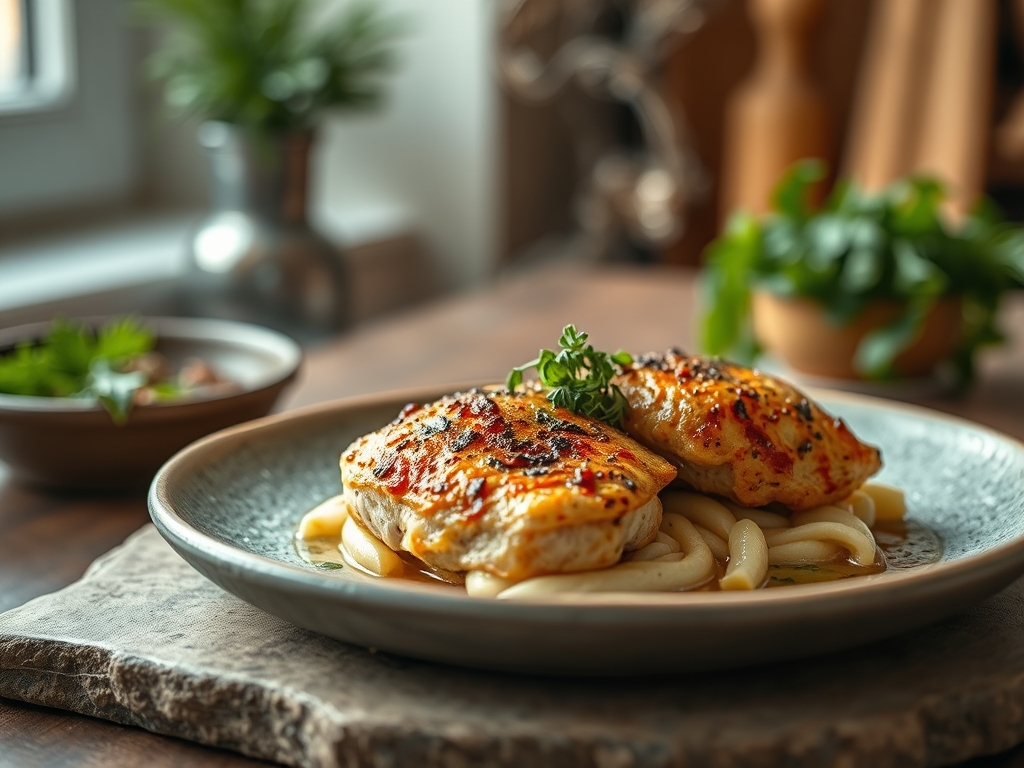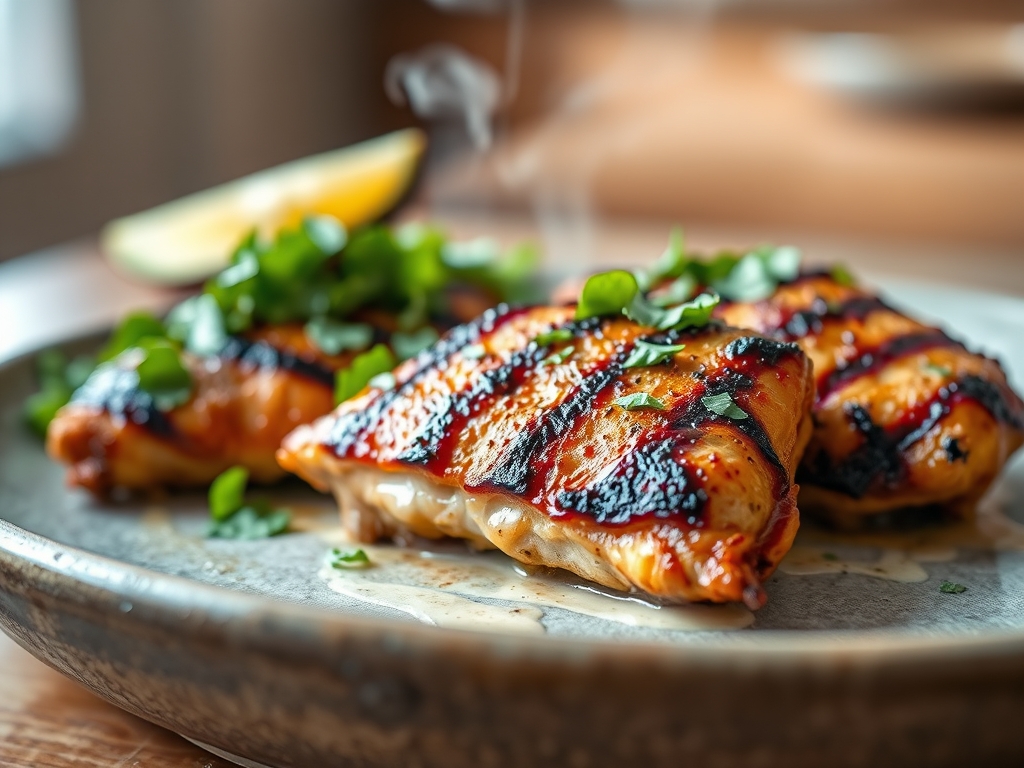
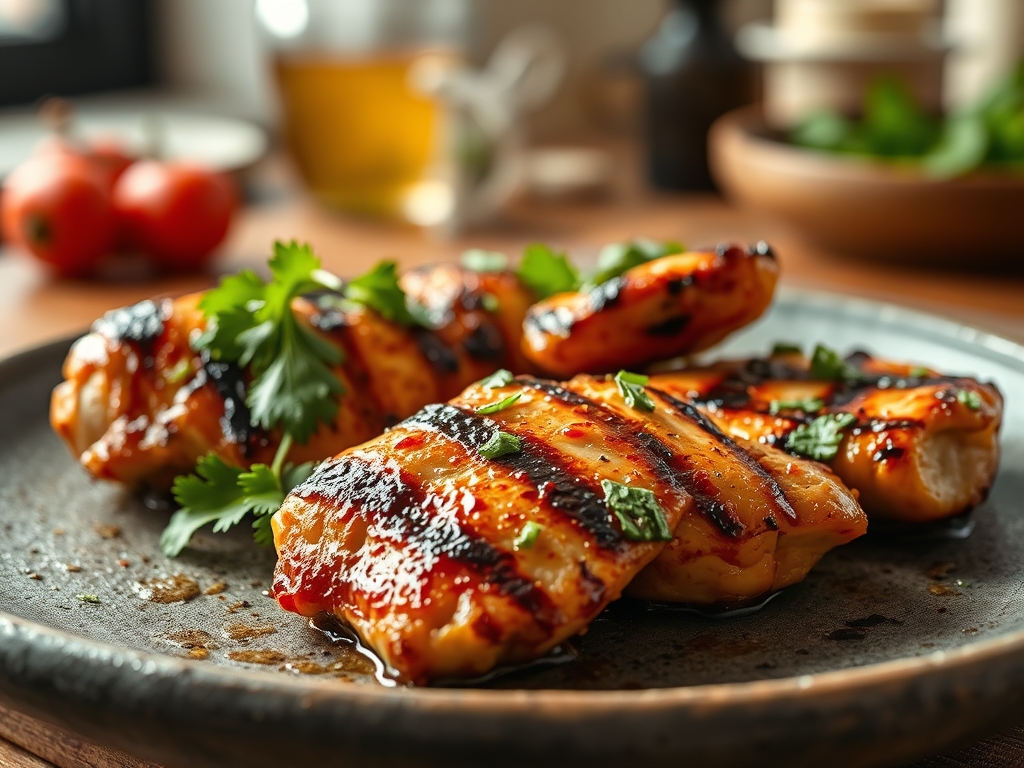
Close your eyes and listen to that aggressive, rhythmic hiss as the cold poultry hits the scorching iron. That sound is the symphony of the Maillard reaction, and if you are hunting for the absolute best grilled fajitas chicken recipes, you have finally found your culinary home. We are moving past those dry, rubbery strips of sadness and into the world of high-velocity flavor.
The secret to a world-class fajita is not just heat; it is the delicate balance of acidity, fat, and timing. Most home cooks treat chicken breast like a chore, but we are going to treat it like a scientific masterpiece. By understanding how proteins denature and how citrus enzymes break down connective tissue, you can transform a humble piece of meat into a succulent, charred, and piquant experience that rivals any high-end cantina. We are talking about chicken that is so juicy it requires extra napkins, seasoned with a precision that makes every bite a revelation. Grab your apron and your favorite tongs; we are about to elevate your weeknight dinner into a technical triumph.
The Gathers:
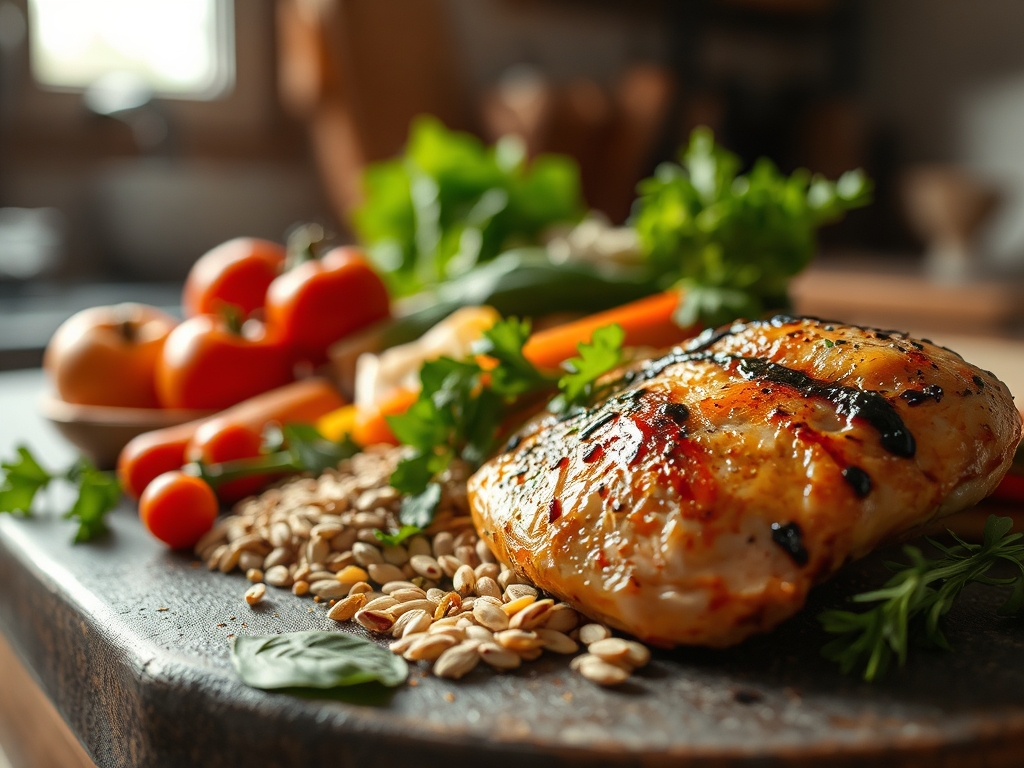
To execute this properly, your mise-en-place must be flawless. Start with two pounds of organic chicken breasts or thighs. If you prefer a leaner profile, breasts are your canvas, but thighs offer a higher fat content that stays moist under intense heat. You will need high-smoke-point oil like avocado or grapeseed oil; do not use extra virgin olive oil here as it will smoke and turn bitter at the temperatures we require.
For the marinade, gather fresh limes for their citric acid, which acts as a gentle denaturant. You will need a microplane to zest those limes before juicing them to capture the aromatic oils. Add four cloves of garlic, crushed into a paste, along with ground cumin, smoked paprika, and a touch of chipotle powder for a smoky kick. A tablespoon of honey or agave is essential; the sugars provide the fuel for carmelization.
Smart Substitutions: If you are avoiding nightshades, swap the paprika for a blend of ground coriander and toasted cumin. If lime is too sharp, a splash of pineapple juice provides bromelain, an enzyme that tenderizes meat even faster than citrus. For a sodium-conscious version, use a high-quality liquid aminos instead of kosher salt to maintain that savory umami depth.
The Clock
Efficiency in the kitchen is about "Chef's Flow," which means overlapping tasks to minimize downtime. Your total active prep time is roughly 20 minutes, with a mandatory 30 to 60 minute marination window. Do not exceed two hours, or the acid will turn the chicken mushy.
The actual cook time is remarkably fast: 6 to 8 minutes per side depending on the thickness. While the chicken rests, which is a non-negotiable 10 minute period, you will flash-sear your peppers and onions. This ensures everything hits the table at the optimal temperature. Total time from fridge to fork is about 90 minutes, but the results taste like a slow-cooked labor of love.
The Masterclass
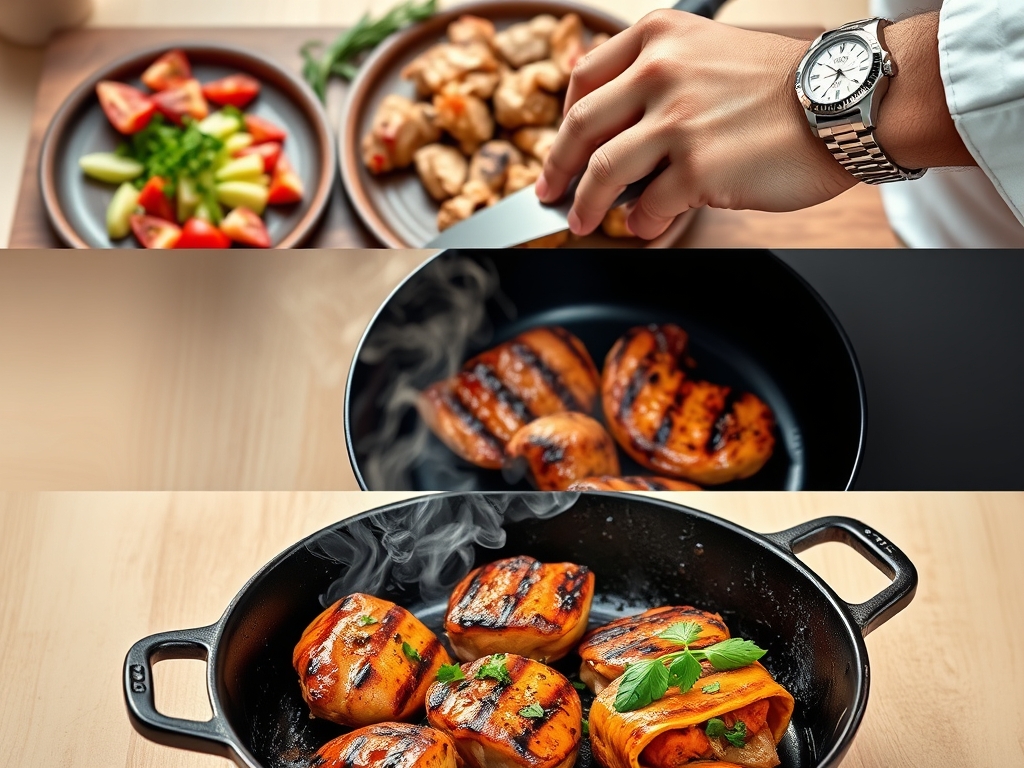
1. The Uniform Slice
Use a sharp chef's knife or a bench scraper to stabilize your workspace. Slice the chicken against the grain into even half-inch strips. If the pieces are uneven, they will cook at different rates, leading to a mix of raw and overcooked meat.
Pro Tip: Cutting against the grain shortens the muscle fibers. This makes the chicken feel significantly more tender in the mouth because your teeth have less structural resistance to overcome.
2. The Emulsified Marinade
In a small saucier or bowl, whisk your oil, lime juice, and spices until they form a viscous, unified liquid. Do not just pour them over the chicken separately. You want the oil to carry the fat-soluble spice compounds directly into the crevices of the meat.
Pro Tip: This is known as an emulsion. By suspending the acid in the oil, you ensure a more even distribution of flavor and prevent the acid from "cooking" the exterior of the chicken too quickly.
3. The High-Heat Sear
Get your heavy-bottomed skillet or outdoor grill screaming hot. You should see a faint wisp of blue smoke. Place the chicken in a single layer. Do not crowd the pan, or the temperature will drop and the meat will steam in its own juices rather than searing.
Pro Tip: This triggers enzymatic browning. The sugars and amino acids react at 300 degrees Fahrenheit to create hundreds of new flavor compounds that simply do not exist in boiled or baked chicken.
4. The Deglaze and Toss
Once the chicken is charred and cooked through, remove it. Immediately toss in your sliced peppers and onions. Use a splash of water or chicken stock to deglaze the pan, scraping up all those brown bits (the fond) from the bottom.
Pro Tip: Deglazing utilizes steam to lift concentrated flavor molecules off the pan and coat your vegetables, ensuring no "flavor gold" is wasted.
5. The Essential Rest
Transfer the grilled chicken to a warm plate and tent it loosely with foil. Let it sit for at least five to seven minutes before serving.
Pro Tip: This allows for thermal carryover. The internal temperature will rise by about 5 degrees, and the muscle fibers will relax, allowing them to reabsorb the juices that were pushed to the center during cooking.
The Deep Dive
From a macro perspective, this is a powerhouse meal. A standard serving of these grilled fajitas chicken recipes provides roughly 35 grams of protein and only 12 grams of fat, mostly from heart-healthy monounsaturated sources. It is naturally low-carb, making it a staple for many modern diets.
Dietary Swaps: For a vegan version, swap the chicken for oyster mushrooms or firm tofu pressed with a digital scale to remove moisture. For Keto enthusiasts, skip the tortillas and serve the mixture over a bed of shredded romaine with extra avocado for healthy fats. Gluten-free diners simply need to ensure they use 100 percent corn tortillas or lettuce wraps.
The Fix-It:
- Chicken is dry: You likely skipped the rest period or sliced it too thin. Next time, use a meat thermometer to pull the chicken at 160 degrees Fahrenheit.
- Vegetables are soggy: The pan was not hot enough. Ensure the skillet is preheated until it is nearly smoking before adding the veg.
- Flavor is bland: You need more salt or acid. A final squeeze of fresh lime juice right before serving can "wake up" the entire dish.
Meal Prep Science: To reheat, avoid the microwave, which vibrates water molecules and toughens protein. Instead, flash-fry the leftovers in a hot skillet with a teaspoon of water. The steam will re-hydrate the fibers without overcooking the core.
The Wrap-Up
Mastering grilled fajitas chicken recipes is a rite of passage for any home cook who wants to blend science with soul. By focusing on the Maillard reaction, proper emulsification, and the crucial resting phase, you have moved beyond "just cooking" and into the realm of culinary artistry. These fajitas are vibrant, smoky, and technically perfect. Now, go grab your favorite salsa, gather your friends, and enjoy the fruits of your delicious labor!
The Kitchen Table
How do I keep chicken from sticking to the grill?
Ensure your grill grates are meticulously cleaned and well-oiled. Most importantly, do not try to flip the chicken too early. The meat will naturally release from the surface once a proper crust has formed through the Maillard reaction.
Can I use chicken thighs for fajitas?
Absolutely. Chicken thighs contain more connective tissue and fat, which makes them more forgiving under high heat. They result in a richer, juicier bite, though they may require an extra minute or two of cook time to fully render the fat.
What is the best way to warm tortillas?
Avoid the microwave. Instead, use tongs to hold tortillas directly over a gas flame for 10 seconds per side. This creates charred "leopard spots" that add a smoky depth and essential flexibility to the tortilla, preventing cracking.
How long should I marinate the chicken?
Aim for 30 to 60 minutes. Because the marinade contains lime juice, marinating for longer than two hours will begin to chemically "cook" the chicken, resulting in a chalky, unpleasant texture. Efficiency and timing are key for maximum juiciness.