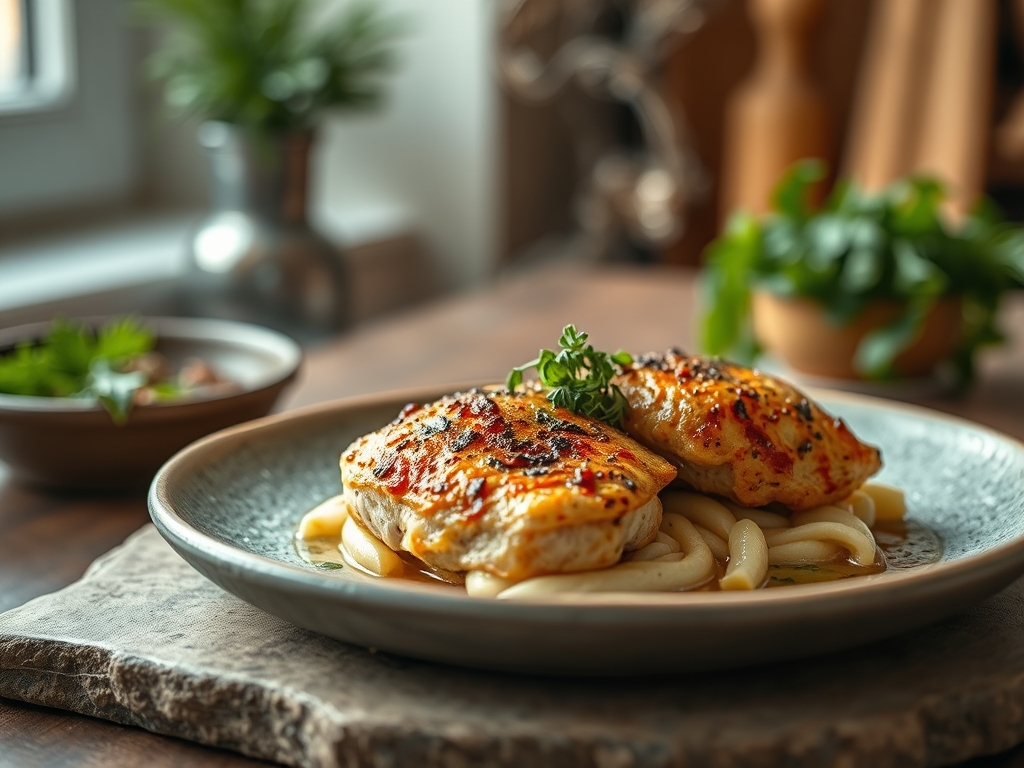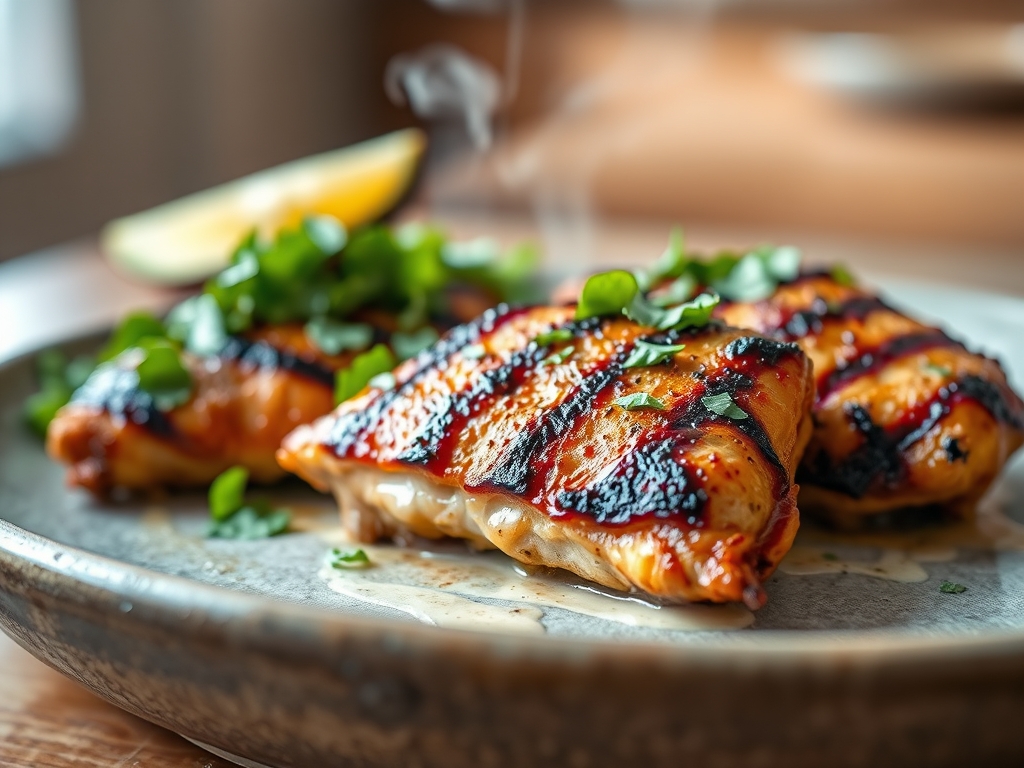
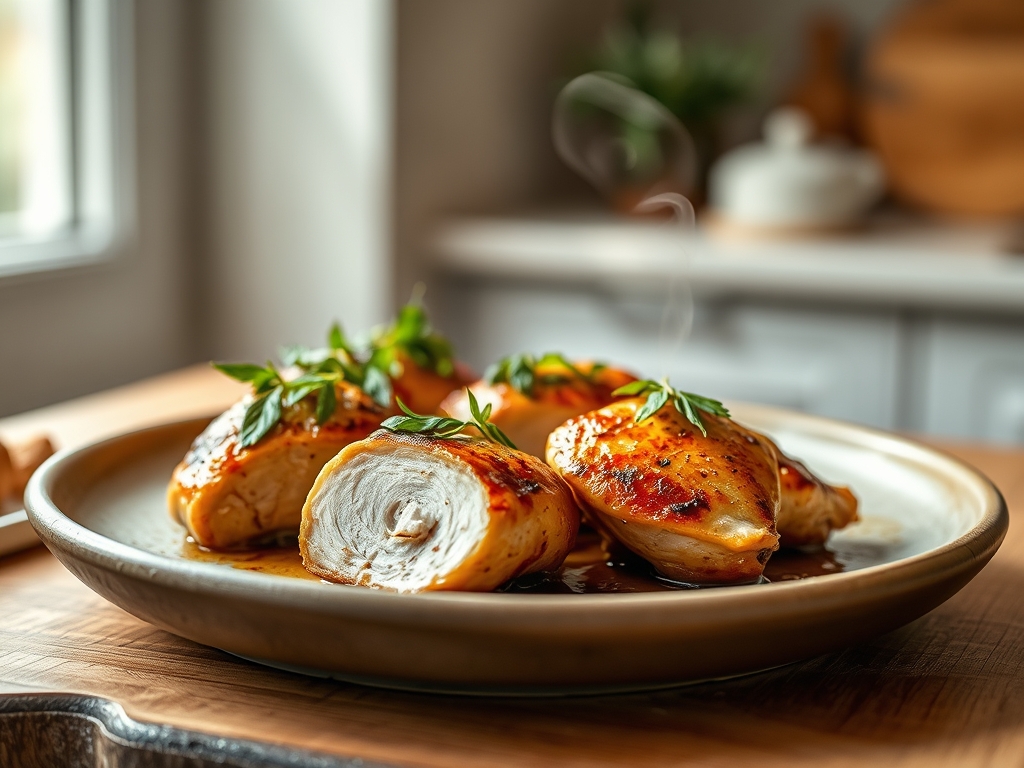
Picture the scene: your kitchen is a blur of motion, the clock is ticking toward a hungry deadline, and you need dinner on the table yesterday. We have all been there, staring into the refrigerator with a mix of ambition and exhaustion. This is where the magic of minute chicken recipes transforms your evening from a stressful scramble into a high-velocity culinary win. We are talking about thin-cut cutlets, rapid-fire searing, and sauces that come together in the time it takes to pour a glass of wine. By leveraging high heat and surface area, we turn the humble bird into a masterpiece of speed and flavor.
The secret to these minute chicken recipes lies in the physics of heat transfer. When you utilize thin-thickness proteins, you are reducing the distance heat must travel to reach the center, ensuring a juicy interior while the exterior undergoes the glorious Maillard reaction. This is not just "fast food" made at home; it is a masterclass in efficiency. We are going to harness the power of a heavy-bottomed skillet and a few piquant pantry staples to create six distinct flavor profiles that feel like they took hours, but actually clocked in under fifteen minutes. Grab your favorite apron and let us get into the science of the sear.
The Gathers:
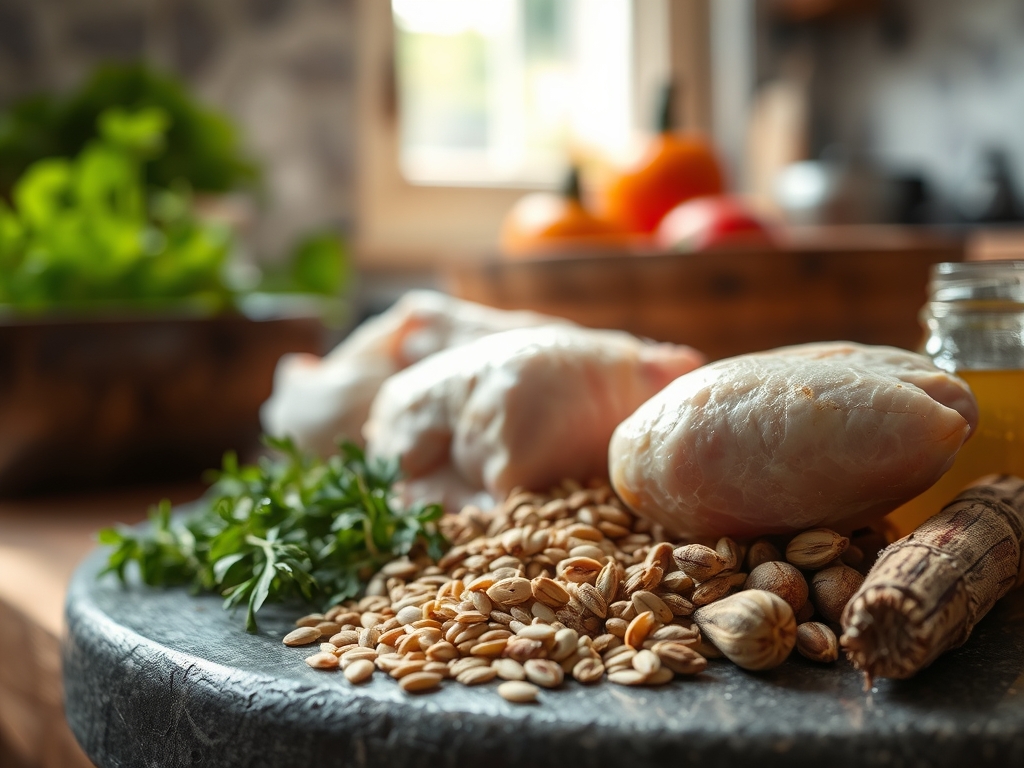
To execute these recipes with professional precision, your mise-en-place must be airtight. We start with the protein: boneless, skinless chicken breasts or thighs, sliced into thin escalopes or uniform strips. You want to see a consistent pink hue and a firm texture, indicating freshness. On your workstation, you should have a high-smoke-point oil like avocado or grapeseed, which allows for intense searing without the acridity of burnt fats. Next, gather your aromatic heavy hitters: fresh garlic cloves, ginger root, and shallots. Use a microplane to grate these into a fine paste; this increases the surface area, allowing the aromatics to infuse the oil almost instantly without burning.
For the sauces, look for viscous liquids that provide body and shine. This includes high-quality soy sauce, balsamic glaze, or heavy cream. You will also need an acid to brighten the dish, such as fresh lemon juice or rice vinegar, which cuts through the richness of the rendered fats.
Smart Substitutions:
If you are out of fresh aromatics, a high-quality garlic oil can provide that essential depth. If you find yourself without heavy cream, a dollop of full-fat Greek yogurt added off the heat will create a similar velvety texture without the risk of curdling. For those avoiding soy, coconut aminos offer a comparable umami profile with a slightly sweeter finish. Always keep a box of cornstarch or arrowroot powder nearby; a tiny slurry is the secret to achieving that professional, glossy coating on your chicken in seconds.
The Clock:
Efficiency in the kitchen is all about the "Chef's Flow." For these minute chicken recipes, your prep time should be exactly five minutes, with a cook time of no more than seven to eight minutes. The flow works like this: first, slice and season your protein. Second, prepare your sauce components in a small bowl. Third, heat your heavy-bottomed skillet until it is shimmering. By the time the chicken hits the pan, the hardest work is already done.
The total elapsed time from fridge to fork is roughly twelve to fifteen minutes. This speed is possible because we are bypassing the "low and slow" method in favor of high-intensity thermal energy. By the time the table is set and the water glasses are filled, the chicken has finished its thermal carryover resting period and is ready to serve.
The Masterclass:
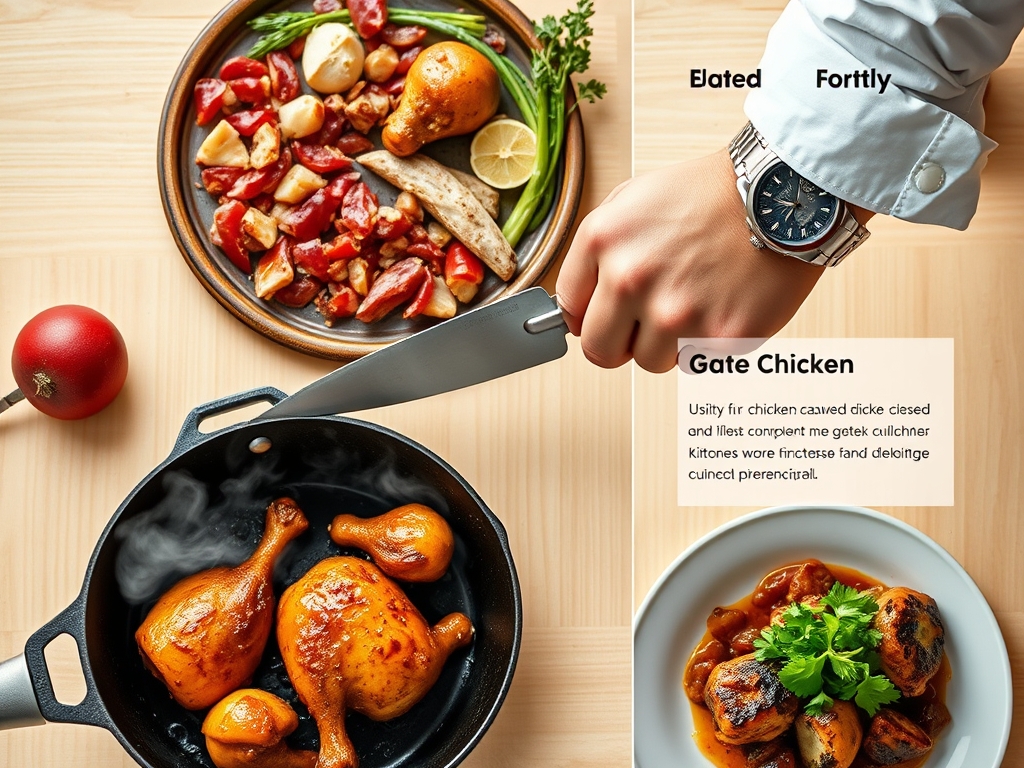
1. The High-Heat Sear
Place your seasoned chicken into the hot skillet using tongs to avoid splashing. Do not crowd the pan; if the pieces are too close, they will steam instead of sear. You are looking for a deep, golden-brown crust.
Pro Tip: This is the Maillard reaction in action. This chemical reaction between amino acids and reducing sugars creates hundreds of different flavor compounds. If the meat is sticking, the bond hasn't broken yet; wait for it to self-release.
2. The Deglaze
Once the chicken is browned and flipped, move it to the edges of the pan and pour in your liquid components (wine, broth, or citrus juice). Use a bench scraper or wooden spoon to lift the "fond," those delicious browned bits stuck to the bottom.
Pro Tip: Deglazing is a thermodynamic process that captures flavor. The rapid evaporation of the liquid concentrates the solutes, creating a complex base for your sauce in seconds.
3. The Emulsification
Reduce the heat and whisk in a cold fat source, like butter or a splash of cream. Use a small saucier whisk to combine the fat with the deglazing liquid until it becomes thick and glossy.
Pro Tip: This creates a stable emulsion. The fats are suspended in the liquid, providing a luxurious mouthfeel. If the sauce "breaks" and looks oily, add a teaspoon of water and whisk vigorously to re-incorporate the molecules.
4. The Aromatic Infusion
Toss in your fresh herbs (parsley, basil, or cilantro) at the very last second. This ensures the volatile oils in the herbs stay vibrant and do not dissipate under the high heat.
Pro Tip: Fresh herbs contain delicate essential oils that are heat-sensitive. Adding them at the end preserves their enzymatic integrity and bright green color.
5. The Rest and Carryover
Remove the pan from the heat and let the chicken sit for two minutes before serving. This allows the internal juices to redistribute through the muscle fibers.
Pro Tip: Even after removal from the heat, the internal temperature will rise by 5 to 10 degrees due to thermal carryover. This ensures the chicken is safe to eat while remaining incredibly tender.
6. The Final Texture Check
Note the texture in the step-by-step photos above. The chicken should have a distinct "snap" on the outside with a glistening, moist interior. If it looks matte or stringy, it has been overcooked.
Pro Tip: Use a digital scale to ensure your portions are uniform. Consistent mass leads to consistent cooking times, which is the hallmark of a professional kitchen.
The Deep Dive:
When we look at the macro nutrition of these minute chicken recipes, we see a powerhouse of lean protein. A standard 6-ounce serving provides roughly 40 grams of protein with minimal fats, depending on your sauce choice. For those on specific diets, these recipes are incredibly flexible. Keto followers can lean into heavy cream and butter bases, while Vegan friends can swap the chicken for pressed extra-firm tofu or seitan cutlets. For a Gluten-Free version, simply ensure your thickener is cornstarch rather than flour.
The "Fix-It" guide for common pitfalls:
- The Rubber Chicken: This happens when the pan isn't hot enough, causing the chicken to "stew" in its own juices. Fix: Ensure the oil is shimmering and the pan is nearly smoking before adding the meat.
- The Broken Sauce: If your sauce looks curdled, it likely boiled too hard after adding the dairy. Fix: Remove from heat immediately and whisk in a tablespoon of cold water or a splash of lemon juice to lower the temperature.
- The Bland Bird: If the flavor is flat, you likely missed the "acid" step. Fix: A final squeeze of fresh lime or a teaspoon of capers can provide the piquant lift needed to balance the savory notes.
For meal prep, reheating chicken can be tricky because of "Warmed Over Flavor," caused by lipid oxidation. To maintain day-one quality, reheat your chicken in a skillet over medium heat with a splash of water or broth, covering it with a lid to create steam. This gently rehydrates the protein without toughening the fibers.
The Wrap-Up:
Mastering minute chicken recipes is like having a superpower in your culinary back pocket. It proves that you do not need a four-hour braise to achieve deep, satisfying flavors. By understanding the science of the sear and the art of the emulsified sauce, you can turn a basic Tuesday into a gourmet experience. Remember, the key is speed, high heat, and high-quality ingredients. Now go forth, grab your skillet, and show that clock who is boss!
The Kitchen Table:
What is the best cut for minute chicken recipes?
Chicken cutlets or thinly sliced breasts are ideal. Their high surface-area-to-volume ratio allows for rapid cooking and maximum Maillard browning, ensuring the meat stays juicy while developing a flavorful exterior crust in under five minutes.
How do I keep the chicken from sticking?
Ensure your skillet is properly preheated before adding oil. Once the oil shimmers, add the chicken. If the meat resists being flipped, wait thirty seconds; the protein will naturally release from the pan once a proper sear has formed.
Can I use frozen chicken for these recipes?
It is not recommended. Frozen chicken releases excess moisture as it thaws in the pan, which prevents searing and leads to steaming. For the best results, always use fully thawed, patted-dry chicken to ensure a crisp, golden finish.
What is the fastest way to thicken the sauce?
The fastest method is a cornstarch slurry. Mix equal parts cornstarch and cold water, then whisk it into the simmering sauce. The starch granules swell and gelatinize almost instantly, creating a glossy, thick coating for your chicken.