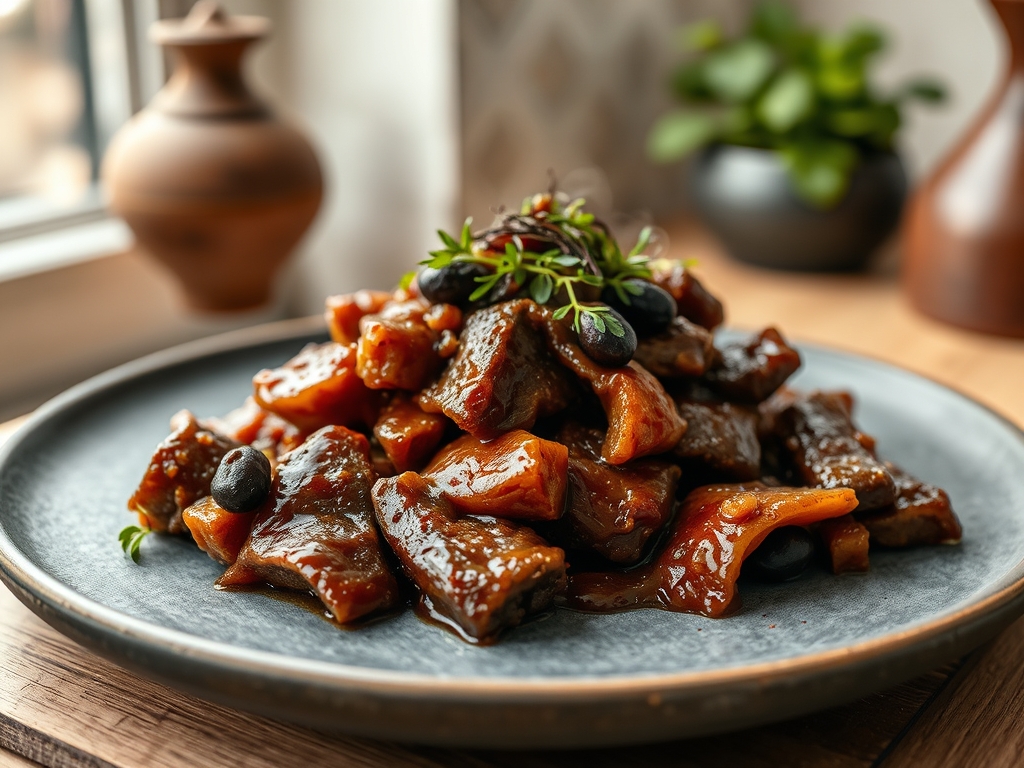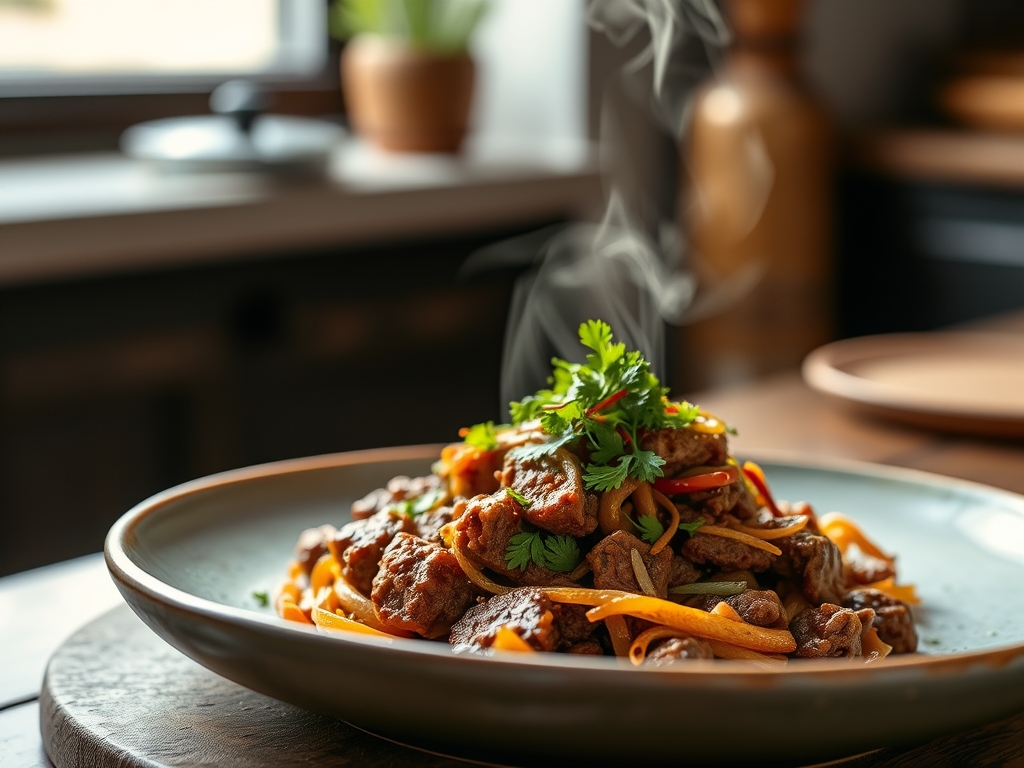
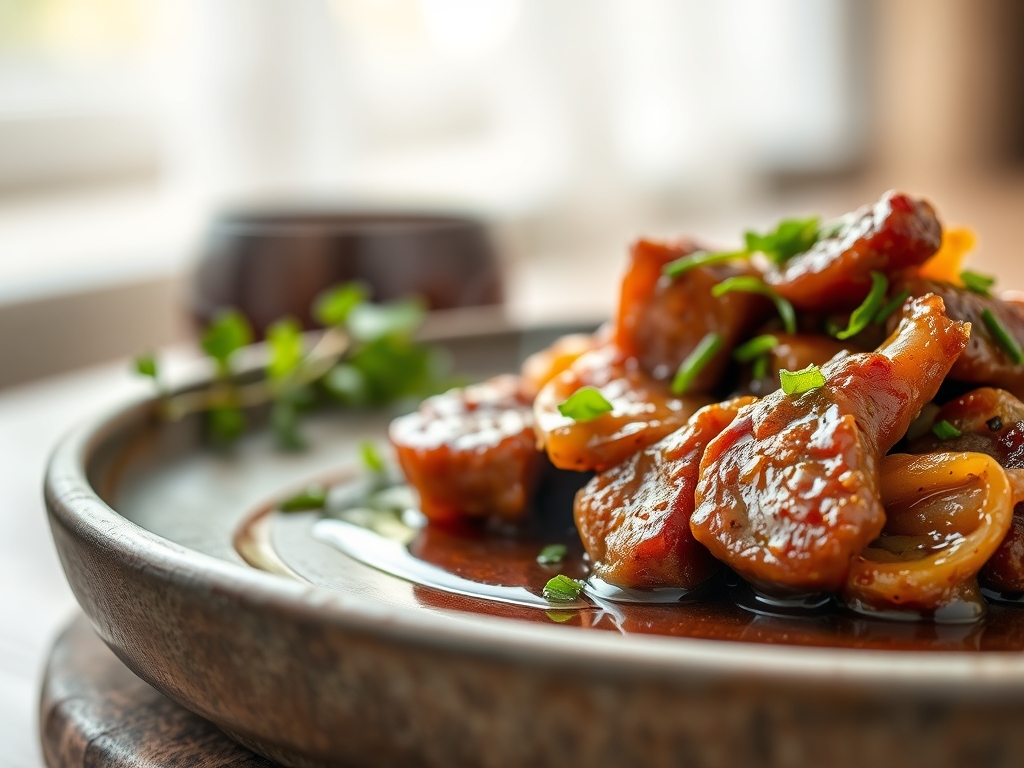
Imagine the scent of a heavy bottomed skillet hitting the precise smoke point of avocado oil. You drop a hand trimmed flank steak into that shimmering heat; the immediate hiss is the sound of chemistry in motion. When you introduce the salty, fermented depth of liquid umami, you are not just seasoning. You are engineering the perfect bite. Mastering beef recipes with soy sauce is the ultimate culinary cheat code for anyone who wants high impact flavor with minimal effort. This combination works because the glutamates in the soy sauce act as a biological amplifier for the savory proteins in the meat. It is a match made in molecular heaven; the salt draws out moisture while the sugars in the sauce caramelize into a rich, mahogany crust that no other seasoning can replicate. We are going beyond basic stir fry to explore nine distinct ways this pairing transforms humble cuts into five star experiences. Whether you are deglazing a pan for a piquant reduction or using the sauce as a tenderizing brine, the results are consistently transformative.
The Gathers:
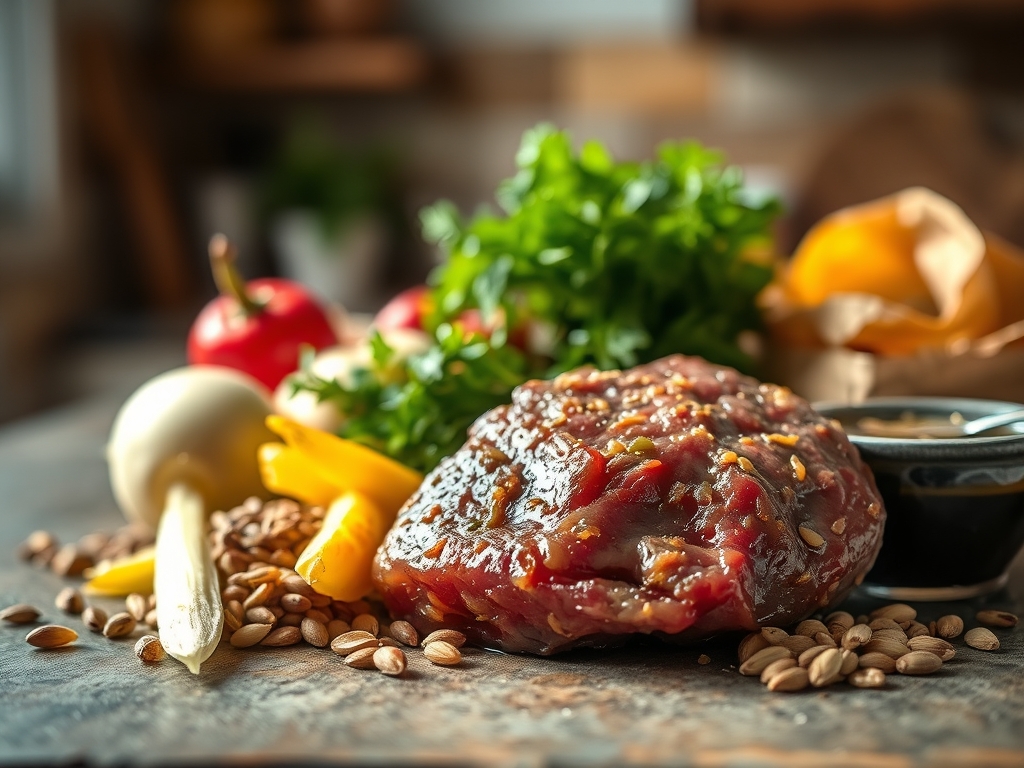
To execute these beef recipes with soy sauce, your mise en place must be precise. Start with your protein; look for marbling that indicates intramuscular fat which will render beautifully during the sear. You will need a high quality, naturally brewed soy sauce. Avoid the chemically hydrolyzed versions which taste metallic. Gather fresh aromatics like ginger and garlic; use a microplane to create a fine paste that will emulsify into your liquids rather than burning in the pan. You will also need a viscous sweetener like honey or brown sugar to balance the salinity.
For the hardware, reach for a heavy bottomed skillet or a cast iron pan to ensure even heat distribution. A digital scale is your best friend here for measuring liquid ratios accurately. If you are looking for smart substitutions, coconut aminos offer a lower sodium, soy free alternative with a slightly sweeter profile. If you lack rice vinegar for acidity, a splash of dry sherry or even apple cider vinegar can provide that necessary piquant brightness to cut through the richness of the beef.
The Clock
The "Chef's Flow" is all about timing and temperature management. For most of these pairings, your active work time is surprisingly low; usually around fifteen minutes of prep and ten minutes of cooking. However, the secret is in the "passive" time. Marinating your beef for at least thirty minutes allows the protease enzymes in certain soy blends to begin breaking down tough muscle fibers.
If you are searing a steak, remember the 10-5-5 rule: ten minutes to bring the meat to room temperature, five minutes of high heat contact, and five minutes of resting. Resting is non negotiable. It allows the internal pressure of the meat to equalize so the juices stay inside the fibers instead of flooding your cutting board. Use your digital thermometer to pull the meat five degrees before your target temperature to account for thermal carryover.
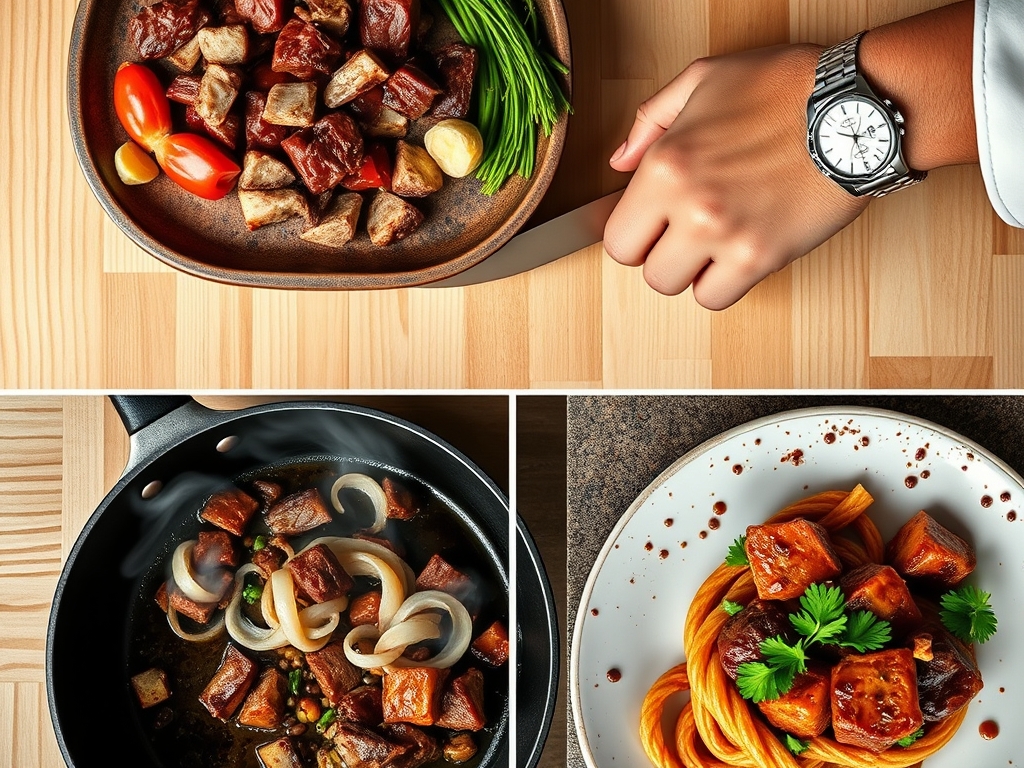
The Masterclass
1. The High Heat Sear
Pat your beef completely dry with paper towels before it touches the pan. Moisture is the enemy of the Maillard reaction. Once the beef is browned, deglaze the pan with a mixture of soy sauce and mirin.
Pro Tip: This is called the Maillard Reaction. The amino acids in the beef react with the sugars in the soy sauce at high temperatures to create hundreds of new flavor compounds.
2. The Slow Braise
For tougher cuts like chuck roast, use a saucier to simmer the beef in a bath of soy sauce, beef stock, and star anise. The low and slow heat breaks down collagen into silky gelatin.
Pro Tip: Collagen conversion requires sustained temperatures between 160 and 180 degrees Fahrenheit. The soy sauce acts as a catalyst, helping to penetrate the dense connective tissue.
3. The Velveting Technique
Coat thin slices of beef in a mixture of cornstarch, oil, and soy sauce before a quick flash fry. This creates a protective barrier that keeps the meat incredibly tender and "velvety."
Pro Tip: This process creates a physical starch barrier that prevents the proteins from tightening and squeezing out moisture during high heat stir frying.
4. The Umami Butter Baste
Sear your steak normally, then in the final two minutes, add a knob of unsalted butter and a tablespoon of soy sauce to the pan. Use a large spoon to continuously bathe the meat in the foaming liquid.
Pro Tip: Emulsification occurs as the milk solids in the butter bind with the soy sauce, creating a rich, nutty coating that clings to the beef.
5. The Cold Cure Carpaccio
Thinly shave frozen beef and drizzle with a reduction of soy sauce and citrus. The acidity and salt "cook" the exterior of the meat without heat.
Pro Tip: This is a form of chemical denaturing. The salt in the soy sauce alters the protein structure, changing the texture from raw to "cured."
6. The Glazed Skewer
Thread cubes of sirloin onto skewers and brush with a thick soy and honey reduction during the last stage of grilling. The sugar will tack up and create a lacquered finish.
Pro Tip: Watch for the "tacky" stage. This happens when the water has evaporated from the sauce, leaving behind a concentrated sugar and protein film.
7. The Pressure Cooker Infusion
Use an electric pressure cooker to force soy sauce flavors deep into a brisket in a fraction of the time. The high pressure environment accelerates the infusion process.
Pro Tip: Under pressure, the boiling point of water increases, which allows for faster thermal transfer into the center of large meat cuts.
8. The Soy Ginger Mince
Brown ground beef in a skillet and toss with minced ginger and soy sauce until the liquid has completely evaporated and the meat is crispy.
Pro Tip: Evaporative cooling stops once the liquid is gone, allowing the temperature of the meat to rise and create "crispy bits" known as fond.
9. The Reverse Sear Finish
Slow roast a thick ribeye in the oven until it reaches 115 degrees, then finish it in a screaming hot pan with a soy sauce splash for a perfect crust.
Pro Tip: Because the surface of the meat is already dry from the oven, the soy sauce caramelizes almost instantly, preventing overcooking of the interior.
The Deep Dive
From a macro nutrition perspective, beef recipes with soy sauce are a powerhouse of protein and essential minerals like iron and B12. However, the sodium content can be high. To keep it keto friendly, swap sugar for monk fruit sweetener. For a gluten free version, always use Tamari, which is brewed without wheat but retains that same deep flavor profile.
If you hit a snag, don't panic. If your sauce is too salty, add a splash of water or a squeeze of lime to balance the palate. If the sauce is too thin, whisk a teaspoon of cornstarch with cold water to create a slurry and stir it into the simmering liquid to aerate and thicken. If the beef is tough, it likely didn't rest long enough; give it five more minutes under a tent of foil. When reheating leftovers, use a low heat setting on the stove with a tablespoon of water to create steam; this prevents the proteins from becoming rubbery in the microwave.
The Wrap-Up
You are now officially armed with the science and the soul of beef recipes with soy sauce. From the molecular magic of the Maillard reaction to the technical precision of a reverse sear, you have the tools to turn a simple dinner into a culinary event. Remember that cooking is as much about the "why" as the "how." When you understand how salt, sugar, and heat interact, you stop following recipes and start creating them. Now, grab your tongs, fire up that skillet, and go make something incredible. Your kitchen is your laboratory; enjoy the experiment.
The Kitchen Table
Can I use light soy sauce for these beef recipes?
Yes; light soy sauce is thinner and saltier, making it ideal for seasoning without darkening the meat excessively. Use dark soy sauce if you want a deeper color and a more viscous, slightly sweeter finish on your beef.
How long can I marinate beef in soy sauce?
Limit marination to between thirty minutes and twelve hours. Because soy sauce is high in salt, marinating for too long can actually cure the meat, resulting in a dry, mealy texture rather than a tender one.
What is the best cut of beef for soy sauce pairings?
Flank steak, skirt steak, and sirloin are the best candidates. These cuts have a robust beefy flavor and a coarse grain that allows the soy sauce to penetrate deeply and caramelize beautifully during the searing process.
Why does my soy sauce glaze always burn?
Soy sauce contains sugars that carbonize quickly at high heat. To prevent burning, add your soy based glaze during the final sixty seconds of cooking or use lower heat once the sauce has been added to the pan.