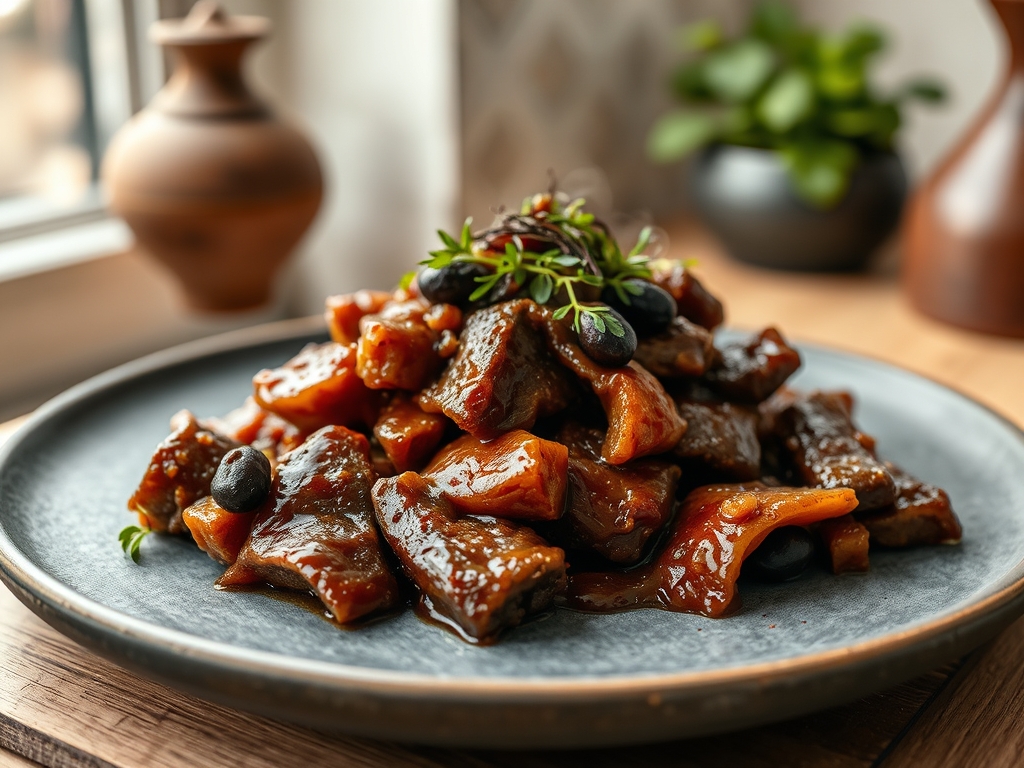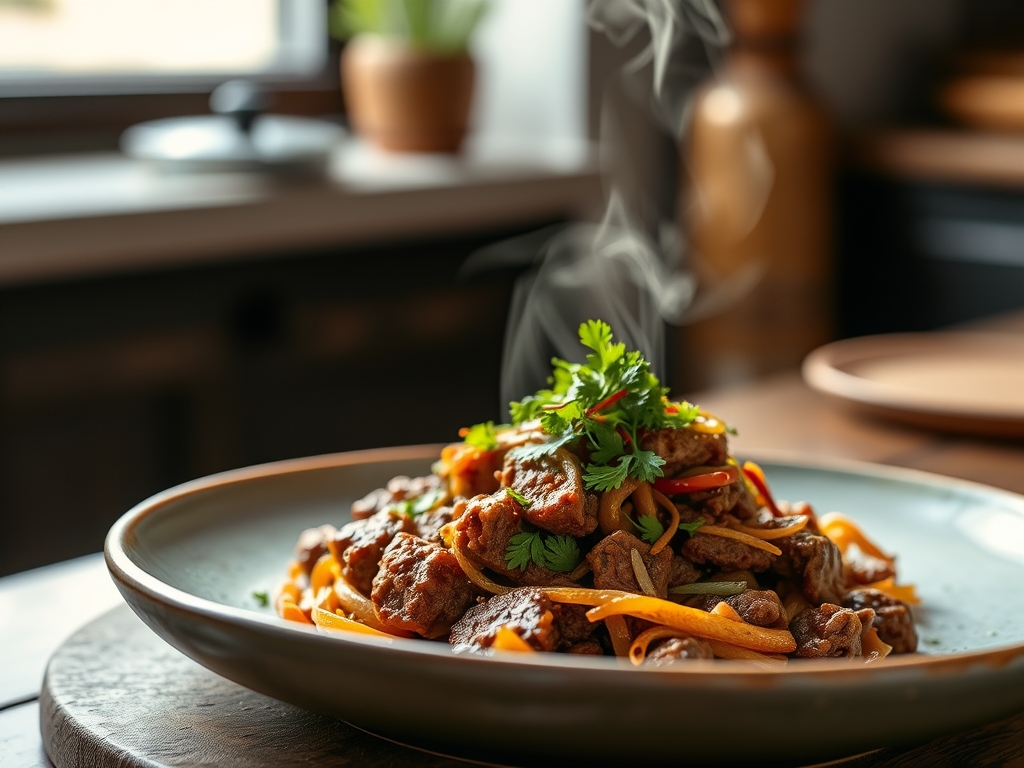
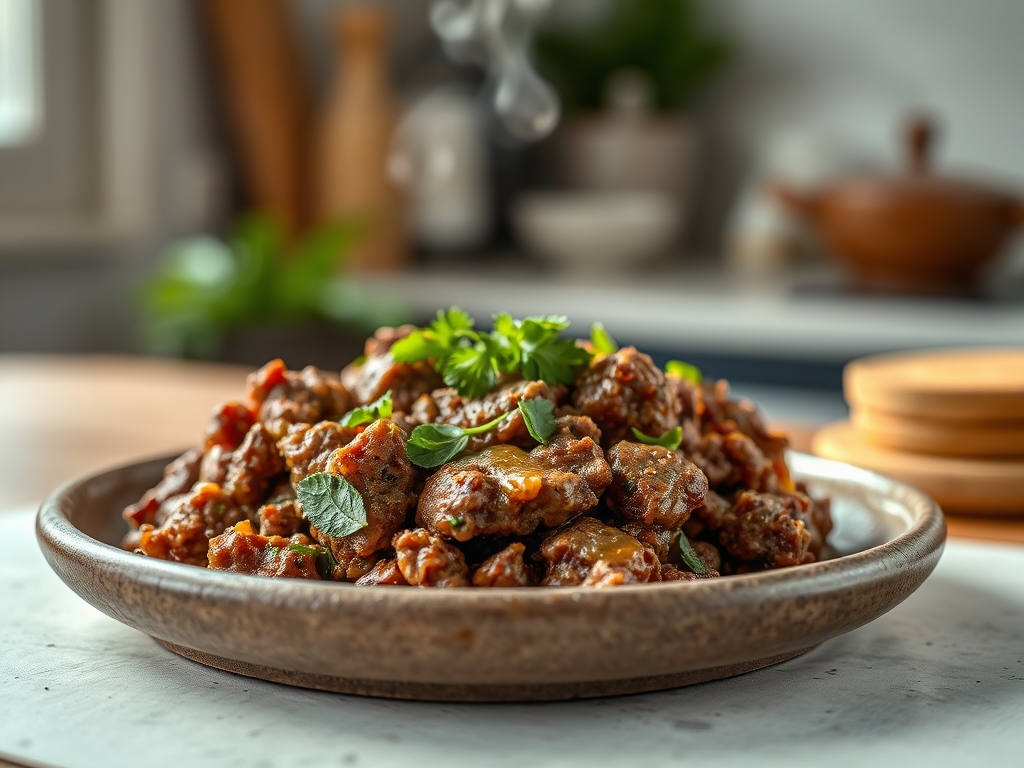
Picture the hiss of a heavy-bottomed skillet meeting cold protein; it is the sound of a kitchen coming alive. Finding high protein low calorie ground beef recipes that actually taste like luxury is a culinary puzzle. We are moving beyond dry crumbles into a world where moisture retention and bold aromatics create a satiating, lean masterpiece for your weekly rotation.
Lean beef is often maligned for being tough, but that is merely a failure of technique. When we select 93/7 or 96/4 lean blends, we are working with a high-density protein source that requires precise thermal management. By focusing on volume-heavy vegetables and moisture-locking binders, we transform a humble pound of beef into a multi-meal powerhouse. This is about working smarter; using the Maillard reaction to build depth without adding the caloric burden of heavy fats or sugary glazes.
In this guide, we are diving deep into the chemistry of the sear and the architecture of the perfect meal prep bowl. Whether you are chasing a specific macro goal or just want a dinner that feels like a hug, these techniques ensure your beef remains succulent. Grab your digital scale and your favorite chef's knife. We are about to elevate your weeknight standards with recipes that prioritize both metabolic efficiency and pure, unadulterated flavor.
The Gathers:
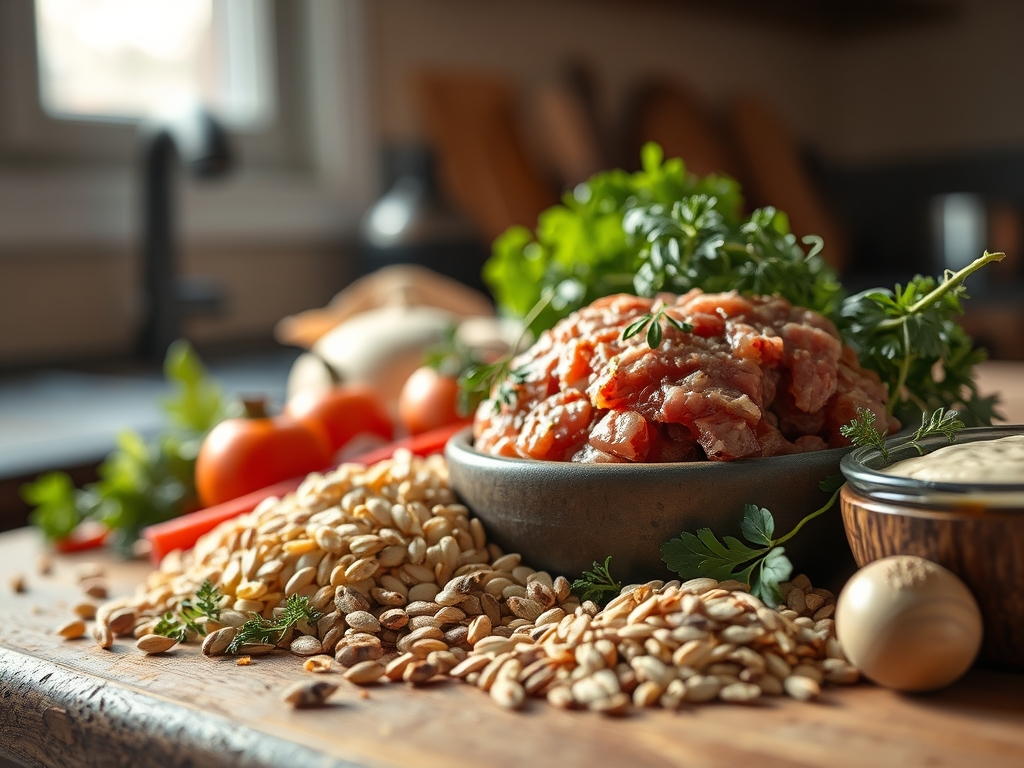
To execute these high protein low calorie ground beef recipes, your mise-en-place must be clinical. Start with your protein; look for grass-fed lean beef which often contains higher levels of Omega-3 fatty acids. You will also need "The Volume Squad" consisting of zucchini, bell peppers, and riced cauliflower. These ingredients provide bulk and micronutrients without the caloric density of grains.
Essential tools include a microplane for zesting aromatics, a bench scraper for efficient veggie transport, and a saucier for any reduced, piquant sauces. For smart substitutions, swap traditional breadcrumbs for whisked egg whites or a splash of Greek yogurt to maintain a viscous texture in meatballs or meatloaf. Use liquid aminos instead of soy sauce to control sodium while adding a deep umami profile. Finally, keep a high-quality balsamic vinegar and fresh citrus on hand; acidity is the secret weapon that brightens a dish without adding a single gram of fat.
The Clock:
Efficiency in the kitchen is about "Chef's Flow." Most of these recipes require a 15-minute prep window and a 20-minute cook time. The goal is to minimize downtime by utilizing a staged cooking approach. While your beef is browning in the skillet, you should be using your mandoline to prep the vegetables.
Never crowd the pan. If you are doubling a recipe for meal prep, cook the beef in two batches. Overcrowding drops the surface temperature of the pan, causing the meat to steam in its own juices rather than sear. This results in a grey, rubbery texture. By respecting the clock and the heat, you ensure that every morsel has that golden, caramelized exterior that defines professional-grade cooking.
The Masterclass:
1. The Tempering Phase
Before the beef ever touches the heat, remove it from the refrigerator for 15 minutes. Cold meat causes the muscle fibers to contract violently when hitting a hot pan, squeezing out precious moisture. Use a digital scale to portion your beef into 4-ounce patties or crumbles.
Pro Tip: This allows for thermal equilibrium, ensuring the meat cooks evenly from the edges to the center, preventing a dry exterior and raw interior.
2. The Maillard Execution
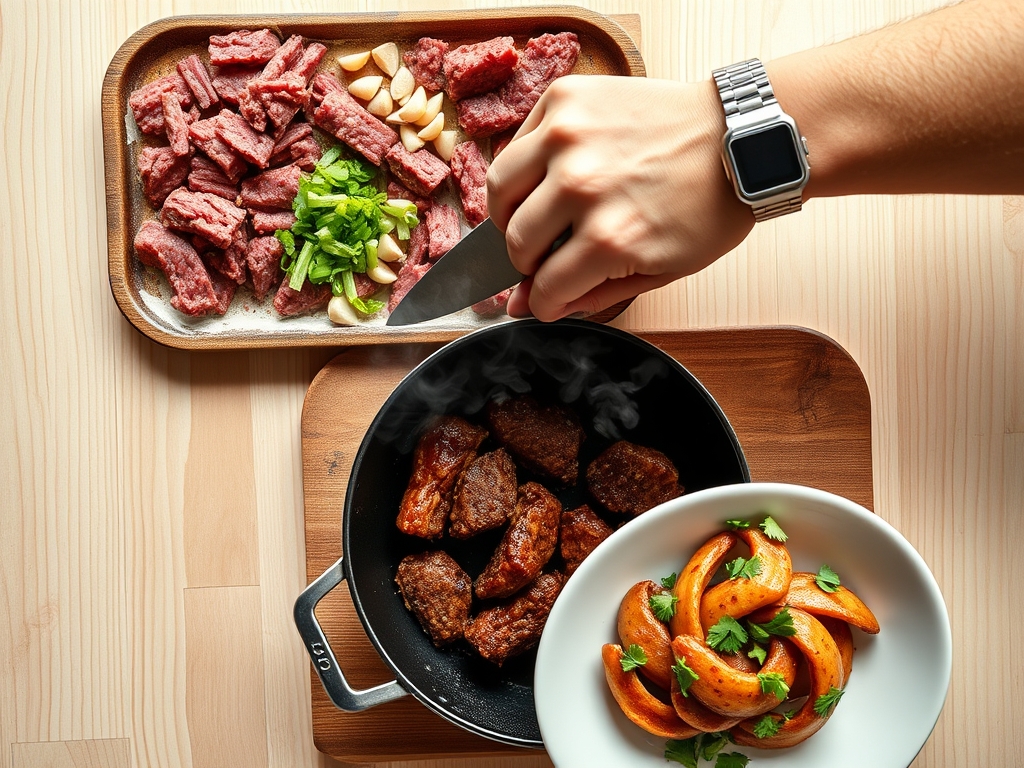
Heat your heavy-bottomed skillet until a drop of water flicked onto the surface dances and evaporates instantly. Add a light spray of avocado oil. Press the beef flat against the surface with a metal spatula to maximize surface area contact.
Pro Tip: This triggers enzymatic browning, a chemical reaction between amino acids and reducing sugars that creates hundreds of different flavor compounds you cannot get from steaming.
3. The Deglaze and Infuse
Once the beef is browned, move it to the perimeter of the pan. Add your minced garlic and ginger to the center. Once fragrant, add a splash of beef bone broth to deglaze the pan, scraping up the "fond" (the brown bits stuck to the bottom).
Pro Tip: The fond contains concentrated flavor; by using a liquid to release it, you infuse the entire dish with deep savory notes without adding butter.
4. The Volume Integration
Fold in your high-volume vegetables like shredded carrots or cabbage. These vegetables will release their own moisture, which the lean beef will reabsorb. This is the secret to keeping 96/4 beef from feeling like sawdust in your mouth.
Pro Tip: This creates a moisture-lock barrier, where the vegetable cellular water hydrates the lean protein fibers during the final stages of cooking.
5. The Aeration and Rest
Once the vegetables are tender-crisp, remove the pan from the heat. Use tongs to toss the mixture, allowing steam to escape so the vegetables do not become mushy. Let the dish rest for three minutes before serving.
Pro Tip: Resting allows for residual heat carryover, finishing the cook gently while letting the protein fibers relax and reabsorb the seasoned juices.
The Deep Dive:
When we look at the macro nutrition of these high protein low calorie ground beef recipes, we are aiming for a ratio of roughly 30-40 grams of protein per 400-calorie serving. This high protein-to-calorie density is the "holy grail" for muscle maintenance and satiety.
Dietary Swaps: For a Keto version, replace any root vegetables with extra leafy greens and increase the healthy fats with a slice of avocado. For a Vegan alternative, use a pea-protein crumble, though you will need to add a teaspoon of mushroom powder to mimic the beef's natural umami. If you are Gluten-Free, ensure your spices and liquid aminos are certified, as hidden starches are common in pre-mixed taco seasonings.
The Fix-It:
- The Beef is Greasy: Even lean beef can render fat. Tilt the pan and use a spoon to remove excess liquid, or blot with a paper towel before adding aromatics.
- The Flavor is Flat: You likely need acid, not salt. A squeeze of lime or a teaspoon of apple cider vinegar will "wake up" the tongue's receptors.
- The Meat is Tough: You overcooked it. Next time, pull the beef off the heat when it still has a tiny hint of pink; the thermal carryover will finish it perfectly.
Meal Prep: To maintain "day-one" quality, store the beef and vegetables in airtight glass containers. When reheating, add one tablespoon of water or broth and cover with a damp paper towel. Microwave at 70% power. This creates a mini-steamer effect that prevents the protein from becoming "rubbery" or developing that "leftover" taste caused by lipid oxidation.
The Wrap-Up:
Mastering high protein low calorie ground beef recipes is the ultimate "glow-up" for your kitchen routine. It is the perfect marriage of scientific precision and soulful eating. By understanding how to manipulate heat and moisture, you turn a budget-friendly staple into a gourmet fuel source. Remember, the best recipes are the ones that make you feel as good as they taste. Now, get into that kitchen and show that skillet who is boss; your future, well-fed self will thank you!
The Kitchen Table:
How do I keep lean ground beef from drying out?
Use the "Volumizing" technique by adding finely diced moisture-rich vegetables like mushrooms or zucchini. These release water during the cooking process, which keeps the lean muscle fibers hydrated and tender without adding significant calories or fat.
What is the best lean-to-fat ratio for weight loss?
Look for 93/7 or 96/4 lean ground beef. These ratios provide the highest protein density per calorie. While 80/20 is tastier for traditional burgers, the extra fat adds unnecessary calories that can be replaced with flavorful spices.
Can I freeze these ground beef meals?
Yes, cooked ground beef meals freeze beautifully for up to three months. Ensure they are completely cool before sealing in airtight containers to prevent ice crystals. Thaw overnight in the refrigerator before reheating gently to preserve the texture.
What are the best spices for low-calorie beef?
Focus on "Power Aromatics" like smoked paprika, cumin, garlic powder, and onion powder. These provide intense flavor profiles without calories. For a spicy kick, use red pepper flakes or chipotle powder to boost metabolism and add depth.