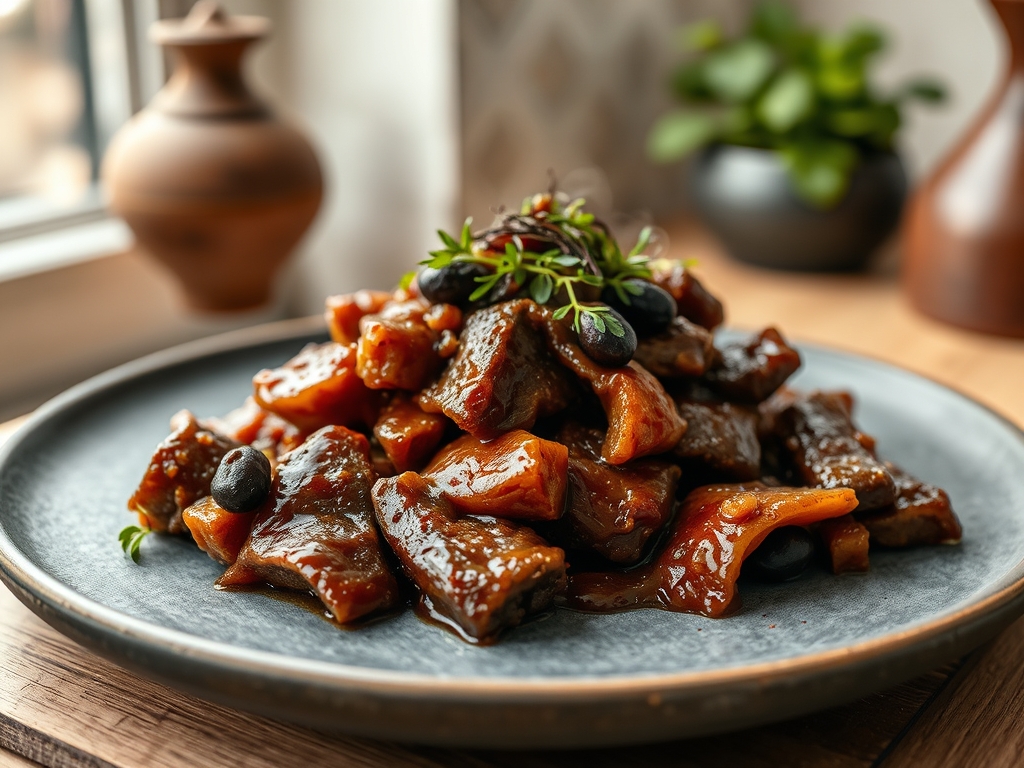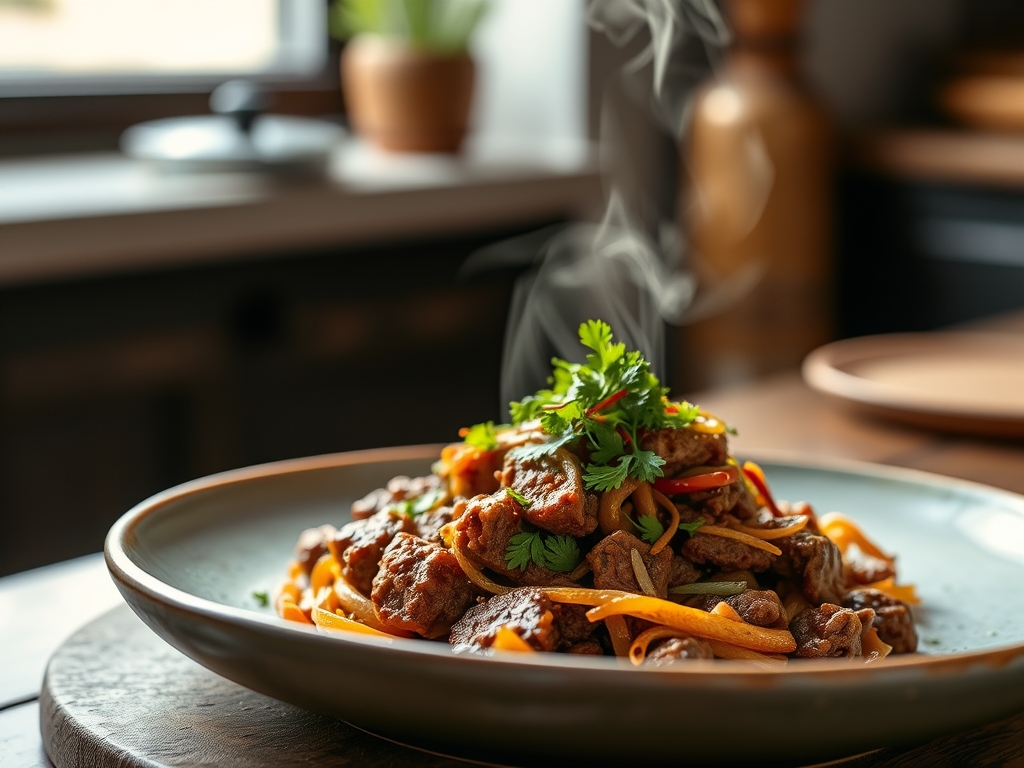
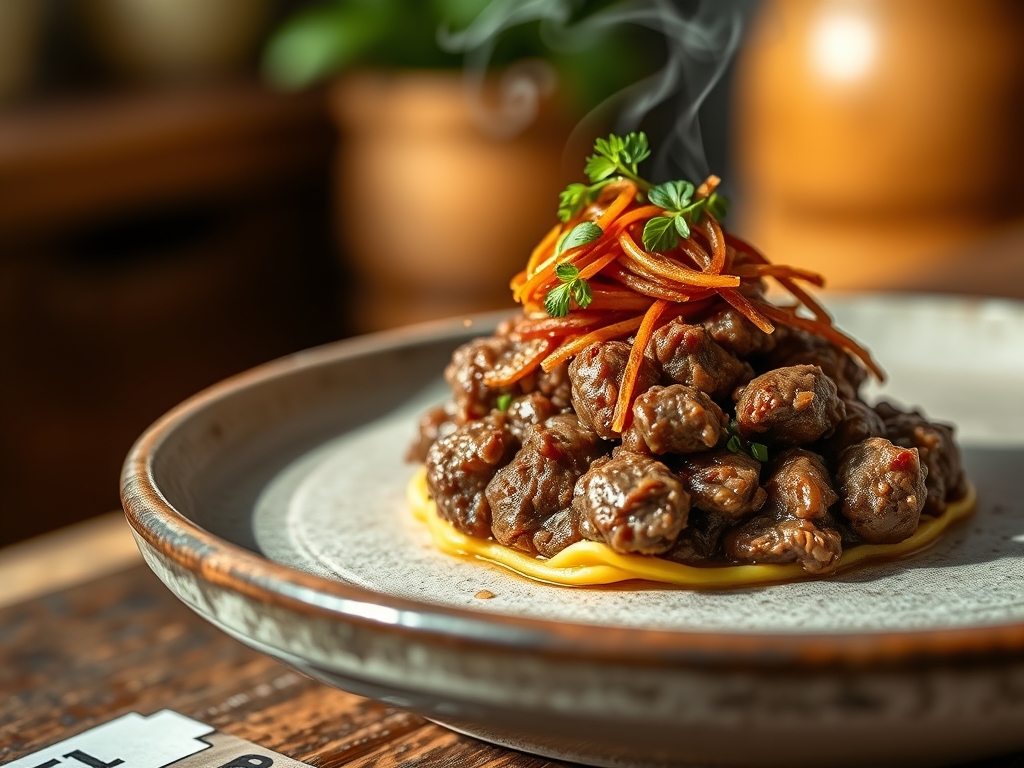
Picture the scent of rendered fat meeting a blistering cast iron surface; it is the olfactory equivalent of a standing ovation. We are diving deep into the world of award winning ground beef recipes where science meets soul. Forget the dry, gray crumbles of your past. We are talking about deep mahogany crusts and juices that require a three-napkin minimum.
Whether you are aiming for a blue ribbon at the county fair or just trying to win the "Best Parent" award on a Tuesday night, the secret lies in the chemistry of the sear. Ground beef is a versatile canvas, but it demands respect. We are going to manipulate proteins, manage moisture, and balance fats to create eight distinct masterpieces that range from umami-heavy burgers to silky, rich Bolognese. Grab your apron; we are about to turn humble mince into culinary gold.
The Gathers:
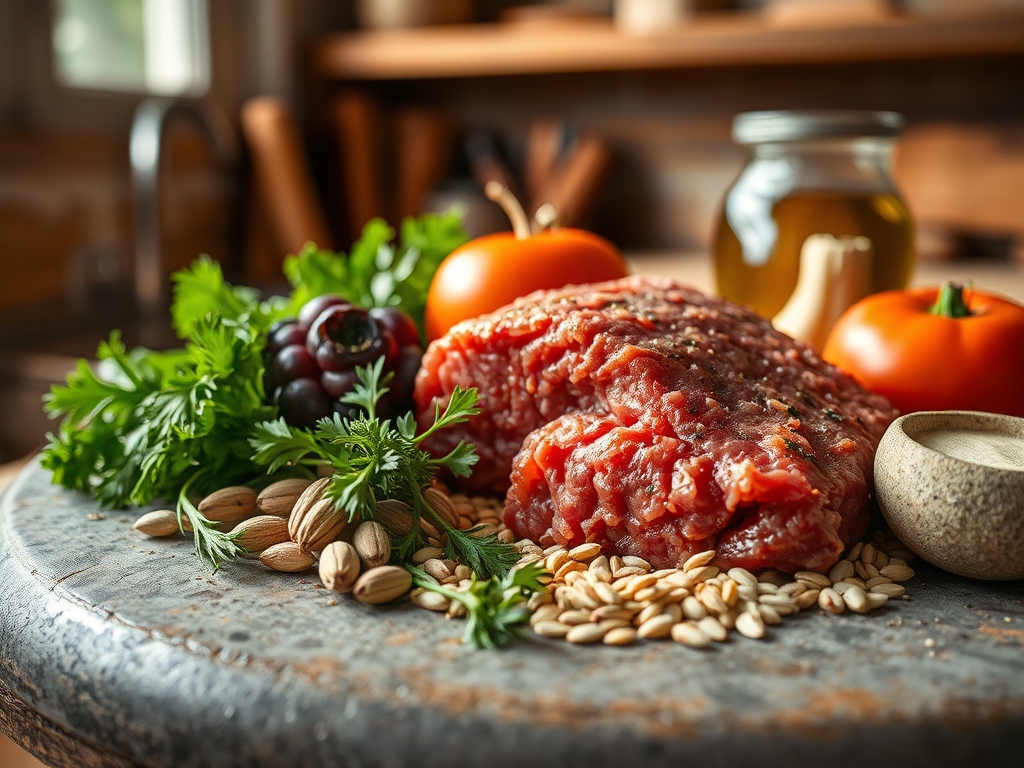
To execute award winning ground beef recipes, your mise-en-place must be precise. Start with the beef itself; look for an 80/20 lean-to-fat ratio. This ensures enough lipid content to render during the cooking process, providing a viscous mouthfeel and intense flavor. You will need a digital scale to portion your proteins accurately, ensuring even cooking times across the board.
Your aromatics should be prepped with a microplane for maximum surface area exposure. This allows garlic and ginger to infuse the fat almost instantly without the risk of burning large chunks. Keep a bottle of high-quality fish sauce or Worcestershire nearby; these are "umami bombs" that provide a piquant depth.
Smart Substitutions:
If you want to lighten the caloric density without sacrificing the "beefy" profile, swap 25 percent of the meat for finely minced cremini mushrooms. This "blend" technique utilizes the glutamates in the fungi to mimic the savory profile of the beef. If you lack fresh aromatics, a high-quality onion powder provides a more concentrated, toasted flavor than raw onions, which can often release too much water and steam the meat instead of searing it.
The Clock
Efficiency in the kitchen is about "Chef's Flow." This means grouping tasks by temperature and tool. Total active prep for these eight variations is roughly 45 minutes, with cook times ranging from the 6-minute "smash" to the 4-hour "slow simmer."
- The Prep (20 Minutes): Chop all vegetables, grate cheeses, and portion meat while the proteins are still cold. Cold fat is easier to handle and won't smear.
- The Sear (10 Minutes): This is the high-heat phase. Use a heavy-bottomed skillet to maintain thermal mass.
- The Development (Variable): This is where flavors marry.
- The Rest (5 Minutes): Never skip this. It allows the muscle fibers to relax and reabsorb internal juices.
The Masterclass
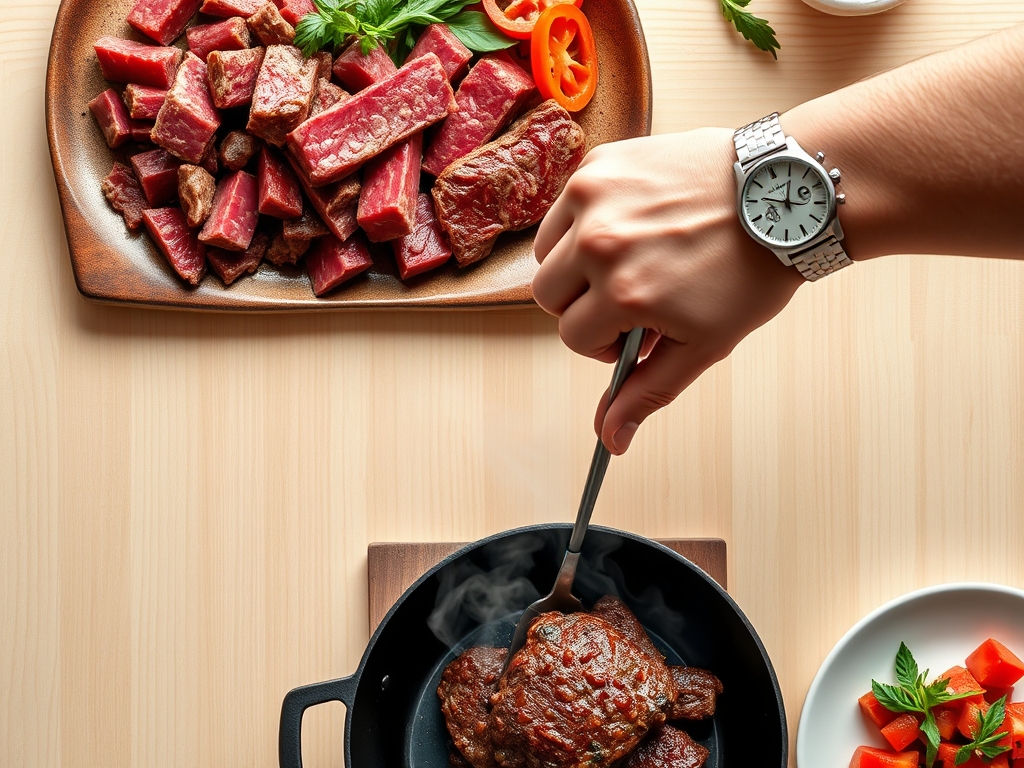
1. The Perfect Sear
Place your room-temperature beef into a preheated heavy-bottomed skillet. Do not crowd the pan. If you see liquid pooling, you are steaming, not searing. Use a metal spatula to press the meat down firmly to maximize contact.
Pro Tip: This relies on the Maillard Reaction. This chemical reaction between amino acids and reducing sugars occurs at temperatures above 285 degrees Fahrenheit, creating hundreds of different flavor compounds that give browned meat its distinctive taste.
2. Deglazing the Fond
Once the meat is browned and removed, you will see brown bits stuck to the bottom. Pour in a splash of dry wine or beef stock and use a wooden spoon to scrape them up.
Pro Tip: These bits are called fond. Deglazing is a method of solubilizing these concentrated flavors, incorporating them back into your sauce for a more complex, layered profile.
3. Emulsifying the Sauce
When making a pasta-based beef dish, always add a splash of starchy pasta water to your beef mixture along with cold butter. Stir vigorously with a saucier or whisk.
Pro Tip: This creates a stable emulsion. The starch acts as a bridge between the water and the rendered beef fat, resulting in a glossy, clingy sauce rather than an oily puddle at the bottom of the bowl.
4. Aerating the Mix
When forming meatballs or meatloaf, never pack the meat tightly. Use a bench scraper to gently fold in your binders (eggs, breadcrumbs) until just combined.
Pro Tip: Overworking the meat causes the proteins to cross-link too tightly, resulting in a rubbery texture. Keeping the mixture aerated ensures a tender, melt-in-the-mouth "crumb."
5. Managing Thermal Carryover
Pull your beef off the heat when it is about 5 degrees below your target internal temperature. Use a digital thermometer for accuracy.
Pro Tip: Thermal carryover occurs because the exterior of the meat is hotter than the interior. Even after removal from the heat source, the energy continues to move inward, raising the core temperature.
6. Balancing Acidity
At the very end of cooking, stir in a teaspoon of red wine vinegar or a squeeze of lemon.
Pro Tip: Fat can feel heavy on the palate. A hit of acid provides a piquant contrast that "brightens" the dish, cutting through the richness and highlighting the savory notes of the beef.
7. Infusing Aromatics
Add your delicate herbs (parsley, basil, or chives) only in the last 30 seconds of cooking.
Pro Tip: These herbs contain volatile oils that dissipate quickly under high heat. Adding them late ensures the aromatic compounds remain intact for the diner.
8. The Resting Phase
Transfer your cooked patties or loaves to a warm plate and tent loosely with foil for at least five minutes.
Pro Tip: During cooking, proteins contract and push moisture toward the center. Resting allows the fibers to relax, redistributing the moisture so the juices stay in the meat rather than running out on the plate.
The Deep Dive
Macro Nutrition:
A standard 4-ounce serving of 80/20 ground beef provides approximately 280 calories, 20 grams of protein, and 22 grams of fat. It is an excellent source of Vitamin B12, Zinc, and Selenium. To lean this out, drain the fat after browning, which can reduce the fat content by up to 30 percent.
Dietary Swaps:
- Vegan: Use a pea-protein based crumble. Add a teaspoon of liquid smoke and extra soy sauce to mimic the "iron" taste of real beef.
- Keto: Replace breadcrumb binders with crushed pork rinds or almond flour.
- Gluten-Free: Ensure your Worcestershire sauce is certified GF and use tamari instead of soy sauce.
The Fix-It:
- Greasy Sauce: If your sauce has a layer of yellow oil on top, use a rolled-up paper towel to gently blot the surface or toss in a few ice cubes; the fat will congeal around the cold cubes for easy removal.
- Tough Meat: This usually means the beef was over-mixed. Next time, grate a frozen stick of butter into the raw meat to create "fat pockets" that keep things moist.
- Bland Flavor: You likely under-salted. Salt should be added in layers. If it is still flat at the end, add a dash of fish sauce; it won't taste like fish, but it will amplify the beefiness.
Meal Prep & Reheating:
To maintain "day-one" quality, reheat ground beef dishes gently. Avoid the microwave if possible; it vibrates water molecules too fast, toughening the protein. Instead, use a skillet over medium-low heat with a tablespoon of water or stock and cover with a lid to create a steam chamber. This rehydrates the meat while it warms.
The Wrap-Up
Mastering award winning ground beef recipes is about understanding that this humble ingredient is a powerhouse of flavor potential. By respecting the Maillard reaction, managing your emulsions, and allowing for proper resting, you transform a basic grocery staple into a gourmet experience. Whether you are deglazing a pan with a bold Cabernet or folding in fresh herbs with a bench scraper, you are now equipped with the technical prowess to make every bite count. Go forth and sear with confidence!
The Kitchen Table
How do I get a crust on ground beef without overcooking it?
Ensure the meat is dry and the pan is smoking hot. Press the beef flat with a heavy spatula and leave it undisturbed for three minutes. This maximizes the Maillard reaction before the internal temperature climbs too high.
Why does my ground beef turn gray instead of brown?
Gray meat is a sign of steaming. This happens if the pan is overcrowded or if the meat was added while cold. Cook in smaller batches and let the beef sit at room temperature for fifteen minutes before searing.
What is the best fat ratio for burgers?
An 80/20 ratio is the industry standard for award winning ground beef recipes. The 20 percent fat content provides the necessary lubrication and flavor to withstand high-heat grilling without the meat becoming dry or crumbly.
Can I freeze cooked ground beef dishes?
Yes, but ensure they cool completely first. Store in airtight containers to prevent freezer burn. When reheating, add a splash of liquid to restore the moisture lost during the freezing and thawing process.