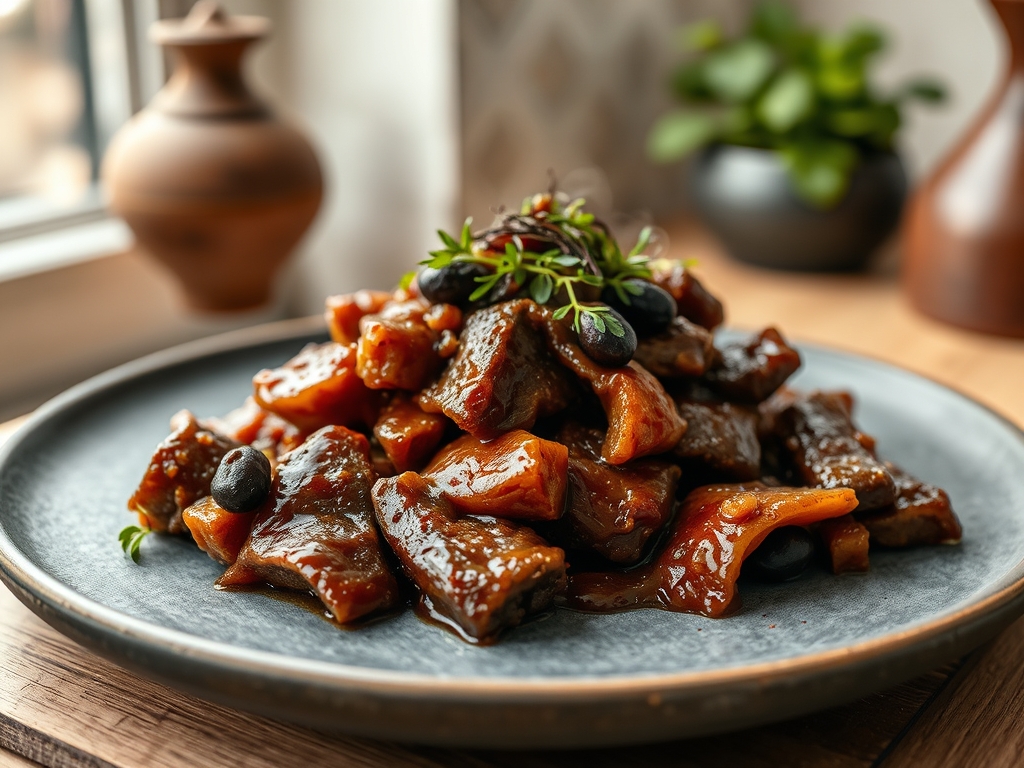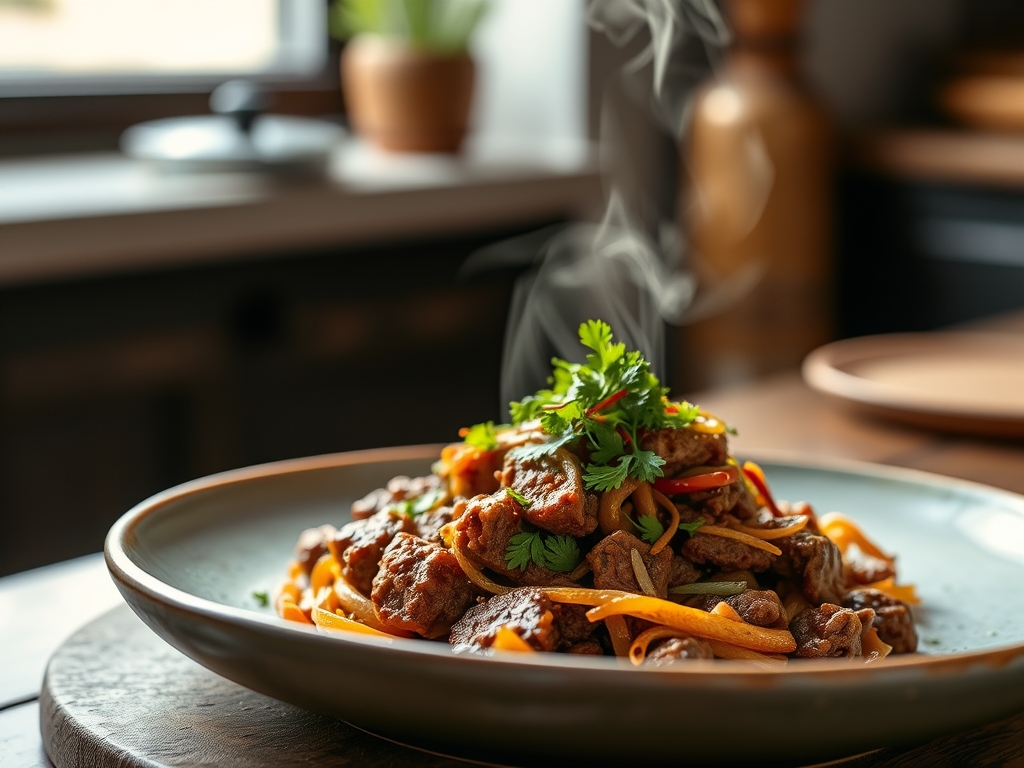
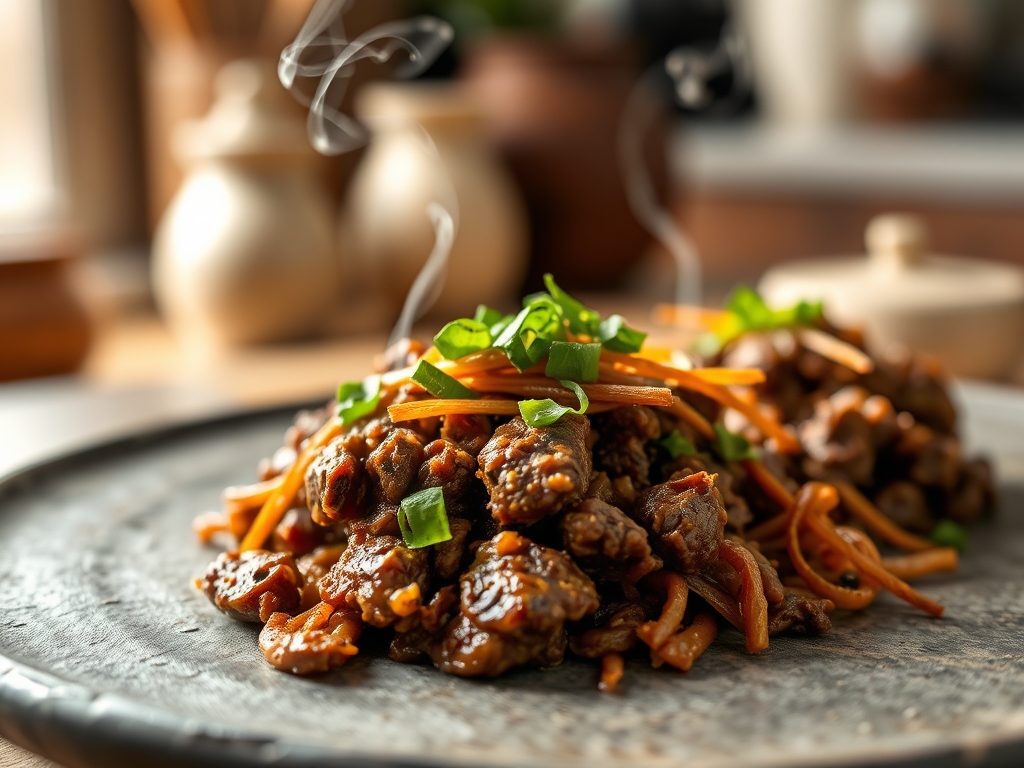
Imagine the sound of cold, fat-marbled protein hitting a screaming hot carbon steel wok. That immediate, rhythmic sizzle is the sound of the Maillard reaction beginning its work; transforming humble proteins into a complex tapestry of savory, umami-rich gold. When you are craving deep, soulful flavors but only have thirty minutes to spare, asian inspired ground beef recipes are your absolute secret weapon. We are moving far beyond the standard stir-fry here. We are talking about the intersection of high-heat searing and delicate aromatic infusions. Ground beef is the ultimate canvas because its high surface area allows for maximum caramelization. This is not just about a quick dinner; it is about mastering the art of heat management and flavor layering. By the time the ginger hits the rendered fat and the soy sauce begins to glaze the pan, your kitchen will smell like a high-end izakaya. Let us dive into the science of why this works and how you can elevate a simple pound of beef into ten distinct, restaurant-quality masterpieces that will ruin takeout for you forever.
The Gathers:
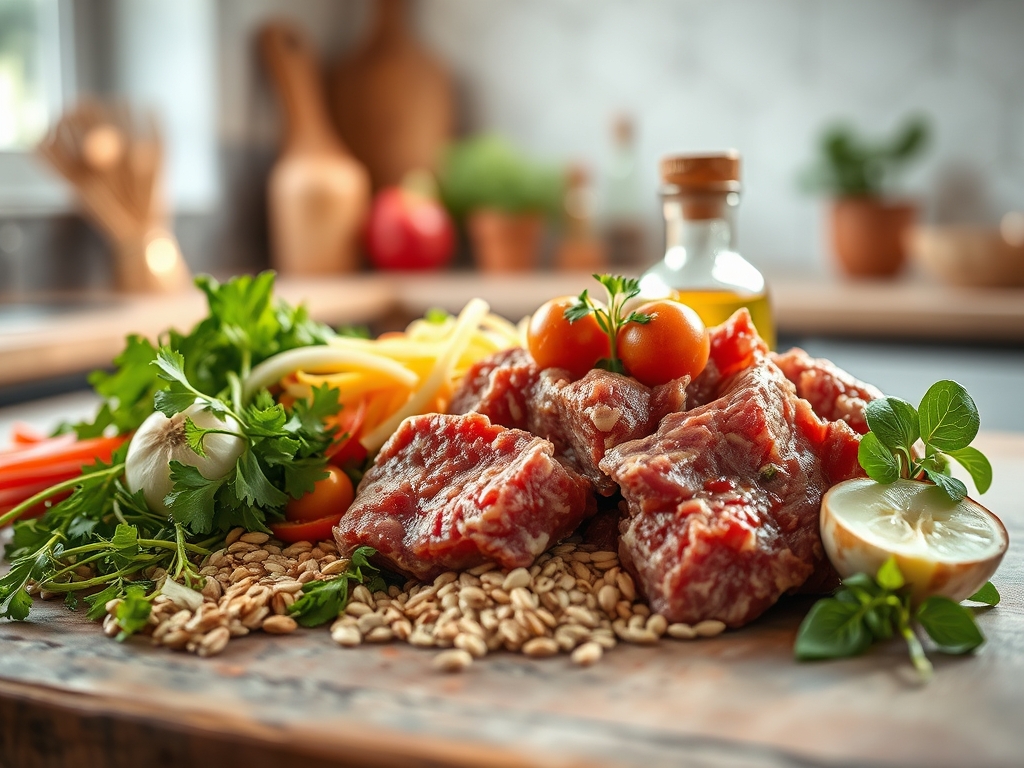
To execute these asian inspired ground beef recipes with precision, your mise-en-place must be flawless. Start with your protein; look for an 80/20 lean-to-fat ratio. That 20 percent fat is not just for flavor; it acts as a heat transfer medium that prevents the meat from steaming in its own juices. You will need a heavy-bottomed skillet or a seasoned wok to handle high thermal loads without dropping in temperature.
Your aromatics are the soul of the dish. Use a microplane to grate fresh ginger and garlic into a fine paste. This increases the surface area, allowing the volatile oils to infuse the oil almost instantly. Keep a bottle of high-quality toasted sesame oil, tamari or soy sauce, and a viscous oyster sauce nearby. For acidity, rice vinegar provides a piquant brightness that cuts through the richness of the rendered beef fat.
Smart Substitutions:
If you are watching your sodium, liquid aminos offer that same savory backbone with a fraction of the salt. For those who cannot find Thai bird's eye chilies, a dollop of Sambal Oelek or even red pepper flakes bloomed in the hot oil will provide the necessary capsaicin kick. If you find yourself without mirin, a splash of dry sherry mixed with a pinch of sugar mimics that fermented sweetness beautifully.
The Clock:
Efficiency in the kitchen is about "Chef's Flow." This is the practice of overlapping tasks to minimize downtime. For these dishes, your total active time is rarely more than 25 minutes.
- Prep (10 Minutes): This is your most critical phase. Chop all vegetables, whisk your sauces, and grate your aromatics. Once the heat is on, things move too fast to be reaching for a knife.
- The Sear (8 Minutes): This is where we render the fat and develop the crust.
- The Finish (5 Minutes): Adding your liquid components and allowing them to deglaze the pan and coat the beef.
The "Flow" dictates that you start your rice or noodles before you even touch the beef. By the time the grains have finished steaming and resting, your beef will be glistening and ready to serve.
The Masterclass:
1. The High-Heat Sear
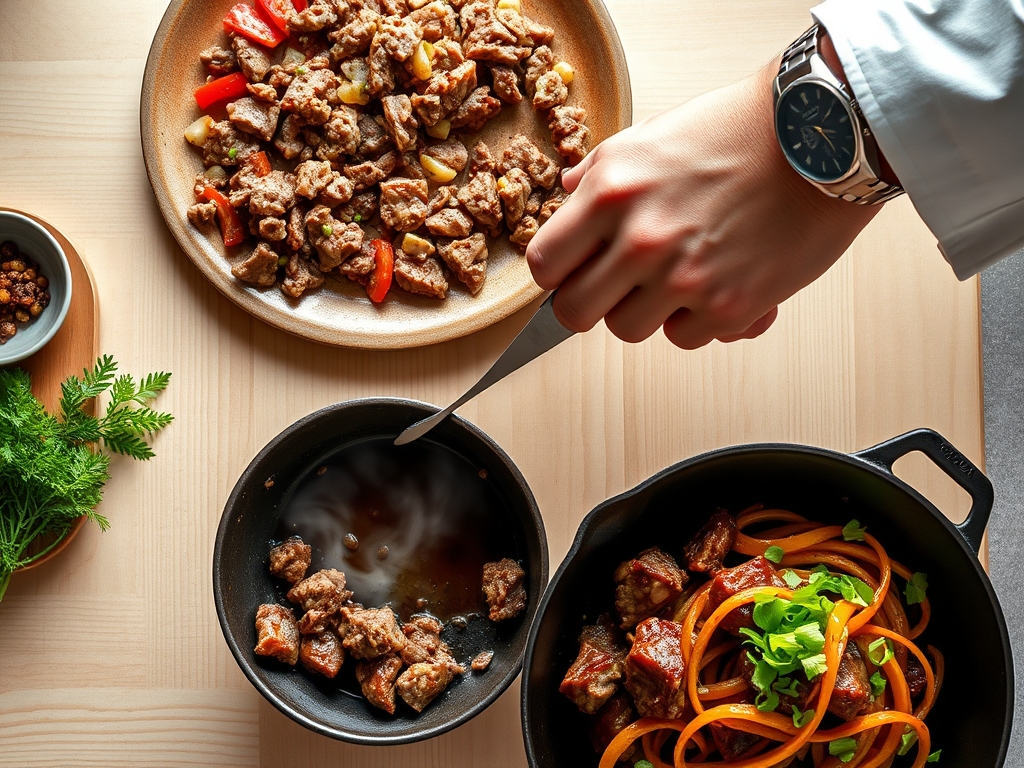
Place your heavy-bottomed skillet over medium-high heat until a bead of water dances and evaporates instantly. Add a high-smoke-point oil like grapeseed. Crumble the beef into the pan but do not stir it immediately. Let it sit for at least three minutes to develop a deep brown crust.
Pro Tip: This is the principle of enzymatic browning. Stirring too early releases moisture, which drops the pan temperature and causes the meat to gray and steam rather than sear.
2. Aromatic Infusion
Once the beef is browned, push it to the perimeter of the pan, creating a well in the center. Add your ginger, garlic, and scallion whites into the pool of rendered fat. Use a silicone spatula to stir them until they become fragrant, which usually takes about 60 seconds.
Pro Tip: Fat is a solvent for flavor. By blooming your aromatics in the fat before mixing them with the meat, you ensure the flavor is distributed evenly throughout the entire dish.
3. The Deglaze and Glaze
Pour your prepared sauce (soy, mirin, and chili paste) over the beef. Use the liquid to scrape up the "fond" or the brown bits stuck to the bottom of the pan. Stir constantly as the sugars in the sauce begin to caramelize and thicken into a viscous coating.
Pro Tip: This is a form of reduction. As the water evaporates, the flavors concentrate and the sauce undergoes a physical change to become a glaze that clings to the protein.
4. The Fresh Finish
Turn off the heat and toss in your fresh herbs like cilantro, Thai basil, or mint. Add a final squeeze of lime juice or a drizzle of toasted sesame oil. The residual heat is enough to wilt the greens without destroying their vibrant color.
Pro Tip: This utilizes thermal carryover. The meat is hot enough to release the aromatic compounds in the herbs without cooking out the delicate, bright notes that balance the heavy umami.
The Deep Dive:
Macro Nutrition:
Asian inspired ground beef recipes are surprisingly balanced. A standard serving provides roughly 25g of protein and 15g of fat. By serving this over cauliflower rice or inside cabbage wraps, you can keep the net carbs under 10g while maintaining high satiety.
Dietary Swaps:
- Vegan: Substitute the beef with a mix of finely minced mushrooms and walnuts. The mushrooms provide the umami, while the walnuts provide the fatty mouthfeel.
- Keto: Replace sugar or mirin with a drop of liquid stevia or monk fruit sweetener.
- Gluten-Free: Always use Tamari or Coconut Aminos instead of standard soy sauce, which contains wheat.
The Fix-It:
- Too Salty? Do not add water; add a splash of rice vinegar or a squeeze of lime. The acid masks the perception of salt on the tongue.
- Too Greasy? If your beef was particularly fatty, use a bench scraper to push the meat aside and soak up excess oil with a folded paper towel held by tongs.
- Meat is Tough? You likely overcooked it during the sear. Next time, remove the meat as soon as it is browned and only add it back for the final 30 seconds of glazing.
Meal Prep Science:
When reheating, the biggest enemy is "warmed-over flavor" caused by lipid oxidation. To prevent this, store your beef in an airtight glass container. When reheating in a saucier, add a tablespoon of water or broth and cover with a lid. This creates a steam chamber that rehydrates the protein fibers, ensuring "day-one" tenderness.
The Wrap-Up:
Mastering asian inspired ground beef recipes is about more than just following a list of ingredients; it is about understanding the chemistry of the kitchen. By focusing on the sear, the aromatic bloom, and the final acidic balance, you transform basic pantry staples into a high-octane culinary experience. These dishes are fast, they are smart, and they are infinitely adaptable to whatever you have in the crisper drawer. Now, grab your wok and let the Maillard reaction do the heavy lifting for your next favorite meal.
The Kitchen Table:
Can I use ground turkey instead of beef?
Yes, but turkey has less fat. Add a teaspoon of neutral oil to the pan to ensure the aromatics bloom properly and to prevent the leaner protein from becoming dry during the high-heat searing process.
How do I get the beef really crispy?
Pat the meat dry with paper towels before cooking to remove surface moisture. Use a preheated heavy-bottomed skillet and avoid overcrowding the pan; work in batches if necessary to maintain high heat and prevent steaming.
What is the best way to store leftovers?
Store in an airtight glass container for up to four days. For the best texture, reheat in a skillet over medium heat with a splash of water to create steam, which prevents the beef from drying out.
Is it necessary to use a wok?
While a wok is excellent for heat distribution, a large cast-iron or stainless steel skillet works perfectly. The key is using a pan that retains heat well so the temperature doesn't drop when the meat is added.