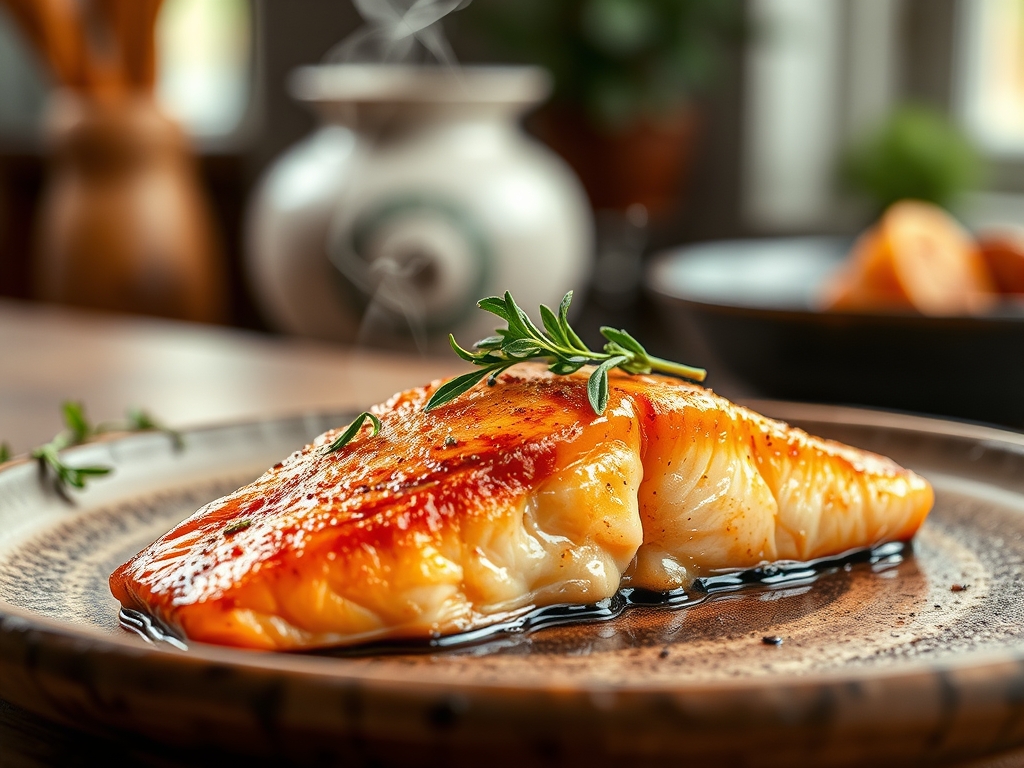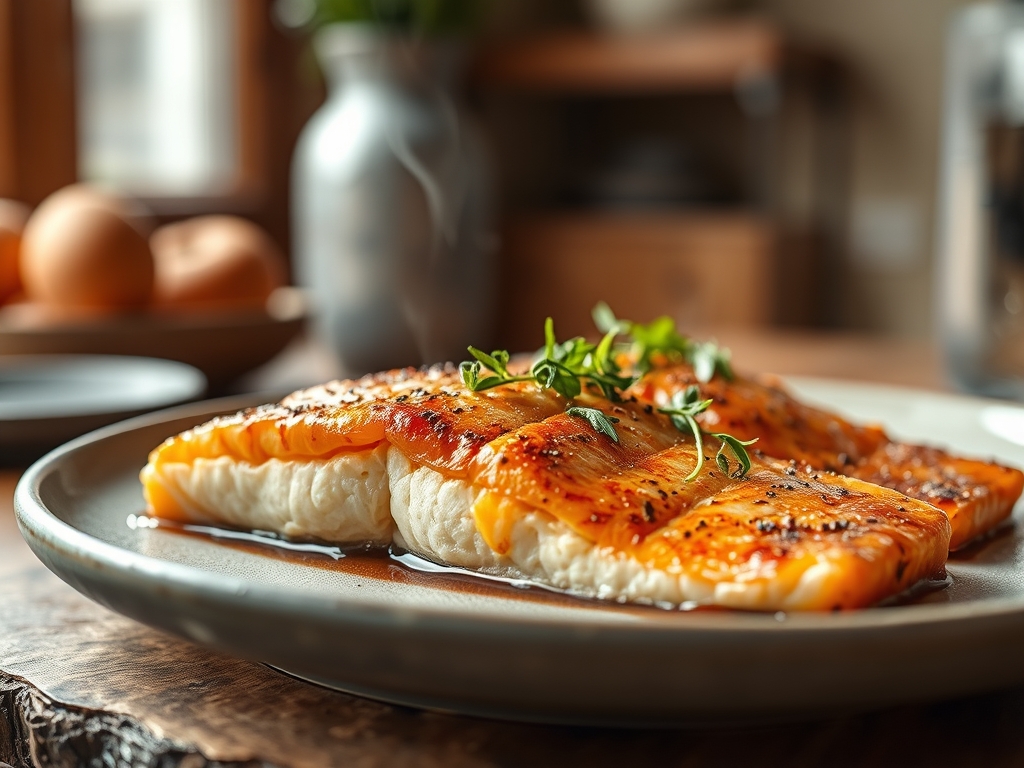
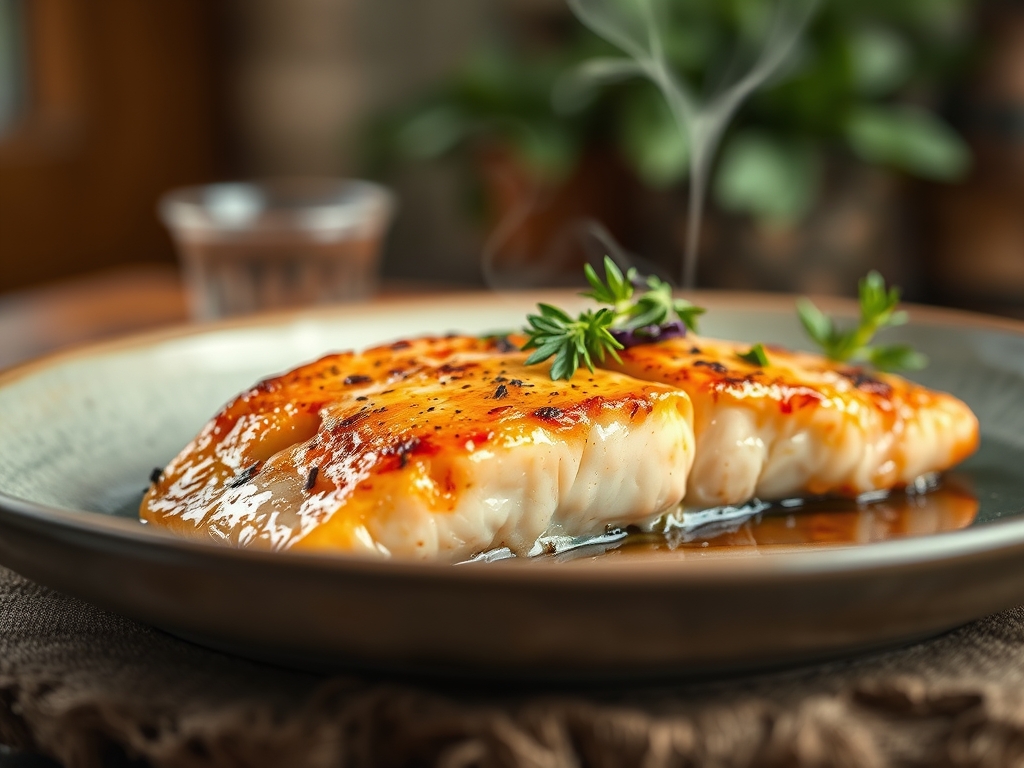
Picture the scene: your kitchen is filled with the scent of sun-drenched lemons, blooming oregano, and the savory sizzle of cold-water fat hitting a searing pan. We are not just making dinner; we are mastering the art of mediterranean style salmon recipes to achieve that elusive, restaurant-grade crust. This isn't your average weeknight protein. We are talking about fillets so tender they practically sigh under your fork, paired with the piquant brightness of olives and capers. The Mediterranean approach is less about complex sauces and more about high-quality fats and acidity. By understanding the molecular behavior of fish proteins, we can transform a simple fillet into a masterpiece of texture and flavor. It is time to move past dry, overcooked fish and embrace the vibrant, heart-healthy techniques that define the most iconic mediterranean style salmon recipes.
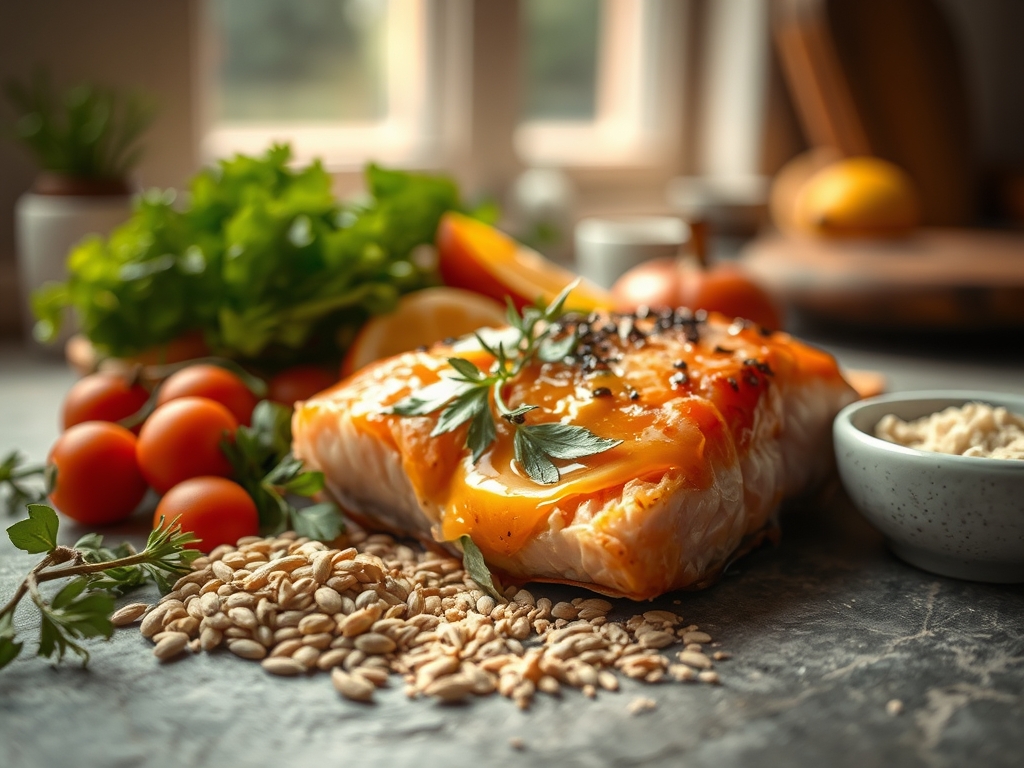
The Gathers:
To begin, pull your salmon from the refrigerator twenty minutes early. Cold fish hits a hot pan and causes the muscle fibers to seize, resulting in uneven cooking. You will need high-quality fillets, preferably center-cut for uniform thickness. For our aromatics, gather fresh garlic, organic lemons, and a handful of brined capers.
The oil is your most critical tool here. Reach for a high-smoke-point olive oil for the initial sear, and save your viscous, extra-virgin finishing oil for the final drizzle. You will also need a microplane to zest your citrus without hitting the bitter white pith, and a digital scale if you want to be precise about your portioning.
Smart Substitutions:
If you cannot find fresh oregano, use half the amount of dried, as the dehydration process concentrates the volatile oils. No capers? Chopped green olives provide that same briny, acidic punch. For those avoiding nightshades, swap the traditional pinch of red pepper flakes for a dusting of sumac to maintain that tart, earthy profile.
The Clock
Efficiency in the kitchen is all about the Chef's Flow. Your total active time is roughly 15 minutes, with a 10-minute cook window.
Prep (10 Minutes): This is where you use your bench scraper to clear your board as you mince garlic and chop herbs. Pat the salmon bone-dry with paper towels. Moisture is the enemy of the Maillard reaction; if the skin is damp, it will steam instead of crisp.
Cook (8 to 12 Minutes): This depends entirely on the thickness of your fillets. We are aiming for an internal temperature of 125 degrees Fahrenheit for a perfect medium-rare.
Rest (3 Minutes): Do not skip this. Resting allows the internal juices to redistribute. If you cut in immediately, the moisture escapes, leaving the protein fibers tough.
The Masterclass
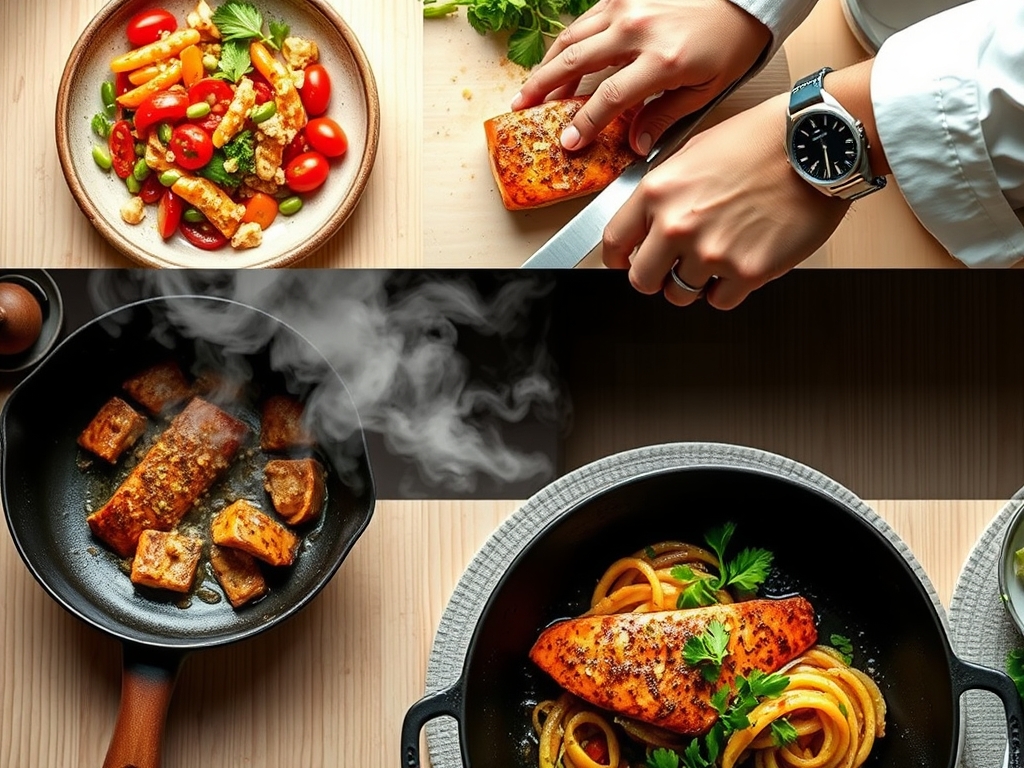
1. The Desiccation Ritual
Pat the salmon skin with extreme prejudice. Use a sharp knife to gently score the skin in three shallow lines. This prevents the fillet from curling as the heat causes the collagen to contract.
Pro Tip: This process is about managing surface tension. By removing every trace of water, you ensure the oil makes direct contact with the skin, triggering the Maillard reaction almost instantly for a glass-like crunch.
2. The Tempering Phase
Season the flesh side generously with kosher salt and cracked black pepper. Let it sit at room temperature. This allows the salt to penetrate the protein structure, a process known as denaturation, which helps the fish retain its natural juices during the high-heat phase.
Pro Tip: Salt acts as a cryoprotectant in reverse here; it draws out just enough moisture to create a concentrated brine on the surface, which then sears into a savory crust.
3. The Sear of Authority
Heat a heavy-bottomed skillet (cast iron or stainless steel is best) over medium-high heat until the oil shimmers but does not smoke. Lay the salmon skin-side down, pressing firmly with a flexible spatula for 30 seconds to ensure total contact.
Pro Tip: This initial pressure prevents the "bowing" effect. The thermal conductivity of a heavy pan ensures that heat is distributed evenly, preventing hot spots that could burn the delicate fats.
4. The Aromatics Infusion
Once the skin is crispy and releases easily from the pan, flip the fish using tongs. Toss in your smashed garlic cloves, lemon slices, and capers. Use a spoon to baste the hot, flavored oil over the top of the salmon.
Pro Tip: This is called aromatic fat-washing. The fat in the pan acts as a solvent, pulling the fat-soluble flavor compounds out of the garlic and herbs and depositing them directly into the salmon.
5. The Deglaze and Emulsify
Pour in a splash of dry white wine or vegetable stock. Use your spoon to scrape up the browned bits (the fond) from the bottom of the pan. Swirl in a teaspoon of cold butter or a dash of heavy cream to create a viscous pan sauce.
Pro Tip: This step utilizes emulsification. The acid from the wine and the fats from the fish combine to create a silky sauce that coats the palate, balancing the richness of the omega-3s.
6. The Carryover Finish
Remove the pan from the heat when the salmon is about 5 degrees below your target temperature. Move the fillets to a warm plate and pour the pan juices over them.
Pro Tip: Thermal carryover is real. The exterior of the fish is hotter than the interior; even off the heat, that energy continues to move inward, finishing the cook perfectly without over-toughening the delicate proteins.
7. The Final Aeration
Garnish with a massive handful of fresh parsley and a final squeeze of lemon juice. The fresh acid "wakes up" the heavy fats and creates a balanced profile.
Pro Tip: Adding fresh herbs at the very end preserves their volatile aromatic compounds. High heat destroys these delicate molecules, so "aerating" the dish with fresh greens at the finish provides maximum olfactory impact.
The Deep Dive
Macro Nutrition: One serving of this Mediterranean salmon provides roughly 35g of high-quality protein and 20g of healthy fats. It is a powerhouse of Vitamin D and B12, making it as functional as it is delicious.
Dietary Swaps:
- Vegan: Swap the salmon for thick slices of "King Oyster" mushrooms or firm tofu. Use vegan butter or extra olive oil for the pan sauce.
- Keto: This recipe is naturally keto-friendly. Serve it over a bed of sautéed spinach instead of grains.
- Gluten-Free: This recipe is inherently gluten-free; just ensure your broth or wine is certified.
The Fix-It:
- The Skin is Soggy: You likely moved the fish too early or the pan wasn't hot enough. Next time, wait for the "release." The fish will tell you when it is ready to flip.
- White Gunk Appearing: That is albumin, a protein that pushes out when fish is cooked too fast or too high. Lower your heat slightly to keep those proteins tucked inside.
- The Garlic is Bitter: You added it too early. Aromatics should only hit the pan during the last 3 minutes of cooking to avoid burning.
Meal Prep & Reheating: To keep "day-one" quality, reheat your salmon in a low oven (275 degrees) with a splash of water covered in foil. This creates a gentle steam environment that prevents the fats from turning rancid or the protein from becoming rubbery.
The Wrap-Up
Mastering mediterranean style salmon recipes is about more than just following a list of ingredients; it is about understanding how heat, fat, and acid interact on a molecular level. When you treat your ingredients with respect and use the right tools, like a reliable heavy-bottomed skillet and a sharp microplane, you elevate a simple meal into a gourmet experience. Go forth, sear with confidence, and enjoy the vibrant, healthy flavors of the coast!
The Kitchen Table
How do I know when the salmon is done?
Use a fork to gently press the top of the fillet. If the flesh flakes easily along the white lines of fat, it is ready. For precision, a digital thermometer should read 125 to 130 degrees Fahrenheit.
Can I use frozen salmon for this?
Yes, but thaw it completely in the refrigerator first. Pat it extremely dry with paper towels to remove excess moisture, as frozen fish tends to release more water, which can hinder a perfect, crispy sear.
Why is my salmon sticking to the pan?
The pan was either not hot enough or you tried to flip it too soon. Protein bonds to the metal initially; once a crust forms through the Maillard reaction, the fish will naturally release itself from the surface.
What is the best oil for searing salmon?
Use an oil with a high smoke point like avocado oil or refined olive oil. Save your expensive, cold-pressed extra virgin olive oil for finishing the dish to preserve its delicate flavor and nutritional integrity.