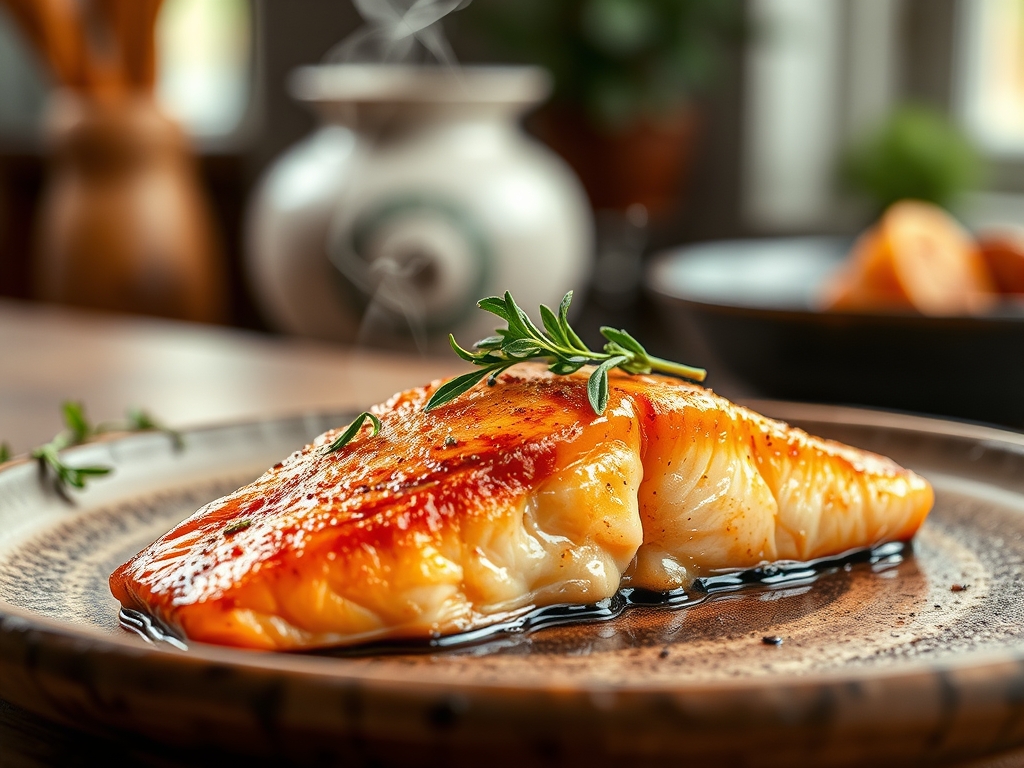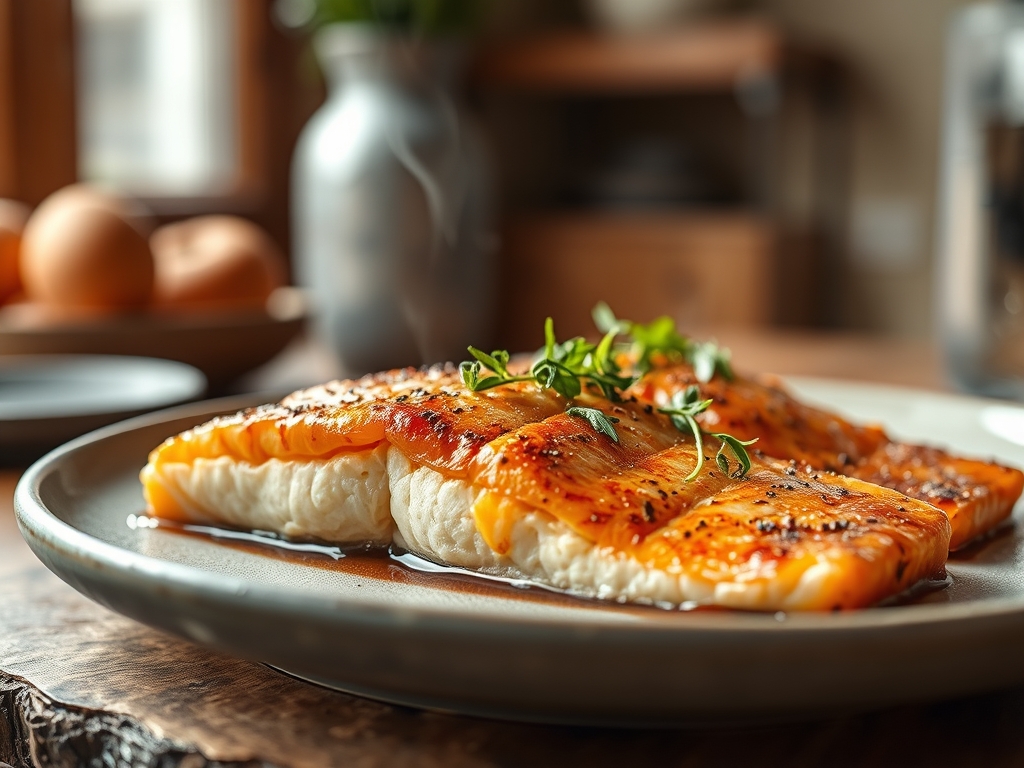
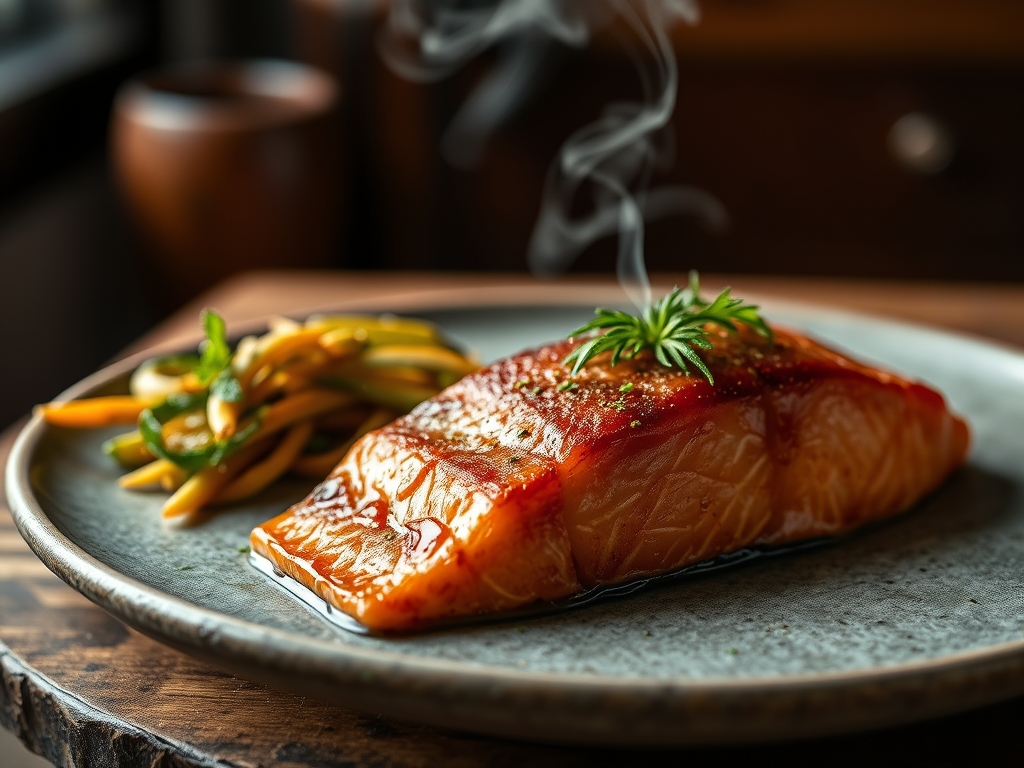
Imagine the scent of cedar smoke and searing sea salt hitting a hot cast iron surface. That deep, ruby red flesh is the hallmark of the wild north. When you search for the best alaska sockeye salmon recipes, you are looking for more than just dinner; you are looking for a masterclass in handling the ocean's most vibrant protein.
Sockeye is different from its farmed cousins. It is leaner, firmer, and packed with a complex flavor profile that demands respect and a bit of scientific finesse. Because it contains less intramuscular fat than King salmon, the window between succulent and dry is narrow. We are going to widen that window today. I am going to show you how to harness the power of conductive heat and acidic brighteners to make every fillet a masterpiece of texture and taste. Grab your apron and your sharpest chef knife. We are diving into the cold, pristine waters of culinary excellence to transform your kitchen into a high-end bistro.
The Gathers:
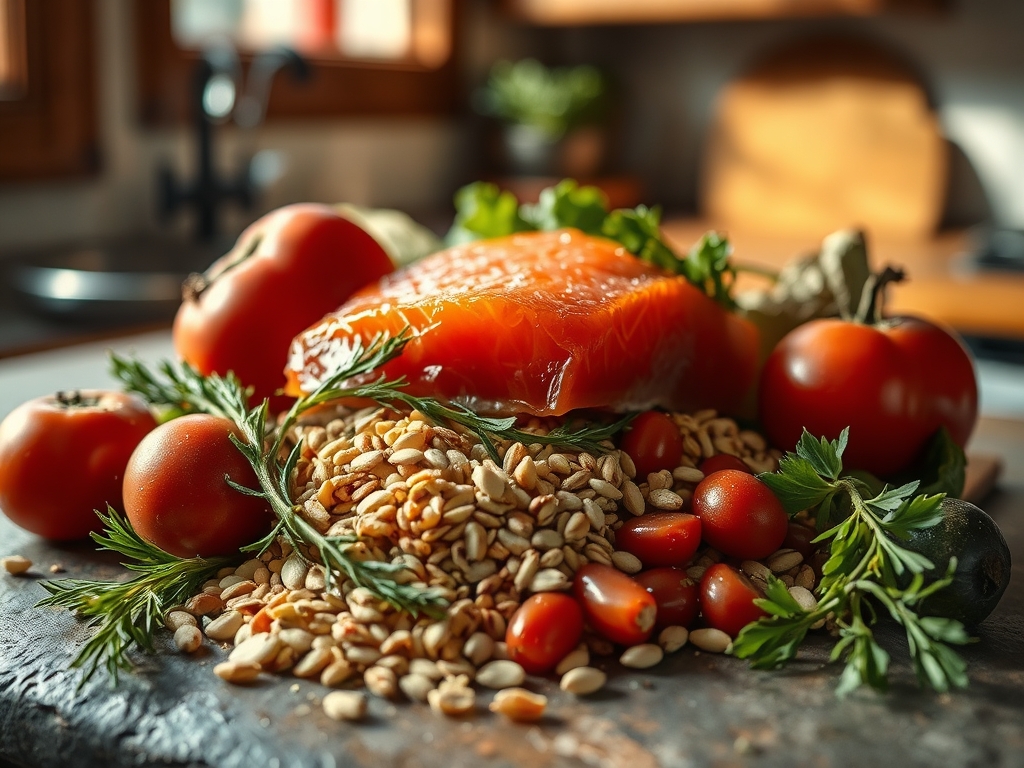
To execute these alaska sockeye salmon recipes with precision, your mise-en-place must be impeccable. Start with four 6-ounce sockeye fillets, skin-on. The skin is your heat shield and a source of incredible texture. You will need high-quality kosher salt; its jagged crystal structure adheres better to the protein fibers than table salt. For the fat, choose a high-smoke-point oil like avocado or grapeseed oil. Butter is for finishing, not for the initial sear, because the milk solids will burn before the salmon reaches the ideal internal temperature.
Your aromatic profile includes fresh dill, a microplane for zesting lemons, and three cloves of garlic. We are also using a viscous honey and a splash of piquant Dijon mustard to create a glaze that clings to the fish without sliding off. If you are looking for smart substitutions, you can swap the honey for maple syrup to lean into those earthy, northern notes. If you lack fresh dill, dried tarragon offers a similar anise-like complexity. Always use a digital scale to weigh your portions; uniformity is the secret to even cooking across the entire batch.
The Clock:
The "Chef's Flow" is all about timing. Total preparation takes exactly 15 minutes of active work, while the cooking process is a rapid 8 to 10 minutes. You must account for the 20-minute tempering period where the fish sits at room temperature. Cold fish hitting a hot pan causes the muscle fibers to contract violently, squeezing out moisture and leaving you with a "tight" or rubbery texture.
By allowing the fish to temper, you ensure the heat penetrates the center efficiently without overcooking the exterior. While the fish rests, you will prep your glaze and preheat your heavy-bottomed skillet. This overlap ensures that the moment the fish is ready, the pan is at the precise Leidenfrost point, where a drop of water skitters across the surface rather than evaporating instantly.
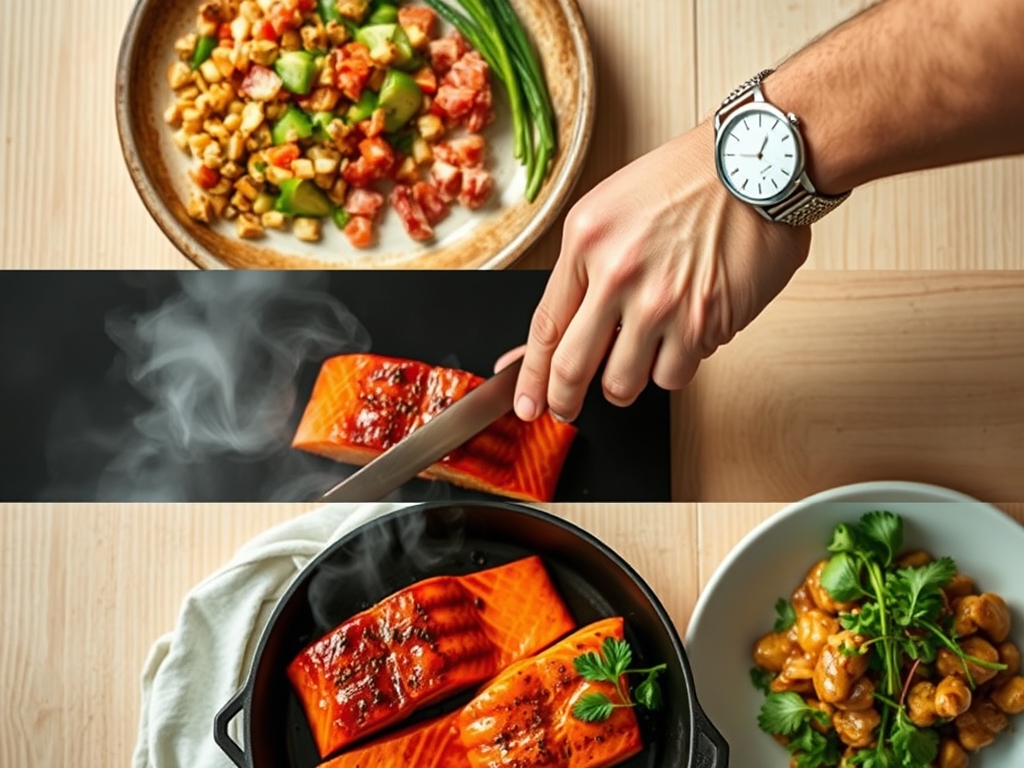
The Masterclass:
1. The Desiccation Ritual
Pat the skin of the salmon bone-dry using paper towels. Moisture is the enemy of the Maillard reaction. If the skin is damp, the energy of the pan goes into boiling that water rather than crisping the skin. Use a bench scraper to clear any excess moisture from your cutting board before seasoning.
Pro Tip: This is about thermodynamics. By removing surface water, you allow the skin to reach 300 degrees Fahrenheit almost instantly, triggering the Maillard reaction which creates hundreds of new flavor compounds and that signature crunch.
2. The Cold-Pan Start or High-Heat Sear
For sockeye, I prefer a medium-high sear. Place your skillet over the flame and add your oil. Once the oil shimmers and develops a faint wisp of smoke, lay the fillets in away from you to avoid splashes. Press down firmly with a fish spatula for the first 30 seconds.
Pro Tip: Pressing the fish prevents the skin from curling. Sockeye skin contains collagen that shrinks when heated; physical pressure ensures even contact, resulting in a uniform, glass-like crust across the entire surface.
3. The Gentle Render
Turn the heat down to medium. Let the fish cook 70 percent of the way on the skin side. You will see the color change from translucent ruby to an opaque pink creeping up the sides of the fillet. This conductive heat transfer protects the delicate fats near the surface.
Pro Tip: Slowing the heat allows the subcutaneous fat to render out. This fat then fries the skin from the bottom up, essentially confitting the skin in its own natural oils for maximum flavor.
4. The Flip and Kiss
Flip the fish using tongs or your spatula. It should release easily from the pan. If it sticks, it is not ready. Cook on the flesh side for only 60 to 90 seconds. We want a medium-rare center to preserve the sockeye's natural silkiness.
Pro Tip: Sockeye is lean. If you cook it to a "well-done" internal temperature of 145 degrees, it will be dry. Aim for 125 degrees and rely on thermal carryover to bring it to a perfect 130 degrees while it rests.
5. The Glaze Infusion
In the final 30 seconds, toss in a knob of butter, your smashed garlic, and the honey-mustard mixture. Use a spoon to baste the hot, bubbling liquid over the crispy skin. This adds a layer of gloss and a final punch of acidity.
Pro Tip: Basting is a form of convection cooking. The hot fat carries the aromatics of the garlic and herbs into every crevice of the fish, creating a cohesive flavor profile that tastes integrated rather than topped.
The Deep Dive:
Wild Alaska sockeye is a nutritional powerhouse. It is exceptionally high in Vitamin D and B12, and its deep red color comes from astaxanthin, a potent antioxidant the fish absorbs from its diet of krill and plankton. Per 6-ounce serving, you are looking at roughly 35 grams of high-quality protein and zero carbohydrates, making it a staple for Keto and Paleo lifestyles.
If you are cooking for diverse dietary needs, this recipe is naturally gluten-free. For a vegan alternative to the glaze, use agave nectar instead of honey. If you encounter the "white stuff" (albumin) leaking out of your fish, do not panic. This happens when the muscle fibers contract too quickly and push out protein. To fix this, try a quick salt-water brine for 10 minutes before cooking; the salt partially dissolves the muscle fibers so they do not tighten as much.
For meal prep, reheating sockeye is an art. Do not use the microwave. Instead, place the fillet in a saucier with a tablespoon of water or broth, cover it, and steam it gently over low heat. This rehydrates the protein without overshooting the temperature, maintaining that "day-one" flake and moisture.
The Wrap-Up:
Mastering alaska sockeye salmon recipes is a rite of passage for any serious home cook. By focusing on moisture control, temperature management, and the science of the sear, you have turned a simple piece of fish into a culinary event. Remember: trust your senses, watch the color change, and always give your fish the rest it deserves before serving. You have got the tools and the technique; now go make some magic happen in that kitchen!
The Kitchen Table:
How do I prevent my salmon from sticking to the pan?
Ensure the pan and oil are hot before adding the fish. Pat the skin completely dry. Once placed, do not move the fillet until the proteins have naturally seared and released from the surface, usually after three minutes.
What is the best internal temperature for sockeye salmon?
For the best texture, pull the salmon off the heat at 125 degrees Fahrenheit. The internal temperature will rise to 130 degrees during the resting phase, resulting in a moist, tender medium-rare finish that avoids the dryness typical of overcooked sockeye.
Can I use frozen sockeye for these recipes?
Yes, but thaw it slowly in the refrigerator for 24 hours. Once thawed, treat it exactly like fresh fish. Ensure you pat it extra dry, as frozen fish tends to release more surface moisture during the thawing process.
Why is my salmon oozing white liquid?
That white substance is albumin, a harmless protein. It appears when the fish is cooked too fast or at too high a temperature, causing the muscles to contract and squeeze the protein out. A brief salt brine helps minimize this.