Imagine the scent of a kitchen at dusk; the sharp, piquant aroma of crushed cloves meeting the earthy, humid steam of a boiling pot. We are not just cooking dinner; we are conducting a symphony of starch and sulfur. When you dive into red potato recipes garlic becomes your most volatile yet rewarding partner. Red potatoes are the darlings of the root world because their low starch content and high moisture levels allow them to hold their shape under intense heat. Unlike their floury Russet cousins, these ruby skinned beauties offer a waxy, creamy interior that creates a luxurious mouthfeel when paired with the right fats. We are going to transform these humble tubers into nine distinct flavor profiles, ranging from crispy smashed discs to velvety purees. Whether you are looking for a weeknight side or a centerpiece for a dinner party, understanding the molecular dance between the allicin in the garlic and the amylopectin in the potato is your secret weapon. Let us get your apron on and your heavy bottomed skillet ready for some serious kitchen alchemy.
The Gathers:
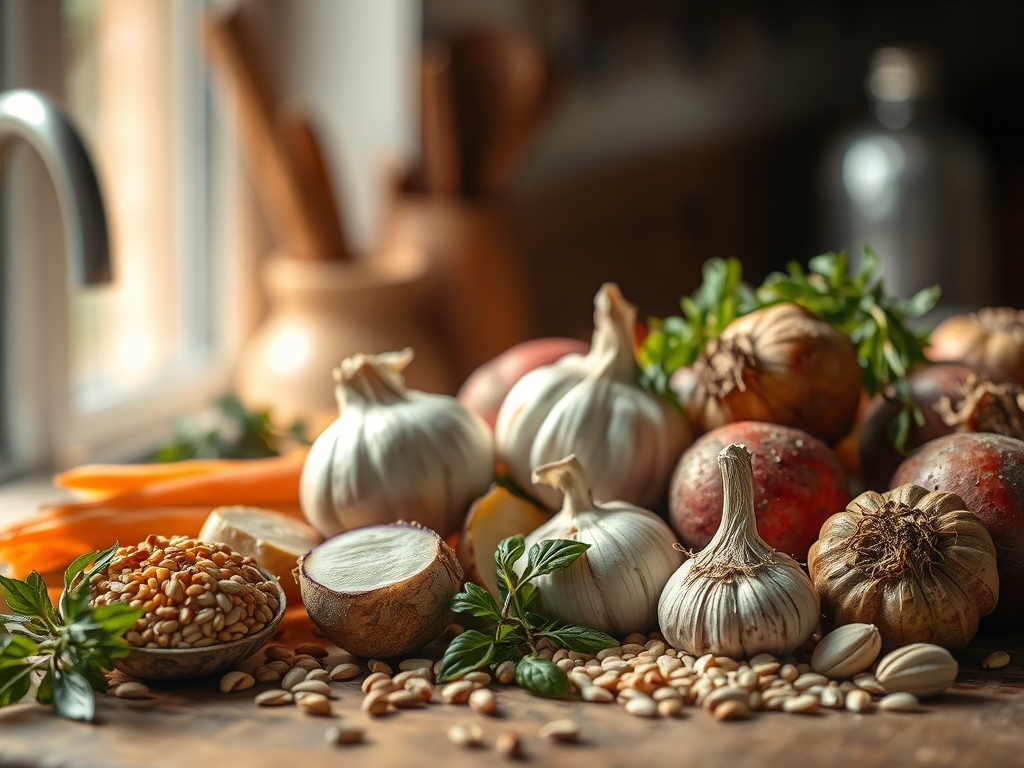
To master these red potato recipes garlic must be handled with precision. Start with five pounds of small to medium red potatoes; look for firm skins without sprouts. You will need at least two whole heads of garlic. Do not use the pre minced stuff in a jar; it lacks the essential oils needed for a true infusion. You will also need high quality fats: unsalted European style butter for its lower water content and extra virgin olive oil for its high smoke point and peppery finish. For the aromatic layer, gather fresh rosemary, thyme, and flat leaf parsley.
Smart Substitutions: If you are avoiding dairy, a high quality avocado oil provides a neutral base with a high smoke point. For a sharper profile, swap the red potatoes for Yukon Golds, though you will lose that signature red skin contrast. If fresh garlic is unavailable, use a high quality garlic confit rather than powder to maintain a viscous texture in your sauces. Use a digital scale to ensure your potato to fat ratio is exactly four to one for maximum indulgence.
The Clock
Efficiency in the kitchen is about managing the Chef's Flow. Total prep time for these hacks is approximately 20 minutes, while active cooking ranges from 15 to 45 minutes depending on the method. The "flow" involves starting your water boil first; water has a high specific heat capacity and takes the longest to reach 212 degrees Fahrenheit. While the water works, you use your bench scraper to organize your workspace and your microplane to prep the garlic. By the time your potatoes are parboiled, your oven is preheated and your aromatics are ready to infuse. This overlapping timeline ensures no heat is wasted.
The Masterclass
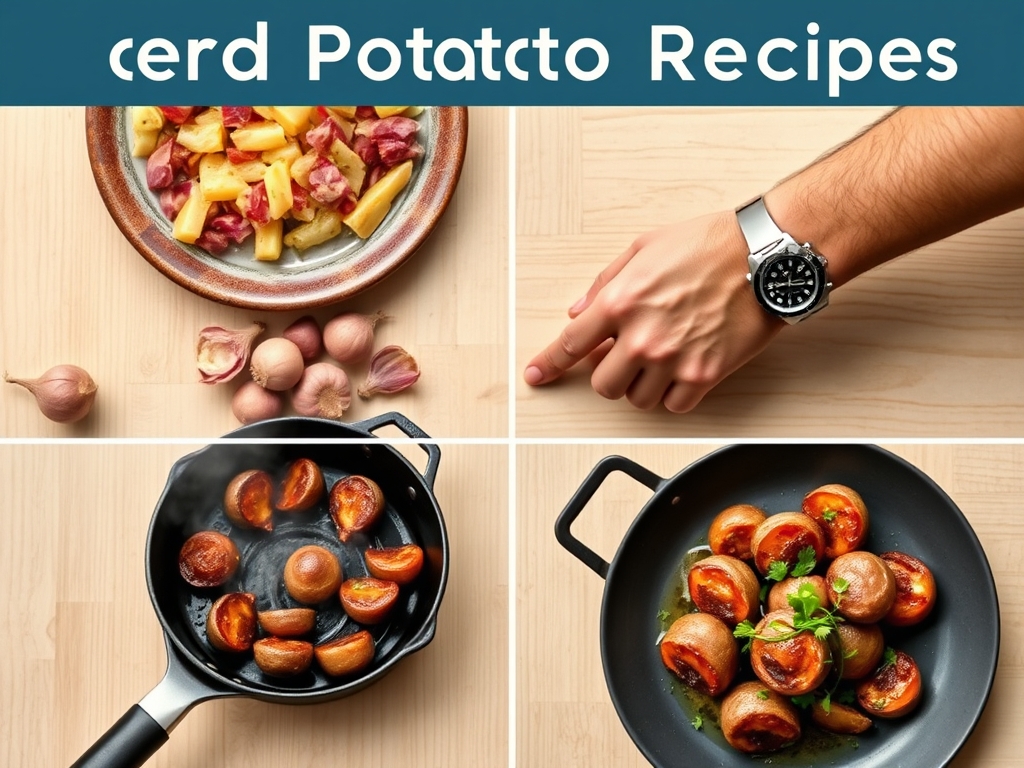
1. The Parboil Foundation
Place your cleaned potatoes in cold, heavily salted water. Starting with cold water ensures the interior and exterior cook at the same rate, preventing the outside from becoming mushy before the center is tender. Bring to a simmer until a paring knife slides in with minimal resistance.
Pro Tip: This process initiates starch gelatinization. By parboiling in salted water, you season the potato from the inside out while preparing the surface for the Maillard reaction later.
2. The Smashed Technique
Drain the potatoes and let them steam dry for two minutes. Use a heavy bottomed glass or a meat tenderizer to gently press each potato until it is about half an inch thick. The goal is to create jagged edges that will trap oil and become incredibly crispy.
Pro Tip: Steam drying is crucial to remove surface moisture. Excess water creates steam in the oven, which prevents the dehydration of the surface necessary for a crunch.
3. The Garlic Infusion
In a small saucier, melt your butter or oil over low heat. Add your minced garlic and herbs. You are looking for a gentle bubble, not a brown sizzle. You want to draw out the fat soluble flavor compounds without burning the delicate garlic solids.
Pro Tip: Garlic contains allicin, which is heat sensitive. Infusing at a low temperature allows the flavor to permeate the fat without becoming bitter through over carbonization.
4. The High Heat Roast
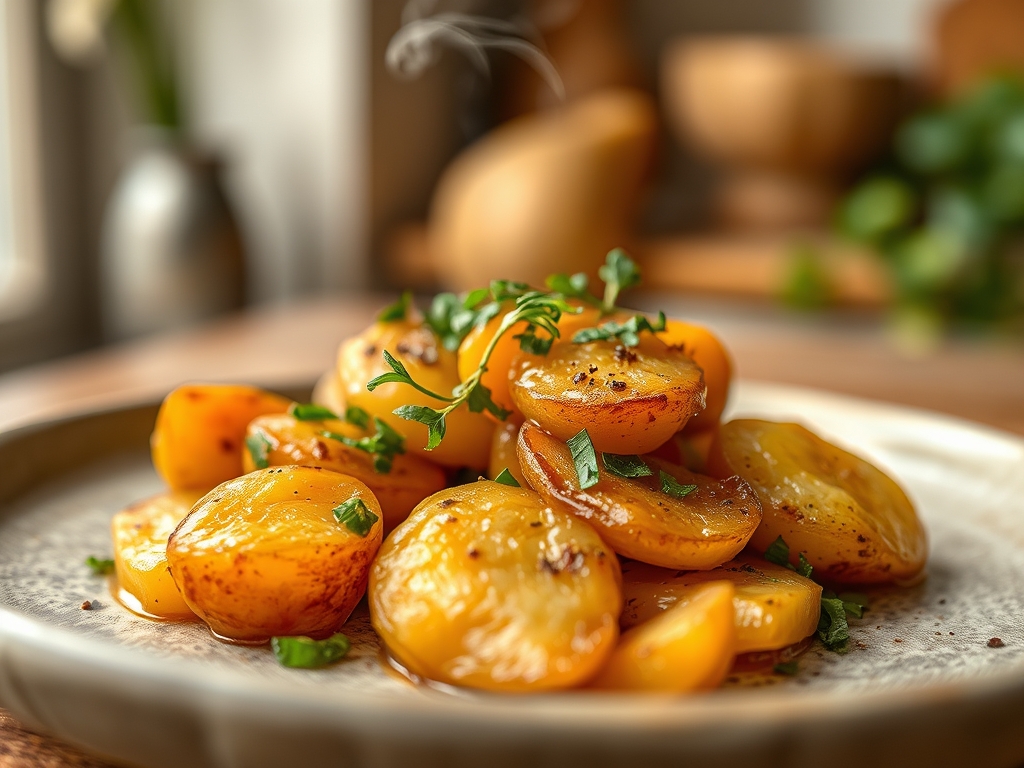
Arrange your smashed or sliced potatoes on a preheated baking sheet. Drizzle the garlic infused fat over them, ensuring every nook is coated. Roast at 425 degrees Fahrenheit until the edges are deep golden brown.
Pro Tip: Preheating the baking sheet triggers thermal conduction immediately. This creates an instant crust on the bottom of the potato, preventing it from sticking.
5. The Aeration Fold
For mashed variations, use a ricer or a food mill rather than a blender. Fold in your garlic butter and a splash of heavy cream. Use a silicone spatula to incorporate air without overworking the starch.
Pro Tip: Overworking potatoes releases too much amylose, which turns your mash into a gluey, gummy mess. A ricer keeps the starch granules intact.
6. The Acid Balance
Just before serving, toss your potatoes with a squeeze of fresh lemon juice or a dash of champagne vinegar. This cuts through the richness of the fats and brightens the garlic notes.
Pro Tip: Acid acts as a flavor enhancer by balancing the pH levels on your palate. It makes the savory notes of the garlic feel more vibrant.
7. The Herb Finish
Add your fresh chopped parsley or chives only after the potatoes come out of the heat. This preserves the bright green color and the volatile oils of the herbs.
Pro Tip: Residual heat, or thermal carryover, is enough to soften the herbs without wilting them into a brown sludge.
8. The Texture Check
Use your tongs to flip a few pieces. The sound should be a distinct "clink" against the pan. If they feel soft, they need five more minutes.
Pro Tip: The Maillard reaction is a chemical reaction between amino acids and reducing sugars. It only happens effectively once the surface moisture has evaporated.
9. The Resting Period
Let the potatoes sit on the tray for three minutes before plating. This allows the internal starches to set slightly, making them easier to handle and better at holding onto their garlic coating.
Pro Tip: This brief rest allows for moisture redistribution, ensuring the center remains creamy while the outside stays crisp.
The Deep Dive
From a nutritional standpoint, red potatoes are a powerhouse of potassium and Vitamin C, especially when you leave the nutrient dense skins on. One medium potato provides about 150 calories of complex carbohydrates. For those on a Vegan path, use nutritional yeast and olive oil to mimic the savory depth of butter. Keto followers should note that potatoes are high carb, so portion control is vital; focus on the garlic and herb fats over the starch. For Gluten Free diners, potatoes are naturally safe, but always check your cross contamination if using store bought spice blends.
The Fix-It:
- Soggy Potatoes: Your oven wasn't hot enough or you crowded the pan. Spread them out on two sheets next time.
- Bitter Garlic: You added the garlic too early in the roasting process. Next time, add it in the last ten minutes or use an infused oil.
- Gluey Mash: You used a hand mixer. Switch to a potato masher or ricer to keep those starch molecules happy.
Meal Prep: To reheat, avoid the microwave. The microwave vibrates water molecules, making the potato rubbery. Instead, use an air fryer at 350 degrees for five minutes or a dry skillet to regain that "day-one" crispiness.
The Wrap-Up
Mastering red potato recipes garlic style is about respecting the science of the starch. By controlling your temperatures and understanding how garlic behaves in fat, you turn a simple side dish into a culinary event. These nine hacks are just the beginning; once you understand the mechanics of the parboil and the roast, the flavor combinations are infinite. Now, grab your microplane and get to work!
The Kitchen Table
Why are my red potatoes always waxy?
Red potatoes have a low starch and high moisture content. This makes them naturally waxy, which is ideal for roasting or salads where you want the potato to hold its shape rather than fall apart like a Russet.
Can I roast garlic and potatoes together?
Yes, but timing is key. Whole cloves can roast alongside potatoes, but minced garlic will burn at high roasting temperatures. It is best to add minced garlic during the final ten minutes of cooking for the best flavor.
Do I need to peel red potatoes for roasting?
No, the skin on red potatoes is very thin and contains most of the nutrients. Leaving the skin on provides a beautiful color contrast and an extra layer of texture that is essential for a rustic feel.
How do I keep garlic from turning bitter?
Garlic turns bitter when it burns. To prevent this, infuse your oil at low heat or use larger chunks of garlic that can withstand more heat than fine minces. Always monitor the color; golden is good, black is bitter.