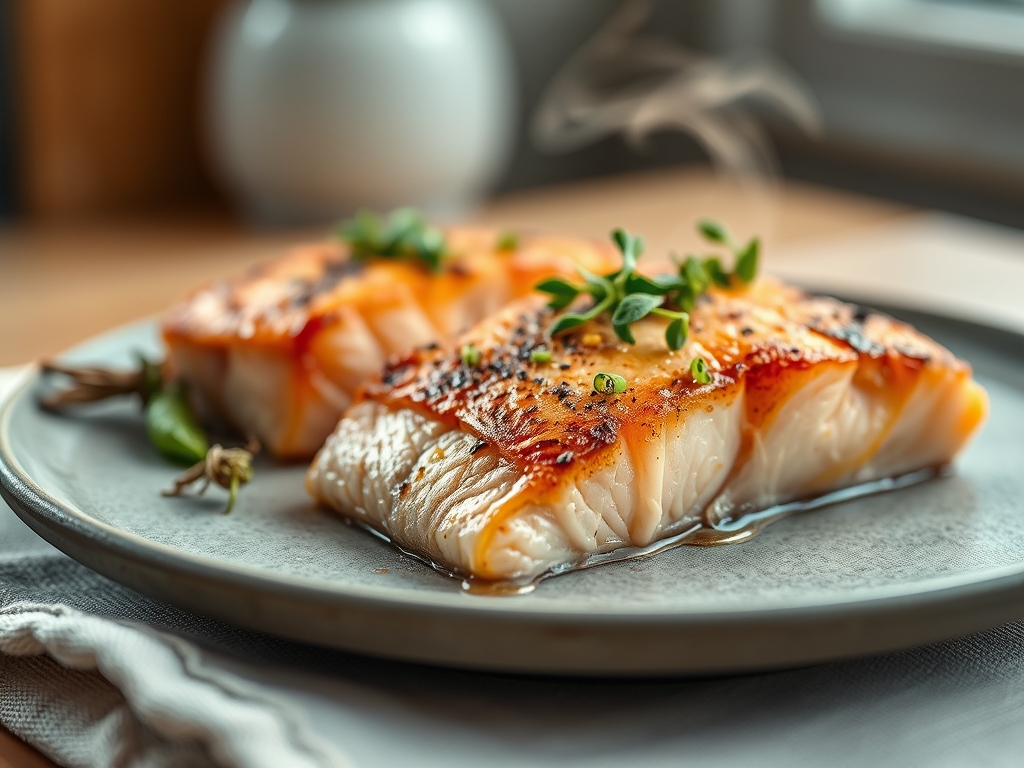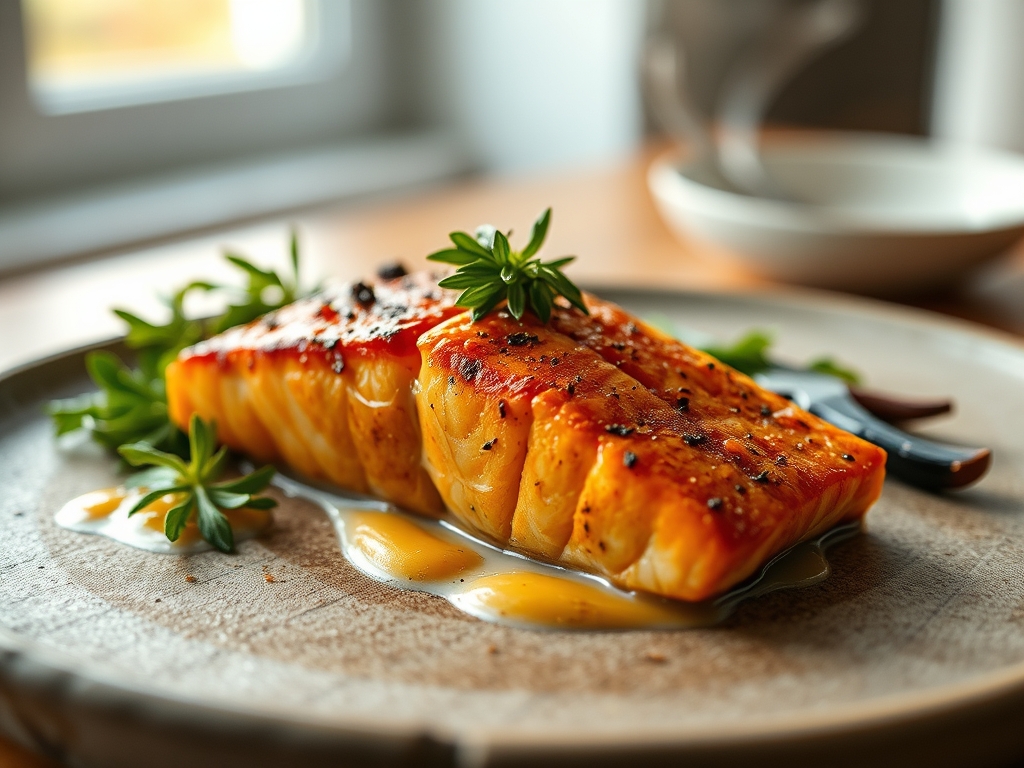
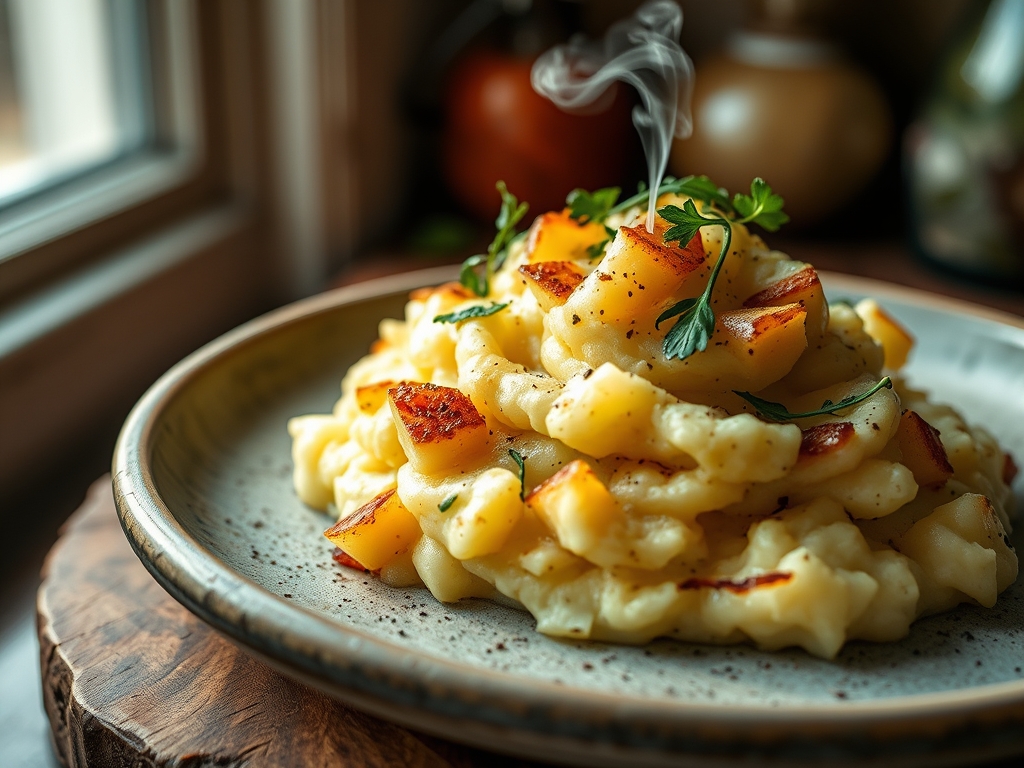
Imagine the steam rising from a heavy-bottomed Dutch oven; it is a fragrant cloud of earthy starch and sweet cream that signals the ultimate comfort. When we talk about ree drummond mashed potato recipes, we are not just discussing a side dish; we are exploring a cultural phenomenon of decadence. These potatoes are famous for their velvet texture and unapologetic use of fats that create a luxurious mouthfeel. Whether you are prepping for a frantic holiday or a quiet Tuesday, mastering these hacks transforms a humble tuber into a culinary masterpiece. We are diving deep into the chemistry of starch and the art of the emulsion to ensure your next batch is nothing short of legendary. Grab your apron and your favorite potato masher; it is time to get scientific with our comfort food.
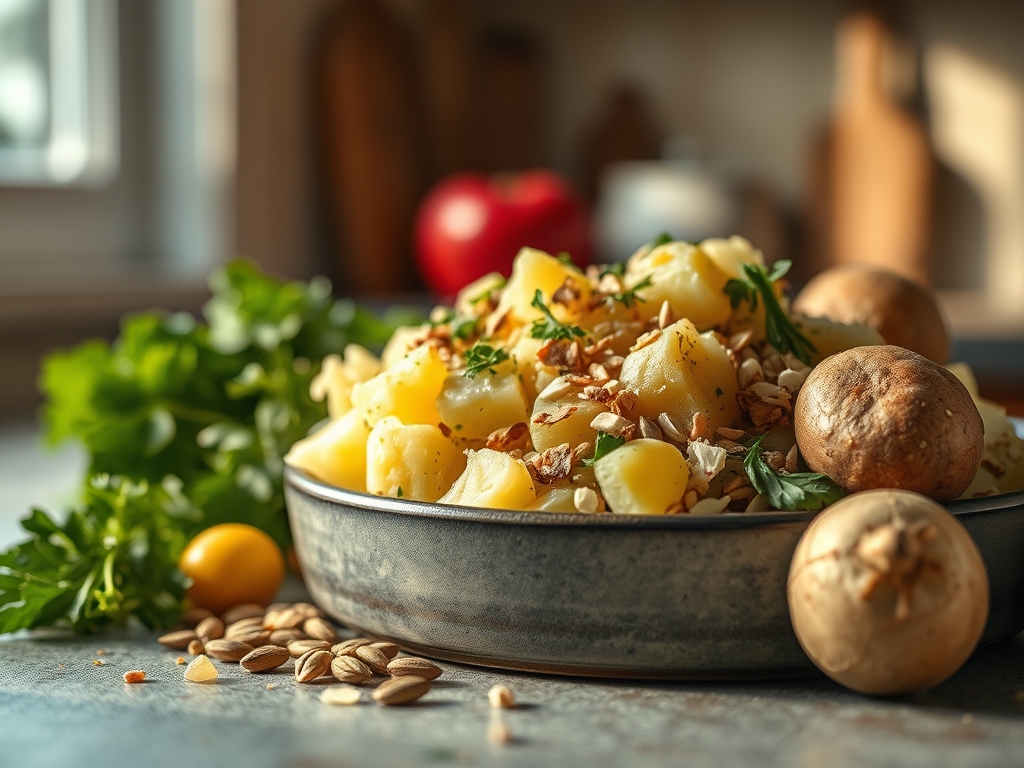
The Gathers:
To achieve that signature Pioneer Woman glow, your mise-en-place must be precise. Start with five pounds of Russet potatoes. Russets are high-starch, mealy tubers with large starch granules that swell and separate easily; this is the key to fluffiness. You will also need two sticks of unsalted butter, one eight-ounce package of cream cheese, and half a cup of heavy cream. For the piquant finish, keep Lawry's Seasoned Salt and black pepper within reach.
Smart Substitutions:
If you want to experiment with texture, swap half the Russets for Yukon Golds. Yukons are medium-starch potatoes that provide a naturally buttery flavor and a more viscous consistency. For a lighter profile, you can substitute the cream cheese with Greek yogurt to add a fermented tang, though you will lose some of the structural stability provided by the cheese's milk solids. If you are out of seasoned salt, a mix of smoked paprika, garlic powder, and a pinch of turmeric can mimic that savory depth. Always use a digital scale to measure your ingredients; precision in the fat-to-starch ratio is what prevents a "soupy" disaster.
The Clock:
The total investment for these ree drummond mashed potato recipes is roughly 45 minutes. You will spend 15 minutes on prep (peeling and cubing) and 20 to 25 minutes on the active boil. The final 5 minutes are reserved for the "Chef's Flow." This is the rhythmic process of mashing, incorporating fats, and seasoning while the potatoes are at their thermal peak.
The "Chef's Flow" is critical because starch molecules begin to retrograde (crystallize and harden) as they cool. If you wait too long to add your lipids, the potatoes will turn gummy rather than creamy. Efficiency is your best friend here; have your butter and cream cheese cubed and at room temperature before the potatoes even hit the water.
The Masterclass:
1. The Cold Start Soak
Place your peeled and cubed potatoes in a large pot and cover them with cold, salted water. Starting with cold water ensures that the potatoes cook evenly from the outside in. If you drop them into boiling water, the exterior will overcook and dissolve into a viscous paste before the center is tender.
Pro Tip: This method prevents enzymatic browning and ensures the starch granules hydrate slowly. Salt the water aggressively; the potatoes absorb the seasoning during the boiling process, flavoring the tuber from the inside out.
2. The Fork-Tender Test
Boil the potatoes until they offer zero resistance when pierced with a fork. You want them just past the point of being firm. Drain them into a colander and then return them to the hot pot for sixty seconds over low heat.
Pro Tip: This "drying phase" is essential for moisture evaporation. Removing excess water allows the potato cells to better absorb the butter and cream. If the potatoes are too wet, the fat will slide off instead of creating a stable emulsion.
3. The Fat Infusion
While the potatoes are steaming hot, add your cubed butter and cream cheese. Use a potato masher or a ricer for this stage. A ricer is the professional's secret tool; it forces the potato through tiny holes, creating individual "grains" of potato that prevent the overworking of starch.
Pro Tip: This is where emulsification happens. By introducing fats while the starch is hot, you coat the individual starch molecules, which prevents them from linking together and becoming "gluey."
4. The Cream Aeration
Slowly pour in the heavy cream while continuing to mash or stir with a saucier whisk. Do not overmix. You want to aerate the mixture just enough to incorporate the liquid without breaking the starch cell walls.
Pro Tip: Avoid using a food processor or blender. The high-speed blades rupture the starch granules, releasing an excess of amylose which creates a wallpaper-paste texture. Manual mashing preserves the structural integrity of the potato.
5. The Seasoning Layer
Add your seasoned salt and black pepper. Taste as you go. Ree Drummond's recipes often rely on the savory, umami-forward profile of seasoned salt to cut through the richness of the dairy.
Pro Tip: Remember thermal carryover. The potatoes will continue to thicken as they sit. If they look perfectly thick in the pot, add a splash more cream; they will firm up by the time they hit the dinner table.
6. The Oven Finish
Transfer the mash to a baking dish, dot with extra butter, and keep warm in a low oven. This allows the flavors to infuse and the textures to settle into a uniform, velvety consistency.
Pro Tip: This final rest allows the proteins in the cream cheese to stabilize, making the potatoes hold their shape better when scooped. It also ensures the dish stays above the "danger zone" for food safety during a long meal.
The Deep Dive:
From a macro nutrition perspective, these potatoes are a powerhouse of carbohydrates and fats. A standard serving contains approximately 350 calories, with a significant portion coming from the saturated fats in the butter and cream. While they are high in potassium and Vitamin C from the Russets, this is definitely a "special occasion" dish.
Dietary Swaps:
For a vegan version, use a high-quality plant-based butter and full-fat coconut milk or cashew cream. The fats must be high enough to mimic the viscosity of dairy. For a lower-carb "Keto" swap, follow the same flavor profile using steamed cauliflower; however, you must squeeze every drop of water out of the cauliflower using a cheesecloth to avoid a watery mess. All ree drummond mashed potato recipes are naturally gluten-free, provided your seasoned salt does not contain anti-caking agents derived from wheat.
The Fix-It:
- Lumpy Potatoes: If you find lumps after mashing, pass the entire mixture through a fine-mesh sieve or a tamis. It is tedious but results in a restaurant-grade silkiness.
- Too Salty: Increase the volume. Add another boiled potato or a dollop of unsweetened sour cream to dilute the sodium concentration.
- Gluey Texture: This is the hardest to fix. You can try to "save" it by turning it into a gratin; spread the potatoes in a dish, top with breadcrumbs and cheese, and bake until a crust forms. The crunch hides the gumminess.
Meal Prep & Reheating:
To maintain "day-one" quality, reheat potatoes in a double boiler. Direct heat can cause the fats to separate (break), leaving you with a puddle of oil. The gentle steam of a double boiler re-hydrates the starch without scorching the dairy.
The Wrap-Up:
Mastering ree drummond mashed potato recipes is about more than just following a list of ingredients; it is about understanding the delicate dance between starch and fat. By using tools like the ricer and respecting the science of moisture evaporation, you elevate a simple root vegetable into a decadent experience. These hacks ensure that every bite is creamy, seasoned to perfection, and structurally sound. Now go forth, grab your bench scraper to clean up that floury mess, and serve a bowl of potatoes that will have everyone asking for your secret.
The Kitchen Table:
Which potato is best for Ree Drummond's recipes?
High-starch Russet potatoes are the gold standard. Their low moisture and high starch content allow them to absorb massive amounts of butter and cream cheese without becoming heavy or dense, resulting in the fluffiest possible mash.
Can I make these mashed potatoes ahead of time?
Yes. These potatoes are incredibly stable due to the cream cheese. Store them in the fridge for up to two days and reheat slowly in a slow cooker or a double boiler to maintain their creamy emulsion.
Why did my mashed potatoes turn out gummy?
Gumminess is caused by overworking the potatoes, which ruptures the starch granules and releases amylose. To avoid this, never use a blender or food processor; stick to a manual ricer or a hand masher for the best results.
How do I fix runny mashed potatoes?
If your mash is too thin, simmer it over low heat in a wide pan to encourage evaporation. Alternatively, stir in a small amount of dehydrated potato flakes or an extra boiled, riced potato to absorb the excess liquid.