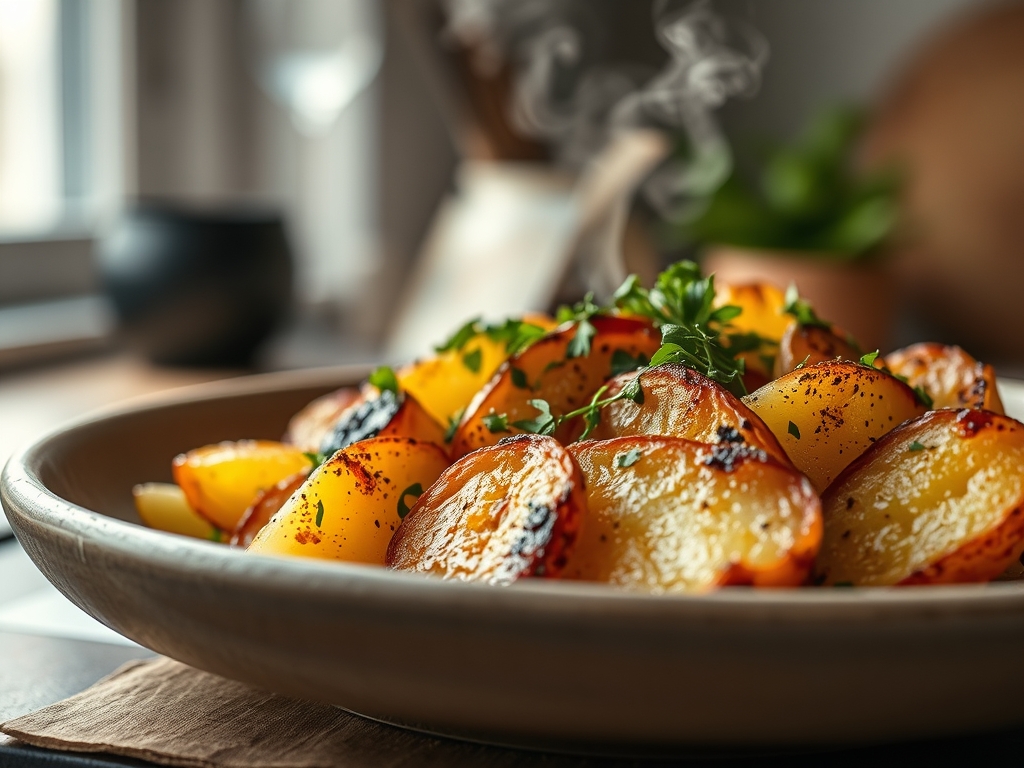
Picture the moment your fork pierces a golden crust; it offers a distinct, audible crackle that gives way to a center as soft as a cloud. We have all been disappointed by lackluster, soggy spuds that fail to deliver on their promise. Achieving the best oven potato recipes requires more than just heat; it demands a fundamental understanding of starch gelatinization and moisture evaporation. We are moving past the basic side dish and entering the realm of culinary architecture. By mastering the balance between internal hydration and external dehydration, you will transform a humble tuber into a masterpiece of texture and flavor. This guide is your technical roadmap to achieving that elusive, glass-like exterior and a pillowy, ethereal interior every single time you preheat your oven.
The Gathers:
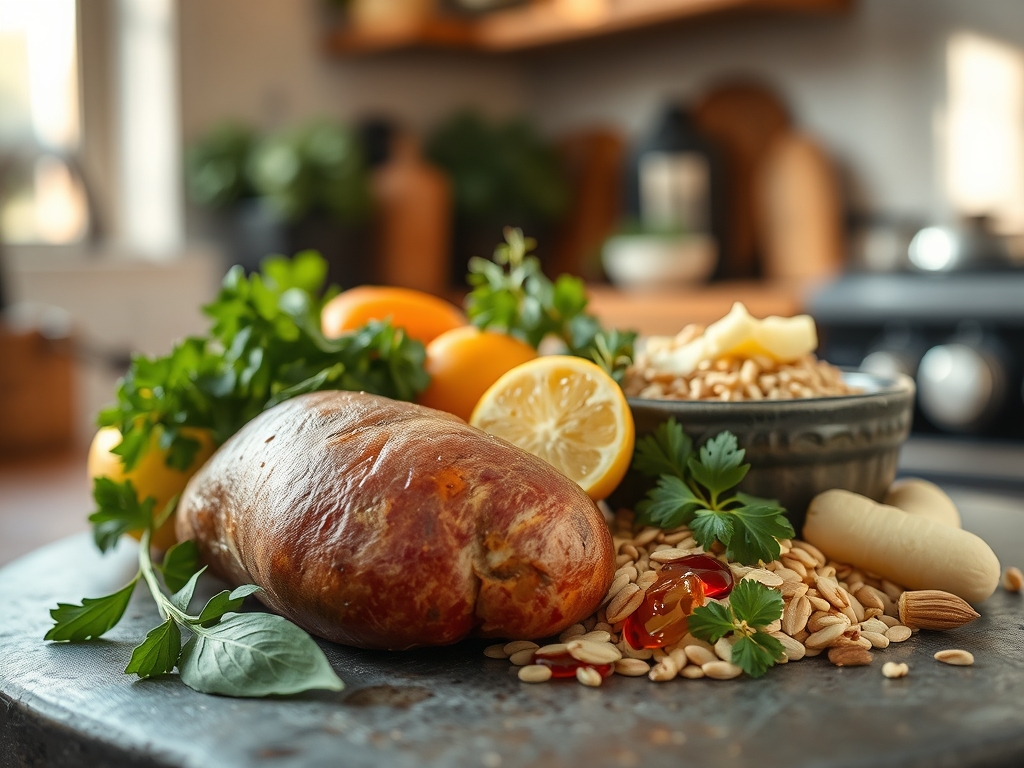
To begin, your mise-en-place must be precise. Start with high-starch Russets or buttery Yukon Golds; avoid waxy red potatoes for roasting as their high moisture content prevents a crisp finish. You will need high-quality fats with elevated smoke points such as clarified butter, duck fat, or a refined avocado oil. These fats render beautifully under high heat without scorching. Your seasoning kit should include flaky Maldon salt for texture, freshly cracked peppercorns for a piquant bite, and aromatics like rosemary or thyme to infuse the oil during the final stages of roasting.
Smart Substitutions: If you are seeking a plant-based alternative to duck fat, use a high-quality extra virgin olive oil but lower your oven temperature by twenty degrees to prevent acrid smoke. For a nutritional boost, swap half of your salt for nutritional yeast; it provides a savory, umami-rich profile that mimics the depth of aged parmesan. If Russets are unavailable, Maris Piper potatoes are the gold standard for achieving a viscous, starchy exterior that crisps into a thick shell.
The Clock:
Efficiency in the kitchen is dictated by the Chef's Flow. This process is not a sprint; it is a timed sequence of thermal transitions. Expect a total time of approximately seventy-five minutes. Your active preparation takes fifteen minutes, involving the peeling and precise cubing of the tubers. The initial parboil requires ten minutes of intense bubbling. The final roasting phase spans forty-five to fifty minutes, depending on the calibration of your oven. This duration allows for the full Maillard reaction to occur, ensuring the natural sugars in the potato caramelize into a deep, mahogany crust. Using a digital scale to ensure uniform sizing will prevent smaller pieces from burning while larger ones remain raw.
The Masterclass:
1. The Precision Cut
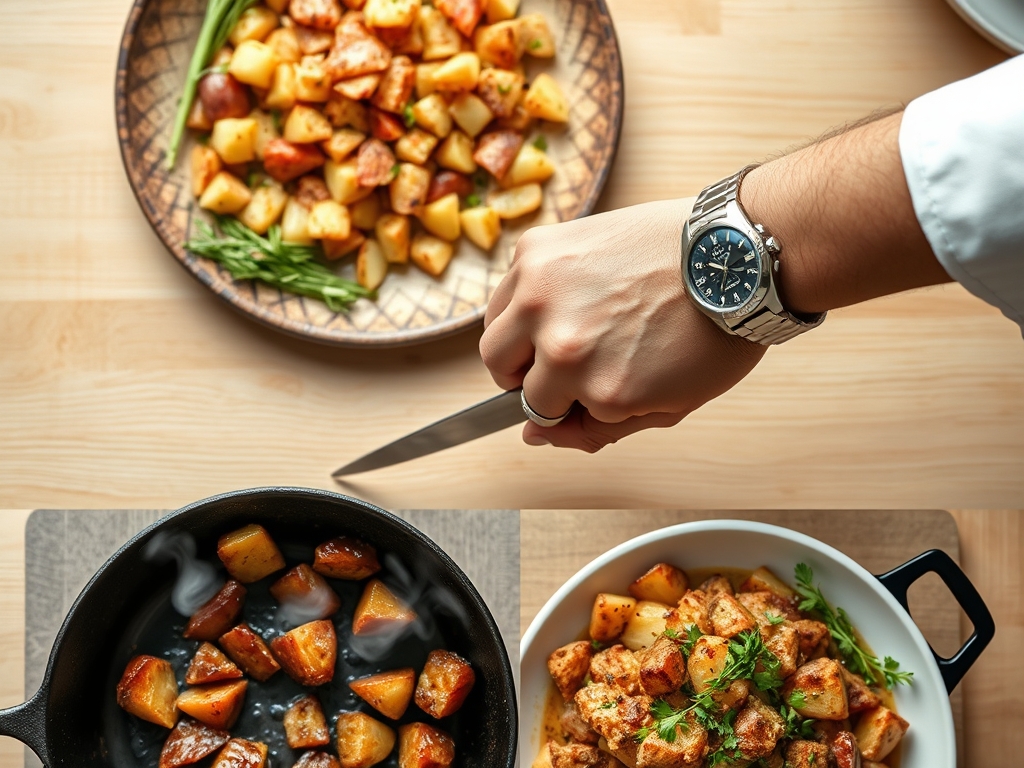
Uniformity is the foundation of even cooking. Use a sharp chef's knife or a bench scraper to portion your potatoes into one-inch cubes. Increasing the surface area is the secret to maximum crunch. By creating jagged edges rather than smooth sides, you provide more "hooks" for the fat to cling to during the roasting process.
Pro Tip: This step prevents enzymatic browning. By dropping your cut potatoes immediately into a bowl of cold, acidulated water, you stop the oxygen from reacting with the phenols in the potato, keeping the flesh bright and pristine.
2. The Alkaline Parboil
Place your potatoes in a heavy-bottomed pot of cold water. Add a half-teaspoon of baking soda. This raises the pH of the water, which breaks down the pectin on the potato's surface more effectively. Boil until the edges are soft but the core still holds its shape.
Pro Tip: This is the secret to a "fuzzy" exterior. When you drain the water, the softened starch creates a mashed-potato-like slurry on the outside of each chunk. This slurry eventually dehydrates in the oven to form the ultimate crunch.
3. The Rough Up
Drain the potatoes and let them steam-dry in the pot for two minutes. Give the pot a vigorous shake. You want the surfaces to look battered and shaggy. This increases the surface area exponentially, which is the primary driver of texture in the best oven potato recipes.
Pro Tip: Steam-drying is a form of evaporative cooling. Removing surface moisture before adding fat ensures the oil creates a seal rather than steaming the potato from the outside in.
4. The Fat Infusion
While the potatoes dry, heat your roasting pan in the oven with your chosen fat. Once the oil is shimmering, carefully add the potatoes. Use tongs to ensure every single surface is coated in a thin, even layer of hot lipid.
Pro Tip: This technique utilizes conduction. By placing the potatoes into a preheated pan, you initiate the searing process immediately, preventing the potato from absorbing excess oil and becoming greasy.
5. The High-Heat Roast
Set your oven to 425 degrees Fahrenheit. Roast for twenty minutes before your first flip. Use a metal spatula to turn the potatoes; they should release easily from the pan if the crust has properly formed. If they stick, give them five more minutes.
Pro Tip: This stage focuses on thermal carryover. Even after you remove the pan from the oven, the internal temperature continues to rise. Pulling them at the peak of golden-brown ensures they reach perfection by the time they hit the plate.
6. The Aromatic Finish
In the final ten minutes, add smashed garlic cloves and woody herbs. Use a microplane to zest a hint of lemon over the top for a bright, acidic counterpoint to the heavy fats. This adds a layer of complexity that distinguishes professional results from home cooking.
Pro Tip: Adding aromatics too early causes them to burn and turn bitter. By waiting until the end, you infuse the oil with essential oils without destroying the delicate flavor compounds.
7. The Final Aeration
Once removed from the oven, transfer the potatoes to a wire rack or a paper-lined bowl immediately. Do not let them sit in the residual oil on the hot pan, or they will reabsorb the fat and lose their structural integrity.
Pro Tip: This step allows the potatoes to aerate. Air circulation prevents steam from trapped underneath the potatoes from softening the bottom crust, preserving that "glass-like" shatter.
The Deep Dive:
Macro Nutrition: A standard serving of these potatoes provides roughly 250 calories, 4 grams of protein, and 35 grams of complex carbohydrates. While the fat content varies based on your oil choice, the potassium levels remain high, supporting muscle function and electrolyte balance.
Dietary Swaps: For a Keto alternative, apply these same roasting techniques to cauliflower florets or radishes; though the starch content is lower, the alkaline parboil still helps create a browned exterior. For Vegan preparations, use refined coconut oil for a rich mouthfeel without the dairy.
The Fix-It:
- Soggy Potatoes: Your oven temp was too low or the pan was overcrowded. Ensure at least an inch of space between each potato.
- Burnt Garlic: You added the aromatics too early. Always wait for the final ten minutes.
- Acrid Taste: Your oil hit its smoke point. Switch to avocado oil or ghee for higher heat tolerance.
Meal Prep: To reheat, avoid the microwave at all costs; it turns the starch into a gummy mess. Instead, use an air fryer or a saucier over medium heat to re-crisp the exterior. The science of retrogradation means the starches will actually be firmer and more stable on day two.
The Wrap-Up:
Mastering the best oven potato recipes is a rite of passage for any serious home cook. It is a dance of chemistry where pH levels, surface area, and thermal transitions collide to create the perfect bite. By respecting the parboil and choosing the right fats, you elevate a simple root vegetable into a sophisticated culinary highlight. Now, grab your digital scale and your favorite roasting pan; it is time to turn these scientific principles into a delicious reality that will leave your guests begging for your secrets.
The Kitchen Table:
Why do my roasted potatoes turn out soft?
Softness usually results from overcrowding the pan or skipping the steam-drying step. When potatoes are too close, they release steam that "boils" their neighbors. Ensure each piece has breathing room to allow moisture to escape and the crust to dehydrate.
Is it necessary to peel the potatoes first?
Peeling is essential for the "shaggy" starch method. While skins offer nutrients, they act as a barrier that prevents the alkaline water from roughening the starch. For maximum crunch, remove the skins to expose the interior cells to the heat.
Can I use cold water to start the boil?
Always start potatoes in cold water. This ensures the interior and exterior heat up at the same rate. If you drop them into boiling water, the outside will disintegrate into mush before the center is even remotely cooked through.
What is the best oil for roasting potatoes?
Duck fat or beef tallow provides the best flavor and crunch due to their saturated fat content. For high-heat stability without animal products, avocado oil is the superior choice because it has a smoke point well above 500 degrees Fahrenheit.