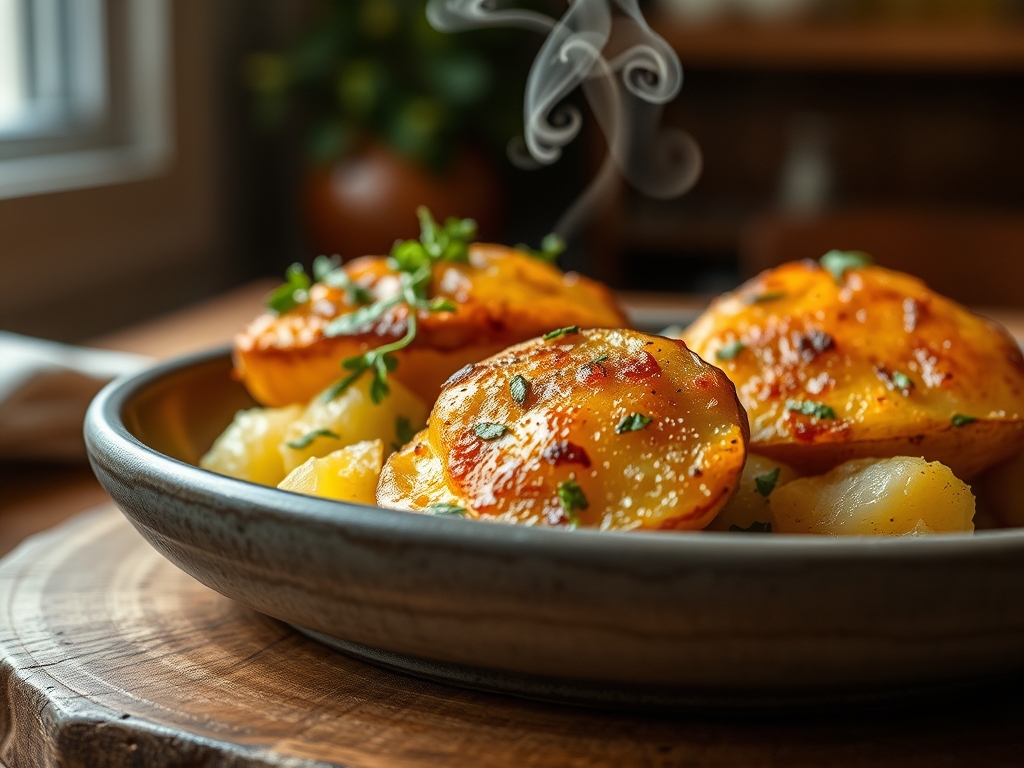
Picture a crisp autumn evening where the air is sharp and your kitchen is filled with the scent of bubbling heavy cream and sharp cheddar. We are not just making a side dish; we are engineering a masterpiece of comfort. When you search for delmonico potato recipes, you are looking for that specific, legendary intersection of a silky gratin and a rustic hash brown. This dish originated at the famed Delmonico's in New York, and it remains the gold standard for potato indulgence. It is a study in textures: a golden, shattered-glass crust giving way to a velvet interior that clings to your fork.
The secret to mastering this classic is understanding that we are managing moisture and starch. This is not a casual toss-and-bake situation. We are going to manipulate the amylose and amylopectin within the tubers to create a sauce that is thick, stable, and incredibly decadent. By the time we are finished, you will possess the technical prowess to turn a humble root vegetable into a centerpiece that rivals the finest steakhouse offerings. Let us get our stations ready.
The Gathers:
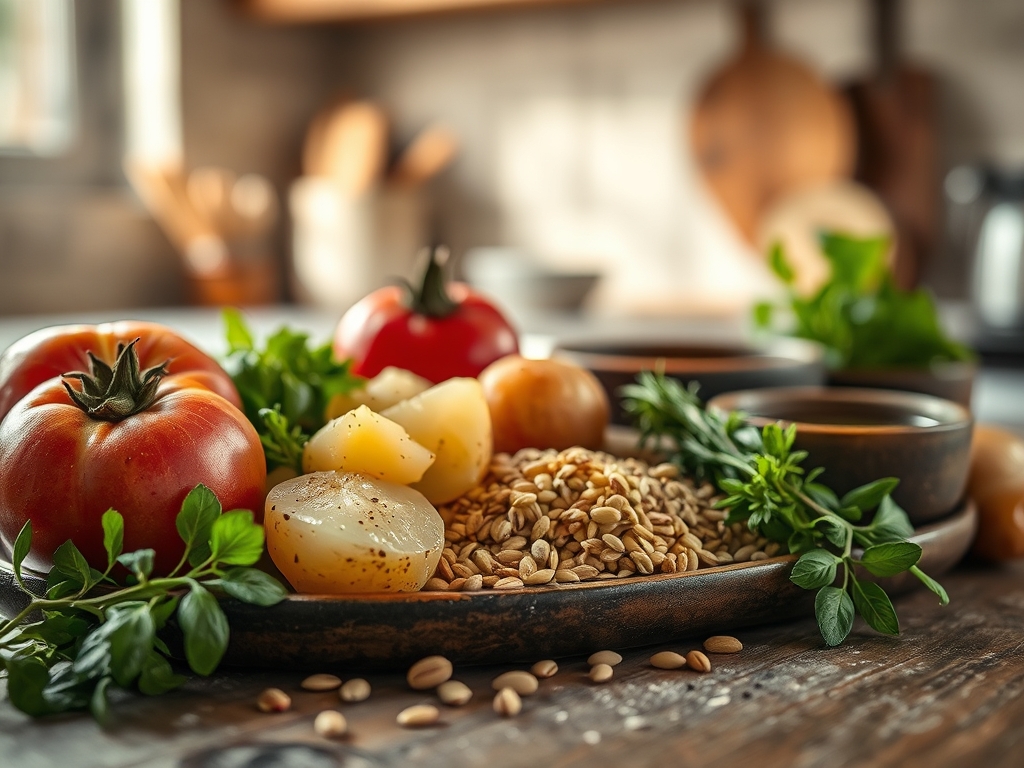
To begin, grab your digital scale. Precision is the difference between a greasy mess and a perfect emulsion. You will need 2.5 pounds of Yukon Gold potatoes. These are non-negotiable because their medium starch content provides a creamy mouthfeel without disintegrating like a Russet might. For the dairy, gather 2 cups of heavy cream and 4 tablespoons of high-quality European butter. The higher fat content in European butter ensures a more viscous sauce.
Your aromatics are equally vital. You need one medium shallot, finely minced with a sharp chef knife, and two cloves of garlic. For the cheese, reach for an aged sharp white cheddar. Use a microplane to grate it yourself; pre-shredded bags contain cellulose that prevents a smooth melt. Finally, grab a pinch of freshly grated nutmeg to infuse the cream with a subtle, earthy warmth.
Smart Substitutions:
If you need to pivot, you can swap the shallots for the white parts of leeks for a more delicate, floral profile. If you find yourself without Yukon Golds, Red Bliss potatoes work in a pinch, though they will yield a firmer bite. For a piquant kick, replace half of the cheddar with Gruyere to introduce a nutty, alpine complexity that cuts through the richness of the heavy cream.
The Clock:
Efficiency in the kitchen is all about the Chef's Flow. Expect about 20 minutes of active prep time. This includes peeling, cubing, and grating. The cook time sits at approximately 45 minutes, but you must account for a 10-minute rest period. This rest is not optional; it allows the starches to set, ensuring your portion looks like a clean slice rather than a puddle. Total time from pantry to table is roughly 75 minutes. Use the baking time to deglaze your pans from the main course or to prepare a crisp, acidic green salad to balance the fats.
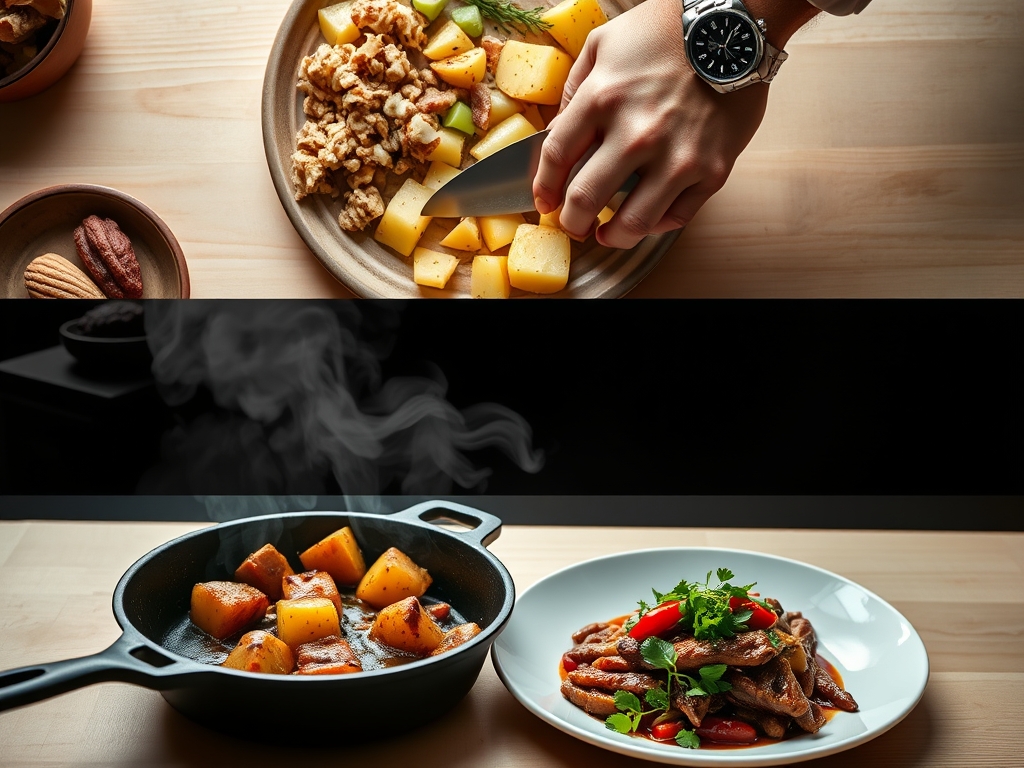
The Masterclass:
1. The Precision Cube
Start by peeling your potatoes and dicing them into uniform half-inch cubes. Use a bench scraper to move them into a bowl of cold water immediately. This prevents enzymatic browning, which occurs when polyphenol oxidase reacts with oxygen.
Pro Tip: Soaking the cubes removes excess surface starch. This ensures the potatoes stay distinct and do not turn into a gummy mash during the baking process.
2. The Par-Blanch
Bring a large pot of salted water to a boil. Drop the cubes in for exactly five minutes. You are looking for a "fork-tender" exterior while the core remains slightly firm. Drain them thoroughly and let them air dry on a baking sheet.
Pro Tip: This step initiates the gelatinization of the internal starches, ensuring the potatoes finish cooking at the exact moment the cream sauce reaches its peak thickness.
3. The Aromatic Infusion
In a saucier or heavy-bottomed skillet, melt your butter over medium-low heat. Add the shallots and garlic, sautéing until translucent. Do not let them brown. Pour in the heavy cream and the nutmeg, bringing it to a bare simmer.
Pro Tip: Infusing the cream before it hits the oven ensures the flavor is distributed evenly throughout the dish, preventing "hot spots" of raw garlic flavor.
4. The Emulsion Build
Slowly whisk half of your grated cheese into the warm cream. Use a gentle, circular motion to create a stable emulsion. Once the cheese is fully incorporated and the sauce is glossy, remove it from the heat.
Pro Tip: Adding cheese to a simmering liquid requires temperature control. If the cream is too hot, the cheese proteins will clump and the fats will separate, resulting in a grainy texture.
5. The Fold
Place your par-cooked potatoes into a large mixing bowl. Pour the cheese sauce over them and use a wide silicone spatula to gently fold the mixture. You want every cube coated in that viscous liquid without breaking the potato edges.
Pro Tip: Gentle folding preserves the structural integrity of the potato. This creates the "nooks and crannies" that hold extra sauce and create texture.
6. The Assembly
Butter a 9×13 ceramic baking dish. Transfer the potato mixture into the dish, smoothing the top with your spatula. Sprinkle the remaining cheese evenly across the surface. Refer to the golden-brown highlights in the step-by-step photos below for the ideal coverage.
Pro Tip: A ceramic dish provides superior heat retention and even distribution compared to metal, which helps prevent the bottom from scorching before the top is browned.
7. The Maillard Bake
Slide the dish into a preheated 400 degree Fahrenheit oven. Bake for 20 to 25 minutes. You are looking for the edges to bubble vigorously and the cheese on top to develop deep brown spots.
Pro Tip: This browning is the Maillard reaction, a chemical reaction between amino acids and reducing sugars that creates hundreds of different flavor compounds.
8. The Finishing Touch
Switch the oven to broil for the final 2 minutes. Watch it like a hawk. You want a shattered-glass crust that provides a tactile contrast to the soft interior. Remove from the oven when the top is deeply caramelized.
Pro Tip: High-intensity infrared heat from the broiler quickly dehydrates the top layer of cheese, intensifying the savory "umami" notes of the cheddar.
9. The Critical Rest
Place the dish on a wire rack and let it sit for at least 10 minutes. This allows for thermal carryover, where the internal temperature continues to rise slightly, finishing the cooking process without drying out the sauce.
Pro Tip: As the dish cools slightly, the starches and fats bond, creating a cohesive structure that makes the potatoes easy to serve and incredibly creamy.
The Deep Dive:
When we look at the macro nutrition, this dish is a powerhouse of energy. A standard serving contains approximately 350 calories, with a significant portion coming from healthy fats and complex carbohydrates. It is a high-satiety food, meaning it keeps you full for longer.
Dietary Swaps:
For a Vegan version, utilize a high-fat cashew cream and nutritional yeast or a vegan meltable cheese. For Keto followers, swap the potatoes for steamed cauliflower florets; the sauce remains the same. This recipe is naturally Gluten-Free, provided your spices and cheese are processed in a GF facility.
The Fix-It:
- Broken Sauce: If you see oil pooling on top, the heat was too high. Fix it by stirring in a tablespoon of cold heavy cream before serving to re-emulsify the fats.
- Crunchy Potatoes: If the potatoes are still hard, cover the dish with foil and bake for another 10 minutes to trap steam.
- Bland Flavor: If it tastes flat, add a squeeze of lemon juice or a dash of cayenne. Acid and heat brighten the heavy fats.
Meal Prep:
To reheat while maintaining "day-one" quality, avoid the microwave. Place a portion in a small oven-safe dish, add a splash of milk, and cover with foil. Heat at 350 degrees until bubbling. This prevents the fats from separating and keeps the potatoes moist.
The Wrap-Up:
There you have it! You have officially graduated from basic spuds to a Delmonico potato recipes master. By understanding the chemistry of starch and the physics of heat, you have created a dish that is far more than the sum of its parts. This is the ultimate "hug in a bowl" that will make you the hero of every holiday dinner and Sunday brunch. Now, grab your favorite serving spoon and get ready for the compliments to roll in.
The Kitchen Table:
Can I make Delmonico potatoes ahead of time?
Yes. Assemble the dish through the folding step and refrigerate. When ready to eat, top with cheese and bake. Increase the bake time by 10 minutes to account for the cold starting temperature of the ceramic dish.
What is the best potato for this recipe?
Yukon Gold potatoes are the superior choice. Their natural buttery flavor and medium starch content create a creamy texture that holds its shape. Russets are too floury and may disintegrate into a mushy consistency during the long bake.
Why did my cheese sauce turn out grainy?
Graininess usually happens if the heat is too high when adding the cheese. High heat causes the proteins in the cheese to tighten and squeeze out the fat. Always melt your cheese over low, gentle heat for a silky finish.
Can I use half-and-half instead of heavy cream?
You can, but the sauce will be thinner. Heavy cream has a higher fat content which creates a more stable emulsion. If using half-and-half, you might need to add a teaspoon of cornstarch to help the sauce thicken properly.