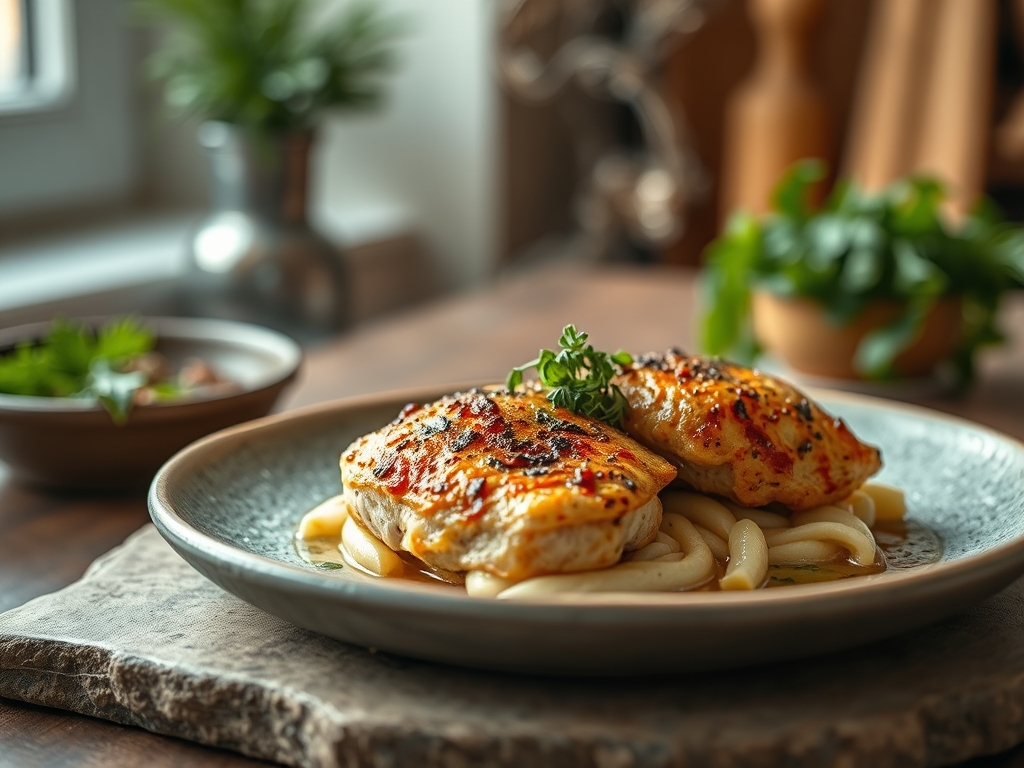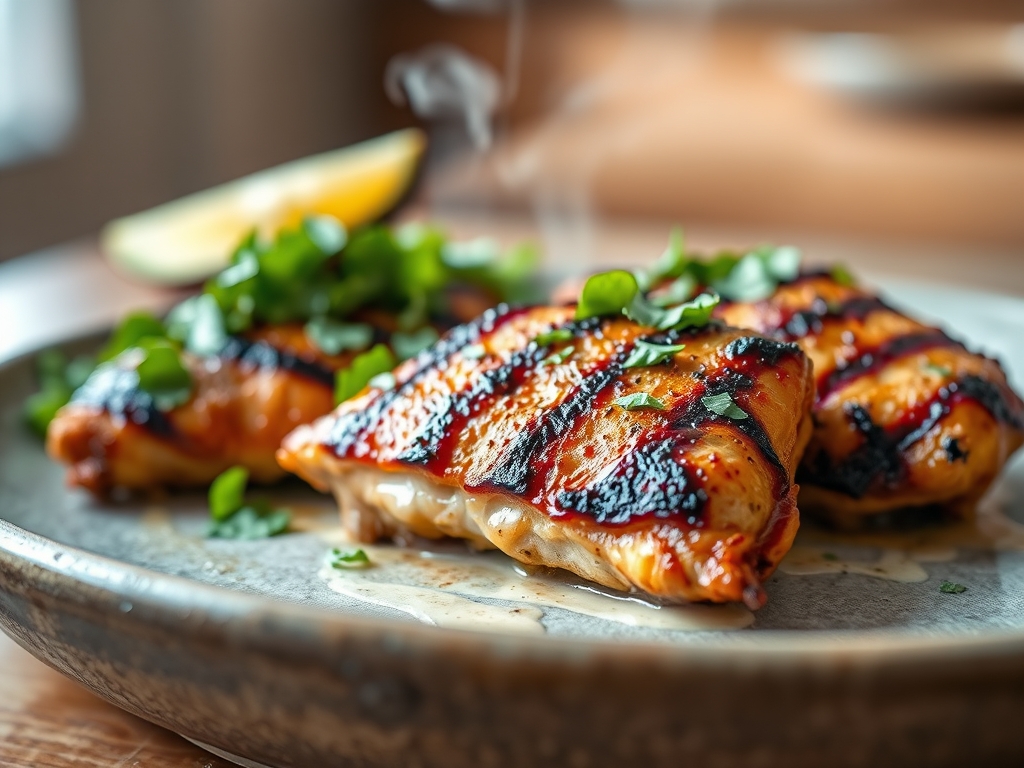
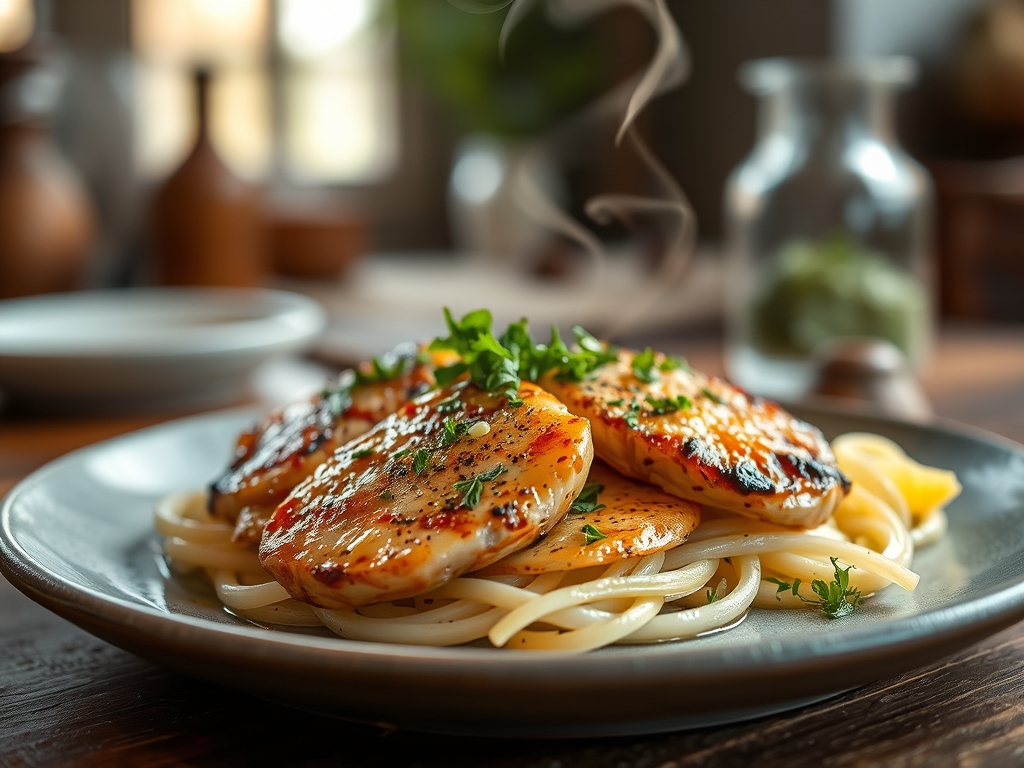
Imagine a heavy-bottomed skillet hissing on the stove as the scent of anise meets the savory perfume of golden poultry. It is a sensory collision that defines the best fennel and chicken recipes. We are moving beyond the basic roast; we are mastering the art of the aromatic bulb and the versatile bird.
The magic happens when the crunchy, raw structure of fennel meets the heat. As the chicken thighs render their fat, the fennel absorbs that liquid gold; it transforms from a sharp, licorice-forward crunch into a buttery, caramelized sweetness. This is not just cooking. This is a chemical marriage of sugars and proteins. Whether you are craving a bright Mediterranean braise or a crisp, shaved salad topped with seared cutlets, these fennel and chicken recipes provide a masterclass in balance. We are talking about high-contrast flavors: the piquant bite of citrus, the earthy depth of rosemary, and the silky texture of a well-executed pan sauce. Grab your apron. We are about to elevate your weeknight rotation into something truly sophisticated.
The Gathers:
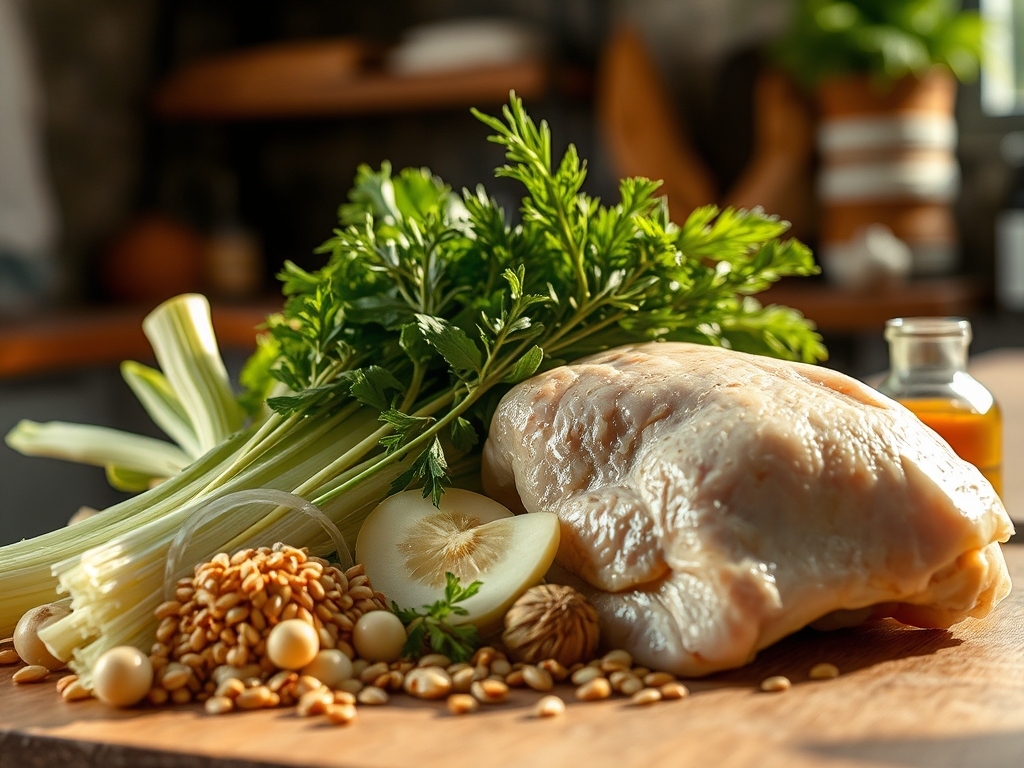
Before we ignite the burners, we must curate our mise-en-place with precision. Start with the fennel. Look for bulbs that are heavy for their size; this indicates high water content and crisp cellular structure. The fronds should be vibrant green, not wilted. For the chicken, air-dried skins are superior because moisture is the enemy of the Maillard reaction. Using a digital scale to ensure your portions are uniform will guarantee even cooking across the board.
The Essential Elements:
- The Protein: 2 lbs of bone-in, skin-on chicken thighs. The bone acts as a thermal conductor, keeping the internal meat succulent.
- The Aromatics: Two large fennel bulbs, thinly sliced. Use a mandoline for paper-thin precision to ensure the cell walls break down at the same rate.
- The Deglazer: A dry white wine like Sauvignon Blanc. The acidity is vital to cut through the viscous chicken fat.
- The Fat: High-smoke point avocado oil for the initial sear, followed by cold unsalted butter to emulsify the final sauce.
- The Brightness: Fresh lemon zest and juice. Citric acid acts as a flavor bridge between the anise and the savory poultry.
Smart Substitutions:
If fennel is out of season, celery heart provides a similar structural crunch, though you will lose the anise profile. You can mimic that flavor by adding a teaspoon of toasted fennel seeds crushed in a mortar and pestle. For a vegan twist on the base, replace chicken with thick slabs of cauliflower "steaks" that have been brined in salt water to mimic the density of poultry.
The Clock
Efficiency in the kitchen is about "Chef's Flow." This means overlapping tasks so there is never dead air. Your total active time for these fennel and chicken recipes is approximately 20 minutes, with a 30-minute passive braise or roast time.
Start by prepping your aromatics while the skillet preheats. This is the "Heat Lag" phase. By the time your fennel is sliced, your oil should be shimmering. While the chicken renders, you can zest your citrus and chop herbs. This prevents the frantic "chopping while burning" scenario that ruins delicate oils. Total time from fridge to table is 50 minutes.
The Masterclass
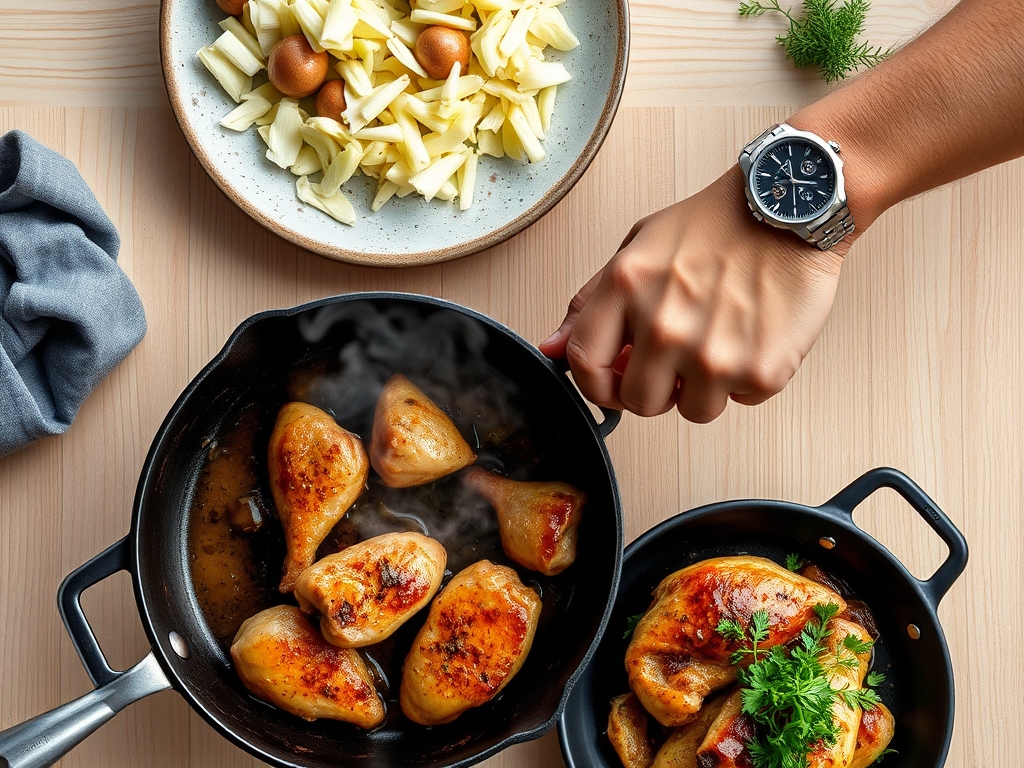
1. The Sear and Render
Place your chicken skin-side down in a cold, heavy-bottomed skillet before turning the heat to medium-high. This "cold start" method allows the subcutaneous fat to render slowly, resulting in a glass-like crispness rather than a rubbery texture. Use your tongs to press the meat down for maximum surface contact.
Pro Tip: This stage utilizes the Maillard Reaction, a chemical reaction between amino acids and reducing sugars that creates hundreds of different flavor compounds. If the meat resists when you try to flip it, the proteins have not yet finished bonding; wait for it to release naturally.
2. The Aromatic Infusion
Remove the chicken and set it aside on a wire rack. In the same pan, toss in your sliced fennel and a pinch of kosher salt. The salt draws out moisture via osmosis, allowing the fennel to soften in the rendered chicken fat. Use a wooden spoon to scrape up the "fond" (those little brown bits) at the bottom of the pan.
Pro Tip: Fennel contains high levels of anethole, an organic compound that is fat-soluble. By sautéing the fennel directly in the chicken fat, you are infusing the entire dish with a deep, mellowed licorice essence that water-based liquids cannot carry.
3. Deglazing and Emulsification
Once the fennel is translucent and golden, pour in your white wine. The liquid will bubble violently; this is the steam lifting the remaining flavor compounds off the pan. Reduce the liquid by half to concentrate the sugars, then stir in a knob of cold butter.
Pro Tip: This creates a temporary emulsion. The proteins in the butter bind with the wine and fat to create a silky, glossy sauce. Using cold butter is essential; if the butter is warm, the milk solids will separate, leaving you with a greasy puddle instead of a luxe glaze.
4. The Final Braise
Nestle the chicken back into the pan, keeping the crispy skin above the liquid line. Transfer the skillet to a 400-degree oven. This dual-zone cooking ensures the dark meat reaches an internal temperature of 175 degrees Fahrenheit, which is the sweet spot for breaking down connective collagen into gelatin.
Pro Tip: Always account for thermal carryover. The internal temperature of the chicken will rise by 5 to 10 degrees after you remove it from the heat. Pulling the bird at 170 degrees ensures it reaches the perfect 175-degree mark while resting.
The Deep Dive
Macro Nutrition:
A standard serving of these fennel and chicken recipes provides roughly 35g of protein and 12g of healthy fats. Fennel is a powerhouse of Vitamin C and potassium, while the chicken offers essential B-vitamins. To keep this keto-friendly, ensure your wine is bone-dry. For a gluten-free version, this recipe is naturally compliant as we are using reduction rather than flour-based thickeners.
The Fix-It:
- Soggy Skin: This happens if you crowd the pan. Steam gets trapped between the pieces. Fix: Sear in batches to allow moisture to escape.
- Bitter Fennel: Older bulbs can be tough. Fix: Remove the woody core entirely before slicing and add a teaspoon of honey to the sauce to balance the bitterness.
- Broken Sauce: If your sauce looks oily, it has "split." Fix: Whisk in a tablespoon of heavy cream or a splash of water over low heat to re-emulsify the fats.
Meal Prep Science:
When reheating, avoid the microwave; it agitates water molecules and turns chicken "rubbery." Instead, place the leftovers in a covered pan with a splash of chicken stock. This creates a steam-chamber that rehydrates the fibers without overcooking the proteins.
The Wrap-Up
Mastering fennel and chicken recipes is a gateway to becoming a more intuitive cook. You are learning to balance the heavy, savory notes of poultry with the light, ethereal qualities of anise and citrus. It is a dish that feels like a French bistro but works on a Tuesday night. The next time you see those feathery fronds at the market, don't walk by. Grab them, get your skillet screaming hot, and create something that smells as good as it tastes.
The Kitchen Table
Can I eat the fennel fronds?
Yes! The fronds are highly aromatic herbs. Use them like dill or parsley to garnish your fennel and chicken recipes. They add a fresh, concentrated anise punch and a beautiful visual texture to the finished plate.
What is the best way to cut fennel?
Trim the stalks, halve the bulb vertically, and remove the triangular core at the base. Slice thinly across the grain or use a mandoline. Keeping the slices uniform ensures they caramelize at the same rate during the sauté.
Why is my chicken dry but the skin is crispy?
You likely used high heat for too long. For perfect fennel and chicken recipes, sear the skin for texture, then finish with a low-moisture braise or lower oven temp. This protects the delicate muscle fibers from seizing and drying.
Can I use chicken breasts instead of thighs?
You can, but breasts lack the fat and collagen of thighs. Reduce the oven time significantly to avoid a woody texture. Aim for an internal temperature of 165 degrees Fahrenheit and use a meat thermometer for precision.