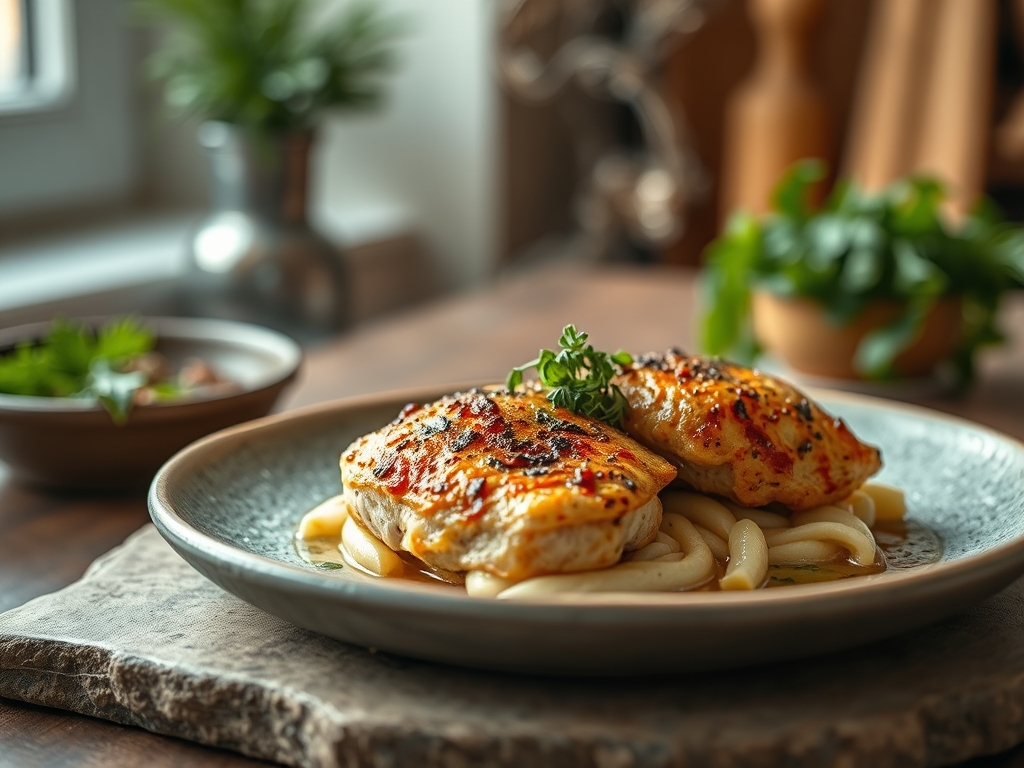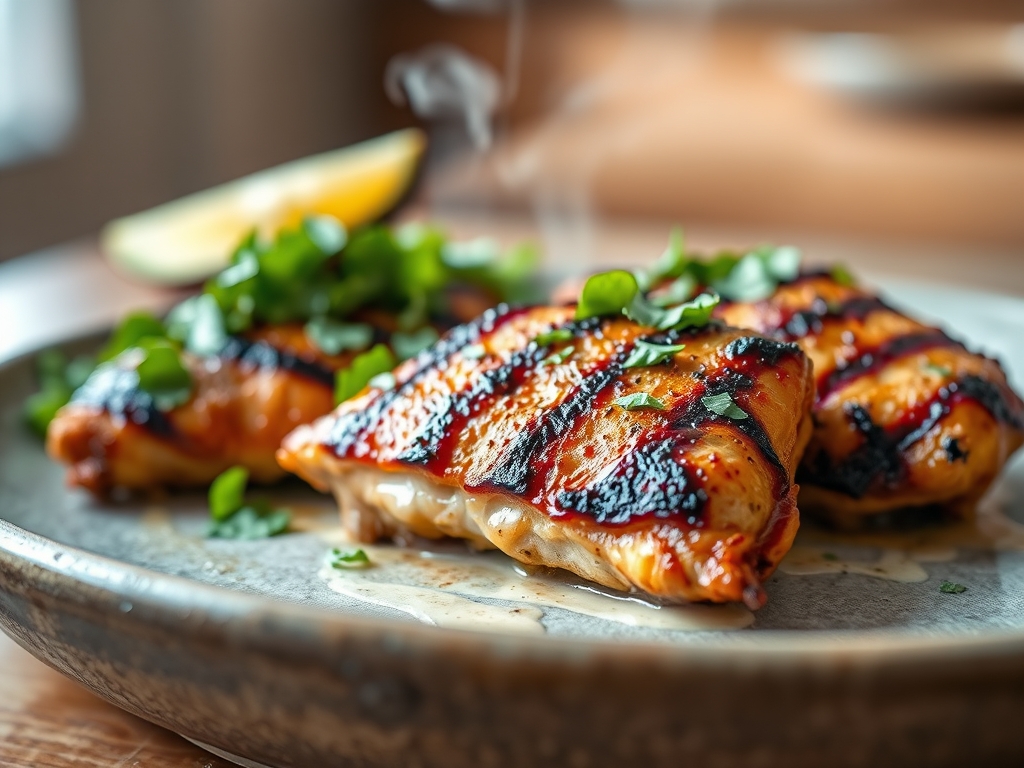
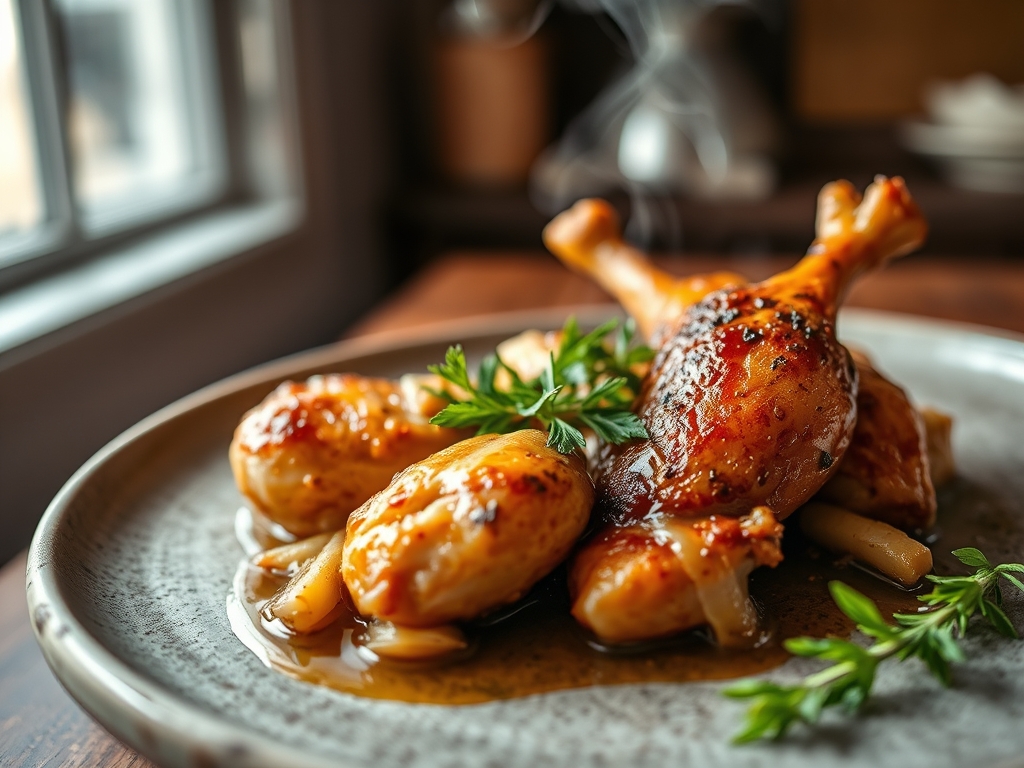
Picture the sound of cold chicken hitting a shimmering layer of hot oil in a heavy bottomed skillet; that sharp, rhythmic hiss is the sound of chemistry in motion. We are on a quest to master the most famous chicken recipes that have defined global dinner tables for generations. Whether it is the crackle of a perfectly fried skin or the velvet texture of a slow braised thigh, great chicken is never an accident. It is a calculated dance of heat, moisture, and protein structure.
In this guide, we are stripping away the mystery of these famous chicken recipes to look at the molecular magic happening under the lid. We are talking about the Maillard reaction, that beautiful browning of amino acids and sugars, and the precise moment of carryover cooking that keeps a breast from turning into a dry sponge. From the piquant zip of a lemon herb roast to the viscous, rich depths of a classic French coq au vin, we are going to build your repertoire with the precision of a scientist and the soul of a chef. Grab your apron; we are about to turn your kitchen into a high performance flavor lab.
The Gathers:
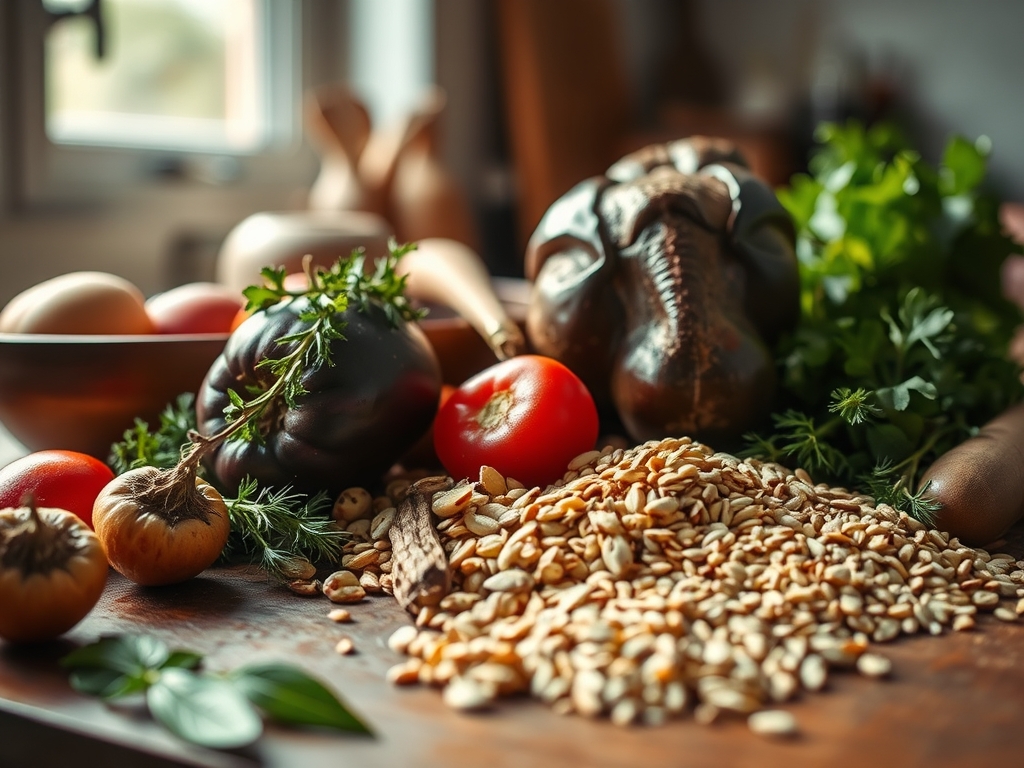
Setting up your mise-en-place is not just about organization; it is about controlling the variables of your experiment. For these famous chicken recipes, you need a diverse array of textures. Start with your aromatics: sharp garlic, translucent shallots, and the woody perfume of fresh rosemary and thyme. Use a microplane to zest citrus, which releases the essential oils trapped in the fruit's flavedo without the bitter pith. Your fats are equally vital. High smoke point oils like avocado or grapeseed are essential for searing, while high quality European butter provides the milk solids needed for basting and emulsification.
Smart Substitutions: If you are out of buttermilk for a fried chicken soak, do not panic. You can create a functional equivalent by adding a tablespoon of lemon juice to whole milk; the acid will denature the proteins just as effectively. If a recipe calls for dry white wine to deglaze, a splash of verjus or a diluted apple cider vinegar can provide that necessary acidity to cut through the fat. Always use a digital scale to measure your flour and spices; volumetric measurements are notoriously unreliable when you are trying to achieve the perfect crust.
The Clock
Time management in the kitchen is what we call "Chef's Flow." Most of these famous chicken recipes require a total time investment of 45 to 90 minutes, but the active labor is often less than half of that. The secret is overlapping your tasks. While your chicken is tempering on the counter (never cook meat straight from the fridge if you want even heat distribution), you should be prepping your vegetable base.
A standard roast chicken takes about 20 minutes of prep and 50 to 60 minutes of roasting. A braise might take 15 minutes of searing followed by 40 minutes of hands-off simmering. The "flow" means using the roasting time to clean your bench scraper and prep a side dish, ensuring that everything hits the table at the exact moment the meat has finished its mandatory ten minute rest.
The Masterclass
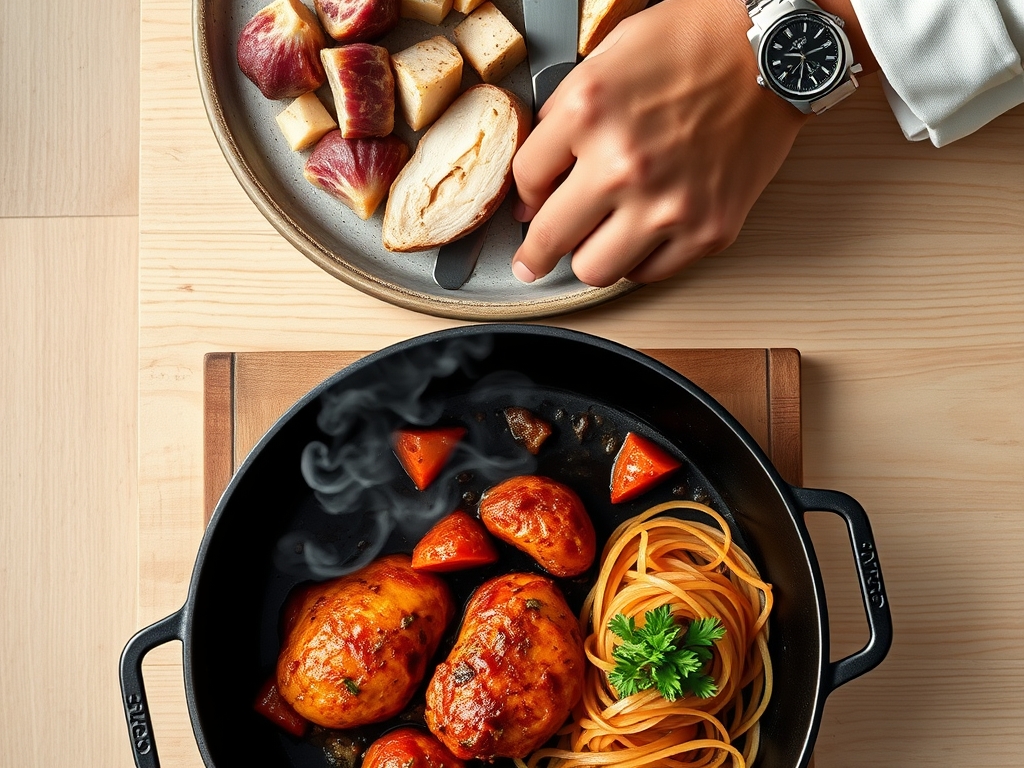
1. The Temper and Pat
Before the heat even touches the pan, remove your poultry from the packaging and pat it bone-dry with paper towels. Moisture is the enemy of the Maillard reaction; if the surface is wet, the energy of the pan goes into evaporating water rather than browning the meat. Let it sit for 20 minutes to take the chill off.
Pro Tip: This is called thermal equilibrium. Reducing the temperature gap between the meat and the pan prevents the muscle fibers from seizing up and squeezing out precious juices.
2. The High Heat Sear
Place your chicken skin side down in a preheated heavy-bottomed skillet. Do not crowd the pan, or the temperature will drop and the meat will steam. Use tongs to press the skin firmly against the metal to ensure maximum contact.
Pro Tip: This stage triggers enzymatic browning. The sugars and proteins react at 285 degrees Fahrenheit to create hundreds of new flavor compounds that give these famous chicken recipes their "meaty" depth.
3. The Deglaze and Infuse
Once the chicken is seared and removed, you will see brown bits stuck to the bottom of the pan. This is "fond." Pour in a liquid like stock or wine and use a wooden spoon to scrape it up. Add your aromatics now to infuse the liquid.
Pro Tip: This process is solvent extraction. The alcohol or water dissolves the concentrated flavors in the fond, creating a complex base for a pan sauce or braise.
4. The Gentle Finish
Return the chicken to the pan or move it to the oven. Use a digital thermometer to track the internal temperature. For breasts, aim for 160 degrees; for thighs, 175 degrees allows the connective tissue to fully break down.
Pro Tip: This is the collagen conversion phase. In dark meat, tough collagen turns into silky gelatin at higher temperatures, which is why thighs stay succulent even when "overcooked" by white meat standards.
5. The Rest and Carryover
Move the chicken to a warm plate and wait. Do not cut into it immediately. The internal temperature will continue to rise by about 5 degrees while the meat sits.
Pro Tip: This is thermal carryover. Resting allows the agitated muscle fibers to relax and reabsorb the internal moisture, ensuring the juice stays in the meat rather than running out onto the cutting board.
The Deep Dive
From a nutritional standpoint, chicken is a lean protein powerhouse, but the "famous" part of these recipes often comes from the balance of fats. A standard four ounce serving of roasted chicken provides roughly 30 grams of protein. To keep things Keto or Low Carb, swap out flour dredges for almond meal or crushed pork rinds. For a Vegan twist, the same flavor profiles (lemon, garlic, rosemary) work beautifully on roasted cauliflower steaks or thick slices of seared tofu.
The Fix-It:
- Rubbery Skin: This happens when the heat is too low. Fix it by finishing the chicken under a broiler for 60 seconds.
- Dry Breast Meat: You likely missed the carryover window. Next time, pull the meat at 155 degrees and let it rest up to 165.
- Broken Sauce: If your pan sauce separates, whisk in a tablespoon of cold water or a knob of cold butter (mounting with butter) to re-emulsify the fats.
Meal Prep Science: To reheat chicken without that "leftover" taste, avoid the microwave. The microwave vibrates water molecules too fast, toughening the protein. Instead, use a low oven (300 degrees) with a splash of stock covered in foil to create a steam chamber that restores moisture.
The Wrap-Up
Mastering famous chicken recipes is about more than just following a list of ingredients; it is about understanding how heat interacts with protein. Once you grasp the mechanics of the sear, the importance of the rest, and the power of a good deglaze, you can cook any bird with total confidence. You are no longer just a cook; you are a flavor architect. Go forth and make something unforgettable.
The Kitchen Table
Why is my chicken always dry?
Dryness usually results from overcooking or failing to let the meat rest. Use a digital thermometer to pull white meat at 160 degrees Fahrenheit. Resting allows fibers to reabsorb moisture, keeping the interior succulent and tender.
Can I use chicken breast instead of thighs?
Yes, but adjust your timing. Breasts cook faster and have less fat, making them prone to drying out. Thighs are more forgiving due to higher fat and collagen content, which keeps them moist during high heat or long braises.
How do I get extra crispy skin?
The secret is total dehydration. Salt the skin and leave the chicken uncovered in the fridge overnight. This air drying process ensures the skin fries instantly in the pan rather than steaming, resulting in a glass like shatter.
What is the best pan for cooking chicken?
A heavy bottomed stainless steel or cast iron skillet is best. These materials retain heat efficiently, ensuring a consistent sear and even browning without the hot spots found in thinner, cheaper aluminum pans.