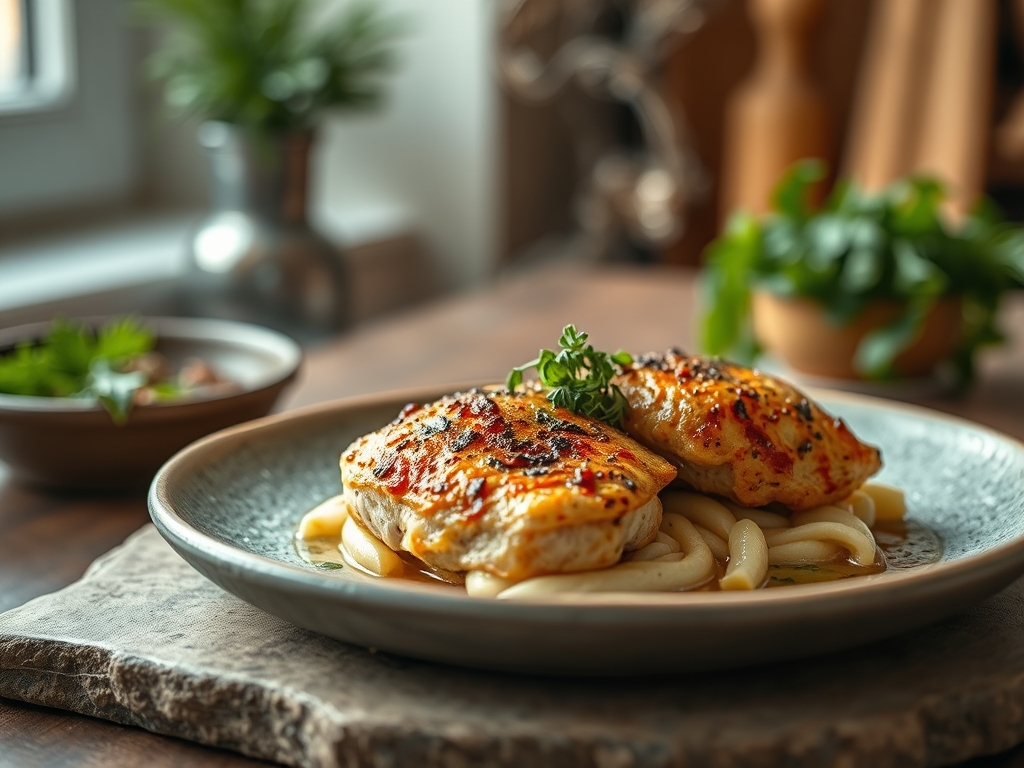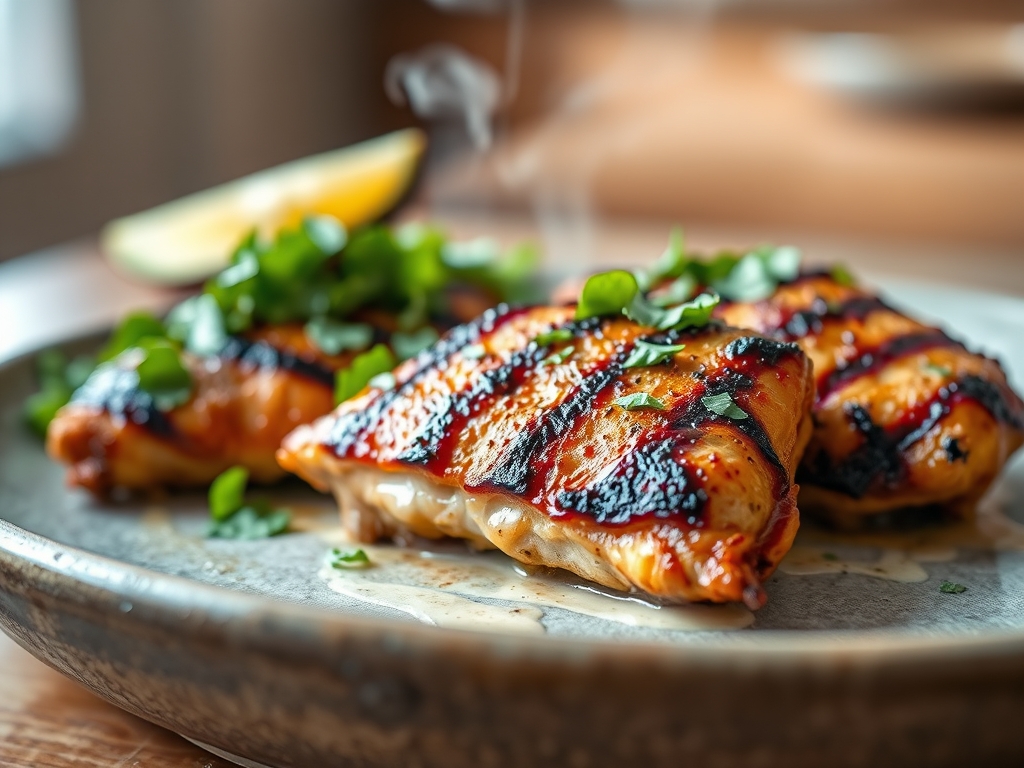
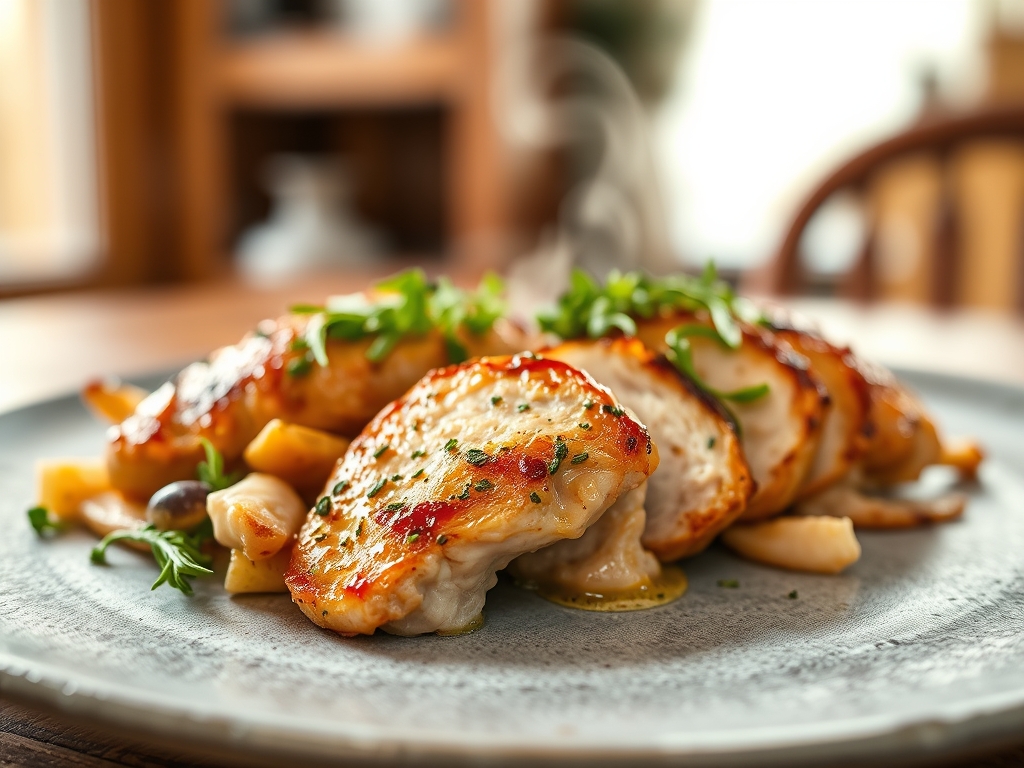
Imagine the hiss of a heavy bottomed skillet meeting cold-pressed olive oil; it is the sound of a culinary blank canvas waiting for your signature. When you master versatile turkey chicken recipes, you are not just cooking dinner; you are conducting a symphony of high quality proteins and vibrant aromatics. These birds are the workhorses of the kitchen, offering a lean profile that absorbs spices like a sponge. Whether you are searing a breast to golden perfection or slow braising a thigh until the connective tissue melts into silk, the goal is always the same: maximum flavor with zero nutritional compromise. We are moving beyond the dry, uninspired poultry of the past and stepping into a world where moisture retention and bold seasoning reign supreme.
The secret to elevated turkey chicken recipes lies in the nuance of the bird itself. Chicken offers a mild, buttery canvas, while turkey provides a deeper, almost gamey complexity that stands up to aggressive spices. By understanding the molecular structure of these meats, you can transform a simple weekday meal into a gourmet experience. We are talking about crisp skin that shatters like glass and meat so tender it barely requires a knife. Grab your apron and your sharpest chef knife; we are about to turn your kitchen into the hottest bistro in town.
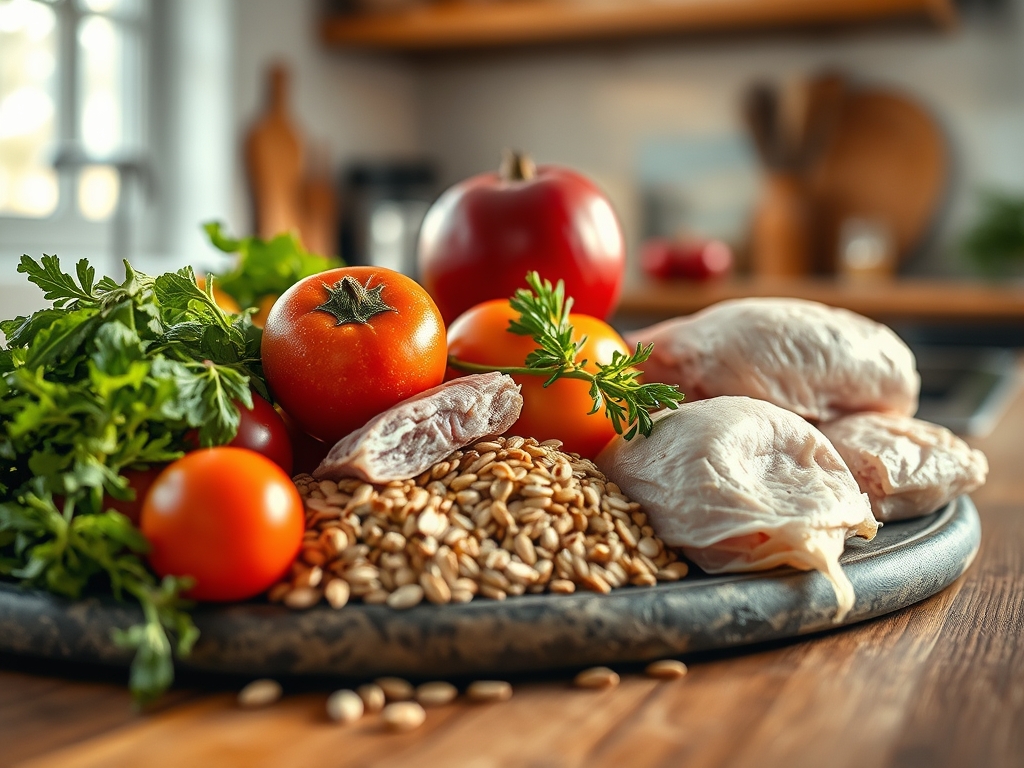
The Gathers:
Your mise-en-place is the foundation of every successful dish. For these turkey chicken recipes, we begin with the protein. Always look for air-chilled poultry; this ensures the meat hasn't absorbed excess water, which prevents a proper sear. You will need a digital scale to ensure precise portioning and a microplane for zesting citrus and grating fresh aromatics like ginger and garlic. The aromatics are your "flavor base," consisting of the classic mirepoix (onions, carrots, and celery) or the holy trinity (onions, bell peppers, and celery) depending on the regional profile of the recipe.
Smart Substitutions are the hallmark of a clever cook. If a recipe calls for heavy cream to create a viscous sauce, try a cashew cream or a dollop of Greek yogurt to maintain that luxurious mouthfeel without the saturated fat. Swap refined table salt for flaky sea salt or kosher salt to control the salinity levels more precisely. If you find yourself out of fresh herbs, remember the 1:3 ratio; use one teaspoon of dried herbs for every three teaspoons of fresh. This is because the drying process concentrates the volatile oils, making the dried version much more potent.
The Clock
Efficiency in the kitchen is about "Chef's Flow," which is the art of overlapping tasks to minimize downtime. Most of these turkey chicken recipes require about 15 to 20 minutes of active prep time and 20 to 30 minutes of thermal application. The key is to utilize your "dead time." While your skillet is preheating or your water is coming to a boil, use your bench scraper to clear your workspace or prep your garnish.
A standard poultry breast takes approximately 6 to 8 minutes per side over medium-high heat to reach an internal temperature of 165 degrees Fahrenheit. However, always factor in a 5 to 10 minute resting period. During this time, the muscle fibers relax and reabsorb the juices that were pushed to the center during cooking. If you cut into the meat too soon, those precious juices will end up on your cutting board rather than in your mouth.
The Masterclass
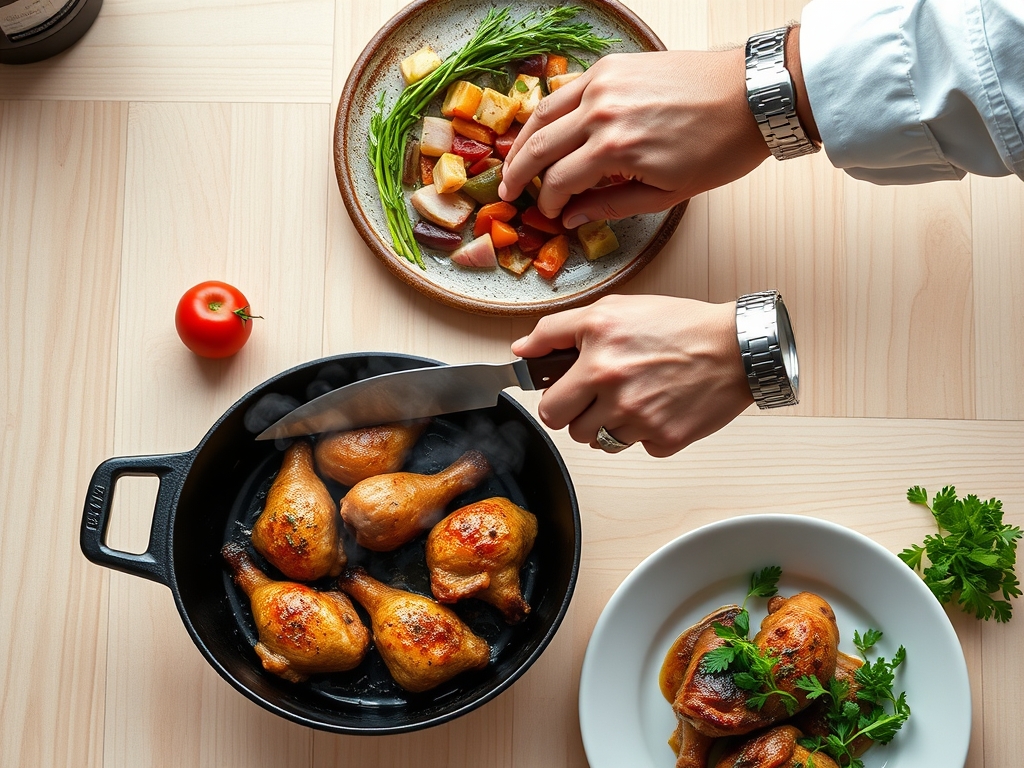
1. The Tempering Phase
Take your poultry out of the refrigerator at least 20 minutes before cooking. Bringing the meat closer to room temperature ensures even heat distribution once it hits the pan. Use a paper towel to pat the surface bone-dry.
Pro Tip: Moisture is the enemy of the Maillard reaction. By removing surface water, the energy of the pan goes directly into browning the proteins rather than evaporating steam, resulting in a superior crust.
2. The Sear and Render
Place your protein skin-side down in a preheated heavy-bottomed skillet with a high smoke point oil like avocado oil. Use tongs to press the meat down firmly, ensuring maximum surface contact.
Pro Tip: This is where we render the subcutaneous fat. As the fat melts, it fries the skin, creating a piquant, crispy texture while insulating the meat below from overcooking.
3. The Deglaze and Infuse
Once the meat is seared and removed, you will see brown bits stuck to the pan; this is called "fond." Pour in a splash of dry white wine or chicken stock and use a wooden spoon to scrape those bits up.
Pro Tip: This process is called deglazing. The liquid dissolves the caramelized proteins, creating a deeply flavorful base for a pan sauce that carries the essence of the entire dish.
4. The Thermal Finish
For thicker cuts or whole birds, transfer the skillet to a preheated oven to finish. This provides gentle, 360-degree heat that cooks the interior without burning the exterior.
Pro Tip: Utilize thermal carryover. Remove the meat when it is 3 to 5 degrees below your target temperature. The residual heat will continue to cook the meat as it rests, preventing a dry, stringy texture.
The Deep Dive
When we look at the macro nutrition of turkey chicken recipes, we are looking at a powerhouse of lean protein. A standard 4-ounce serving provides roughly 25 to 30 grams of protein with minimal fat, making it ideal for muscle repair and satiety. For those following a Keto lifestyle, keep the skin on to increase healthy fats and pair with cruciferous vegetables. For Vegan adaptations, firm tofu or seitan can be treated with the same searing and deglazing techniques to mimic the savory profile of poultry.
"The Fix-It" guide for common pitfalls:
- The Meat is Dry: You likely skipped the resting phase or overcooked it. Next time, use a digital meat thermometer to pull the meat at exactly 160 degrees Fahrenheit.
- The Skin is Soggy: This happens if the pan wasn't hot enough or you overcrowded the skillet. Cook in batches to maintain high heat.
- The Sauce is Broken: If your pan sauce looks oily and separated, whisk in a teaspoon of cold butter or a splash of water to emulsify the fats back into the liquid.
For meal prep, reheating science is crucial. To maintain "day-one" quality, avoid the microwave if possible. Instead, reheat poultry in a covered skillet with a tablespoon of water or stock over low heat. This creates a steam chamber that rehydrates the protein fibers without toughening them.
The Wrap-Up
Mastering turkey chicken recipes is the ultimate "flex" for any home cook. It is the perfect marriage of scientific precision and creative flair. By focusing on surface moisture, temperature control, and the magic of deglazing, you turn a basic ingredient into a culinary masterpiece. Remember, the kitchen is your laboratory; don't be afraid to experiment with different acids, like lemon juice or balsamic vinegar, to brighten your sauces. You have the tools, you have the knowledge, and now you have the inspiration to make every meal a nutritious, flavor-packed event.
The Kitchen Table
How do I keep chicken breast from getting dry?
Always use a digital thermometer to pull the meat at 160 degrees Fahrenheit. Allow it to rest for at least five minutes; this allows the fibers to reabsorb moisture through capillary action, ensuring a juicy result every single time.
Can I substitute turkey for chicken in any recipe?
Yes, they are largely interchangeable. However, turkey is leaner and denser, so it may require a slightly longer cooking time or a bit of extra fat, like olive oil, to maintain the same mouthfeel as chicken.
What is the best way to get crispy skin?
The secret is a bone-dry surface. Pat the skin with paper towels and salt it heavily. Let it sit uncovered in the fridge for an hour before searing in a very hot, heavy-bottomed skillet to maximize the Maillard reaction.
Why does my pan sauce always turn out thin?
You need to reduce the liquid by half to concentrate the flavors and sugars. For extra body, whisk in a small "knob" of cold butter at the very end to create a glossy, viscous emulsion that coats the spoon.