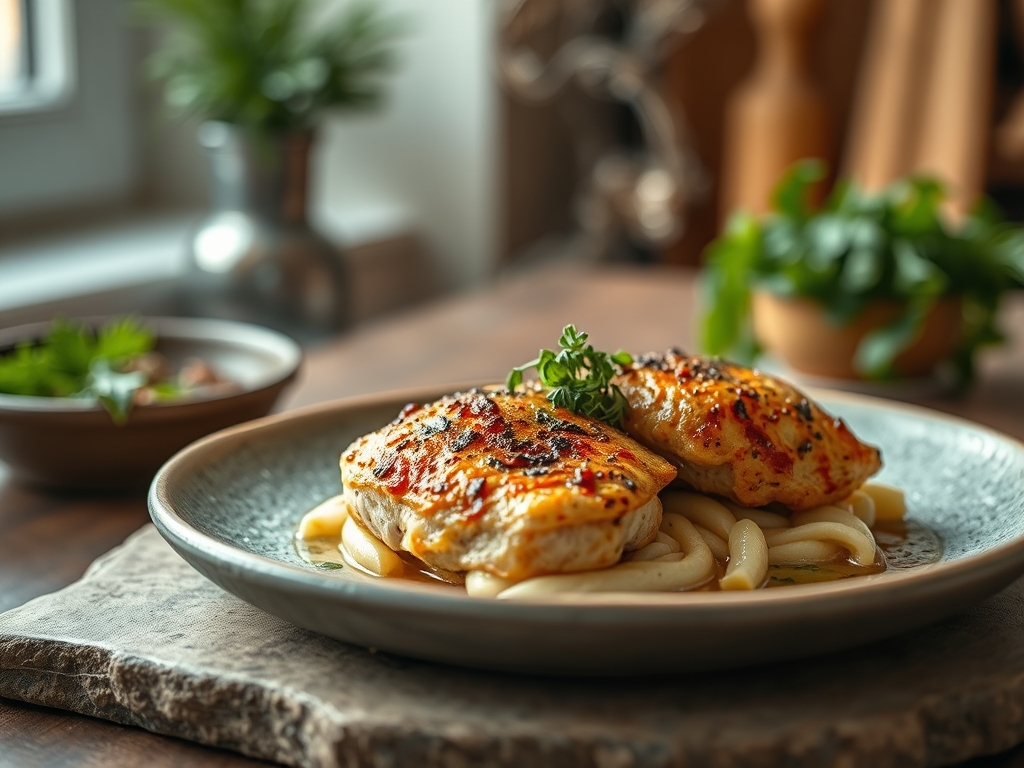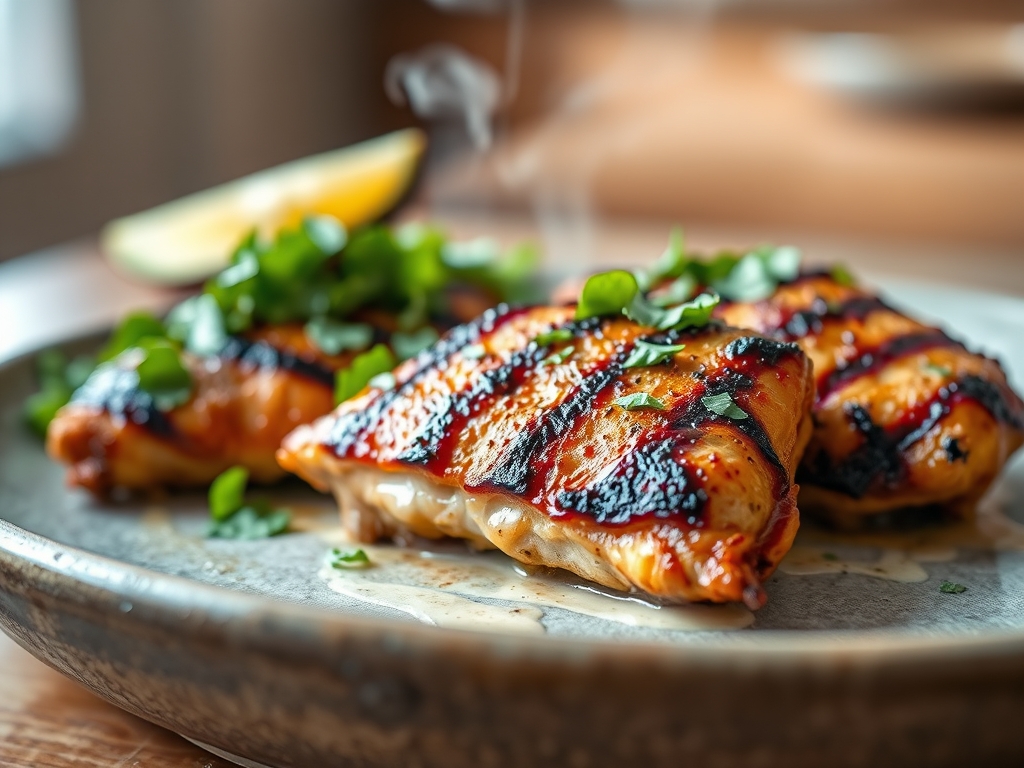
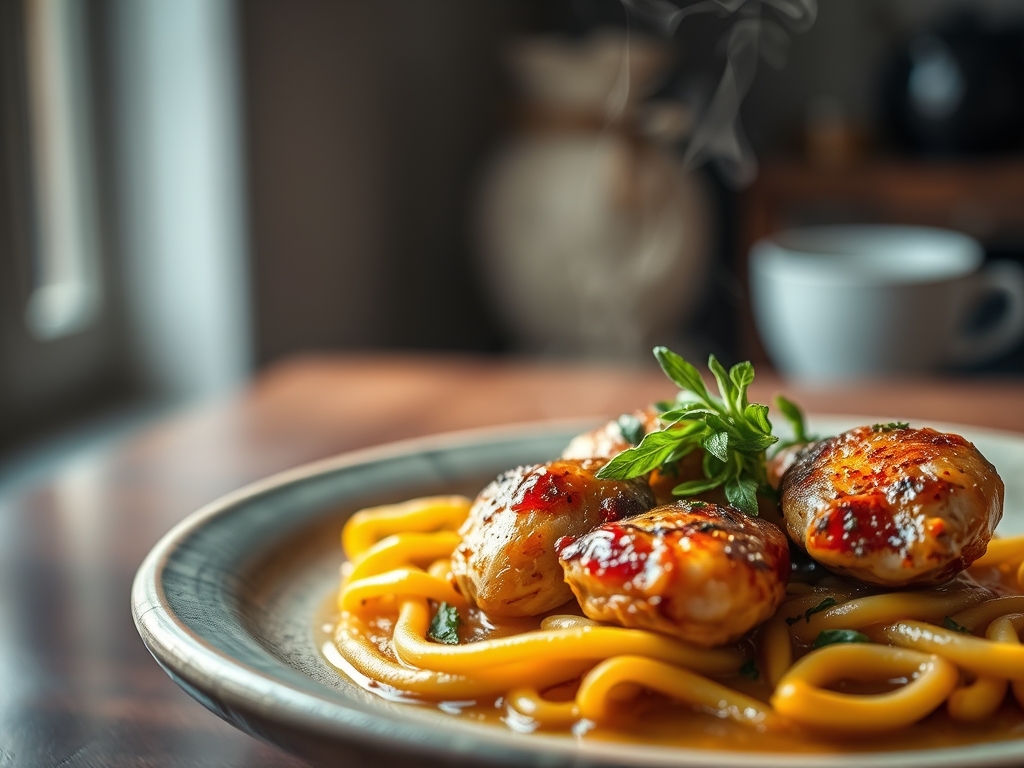
Picture the sizzle of skin hitting hot stainless steel. The aroma of garlic hitting rendered fat is a sensory siren song that signals the end of a long day. If you are hunting for the ultimate one pot chicken recipes dinner, you have found the holy grail of efficiency and flavor. We are ditching the sink full of dishes for pure, concentrated culinary science.
The beauty of a single vessel meal lies in the layering of flavors. Every drop of juice and every charred bit of fond remains in the pan, building a complex profile that multi-pot meals simply cannot replicate. We are going to transform humble thighs and breasts into restaurant-quality masterpieces using nothing but a heavy-bottomed skillet or a trusty Dutch oven. Whether you are a seasoned home cook or a weeknight warrior, mastering these techniques will turn your kitchen into a high-efficiency flavor lab. Let us get into the grit of how heat, fat, and protein interact to create the perfect bite.
The Gathers:
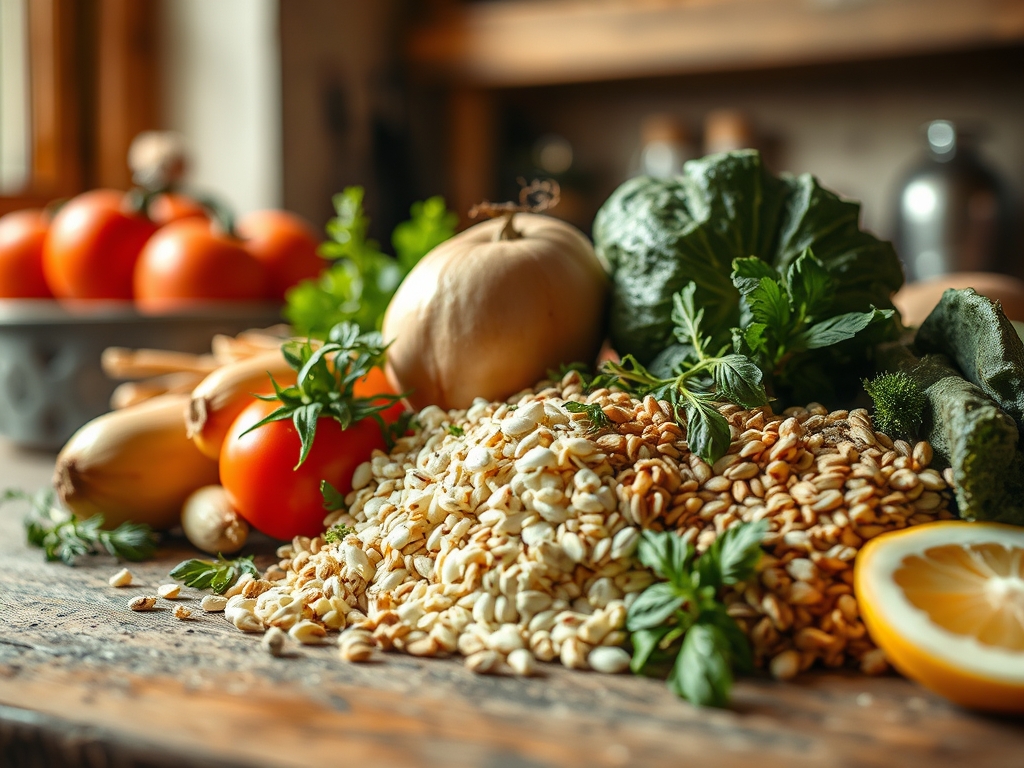
Before we ignite the burner, we must respect the mise-en-place. Your workstation should be a tactical layout of textures and chemical potentials. For these one pot chicken recipes dinner, your primary protein should be bone-in, skin-on thighs. The bone acts as a thermal conductor, ensuring even cooking, while the skin provides the lipid base for our entire flavor profile. You will need a high-smoke-point oil like avocado or grapeseed oil to facilitate the Maillard reaction without acrid scorching.
Your aromatics are the backbone of the dish. Use a microplane to zest lemons and grate fresh ginger; this increases the surface area, allowing essential oils to infuse the fat more rapidly. For the starch, choose high-amylose grains like basmati or sturdy short pastas like orzo. These hold their structural integrity against the viscous braising liquids we will create.
Smart Substitutions:
If you are out of fresh shallots, use the white parts of scallions for a piquant bite. No dry white wine for deglazing? A splash of verjus or a diluted apple cider vinegar provides the necessary acidity to balance the richness of the rendered chicken fat. If you prefer breasts over thighs, reduce your total simmer time by 30 percent to avoid the dreaded rubbery texture of over-coagulated proteins.
The Clock
Efficiency in the kitchen is about the Chef's Flow. For most of these recipes, expect a 15-minute active prep window followed by a 25 to 35-minute cook time. The "Flow" means you are cleaning your bench scraper and cutting board while the chicken is searing. Never stand idle. Use the time while the liquid is reducing to aerate your greens or prep your garnishes. Total time from fridge to table should clock in at under 50 minutes, making this the gold standard for high-density nutrition on a schedule.
The Masterclass
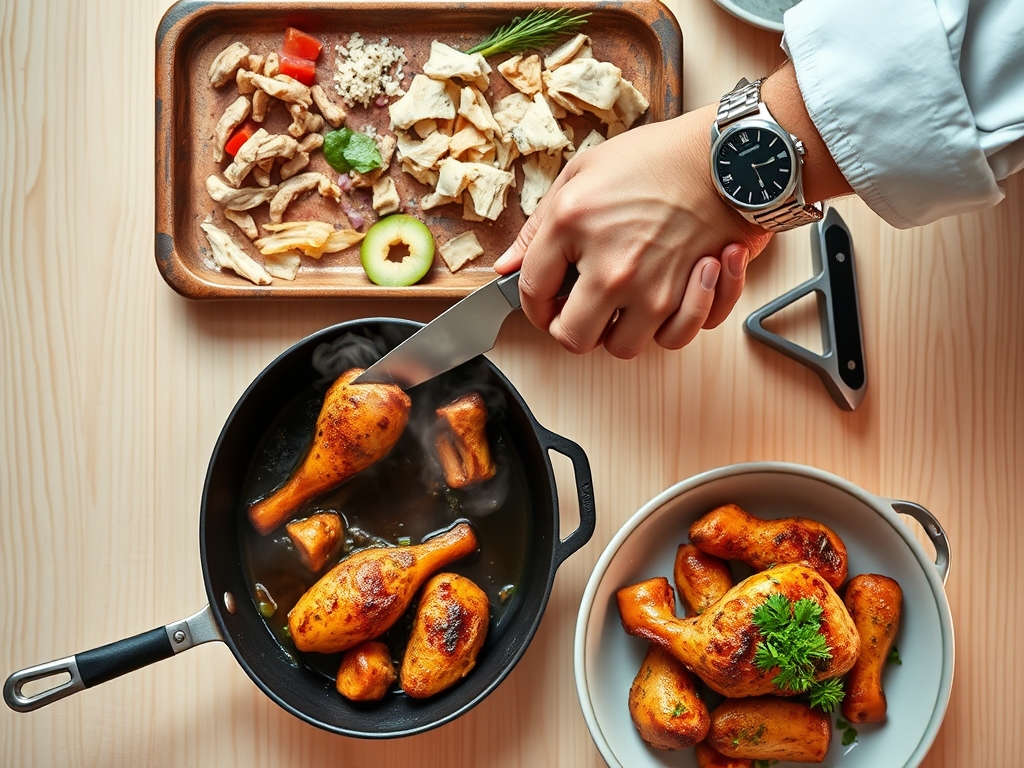
1. The Sear and Render
Pat your chicken bone-dry with paper towels. Moisture is the enemy of the crust. Place the chicken skin-side down in a cold heavy-bottomed skillet and then turn the heat to medium-high. This allows the fat to render slowly, resulting in a glass-like crispness.
Pro Tip: This is the Maillard reaction in action. By starting in a cooler pan, you prevent the skin from shrinking too fast, which traps moisture. The result is a deeper brown color and a more complex nutty flavor profile.
2. Deglazing the Fond
Once the chicken is browned and set aside, you will see brown bits stuck to the bottom. This is "fond," which is essentially concentrated umami. Pour in your liquid (wine, stock, or citrus) and use a wooden spoon to scrape those bits into the sauce.
Pro Tip: Deglazing is a solvent-based extraction. The alcohol or acid in your liquid dissolves the caramelized proteins and sugars, incorporating them into a homogenous, flavorful base for your sauce.
3. The Aromatic Infusion
Lower your heat and add your garlic, shallots, and hardy herbs like rosemary or thyme. Sauté just until fragrant. If you add them too early during the high-heat sear, the sulfur compounds in the garlic will turn bitter and ruin the delicate balance of the dish.
Pro Tip: Fat is a flavor carrier. By sautéing aromatics in the rendered chicken fat, you are performing a lipid-infusion that carries the scent molecules throughout the entire dish.
4. The Simmer and Steam
Add your grains and remaining liquid. Nestle the chicken back into the pan, keeping the crispy skin above the liquid line to maintain texture. Cover with a tight-fitting lid to create a pressurized steam environment.
Pro Tip: This stage utilizes convection heat. The steam circulates around the chicken, cooking it gently and evenly, which prevents the muscle fibers from tightening and squeezing out their internal juices.
5. The Final Rest
Once the internal temperature reaches 165 degrees Fahrenheit on a digital scale, remove from heat. Let the dish sit, covered, for five minutes before serving.
Pro Tip: This allows for thermal carryover and moisture redistribution. During the rest, the pressure inside the meat fibers equalizes, ensuring the juices stay in the chicken rather than running out onto your plate.
The Deep Dive
From a macro perspective, these one pot chicken recipes dinner are powerhouses. A standard serving offers roughly 35 to 45 grams of protein and a balanced ratio of complex carbohydrates and healthy fats. To keep it Keto, swap the rice for cauliflower florets or radishes, which take on a potato-like texture when braised. For a Vegan twist, use chickpeas and mushrooms, though you will lose the specific collagen-rich mouthfeel of the chicken.
The Fix-It:
- Soggy Skin: If your skin loses its crunch during the simmer, pop the skillet under the broiler for 90 seconds. The intense radiant heat will re-crisp the lipids instantly.
- Broken Sauce: If your sauce looks oily or separated, whisk in a tablespoon of cold butter or a splash of heavy cream. This creates an emulsion, binding the fats and liquids back together.
- Crunchy Rice: If the liquid evaporates before the rice is tender, add a quarter cup of boiling water and seal the lid tightly with foil to trap every bit of steam.
Meal Prep Science:
When reheating, do not use the microwave on high power. It vibrates water molecules too violently, toughening the protein. Instead, reheat in a covered pan with a tablespoon of water over medium-low heat. This mimics the original steaming process and restores the "day-one" silkiness of the sauce.
The Wrap-Up
Mastering the one pot chicken recipes dinner is about more than just convenience; it is about understanding how heat transforms raw ingredients into comfort. You have learned to harness the Maillard reaction, the power of deglazing, and the importance of thermal carryover. Now, take these skills and experiment. Swap the rosemary for cilantro and lime, or exchange the white wine for a splash of soy sauce and ginger. Your kitchen is your laboratory, and you are the lead scientist. Dinner is served, and it is spectacular.
The Kitchen Table
How do I keep chicken from getting dry in one pot meals?
Use bone-in thighs rather than breasts. The bone slows down the cooking process and the higher fat content provides a buffer against overcooking. Always use a digital thermometer to pull the meat at exactly 165 degrees Fahrenheit.
Can I use frozen chicken for these recipes?
It is not recommended. Frozen chicken releases excess moisture as it thaws, which prevents searing and dilutes your sauce. Always thaw chicken completely in the refrigerator and pat it dry with paper towels before it hits the hot pan.
What is the best pot for one-pot dinners?
A cast-iron Dutch oven or a heavy-bottomed stainless steel skillet is best. These materials retain heat evenly, which is crucial for a consistent sear and a steady simmer without hot spots that could burn your grains.
Why is my rice always mushy in one-pot chicken?
You likely used too much liquid or the wrong type of grain. Stick to long-grain varieties and ensure you are measuring your liquid-to-rice ratio precisely. Sautéing the rice in fat before adding liquid also helps keep grains separate.