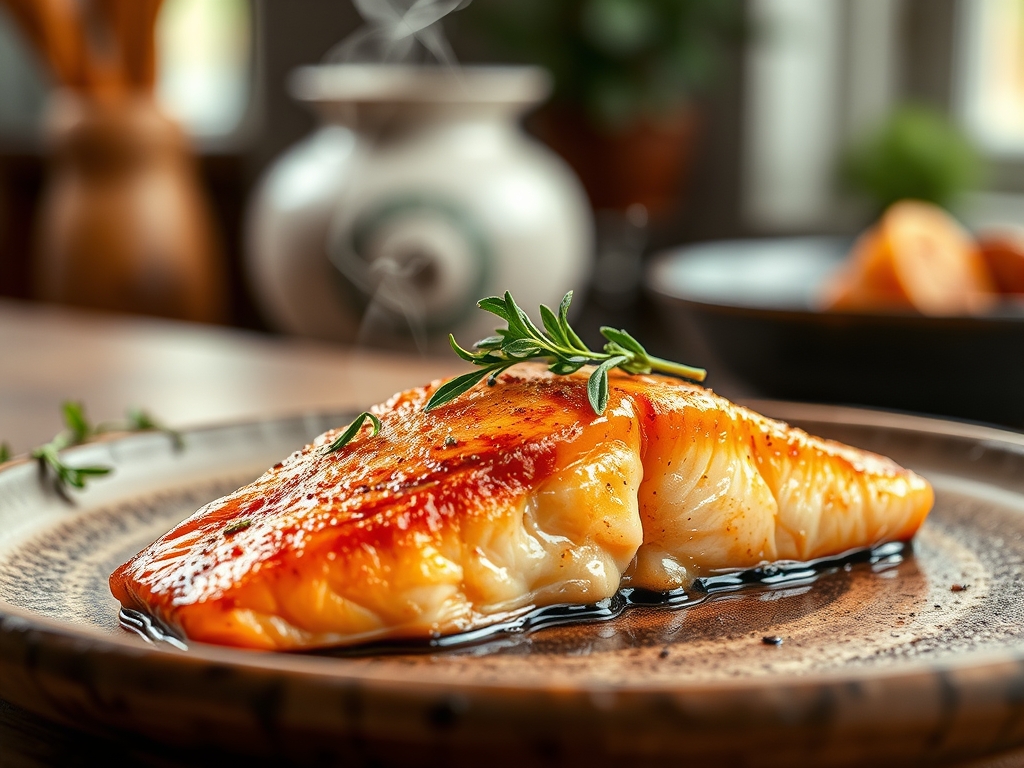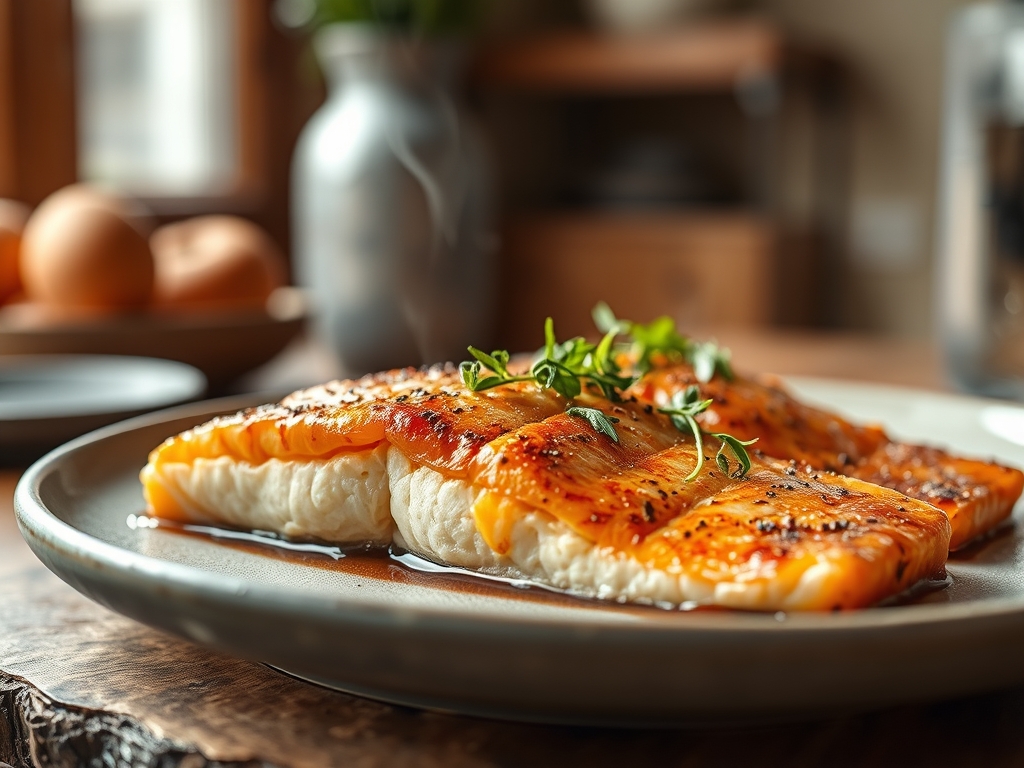
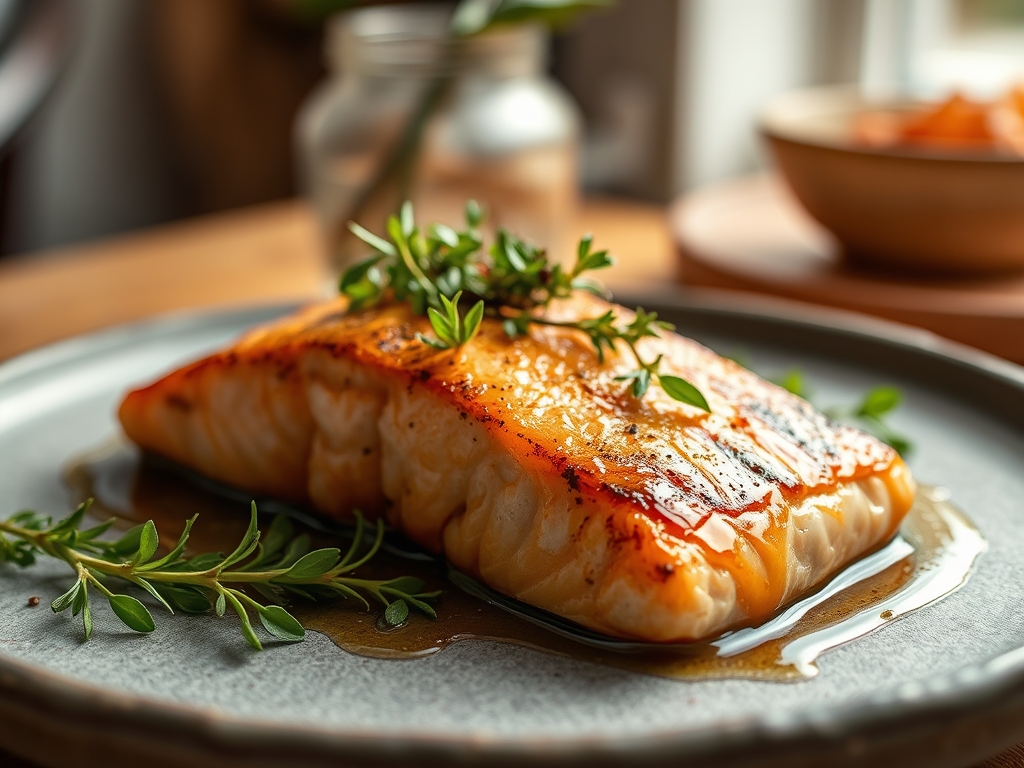
Imagine the scent of a Pacific Northwest forest colliding with the sizzle of a hot grill. That heady, resinous perfume is the hallmark of cedar salmon recipes, a culinary technique that transforms a simple fillet into a smoky masterpiece. It is not just about the wood; it is about the thermal barrier and the aromatic steam that bathes the fish.
When you master the art of the cedar plank, you are essentially creating a micro-oven on your grill grates. The wood protects the delicate proteins from the harsh, direct heat of the flames while simultaneously infusing the flesh with phenols and guaiacol. These are the organic compounds responsible for that signature campfire aroma. We are moving beyond basic grilling into the realm of wood-fired infusion.
Forget dry, chalky fish. We are aiming for a texture that is buttery and succulent, with a lacquer-like glaze that shatters under the fork. Whether you are hosting a summer garden party or just treating yourself to a high-protein Tuesday, these secrets will elevate your kitchen game from amateur to artisanal. Let us dive into the chemistry of the plank.
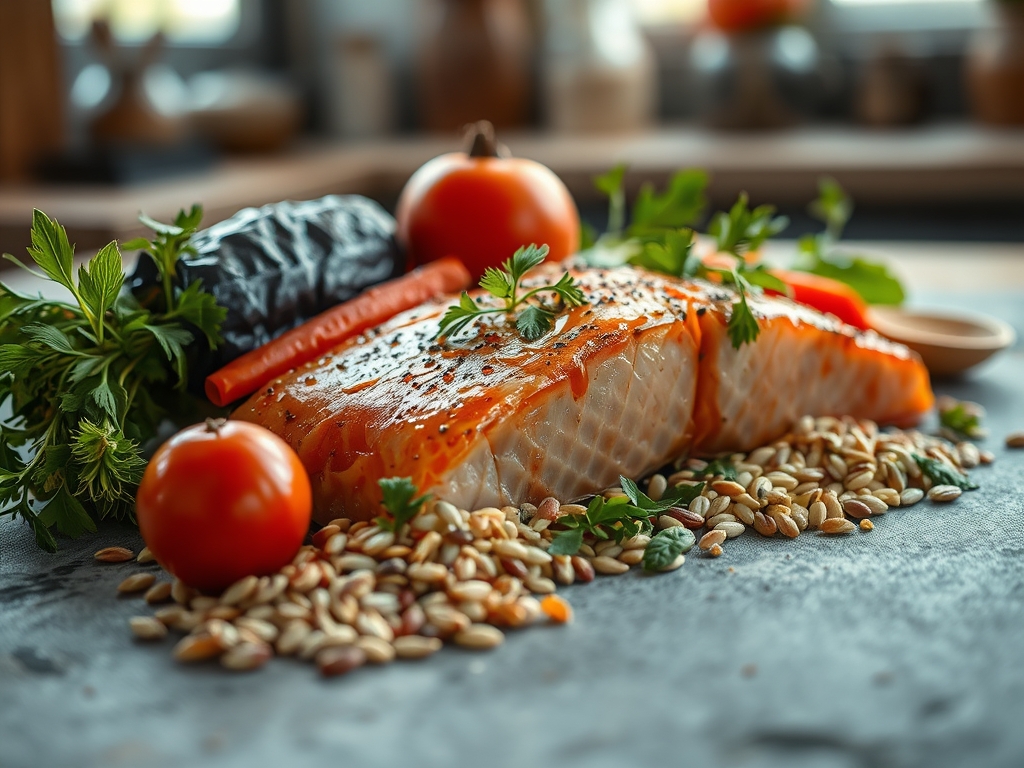
The Gathers:
To execute this properly, your mise-en-place must be precise. Start with a high-quality center-cut Atlantic or King salmon fillet, weighing approximately two pounds. You will need food-grade Western Red Cedar planks, which must be untreated to avoid toxic chemical leaching. For the seasoning, gather coarse kosher salt, freshly cracked black peppercorns, and a high-smoke-point oil like avocado oil.
The glaze requires a viscous sweetener to facilitate the Maillard reaction. Reach for grade A maple syrup or a dark honey. You will also need Dijon mustard for its piquant acidity and emulsifying properties, which help the glaze cling to the fish. A microplane is essential here for zesting a fresh lemon and grating a clove of garlic into a fine paste.
Smart Substitutions: If you cannot find cedar, alder wood planks offer a milder, sweeter smoke profile. For a keto-friendly version, swap the maple syrup for a monk fruit-based brown sugar substitute. If you are out of Dijon, a splash of apple cider vinegar mixed with a pinch of dry mustard powder will provide the necessary acidic bite to cut through the fatty acids of the fish.
The Clock
Efficiency in the kitchen is about the Chef's Flow. This is the sequence of operations that ensures no time is wasted. Your total active prep time is 15 minutes, but the passive time is where the magic happens. You must soak your cedar planks for at least two hours; this prevents the wood from igniting and ensures maximum steam production.
The actual cook time ranges from 18 to 22 minutes depending on the thickness of your fillet. However, you must account for a 5-minute rest period post-grill. During this time, thermal carryover will finish the cooking process, bringing the internal temperature up to a perfect 145 degrees Fahrenheit while allowing the juices to redistribute through the muscle fibers.
The Masterclass
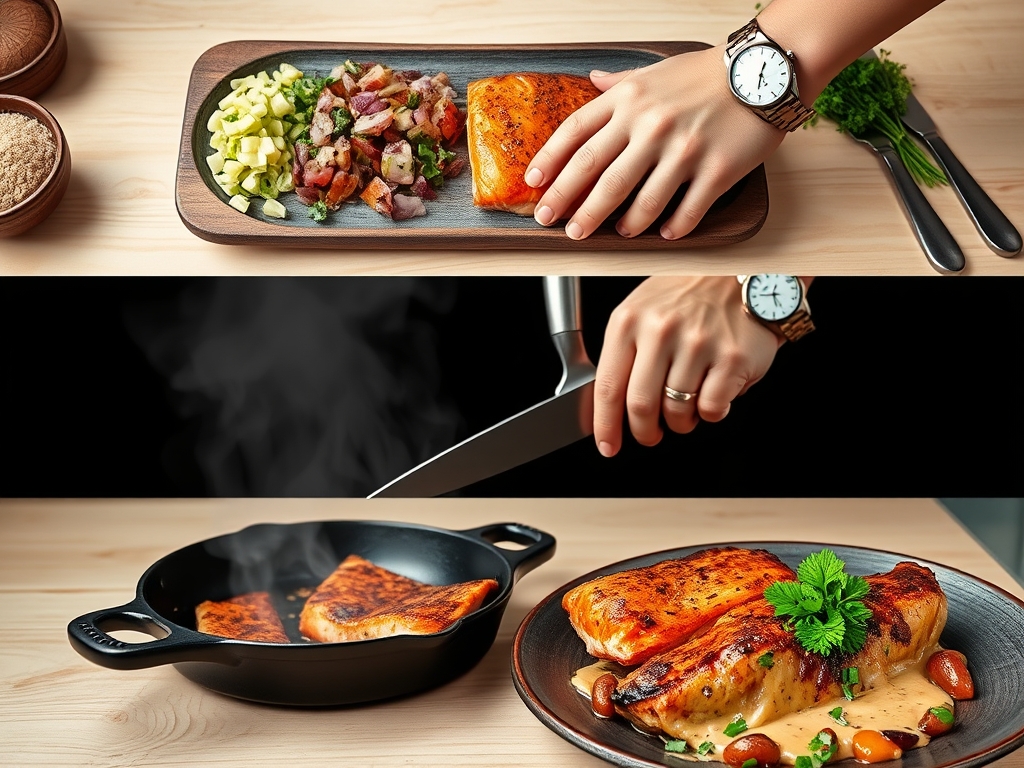
1. Hydrate the Foundation
Submerge your cedar planks in salted water, using a heavy-bottomed skillet to weigh them down. This ensures the wood is fully saturated.
Pro Tip: Adding salt to the soaking water increases the boiling point slightly and helps the wood fibers infuse the fish with a subtle seasoning from the bottom up.
2. The Surface Prep
Pat the salmon bone-dry with paper towels. Use a bench scraper to check for any missed scales on the skin side. Moisture is the enemy of a good sear and glaze adhesion.
Pro Tip: Removing surface moisture prevents the fish from "stewing" in its own juices, allowing the heat to focus on protein denaturation rather than evaporation.
3. Emulsify the Glaze
In a small saucier, whisk together your maple syrup, Dijon, garlic, and lemon zest. Whisk vigorously to aerate the mixture and create a stable emulsion that won't slide off the fish.
Pro Tip: The mustard acts as a surfactant, bridging the gap between the water-based syrup and the fatty oils in the salmon for a uniform coating.
4. Temper the Protein
Let the salmon sit at room temperature for 20 minutes before it hits the heat. This reduces the thermal shock to the muscle fibers.
Pro Tip: Tempering prevents the "white stuff" (albumin) from squeezing out of the fish, which happens when cold muscle fibers contract too violently against sudden heat.
5. Fire the Planks
Place the empty, wet planks on the grill for 3 minutes until they start to crackle and release a light smoke. This "toasts" the wood and prepares the surface.
Pro Tip: Pre-heating the plank initiates the release of lignins, the polymers in wood that create complex smoky flavors before the fish even touches the surface.
6. The First Glaze
Slide the salmon onto the hot planks and brush on half of your glaze. Close the grill lid immediately to trap the aromatic steam.
Pro Tip: Closing the lid creates a convection environment, ensuring the top of the fish cooks at the same rate as the bottom in contact with the plank.
7. Monitor the Internal Temp
Use a digital scale or, more accurately, a digital probe thermometer to track the progress. You are looking for an internal temperature of 135 degrees Fahrenheit before pulling it off.
Pro Tip: Removing the fish 10 degrees early accounts for thermal carryover, preventing the collagen from tightening and turning the fish rubbery.
8. The Final Lacquer
With 5 minutes remaining, apply the second layer of glaze. This creates a thick, tacky finish that has not been diluted by the initial rendering of fats.
Pro Tip: This late-stage application allows the sugars to caramelize without burning, achieving a perfect enzymatic browning on the surface.
9. The Resting Phase
Slide the entire plank off the grill and onto a heat-safe tray. Let it rest undisturbed. Cover it loosely with foil if you are in a breezy area.
Pro Tip: Resting allows the pressure inside the fish to equalize, ensuring that when you finally flake it, the moisture stays within the cells.
10. The Citrus Finish
Just before serving, use your tongs to lift the flakes and squeeze fresh lemon juice over the gaps. The acid brightens the heavy smoke and fat.
Pro Tip: Adding acid at the very end prevents it from "cooking" the fish like a ceviche, maintaining the structural integrity of the tender flakes.
The Deep Dive
From a macro nutrition perspective, cedar salmon recipes are a powerhouse. A 6-ounce serving provides roughly 34 grams of high-quality protein and is rich in Omega-3 fatty acids, which are essential for heart health. Because we are using a plank, we use less added fat than traditional frying, keeping the calorie count around 350 to 400 per serving.
Dietary Swaps: For a vegan alternative, use the same planking method with thick slabs of cauliflower or firm tofu pressed with a digital scale to remove excess water. For a strict Keto profile, replace the maple syrup with a sugar-free maple flavoring mixed with melted butter to maintain that viscous texture without the glycemic load.
The Fix-It:
- The Plank Catches Fire: If the wood ignites, use a spray bottle of water to douse the flames. Next time, soak the plank longer or lower the direct heat.
- Fish is Sticking: You likely didn't oil the plank or the fish skin. Use a thin layer of neutral oil on the wood surface before placing the salmon.
- White Film on Surface: This is albumin. It means the heat was too high or the fish was too cold. Lower the grill temperature and ensure the fish is tempered next time.
Meal Prep: To reheat leftovers while maintaining "day-one" quality, avoid the microwave. Place the salmon in a shallow dish with a tablespoon of water, cover tightly with foil, and warm in a 300-degree oven. This creates a steam chamber that mimics the original plank environment, preventing the proteins from becoming tough.
The Wrap-Up
Mastering cedar salmon recipes is a rite of passage for any serious home cook. It is the perfect marriage of rugged outdoor technique and refined flavor balancing. By understanding the science of the plank; from the hydration of the wood to the precise timing of the glaze; you ensure a result that is consistently spectacular. Go grab your planks, fire up the grill, and prepare to be the hero of your next dinner party.
The Kitchen Table
How long should I soak cedar planks?
Soak your planks for at least two hours in warm, salted water. This ensures the wood remains hydrated enough to produce steam and resist ignition during the high-heat grilling process.
Can I reuse cedar planks?
If the plank is not heavily charred, you can scrub it with hot water (no soap) and reuse it once. However, for the best aromatic infusion, a fresh plank is always recommended.
What is the best temperature for the grill?
Aim for a medium-high heat, roughly 375 to 400 degrees Fahrenheit. This provides enough heat to char the bottom of the plank and release smoke without incinerating the wood too quickly.
How do I know when the salmon is done?
The salmon is done when it reaches an internal temperature of 135 degrees Fahrenheit. It should flake easily with a fork and appear opaque in the center after a five-minute rest.