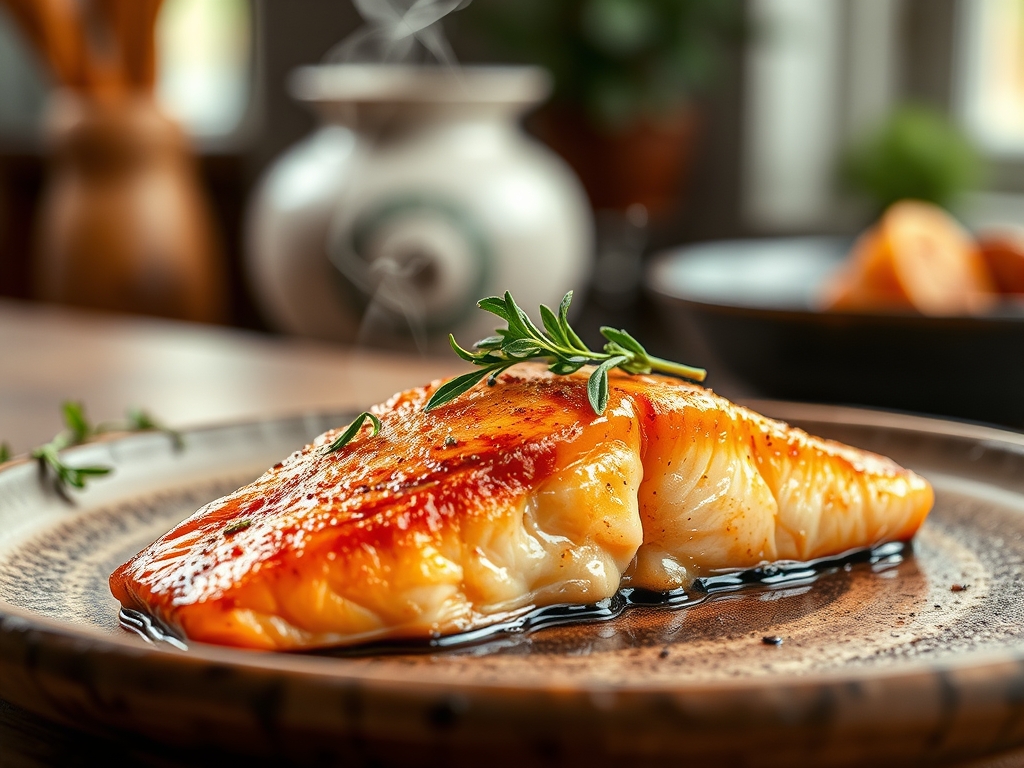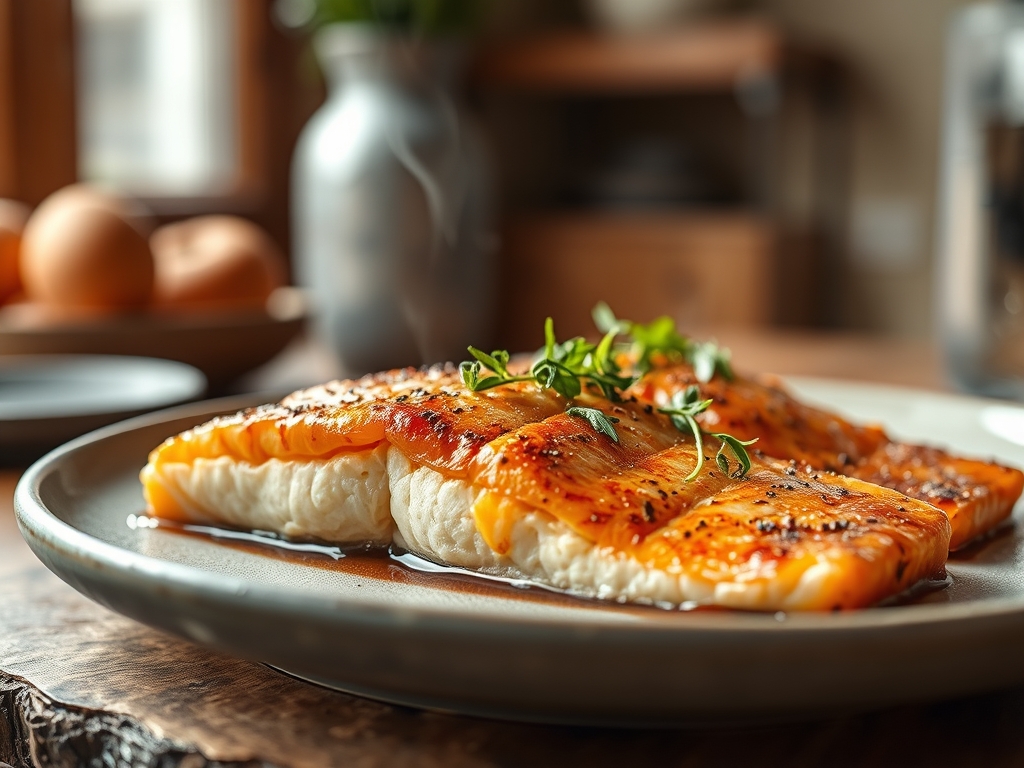
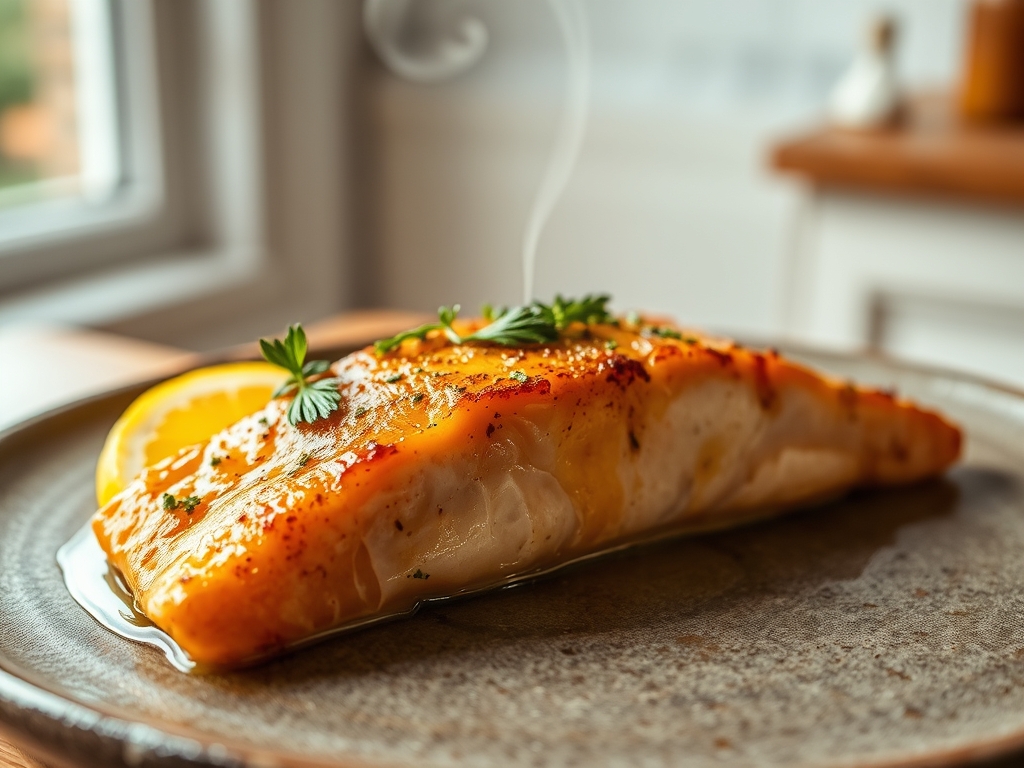
Picture a heavy-bottomed skillet resting on a blue-flame burner. The air fills with the sharp, piquant scent of citrus as cold butter hits the hot metal. When you master salmon recipes with lemon juice, you are not just cooking; you are conducting a symphony of molecular chemistry. The acid in the lemon acts as a structural architect, tightening the proteins while cutting through the rich, fatty lipids of the fish.
We have all been there. You want that glossy, restaurant-grade finish, but you end up with a dry, chalky fillet or a sauce that breaks into an oily mess. That ends today. We are diving into seven distinct glaze variations that utilize the power of citric acid to elevate your dinner game. From a honey-infused nectar to a spicy chili-lime fusion, these glazes rely on the science of emulsification to cling to every flake of fish. By the time we are done, you will understand how to manipulate temperature and acidity to create a meal that looks like it belongs on a magazine cover. Let us get your mise-en-place ready and turn your kitchen into a high-end bistro.
The Gathers:
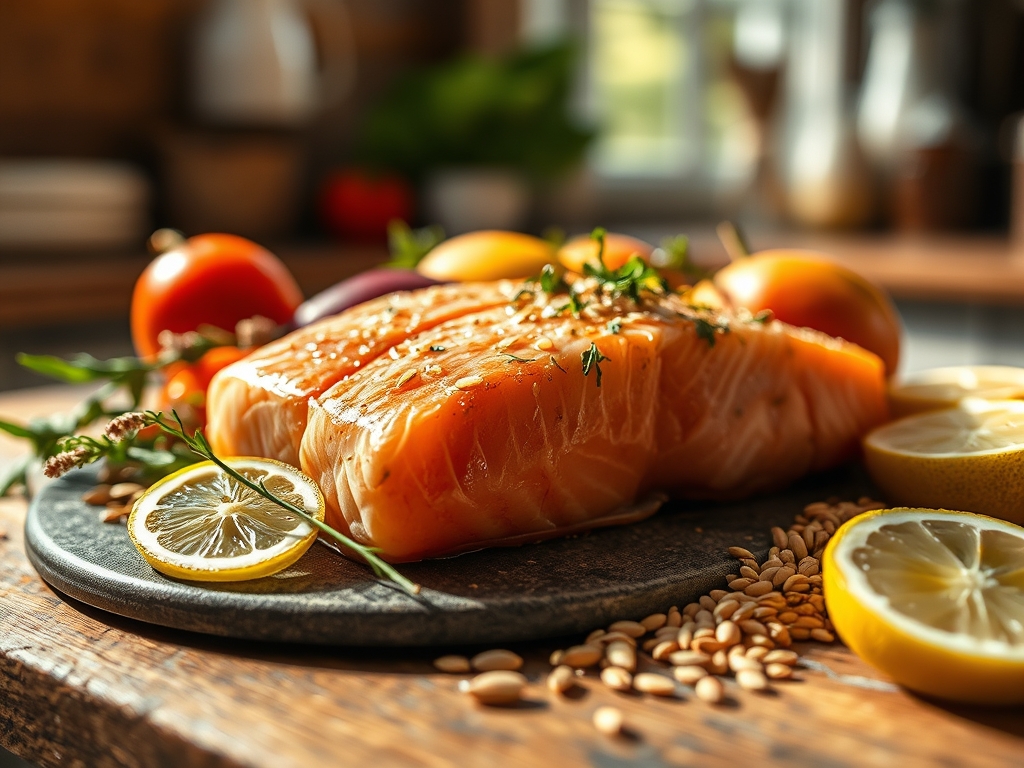
To achieve a professional result, your ingredients must be at the correct temperature and quality. Start with high-fat Atlantic or King salmon; the marbling is essential for a moist result. You will need a microplane to harvest the zest, which contains the essential oils that provide a deeper aroma than the juice alone. For the glazes, gather raw honey or maple syrup to provide the sugars necessary for the Maillard reaction. You also need a high-quality fat, such as unsalted European-style butter or cold-pressed avocado oil, to create a viscous mouthfeel.
Smart Substitutions: If you are out of fresh lemons, a high-quality verjuice or white balsamic vinegar can mimic the acidity, though you will miss the limonene oils. For a soy-free alternative in the savory glazes, use coconut aminos; they provide the same umami depth with a lower glycemic index. If you prefer a heat kick without the grit of pepper flakes, infuse your oil with dried Thai bird's eye chilies before starting the glaze.
The Clock
Efficiency in the kitchen is about "Chef's Flow." Total active prep time for these glazes is exactly 12 minutes. You will spend 5 minutes on the mise-en-place, chopping aromatics and measuring liquids with a digital scale for precision. The actual cooking of the salmon takes roughly 8 to 10 minutes depending on the thickness of the fillet.
The "Flow" dictates that you prepare your glaze in a small saucier while the salmon is resting. Never cook the glaze and the fish simultaneously on the same high heat. By allowing the salmon to rest for 3 to 5 minutes, you ensure the internal juices redistribute, preventing them from leaking out and thinning your beautiful glaze.
The Masterclass
1. Tempering the Protein
Remove your salmon from the refrigerator 20 minutes before cooking. Use a paper towel to pat the skin bone-dry. Moisture is the enemy of a crisp sear; if the surface is wet, the fish will steam rather than brown.
Pro Tip: This process is called tempering. Reducing the temperature gradient between the cold fish and the hot pan ensures the exterior does not overcook before the center reaches the target temperature.
2. The Initial Sear
Heat your heavy-bottomed skillet over medium-high heat until the oil shimmers. Place the salmon skin-side down. Use a fish spatula to press firmly for 30 seconds. This prevents the protein fibers from curling as they contract.
Pro Tip: This stage initiates the Maillard reaction, a chemical reaction between amino acids and reducing sugars that creates hundreds of different flavor compounds and that iconic golden-brown crust.
3. Creating the Emulsion
Once the salmon is flipped and nearly finished, remove it from the pan. Lower the heat and add your lemon juice, aromatics, and honey. Whisk vigorously as you slowly incorporate cold butter cubes.
Pro Tip: This is emulsification. The cold butter contains milk solids that act as stabilizers, binding the watery lemon juice and the fats into a smooth, glossy sauce that won't separate.
4. The Glaze Reduction
Simmer the sauce until it coats the back of a spoon. If the sauce is too thin, it will slide off the fish. If it is too thick, it will become tacky and overly sweet.
Pro Tip: As water evaporates, the concentration of solutes increases, increasing the viscosity. You are looking for "nappe" consistency, which is the technical term for a sauce that perfectly blankets the food.
5. The Final Infusion
Return the salmon to the pan for 30 seconds, spooning the hot glaze over the top. This is called basting. Use your tongs to ensure the sides of the fillet are also coated.
Pro Tip: This final step utilizes thermal carryover. Even after the fish leaves the pan, its internal temperature will rise by about 5 degrees, finishing the center to a perfect medium-rare.
The Deep Dive
Salmon is a nutritional powerhouse, loaded with Omega-3 fatty acids which are essential for brain health. A standard 6-ounce serving provides roughly 34 grams of protein and 18 grams of healthy fats. By using lemon juice, you add Vitamin C and antioxidants without the caloric load of heavy cream-based sauces.
Dietary Swaps: For a Keto-friendly version, swap the honey for liquid allulose; it caramelizes similarly without the insulin spike. For a Vegan "salmon" alternative using watermelon or tofu, use a dash of liquid smoke in the lemon glaze to mimic the fatty, charred profile of real fish.
The Fix-It:
- The Sauce Broke: If your glaze looks oily and separated, whisk in a teaspoon of warm water and a bit more cold butter off the heat to re-emulsify.
- The Skin is Soggy: You likely moved the fish too early. Let it sit undisturbed until the proteins naturally release from the pan.
- The Glaze is Bitter: You may have scraped the white pith of the lemon. Balance the bitterness with a pinch of salt or an extra drop of honey.
Meal Prep: To reheat salmon without it becoming rubbery, use the "low and slow" method. Place it in an oven at 275 degrees Fahrenheit with a splash of water and cover it with foil. This creates a steam chamber that protects the delicate fats from oxidizing and smelling "fishy."
The Wrap-Up
Mastering salmon recipes with lemon juice is the ultimate culinary "level up." It combines the precision of temperature control with the art of flavor balancing. Whether you are hosting a dinner party or just treating yourself after a long day, these techniques ensure a vibrant, healthful meal every single time. Grab your microplane, find the freshest lemons at the market, and start searing. Your kitchen is about to smell like a coastal Mediterranean dream.
The Kitchen Table
How do I keep salmon from sticking to the pan?
Ensure the pan is "ripping hot" before adding oil. Pat the fish completely dry with paper towels. Once placed, do not touch the fillet for at least three minutes; the fish will naturally release once the crust forms.
Can I use bottled lemon juice for the glaze?
Bottled juice lacks the bright, volatile aromatics found in fresh fruit. It often contains preservatives like sodium metabisulfite which can leave a metallic aftertaste. Always use fresh lemons and include the zest for the most vibrant flavor profile.
What is the best internal temperature for salmon?
For a moist, flakey texture, aim for an internal temperature of 125 to 130 degrees Fahrenheit. This is considered medium-rare to medium. Remember that carryover cooking will raise the temperature further while the fish rests on the plate.
Why does my lemon glaze turn brown?
Browning occurs due to the caramelization of sugars in the honey or maple syrup. If it turns dark too quickly, your heat is too high. Reduce the flame and add a splash of water to stop the sugar from burning.